

Have you ever stopped to wonder who made the first smartphone? You use your phone every day, but do you really know where it all began?
Discovering the story behind the very first smartphone will change the way you see your device. It’s not just about technology—it’s about innovation, vision, and a spark that changed communication forever. Keep reading, and you’ll uncover surprising facts that might just make you appreciate your phone a little more.
Early Mobile Communication Devices
Before smartphones existed, people used many devices to communicate. These devices helped connect people over long distances. They laid the foundation for today’s mobile phones. Understanding these early devices shows how far technology has come.
Early devices were simple and often large. They needed strong signals and special equipment. Over time, engineers made them smaller and easier to use. These steps led to the creation of the first true smartphones.
From Radios To Mobile Phones
Radios were among the first tools for wireless communication. They sent voice signals over the air. This technology helped people talk without wires. It was important for ships and emergency services.
Later, mobile phones appeared. Early mobile phones were big and heavy. They worked using radio waves, just like radios. These phones required large batteries and special antennas. They allowed calls from moving vehicles and remote places.
Key Innovations Before Smartphones
Several key inventions made smartphones possible. The microchip allowed phones to become smaller. Battery improvements made phones last longer. Displays evolved from simple lights to screens.
Text messaging was another important step. It let users send short messages without calling. Wireless networks also grew stronger and faster. These changes set the stage for modern smartphones.
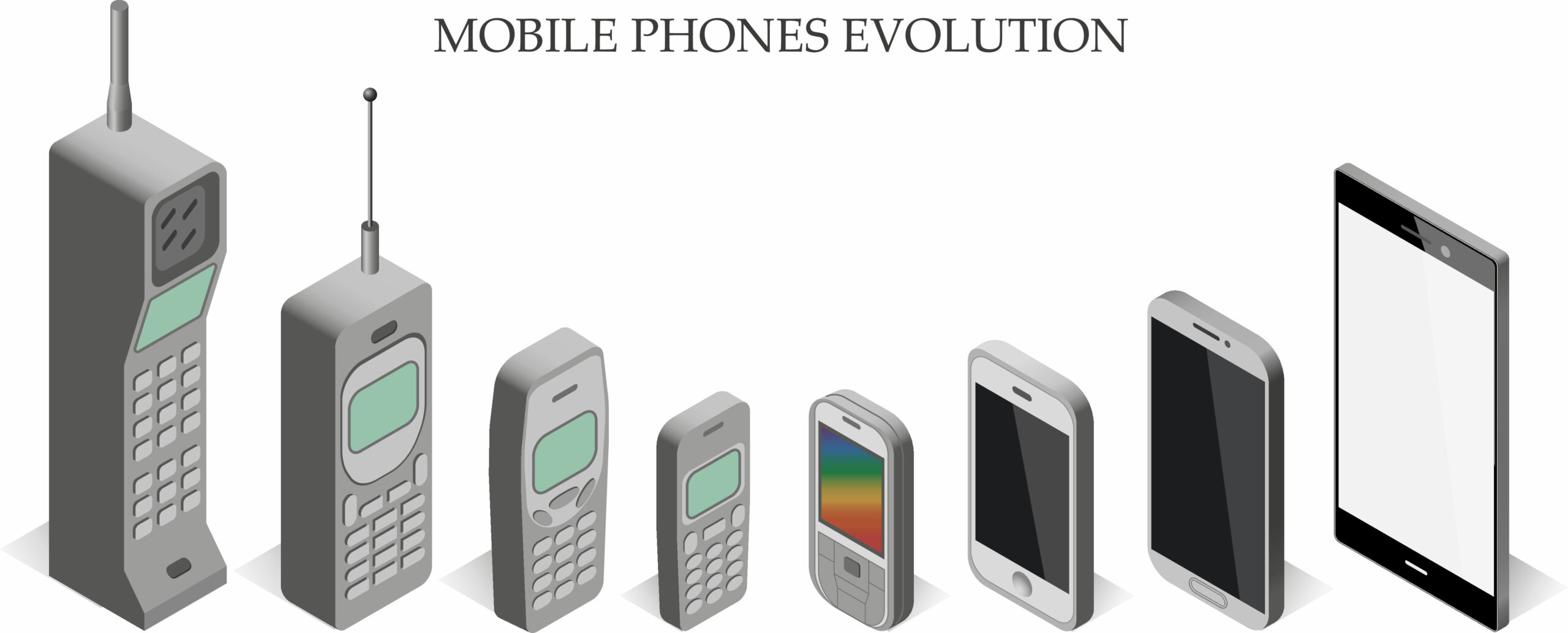
Credit: techwireasia.com
The Birth Of The First Smartphone
The first smartphone changed how people use phones forever. It combined phone calls with other features like email and apps. This device started a new era in communication.
Before smartphones, mobile phones only made calls and sent texts. The first smartphone added tools that helped users do more. It was a big step toward today’s devices.
Introducing Ibm Simon
IBM Simon is known as the first smartphone. It came out in 1994. IBM and Mitsubishi Electric worked together to create it.
The device looked like a large phone with a touchscreen. It was ahead of its time and offered many useful tools.
Features That Set It Apart
IBM Simon had features no phone had before. It included a touchscreen for making calls and writing notes. Users could send and receive emails too.
Simon also had a calendar, address book, and fax machine. These features made it more than just a phone. It was a small computer in your hand.
The Team Behind Ibm Simon
The team behind the IBM Simon smartphone was a group of skilled inventors and designers. They combined their knowledge to create the first device that worked as both a phone and a computer. Their work laid the foundation for modern smartphones.
Each member brought unique skills. They focused on making the device user-friendly and practical. This collaboration led to many new ideas and solutions.
Inventors And Designers
The IBM Simon was designed by a team led by Frank J. Canova. He was the main inventor who pushed the project forward. Canova and his team worked on the hardware and software design.
Designers focused on the touchscreen interface. This was new technology at the time. They aimed to make the screen easy to use with fingers or a stylus. The team also created simple icons and menus.
Collaborations And Partnerships
IBM worked closely with Mitsubishi Electric. Mitsubishi helped build the hardware parts. Their experience in electronics was crucial.
BellSouth, a phone company, partnered with IBM too. BellSouth provided the network support needed for the device to work. This partnership helped test the phone in real conditions.
These collaborations combined expertise from different fields. They made the IBM Simon a reality and set a new path for technology.
-min.jpeg)
Credit: www.textedly.com
Impact On Technology And Society
The invention of the first smartphone changed the way people live and work. It affected both technology and society deeply. Smartphones made communication easier and faster than ever. They also opened new paths for many industries.
Shaping Mobile Communication
Smartphones brought voice calls, messaging, and internet access together. People could connect anytime and anywhere. This changed how families and friends stay in touch. Businesses used smartphones to reach customers quickly. Mobile communication became more personal and instant. It made the world feel smaller and more connected.
Influence On Modern Smartphones
The first smartphone set the base for today’s devices. It showed the value of combining many tools in one gadget. Modern phones added better screens, cameras, and apps. They improved internet speed and battery life. The idea of a pocket computer started with the first smartphone. Today’s phones help with work, learning, and entertainment. They continue to shape daily life in many ways.
Other Early Smartphone Contenders
Many companies worked on early smartphones. They added new features and ideas. These phones helped shape today’s devices. Some made big steps in design and function.
Nokia And Ericsson Contributions
Nokia created phones that combined calling and basic computing. Their 9000 Communicator in 1996 was one of the first. It had a full keyboard and could send emails. Nokia focused on making phones useful for business people.
Ericsson also made early attempts at smart devices. Their R380 in 2000 was a touchscreen phone. It ran on Symbian OS, a popular system then. Ericsson’s work helped bring touchscreens into mobile phones.
Comparing Early Models
Early smartphones had different strengths. Nokia’s models were strong in email and business tools. Ericsson focused on touchscreen and design. Both used software that supported apps and internet.
Screen size, battery life, and weight varied a lot. Some phones were bulky but powerful. Others were lighter but had fewer features. These early models laid the groundwork for today’s smartphones.

Credit: www.inc.com
Evolution Of Smartphones After Ibm Simon
The IBM Simon was the first device called a smartphone. It combined a phone and a PDA in one. After Simon, many companies worked to improve smartphones. These devices became smaller, faster, and smarter. They started to do much more than just calling or texting. The evolution of smartphones after IBM Simon shows how technology changed everyday life.
Advancements In Hardware
Smartphones gained better screens that were larger and clearer. Touchscreens replaced physical buttons, making phones easier to use. Cameras improved from simple to high-quality lenses. Processors became faster, helping apps run smoothly. Battery life got longer to support heavy use. Storage capacity increased, allowing users to save more files. Devices became lighter and thinner, fitting easily in pockets.
Software And User Interface Developments
Operating systems like Android and iOS changed how people use phones. They introduced app stores with many useful applications. User interfaces became simple and intuitive. Voice assistants helped users with tasks using speech. Regular updates brought new features and fixed problems. Security improved with fingerprint and face recognition. Customizable settings allowed users to personalize their experience.
Frequently Asked Questions
Who Invented The First Smartphone?
The first smartphone was invented by IBM in 1992. It was called Simon Personal Communicator. It combined phone and PDA features.
When Was The First Smartphone Released?
IBM released the first smartphone, Simon, in 1994. It was the first device to offer phone and touchscreen functions.
What Features Did The First Smartphone Have?
The first smartphone had a touchscreen, email, fax, and calendar. It also included apps like address book and note pad.
How Did The First Smartphone Influence Technology?
The first smartphone paved the way for modern smartphones. It introduced touchscreen and app integration, shaping future mobile devices.
Conclusion
The first smartphone changed how people connect and work. It combined phone calls with computing in one device. Many inventors helped make this idea real. Each step brought new features and improvements. Today’s smartphones owe much to those early efforts.
Understanding their history helps us value modern technology more. The journey from past to present shows true innovation. Smartphones keep evolving, shaping how we live daily. The story of the first smartphone is just the start.
As an Amazon Associate, I earn from qualifying purchases.