Are you tired of spending money every time your vacuum cleaner breaks down? What if you could fix it yourself and even turn that skill into a steady income?
Building a vacuum cleaner repair shop at home is easier than you think. With the right tools and simple know-how, you can save time, cut costs, and gain confidence in handling repairs. Keep reading, and you’ll discover practical steps to set up your own repair space and start fixing vacuums like a pro.
Your journey to becoming a home repair expert starts here!
Choosing The Right Space
Choosing the right space is key to building a vacuum cleaner repair shop at home. The space must suit your work needs and allow easy movement. It should be safe, clean, and well-lit. This makes repairs easier and faster.
Assessing Available Areas
Start by checking all spaces in your home. A garage, basement, or spare room might work well. Look for a spot with enough room for tools and parts. The area should have good airflow to prevent dust buildup. Also, consider how close it is to power outlets. Choose a space where you can work without distractions.
Setting Up A Functional Workspace
Organize the space for easy access to tools and parts. Use sturdy tables or workbenches to hold vacuum parts. Install shelves or pegboards for small tools and supplies. Keep the floor clear to avoid accidents. Add strong lighting to see small details clearly. Make sure the space has good ventilation for safety.
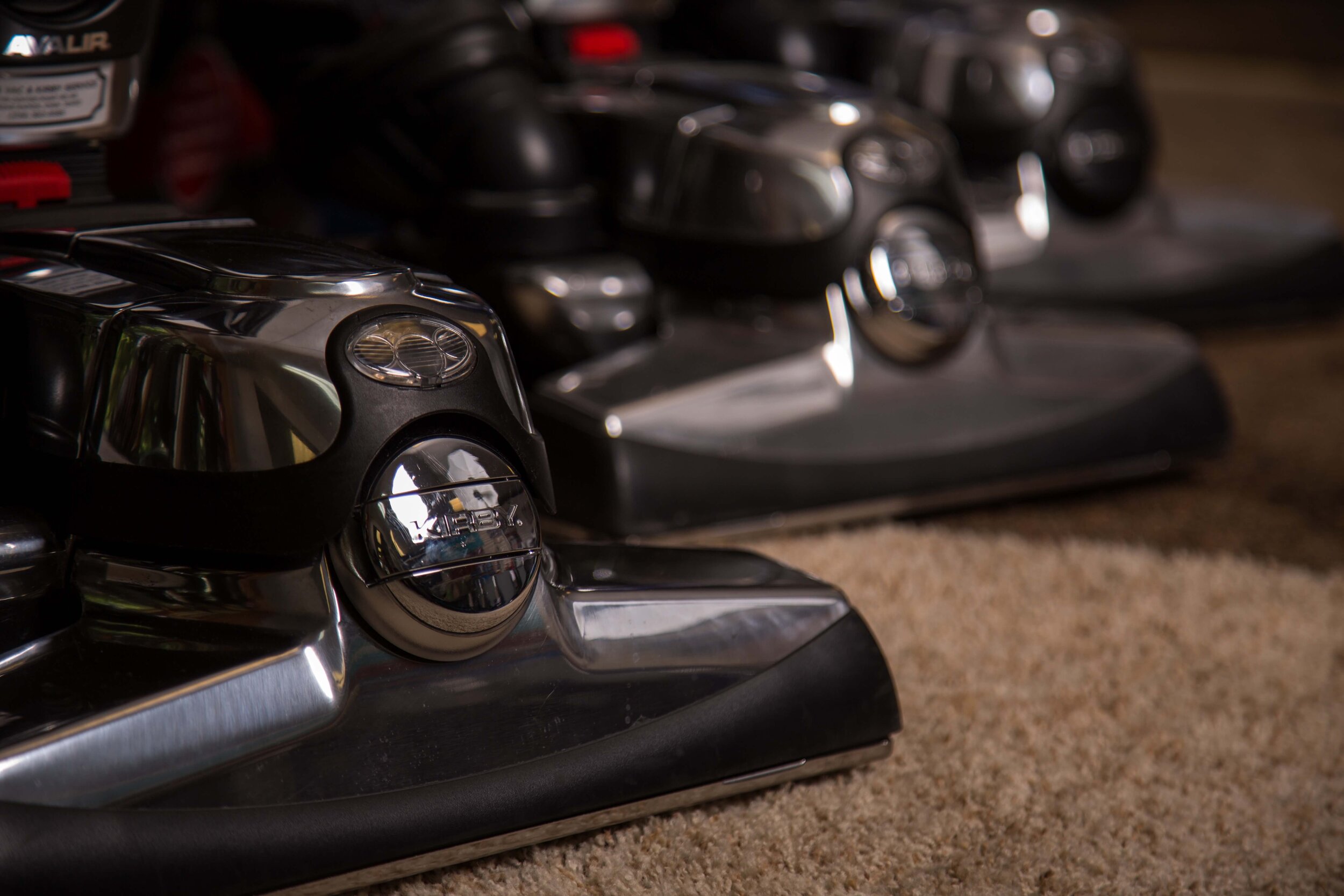
Credit: www.pjsvacuum.com
Essential Tools And Equipment
Setting up a vacuum cleaner repair shop at home needs the right tools and equipment. These tools make repairs easier and faster. They help fix different vacuum parts safely and correctly. Start with a few basic tools. Add specialized parts next. Don’t forget safety gear. It protects you during repairs.
Basic Repair Tools
Basic tools include screwdrivers, pliers, and wrenches. These help open the vacuum and adjust parts. A multimeter is useful to check electrical parts. A brush and cloth keep parts clean. Having a small flashlight helps see inside tight spaces. These tools cover most simple repairs.
Specialized Vacuum Parts And Accessories
Stock common vacuum parts like belts, filters, and bags. Different vacuum models need different parts. Buying a variety of parts saves time. Keep extra hoses and brushes. These parts wear out and need replacing often. Having them ready speeds up repairs.
Safety Gear
Wear gloves to protect your hands from sharp parts. Safety glasses shield your eyes from dust and debris. Use a dust mask to avoid breathing in dirt. Keep a first aid kit nearby. Safety gear helps prevent injuries during repairs.
Learning Vacuum Repair Skills
Learning vacuum repair skills is the first step to starting a home repair shop. These skills help you fix many vacuum problems. You save money and can help others. Gaining knowledge and practice builds your confidence. It also improves your chances of success.
Online Resources And Tutorials
The internet has many free and paid tutorials. Videos show step-by-step repair methods. Written guides explain parts and tools. Look for trusted websites and channels. They offer simple language and clear images. Use forums to ask questions and read answers. These resources fit any skill level.
Hands-on Practice Techniques
Practice is key to learning repair skills. Start with old or broken vacuums. Take them apart and study the parts. Try fixing small issues first. Use tools safely and carefully. Reassemble the vacuum and test it. Each repair teaches something new. Practice builds your speed and skill.
Common Vacuum Issues And Fixes
Learn about common vacuum problems. Clogged filters, broken belts, and weak suction happen often. Understanding these issues helps quick fixes. Replace belts and clean filters regularly. Check hoses for holes or blockages. Knowing these fixes saves time and money. This knowledge makes your repair shop reliable.
Organizing Your Shop
Organizing your vacuum cleaner repair shop at home is key to working efficiently. A neat space helps you find tools and parts fast. It also makes the repair process smoother and less stressful. Good organization saves time and improves your work quality.
Storage Solutions
Choose storage that fits your space and tools. Use shelves to keep parts visible and easy to reach. Drawers work well for small tools and screws. Clear bins help you see contents without opening them. Label everything to avoid confusion and save time.
Workstation Layout
Set up your workstation to keep tools close. A sturdy table with good lighting works best. Place frequently used tools within arm’s reach. Leave enough space to work on vacuum parts comfortably. Keep the area clean to avoid losing small items.
Inventory Management
Track your parts and supplies carefully. Use a simple list or app to record what you have. Check your stock regularly to avoid running out. Organize parts by type and size for easy access. This practice helps you plan and order parts on time.
Sourcing Replacement Parts
Sourcing replacement parts is a key step in building a vacuum cleaner repair shop at home. Good parts ensure repairs last and machines work well. Finding the right parts can save time and money. It also helps build trust with customers. Parts must fit perfectly and meet quality standards.
Knowing where to buy parts makes the repair process smooth. You need reliable suppliers who offer the parts you need. Choosing between genuine and generic parts affects repair quality and costs. Understanding these choices helps you make smart buying decisions.
Reliable Suppliers
Choose suppliers with a strong reputation for quality. Check reviews and ratings before buying. Local suppliers can offer fast delivery and easy returns. Online stores often have a wider selection and better prices. Keep a list of trusted suppliers for quick access. Building good relations with suppliers can lead to discounts and better service.
Buying Genuine Vs. Generic Parts
Genuine parts come from the original manufacturer. They fit perfectly and last longer. However, they can be more expensive. Generic parts cost less but may vary in quality. Some generic parts work well for simple repairs. Use genuine parts for key components like motors and filters. Balance cost and quality based on the repair needs.
Setting Up Pricing And Services
Setting up pricing and services is a key step in starting a vacuum cleaner repair shop at home. Clear prices help customers trust your business. Offering the right services makes your shop useful and saves time. This section explains how to set fair prices and create service packages that attract clients.
Competitive Pricing Strategies
Research local repair shops to see their prices. Match or slightly undercut prices to attract customers. Consider your costs, including parts and time. Charge enough to cover expenses and earn profit. Use simple pricing, like fixed rates for common repairs. Avoid confusing fees that may scare customers away. Offer free estimates to build trust. Keep prices fair and transparent.
Service Packages To Offer
Create packages for different repair needs. Offer a basic package for simple fixes like filter changes. Provide a standard package for motor or belt repairs. Include a full-service package for deep cleaning and parts replacement. Bundle services at a discount to encourage bigger sales. Clearly list what each package covers. Packages help customers choose easily and increase your sales.
Marketing Your Repair Shop
Marketing your vacuum cleaner repair shop is key to attracting customers. A good marketing plan helps you reach local clients and build trust. Using simple strategies can make your shop well-known in the area. Focus on clear messages and easy ways for people to contact you. The goal is to make your shop the first choice for vacuum repairs.
Building An Online Presence
Create a simple website with your shop details and services. Add clear photos and contact information. Use social media platforms to share tips and repair stories. Post regularly to keep followers interested. Ask happy customers to leave reviews online. Positive reviews increase trust and bring more clients.
Local Advertising Ideas
Print flyers and distribute them in your neighborhood. Place ads in community centers or local shops. Join local Facebook groups and share your services. Attend community events to meet potential customers. Offer small discounts or free checks to new clients. These actions help spread the word about your shop.
Customer Relationship Tips
Be polite and listen carefully to customers’ problems. Give honest advice and clear cost estimates. Follow up after repairs to ensure satisfaction. Keep a simple record of your customers’ details and service history. Offer small rewards for repeat customers. Good service builds loyalty and brings referrals.
Managing Customer Orders
Managing customer orders is key for a home vacuum cleaner repair shop. It keeps your work organized and customers happy. Clear order handling helps you finish repairs on time. It also builds trust with your clients.
Scheduling Repairs
Set specific times for each repair job. Use a calendar or planner to note appointments. Confirm dates with customers before starting work. Avoid overbooking to keep quality high. This keeps your workflow smooth and predictable.
Tracking Work Progress
Keep a simple list of all repair tasks. Mark each step as you complete it. Note any parts you need to order. This prevents delays and confusion. It helps you give accurate updates to customers.
Handling Payments
Decide on payment methods you will accept. Cash, card, or online payments work well. Explain costs clearly before starting repairs. Request payment after the job is done. Keep receipts to avoid disputes later.
Ensuring Safety And Compliance
Creating a vacuum cleaner repair shop at home needs careful attention to safety and rules. Protecting yourself and others from harm is very important. Following safety steps lowers risks and helps your shop run smoothly.
Safe work habits also keep your home environment healthy. Meeting legal rules avoids fines and problems with authorities. This section covers key safety and compliance steps for your home repair shop.
Electrical Safety Measures
Electricity can be dangerous if not handled well. Use a grounded power outlet for all tools and machines. Check cords and plugs for damage before use. Replace any frayed or broken parts immediately.
Keep water away from electrical devices to avoid shocks. Do not overload power strips or extension cords. Turn off tools when not in use. Use a circuit breaker or fuse to protect your electrical system.
Waste Disposal Practices
Dispose of vacuum parts and materials safely. Separate hazardous waste like batteries and electronic parts. Store these items in a secure container until proper disposal.
Follow local rules for recycling and trash disposal. Avoid mixing harmful chemicals with regular waste. Clean your work area often to prevent accidents. Proper waste handling protects your health and the environment.
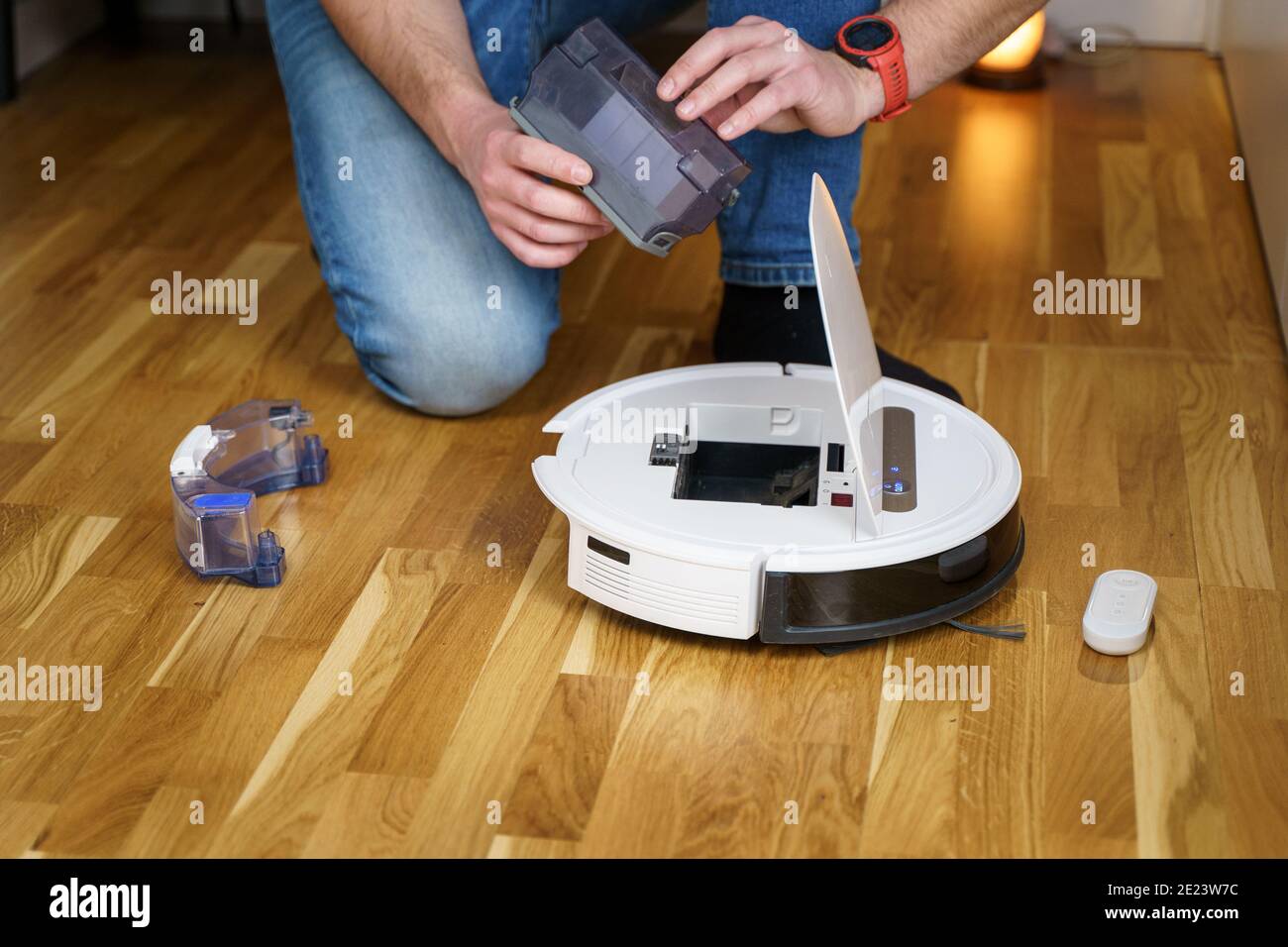
Credit: kdfoundation.org
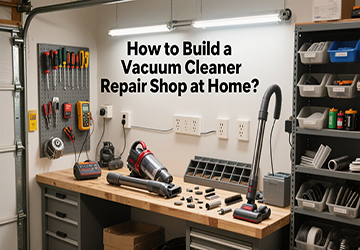
Credit: www.cleverobot.com
Frequently Asked Questions
What Tools Are Essential For A Home Vacuum Repair Shop?
Basic tools include screwdrivers, pliers, multimeter, and cleaning brushes. These help diagnose and fix common vacuum issues efficiently. Investing in quality tools improves repair accuracy and customer satisfaction.
How Much Space Do I Need To Start A Vacuum Repair Shop?
A 100-150 square feet area is ideal. It offers enough room for workbench, tools, and storage. Proper organization maximizes productivity and safety in your home workshop.
What Skills Are Required For Vacuum Cleaner Repairs?
Basic electrical knowledge, mechanical skills, and troubleshooting ability are key. Understanding different vacuum models helps in accurate diagnosis. Continuous learning ensures you keep up with new vacuum technologies.
How Can I Attract Customers To My Home Repair Shop?
Use social media, local ads, and word of mouth. Offering discounts and excellent service builds trust. Positive reviews online boost your shop’s reputation and attract more clients.
Conclusion
Starting a vacuum cleaner repair shop at home is practical and rewarding. Gather the right tools and parts first. Learn the basics of vacuum repair through videos or guides. Set a clean and organized workspace to work efficiently. Offer honest services to build trust with customers.
Keep practicing to improve your skills every day. This small business can grow steadily with patience and care. Ready to fix vacuums and help neighbors? It’s a smart way to earn money from home.
As an Amazon Associate, I earn from qualifying purchases.