Have you noticed your car running rough, idling unevenly, or losing power? These issues might be caused by a vacuum leak—a small but sneaky problem that can affect your engine’s performance and fuel efficiency.
Finding a vacuum leak in your car may seem tricky, but with the right steps, you can spot it yourself without expensive trips to the mechanic. You’ll learn simple and effective ways to detect vacuum leaks, saving you time and money while keeping your car running smoothly.
Keep reading to uncover the easy tricks every car owner should know!

Credit: www.familyhandyman.com
Signs Of A Vacuum Leak
Vacuum leaks in cars cause many problems. They affect how the engine runs and can damage parts. Knowing the signs helps you find leaks fast. Catching these signs early saves time and money.
Watch for unusual changes in your car’s behavior. These clues point to a vacuum leak. Below are common signs to check.
Engine Performance Issues
The engine may idle roughly or stall often. You might feel less power when driving. Acceleration can become slow or uneven. Fuel efficiency may drop, causing more stops at the pump.
Unusual Noises
Listen for hissing sounds under the hood. These noises come from escaping air. The sound might be steady or change with engine speed. It often means a vacuum hose is cracked or loose.
Check Engine Light
The check engine light can turn on suddenly. A vacuum leak triggers sensors to detect a problem. Use a scanner to read error codes. They guide you to the leak’s location.

Credit: www.wikihow.com
Tools Needed For Detection
Finding a vacuum leak in a car requires the right tools. These tools help spot small holes or cracks where air escapes. Using proper tools makes the job faster and easier. Some tools are simple and easy to find. Others are specialized and designed for car repairs.
Basic Tools
Start with basic tools. A flashlight helps see dark areas in the engine bay. A mechanic’s stethoscope listens for hissing sounds from leaks. A spray bottle with soapy water can show bubbles at leak points. Simple screwdrivers and pliers help remove engine covers or parts. These tools are affordable and useful for many car tasks.
Specialized Equipment
Some leaks need special tools to find. A smoke machine pumps smoke into the vacuum system. The smoke escapes from leaks, making them easy to spot. A vacuum gauge measures pressure changes in the system. This tool shows if the vacuum level is too low. Electronic leak detectors sense escaping gases. These devices offer precise and quick leak detection.
Visual Inspection Steps
Visual inspection is the first step to find a vacuum leak in your car. It helps spot obvious problems without special tools. This step saves time and guides you where to check deeper.
Start by carefully looking at parts that often develop leaks. Dirt, cracks, or loose parts can cause air to enter where it should not.
Checking Hoses And Connections
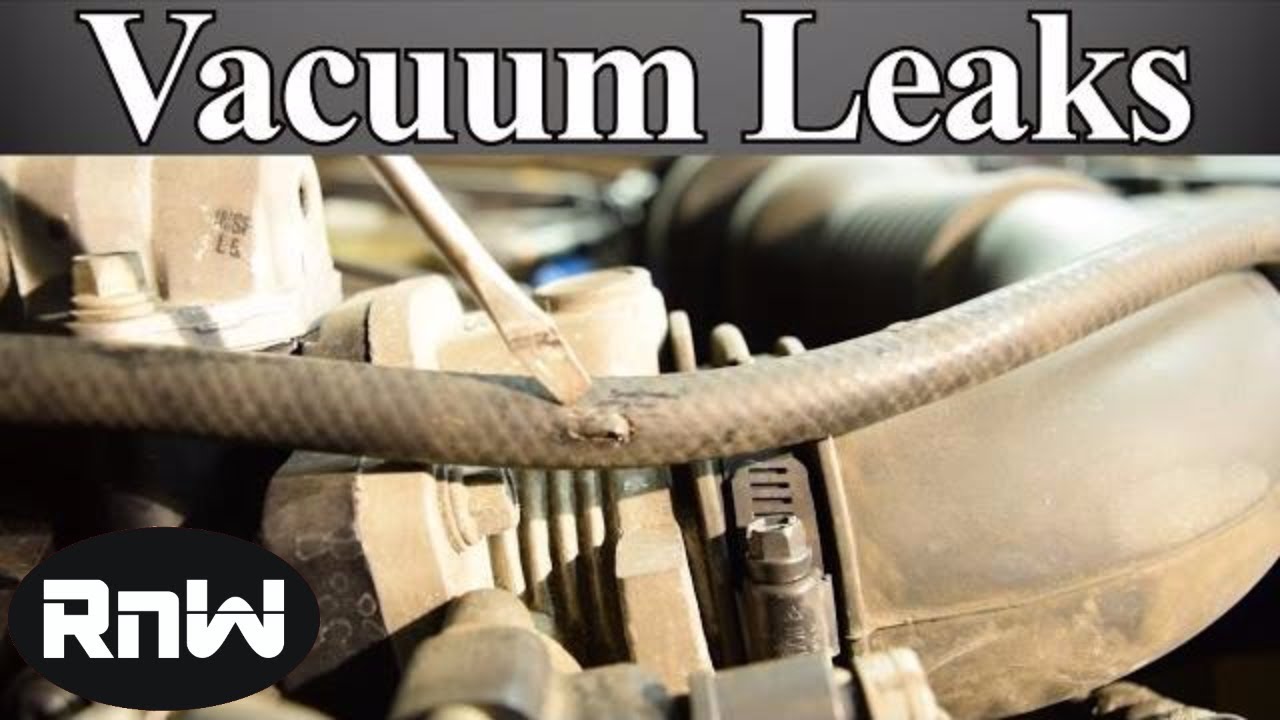
Check all vacuum hoses for cracks, holes, or wear. Squeeze hoses gently to find soft spots. Soft or brittle areas may leak air.
Look at hose connections. Make sure they are tight and secure. Loose connections let air escape and cause engine issues.
Replace any damaged hoses or fix loose clamps. Use the right size hose for each connection. A good seal stops leaks effectively.
Inspecting Intake Manifold
Look around the intake manifold for signs of leaks. Cracks or broken gaskets can let air inside.
Check for dirt or oil marks near joints. These marks may show where air escapes. Use a flashlight for a clear view.
Tighten bolts if they feel loose. Worn gaskets need replacing to stop leaks. A sealed manifold keeps engine running smoothly.
Credit: www.youtube.com
Using Soapy Water Method
The soapy water method helps find vacuum leaks quickly. It uses simple tools and clear steps. This method shows leaks by bubbles forming at the leak points. It works best on hoses and connectors around the engine.
This method is safe and does not need special equipment. Anyone can try it at home with a few easy steps. It saves time and helps avoid costly repairs.
Prepare The Soapy Water Solution
Mix water and liquid soap in a spray bottle. Use about one part soap to three parts water. Shake the bottle well to create bubbles easily. The soap makes bubbles where air escapes.
Spray The Suspected Areas
Spray the soapy water on hoses, joints, and connectors. Focus on areas where vacuum leaks often happen. Spray while the engine is running for best results. Watch closely for any bubble formation.
Look For Bubbles To Spot Leaks
Air escaping through a leak causes bubbles to form. Bubbles will appear and grow at the leak point. Small leaks create small bubbles that may move or pop. Check all sprayed areas carefully and slowly.
Fix Or Mark The Leak Location
Once bubbles appear, mark the spot with chalk or tape. Turn off the engine before touching or fixing the leak. Replace or repair the damaged hose or part. Repeat the test after the fix to confirm success.
Smoke Test Technique
The smoke test technique is a simple way to find vacuum leaks in a car. It uses smoke to spot leaks in the engine’s vacuum system. This method is safe and effective. It helps you see where air escapes from the system. You can find leaks that are hard to detect by sound or sight.
Using smoke makes the process faster. It also reduces guesswork and saves time. The smoke flows through the vacuum lines and shows any gaps or cracks. This technique works well on all car models. It is popular among mechanics and car owners alike.
What You Need For A Smoke Test
To perform a smoke test, gather a smoke machine or smoke tester. You will also need a hose to connect the machine to the vacuum system. Gloves and safety glasses protect your hands and eyes. A clean workspace with good lighting helps you see the smoke clearly. Make sure the engine is off before starting.
How To Prepare Your Car
Start by opening the hood and locating the vacuum lines. Remove any covers blocking access to these lines. Check for loose or damaged hoses before applying smoke. Seal the intake manifold or other open ports with plugs. This prevents smoke from escaping in unwanted places. Ensure all sensors and electrical parts stay dry and safe.
Performing The Smoke Test
Connect the smoke machine to the vacuum system. Turn on the machine and let smoke fill the lines. Watch carefully for smoke escaping from cracks or holes. Use a flashlight to spot small leaks more easily. Mark any leaks with chalk or tape for repair later. Turn off the machine after the test is complete.
After The Test
Remove the plugs and reattach any covers or hoses. Clean up any residue from the smoke machine. Repair or replace any damaged vacuum lines found during the test. Check the engine’s performance to see if it improves. Regular smoke tests help keep your car running smoothly.
Spray Test With Carburetor Cleaner
The spray test with carburetor cleaner is a simple way to find vacuum leaks in a car. It helps spot leaks by changing the engine’s sound and speed. This test uses carburetor cleaner spray, which is safe and easy to use. The spray enters small gaps and causes a change in engine behavior. This makes it clear where the leak is.
Prepare The Engine For Testing
Start the engine and let it run at idle speed. Make sure the engine is warm for accurate results. Turn off all accessories like air conditioning and radio. This helps hear changes clearly during the test.
Spray Around Vacuum Hoses And Intake Manifold
Spray carburetor cleaner near vacuum hoses and intake manifold. Move slowly to cover all possible leak points. Watch the engine sound and speed closely. A change means the spray is sealing a leak temporarily.
Identify And Mark Leak Locations
When the engine revs up or changes sound, stop spraying. Mark the exact spot where you sprayed last. This is likely where the vacuum leak is. Inspect the area for cracks or loose fittings.
Take Safety Precautions During The Test
Wear safety glasses and gloves to protect yourself. Spray in a well-ventilated area to avoid inhaling fumes. Keep the spray away from hot engine parts to prevent fire risk.
Repairing Common Leak Points
Repairing common vacuum leak points in a car can improve engine performance. Leaks cause rough idling, poor fuel economy, and engine stalling. Fixing these leaks helps the car run smoother and saves money on fuel and repairs.
Replacing Damaged Hoses
Hoses carry air and vacuum pressure throughout the engine. Over time, they crack or become brittle. Check hoses for cracks, holes, or soft spots. Replace any damaged hose with the correct size and type. Use clamps to secure the new hose tightly. This stops air from leaking and restores engine power.
Sealing Intake Manifold Gaskets
The intake manifold gasket seals air flow between the manifold and engine block. A worn or broken gasket causes vacuum leaks. Remove the intake manifold carefully to access the gasket. Clean the surface and install a new gasket. Tighten bolts evenly to avoid warping. This prevents air leaks and keeps the engine running properly.
Preventive Tips To Avoid Leaks
Preventing vacuum leaks helps keep your car running smoothly. Small leaks can cause big problems in engine performance. Regular care and simple checks stop leaks before they start. Follow these easy tips to protect your vehicle’s vacuum system.
Regularly Inspect Vacuum Hoses
Check vacuum hoses for cracks or wear often. Replace any hose that looks brittle or damaged. Old hoses break down and cause leaks easily. Keep hoses clean and properly connected to avoid issues.
Keep Engine Components Clean
Dirt and grime can damage seals and gaskets. Clean the engine bay regularly with a soft cloth. Avoid harsh chemicals that harm rubber parts. Clean parts hold tight seals and reduce leak chances.
Use Quality Replacement Parts
Choose good quality hoses and gaskets for repairs. Cheap parts wear out faster and cause leaks. Proper fit and material help maintain vacuum tightness. Invest in parts that last longer and fit well.
Check Engine Performance Frequently
Watch for rough idling, poor acceleration, or unusual noises. These signs may show vacuum leaks early. Address problems quickly to prevent bigger damage. Routine engine checks catch leaks in time.
Avoid Over-tightening Clamps
Clamps hold hoses securely but overtightening can cause damage. Tighten clamps just enough to hold hoses firmly. Over-tightening cracks hoses and creates leaks. Use the right tools and torque for clamps.
Frequently Asked Questions
What Are Common Signs Of A Vacuum Leak In A Car?
Common signs include rough idling, engine misfires, increased RPM, poor fuel economy, and a hissing sound near the engine. These symptoms indicate air entering the intake system where it shouldn’t, disrupting the engine’s air-fuel mixture and performance.
How Can I Detect A Vacuum Leak Without Special Tools?
Listen for hissing sounds around the engine bay and inspect vacuum hoses for cracks or disconnections. You can also spray soapy water or carb cleaner on suspected areas; bubbles or RPM changes indicate leaks.
Why Is Fixing A Vacuum Leak Important For My Car?
Fixing vacuum leaks improves engine performance, fuel efficiency, and reduces emissions. It prevents rough idling and stalling, protecting your engine from long-term damage and costly repairs.
Can A Vacuum Leak Cause The Check Engine Light To Turn On?
Yes, vacuum leaks can trigger the check engine light. The engine control unit detects abnormal air-fuel ratios and sets error codes related to air intake or sensor faults.
Conclusion
Finding a vacuum leak in your car saves money and prevents damage. Start by checking hoses and connections for cracks or loose parts. Use simple tools like soapy water or spray to spot leaks quickly. Listen for hissing sounds while the engine runs.
Fix small leaks yourself or get help for bigger issues. Regular checks keep your car running smoothly. Taking time to find leaks helps avoid costly repairs later. Keep your car healthy with easy, regular inspections.
As an Amazon Associate, I earn from qualifying purchases.