Have you ever spotted a spider in your home and reached for the vacuum, hoping it would quickly disappear? You might wonder, does vacuuming actually kill spiders, or does it just move the problem somewhere else?
Understanding what really happens when you vacuum up these creepy crawlers can change how you handle them—and keep your space spider-free. Keep reading to discover the surprising truth behind vacuums and spiders, so you can make the best choice for your home and peace of mind.
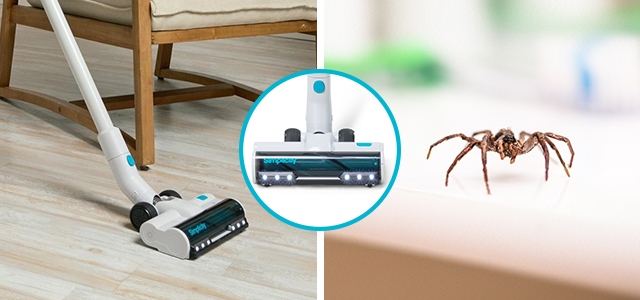
Credit: www.simplicityvac.com
Spider Behavior And Vacuum Interaction
Understanding how spiders behave around vacuums helps explain if vacuums kill spiders. Spiders sense movements and vibrations through their legs. This ability shapes their reaction to nearby threats, including vacuums. Their survival depends on quick responses to danger. Spiders use natural instincts to avoid harm from sudden noises and shaking.
How Spiders React To Vibrations
Spiders feel vibrations through tiny hairs on their legs. These signals alert them to nearby danger. Loud sounds or strong vibrations often cause spiders to freeze or run. Vacuums create strong vibrations that spiders can easily detect. Most spiders try to escape before the vacuum gets too close. Some species might stay still, hoping to avoid attention.
Escape Mechanisms Of Spiders
Spiders have fast reflexes to escape threats. They quickly run away or drop from their webs. Some spiders use silk to lower themselves to safety. Others hide in small cracks or corners. Vacuums can catch spiders if they do not move fast enough. Spiders that detect the vacuum early often avoid being sucked in. Their escape skills increase their chances of survival.
Effectiveness Of Vacuums In Killing Spiders
Vacuums are a common tool to remove spiders from homes. Many wonder if vacuums can kill spiders or just move them around. The answer depends on several factors. These include the vacuum’s suction power and the type of storage inside the vacuum. Understanding these can help decide if vacuuming is a good spider control method.
Vacuum Suction Power And Spider Survival
Suction power plays a big role in killing spiders. Strong suction can trap spiders tightly inside the vacuum. Weak suction may only move spiders without hurting them. Some spiders can survive if the vacuum is not powerful. They might crawl out later from the vacuum hose or container. High suction vacuums increase the chance of killing spiders on the spot.
Impact Of Vacuum Bags And Canisters
The vacuum’s storage type affects spider survival too. Vacuum bags seal spiders inside. This limits air and space, which can kill spiders faster. Canisters store spiders in a hard container. Some canisters allow spiders to hide in corners. This may let them survive longer. Emptying the vacuum immediately after use reduces spider escape risks. Bags also keep spiders trapped during disposal.
Alternatives To Using Vacuums For Spider Control
Using a vacuum to control spiders might seem quick and easy. Yet, it can harm the spider or leave its eggs behind. Many people prefer gentle methods that keep homes safe and spider-free. These methods focus on prevention and careful removal.
Natural Repellents And Deterrents
Spiders dislike certain smells. Essential oils like peppermint, eucalyptus, and tea tree can keep them away. Mix a few drops with water in a spray bottle. Spray it around windows, doors, and corners. This simple trick helps spiders avoid your space.
Other natural deterrents include vinegar and citrus peels. Wiping surfaces with vinegar or placing citrus peels near entry points can reduce spider visits. These options are safe for children and pets too.
Safe Spider Removal Techniques
Catch spiders gently using a glass and a piece of paper. Slowly place the glass over the spider. Slide the paper underneath. Carry the spider outside and release it far from your home.
Spider catchers with long handles are also useful. They allow you to reach spiders without touching them. This method avoids harming the spider and keeps you safe.

Credit: www.ecovacs.com
Common Myths About Vacuums And Spiders
Many people believe vacuums kill spiders instantly. Others think vacuums harm spiders badly. These ideas are common myths. They cause confusion about using vacuums for spider control. Understanding the truth helps handle spiders better.
Do Vacuums Instantly Kill Spiders?
Vacuums do not always kill spiders right away. The suction may stun or trap them. Some spiders survive inside the vacuum bag or canister. They might crawl out later if the vacuum is not emptied quickly. Killing spiders depends on vacuum power and spider size.
Spiders And Vacuum Damage
Spiders can sometimes survive the vacuum’s damage. Their hard exoskeleton protects them from injury. The vacuum may cause harm but not always death. Some spiders stay alive after being sucked up. This means vacuums are not a perfect spider killer.
Tips For Preventing Spider Infestations
Preventing spider infestations starts with simple steps. Taking care of your home and surroundings lowers spider visits. Small changes can make a big difference. Here are effective tips to keep spiders away.
Home Maintenance Strategies
Seal cracks and gaps in walls and windows. Spiders enter homes through tiny openings. Keep doors and windows tightly closed or use screens. Regularly clean corners, under furniture, and dark places. Remove spider webs as soon as you see them. Declutter storage areas to reduce hiding spots. Fix leaks and reduce moisture to stop spider attraction. Vacuum regularly to remove spiders and eggs.
Environmental Factors To Consider
Keep outdoor lights off or use yellow bulbs to avoid attracting insects. Spiders follow their prey, so fewer bugs mean fewer spiders. Trim plants and bushes away from your house walls. Avoid piling wood or debris near your home. Store firewood away from the house and off the ground. Maintain dry soil and avoid excess watering near the foundation. These steps reduce spider habitats around your home.
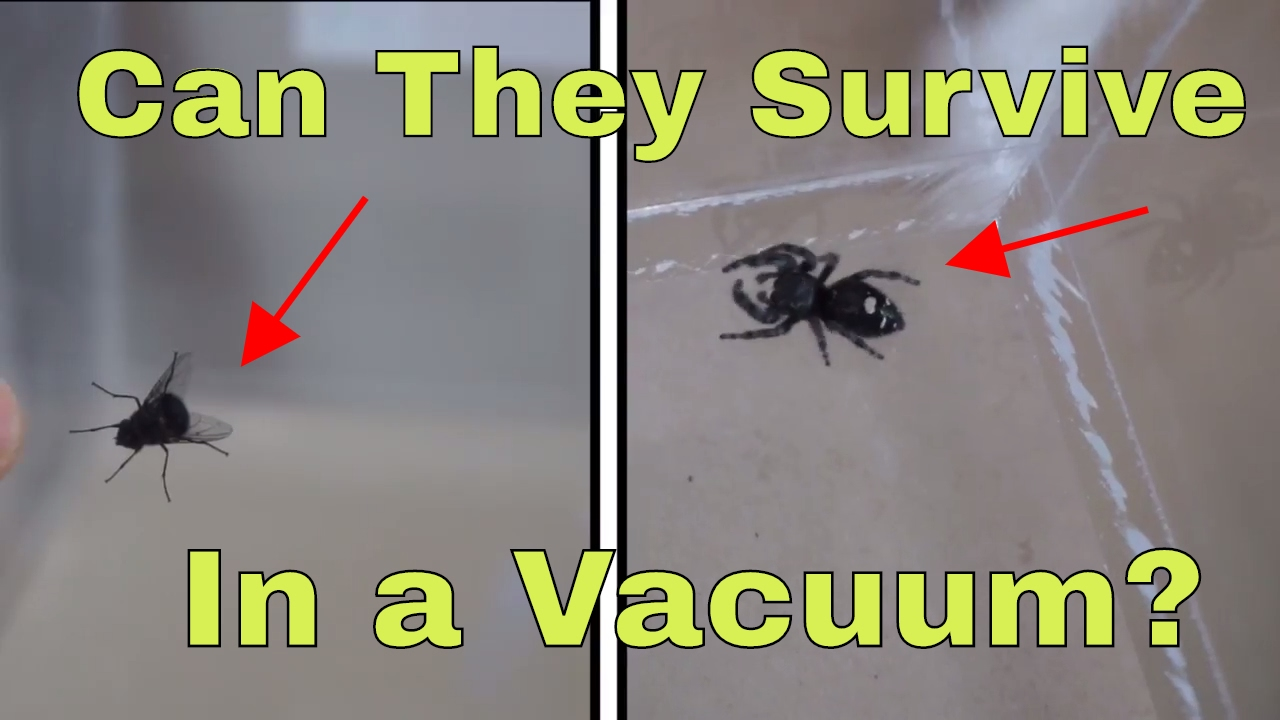
Credit: www.youtube.com
Frequently Asked Questions
Do Vacuums Actually Kill Spiders Instantly?
Vacuums rarely kill spiders instantly. Most spiders survive the suction and get trapped inside. Some may die later due to dehydration or injury.
Can Vacuuming Remove Spider Eggs Effectively?
Vacuuming can remove spider eggs but may not destroy them. Eggs might survive inside the vacuum bag or canister, risking re-infestation.
Is Vacuuming Spiders A Humane Control Method?
Vacuuming spiders is less cruel than squashing. It traps them quickly, but it doesn’t guarantee immediate death, which may cause prolonged suffering.
Should I Use A Vacuum Or Pesticides For Spider Control?
Vacuuming is a chemical-free option for spider removal. Pesticides kill instantly but may pose health risks. Vacuuming is safer for indoor use.
Conclusion
Vacuums can remove spiders quickly from your home. Some spiders may survive the vacuum’s suction. Using a vacuum does not always kill spiders instantly. It helps keep your space clean and spider-free. For best results, empty the vacuum bag or canister outside.
This stops spiders from coming back inside. Remember, spiders play a role in controlling other pests. Vacuuming is a simple, safe way to manage spiders indoors. Choose the method that feels right for you and your home.
As an Amazon Associate, I earn from qualifying purchases.