Have you noticed your car running rough or losing power? A vacuum leak could be the hidden problem causing these issues.
Detecting a vacuum leak early can save you money and prevent more serious damage. You’ll learn simple and effective ways to find that sneaky leak in your car’s system. By the end, you’ll feel confident tackling this problem yourself or knowing exactly what to tell your mechanic.
Keep reading to protect your car and keep it running smoothly.

Credit: www.familyhandyman.com
Signs Of A Vacuum Leak
Detecting a vacuum leak early helps avoid bigger car problems. A vacuum leak changes how your engine works. It causes unusual symptoms that you can notice. Watch for these signs to find a leak fast.
Engine Performance Issues
Your car may lose power or run rough. Idling might become unstable or the engine may stall. Fuel efficiency often drops with a vacuum leak. The engine can hesitate or jerk during acceleration. These problems show the engine is not getting proper air-fuel mix.
Unusual Noises
A hissing or whistling sound near the engine means air is escaping. These noises often come from cracks or loose hoses. The sound may change with engine speed. Listen closely around the intake manifold and vacuum lines.
Check Engine Light Indicators
The check engine light can turn on due to a vacuum leak. Sensors detect incorrect air flow or engine misfires. A trouble code related to air intake or emissions might appear. Use a scanner to read codes and confirm the leak.
Tools Needed For Detection
Detecting a vacuum leak in a car needs the right tools. These tools help find leaks fast and safely. Some tools are simple and easy to use. Others need more skill and technology. Knowing what tools to use makes the job easier. It saves time and prevents damage to the engine.
Basic Equipment
Start with a few simple tools. A flashlight helps see inside the engine area. A mirror lets you check hard-to-see spots. A spray bottle with soapy water shows leaks by bubbling. A hand-held vacuum gauge measures vacuum pressure. These tools cost little and are easy to handle. Most car owners can use them for quick checks.
Advanced Diagnostic Tools
Advanced tools give more detailed information. A smoke machine pumps smoke into the vacuum system. It shows leaks by smoke escaping from cracks. An OBD-II scanner reads engine error codes. It can point to vacuum problems. Ultrasonic leak detectors hear sounds from small leaks. These tools need some experience to use correctly. They are common in professional auto repair shops.
Visual Inspection Techniques
Visual inspection is the first step to find vacuum leaks in your car. It helps spot obvious problems fast. You do not need special tools. Just look carefully under the hood. Check for broken or loose parts that should be tight.
Take your time. A slow, careful check often finds hidden leaks. Focus on places where air flows through hoses or the engine. Look for cracks, splits, or disconnected pieces. Dirt or grease marks can also show leaks.
Checking Hoses And Connections
Start by examining all vacuum hoses. These are usually small rubber tubes. Look for cracks, holes, or soft spots. Squeeze the hoses gently to check for brittleness. Old hoses can break easily.
Check hose connections too. Make sure clamps are tight and hoses fit well. A loose hose can let air in and cause leaks. Replace any damaged hoses or worn clamps right away.
Inspecting The Intake Manifold
The intake manifold directs air into the engine. It has many gaskets and seals. Look closely around the manifold edges for cracks or broken seals. Dirt or oil stains near these areas may show leaks.
Use a flashlight to see hard-to-reach spots. Tap gently on the manifold to hear for loose parts. Any unusual gaps or broken parts need repair. A good seal here is important for engine health.
Using Soapy Water Method
The soapy water method is a simple way to find vacuum leaks in a car. It uses a mixture of soap and water to spot air escaping from cracks or holes. This method helps you see leaks that are too small to hear or smell.
You only need a few household items to start. The process is safe and does not require special tools. It works well on hoses, fittings, and joints in the vacuum system.
Preparing The Solution
Mix dish soap with water in a spray bottle or bowl. Use about one part soap to three parts water. Stir or shake the mixture gently to form bubbles. The solution should be soapy but not too thick.
Use warm water for better soap mixing. Avoid strong detergents that can harm rubber parts. Prepare enough solution to cover all suspected areas.
Applying And Observing Bubbles
Spray or brush the soapy water onto vacuum hoses and connectors. Focus on areas where cracks or damage look possible. Watch closely for small bubbles forming on the surface.
Bubbles show where air leaks out from the system. The bigger or more bubbles, the larger the leak. Repeat the process around the engine bay as needed.
Clean off the soapy water after testing. Do not start the car until the solution dries. This method helps find leaks without expensive tools or guesswork.
Smoke Test Method
The smoke test method helps find vacuum leaks quickly and clearly. It uses smoke to show where air escapes in your car’s system. This method is safe and very effective. Mechanics often prefer it because it finds leaks that are hard to see by eye.
The smoke fills the hoses and parts of the engine. Smoke escaping from cracks shows where the leak is. This method works on many types of engines and vacuum systems.
Setting Up The Smoke Machine
First, connect the smoke machine to the vacuum line. Make sure the engine is off and cooled down. Attach the machine’s hose to a vacuum port or intake manifold. Seal any open ports on the engine to keep smoke inside.
Turn on the smoke machine. It will start producing thick smoke. Let the smoke fill the vacuum system for a few minutes. Watch the engine area carefully as smoke spreads.
Interpreting Smoke Patterns
Look for smoke coming out from hoses or engine parts. Smoke near a gasket or hose connection means a leak is there. Small bubbles or puffs of smoke show minor leaks. Large smoke clouds mean bigger leaks.
Check around the intake manifold, vacuum hoses, and throttle body. Smoke escaping at these points means repair is needed. Use a flashlight to see smoke better in dark areas.
Credit: www.youtube.com
Propane Or Carb Cleaner Test
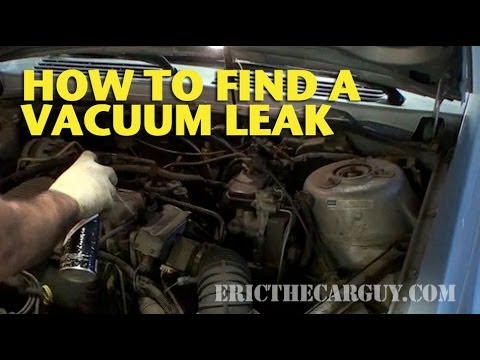
The Propane or Carb Cleaner Test helps find vacuum leaks in cars. This test uses propane gas or carburetor cleaner spray to spot leaks. Both substances affect the engine’s idle speed when they enter through a leak. Mechanics use this test because it is quick and effective. It shows where unwanted air enters the engine, causing rough running or poor performance.
Safety Precautions
Work in a well-ventilated area to avoid gas buildup. Keep a fire extinguisher nearby for emergencies. Avoid sparks, flames, or smoking while testing. Wear gloves and eye protection to stay safe. Turn off the engine before applying carb cleaner. Use propane carefully and in small amounts only. Read product labels for specific warnings and instructions.
How To Apply And Detect Changes
Start the engine and let it run at idle speed. Spray carb cleaner slowly near vacuum hoses and intake areas. For propane, use a small nozzle and direct gas near suspected leaks. Watch the engine speed as you apply the spray or gas. An increase in idle speed signals a vacuum leak. Move the spray or propane around until you find the exact spot. Stop spraying once you detect a change to avoid damage.
Fixing Common Vacuum Leaks
Fixing common vacuum leaks is key to keeping your car running well. Leaks cause rough idling, poor fuel economy, and engine problems. Simple repairs often stop these issues fast.
Most vacuum leaks happen in hoses or where parts connect. Fixing these problems can be done with basic tools and parts from an auto store. Start by checking the hoses and seals closely.
Replacing Damaged Hoses
Damaged hoses cause air to enter where it should not. Look for cracks, holes, or soft spots. Remove the old hose carefully. Match a new hose of the same size and type. Cut it to the right length. Attach it firmly to avoid future leaks.
Use clamps if needed to hold the hose tight. Test the car after replacement to ensure the leak is fixed. Regular hose checks prevent bigger problems later.
Sealing Cracks And Gaps
Cracks and gaps appear around fittings and connections. Clean the area to remove dirt and oil. Use a high-quality sealant made for engines. Apply it evenly over the crack or gap. Let it dry fully before starting the engine.
For small gaps, special tape can also work well. Avoid over-tightening parts as this can cause new cracks. Check sealed areas often to catch leaks early.

Credit: www.wikihow.com
Preventive Maintenance Tips
Preventing vacuum leaks starts with good maintenance habits. Small issues can turn into costly repairs. Keeping your car in top shape helps avoid vacuum leaks and other engine problems.
Consistent care improves your car’s performance. It also extends the life of the engine. Follow these simple tips to catch problems early and keep your vehicle running smoothly.
Regular Inspections
Check vacuum hoses for cracks or loose connections often. Look under the hood for signs of wear or damage. Use a flashlight to see hard-to-reach spots. Replace old or brittle hoses quickly to stop leaks.
Listen for hissing sounds while the engine runs. This noise can mean air is escaping. Smell for unusual odors near the engine. These clues help find vacuum leaks fast.
Proper Engine Care
Change the engine oil and air filter on time. Clean filters help the engine breathe better. Dirty filters may cause rough idling and leaks. Keep the throttle body clean to avoid buildup.
Maintain the engine’s cooling system to prevent heat damage. Overheating can crack vacuum lines and parts. Use recommended fluids and check fluid levels regularly. Proper care keeps your engine strong and leak-free.
Frequently Asked Questions
What Are Common Signs Of A Vacuum Leak In A Car?
Common signs include rough idling, engine stalling, poor fuel economy, and a check engine light. You may also notice a hissing sound under the hood.
How Can I Visually Inspect For Vacuum Leaks?
Look for cracked or disconnected vacuum hoses, loose fittings, and damaged intake manifold gaskets. Use a flashlight to spot any obvious wear or damage.
Can A Smoke Test Detect Vacuum Leaks Effectively?
Yes, a smoke test is a reliable method. It introduces smoke into the vacuum system, revealing leaks by visible smoke escaping from damaged areas.
How Does A Vacuum Leak Affect Car Performance?
A vacuum leak disrupts the air-fuel mixture, causing rough idle, decreased power, and increased emissions. It can also trigger the check engine light.
Conclusion
Detecting a vacuum leak helps keep your car running well. Small leaks can cause big engine problems. Use simple tools like soapy water or a smoke tester. Listen for hissing sounds near hoses and connections. Fix leaks quickly to save money on repairs later.
Regular checks improve fuel efficiency and engine power. Taking time to inspect your car is worth it. Stay safe and enjoy a smooth drive every time.
As an Amazon Associate, I earn from qualifying purchases.