
Are you wondering how long vacuum sealed meat can stay fresh in your freezer? You’re not alone.
Knowing the exact storage time can save you money, prevent food waste, and keep your meals safe and tasty. Imagine opening your freezer and finding perfectly preserved meat ready to cook anytime you want. You’ll discover clear answers and practical tips that make your freezer work smarter for you.
Keep reading to unlock the secrets of vacuum sealed meat storage and enjoy fresh, delicious meals without the guesswork.

Credit: www.foodsaver.com
Vacuum Sealing Basics
Vacuum sealing is a simple way to keep meat fresh longer in the freezer. It removes air from the package and seals it tightly. This process helps slow down spoilage and freezer burn. Knowing the basics of vacuum sealing helps you store meat safely and save money.
How Vacuum Sealing Works
Vacuum sealing uses a machine to suck air out of a plastic bag. The bag then seals shut, stopping air from getting inside. Without air, bacteria and mold cannot grow quickly. This keeps meat fresher for a longer time. The tight seal also stops moisture loss and freezer burn.
Benefits For Meat Preservation
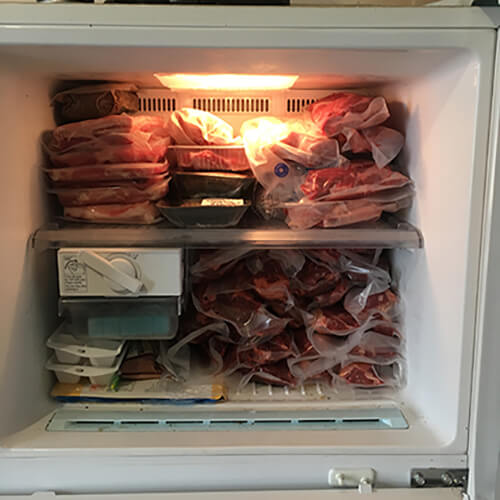
Vacuum sealing keeps meat fresh and tasty longer than regular storage. It protects meat from freezer burn and dehydration. The sealed package slows down oxidation, which causes spoilage. This method also saves space in the freezer. You can store large amounts of meat safely and reduce waste.
Credit: www.foodvacuumsealers.com.au
Freezer Storage Times
Freezer storage times help keep vacuum sealed meat safe and tasty. Freezing slows down bacteria and mold growth. It also stops meat from spoiling quickly. However, each type of meat lasts a different time in the freezer. Knowing these times prevents waste and foodborne illness.
Vacuum sealing removes air and protects meat from freezer burn. This method extends the meat’s shelf life compared to regular freezing. Still, keeping track of storage times is important for the best quality.
Beef Shelf Life
Vacuum sealed beef can last 1 to 3 years in the freezer. Steaks and roasts keep their flavor and texture longer. Ground beef lasts about 1 year. Beyond these times, the meat may lose taste or become dry.
Pork Shelf Life
Pork stored in vacuum sealed bags stays good for 1 to 2 years. Chops and roasts hold quality better than ground pork. After this period, pork may develop off flavors or freezer burn.
Poultry Shelf Life
Vacuum sealed poultry lasts 1 to 2 years in the freezer. Whole chickens keep well up to 2 years. Cuts like breasts and thighs are best used within 1 year. Freezing longer can affect texture and taste.
Seafood Shelf Life
Seafood is more delicate and has a shorter freezer life. Vacuum sealed fish lasts 6 to 12 months. Shellfish like shrimp or scallops keep about 3 to 6 months. Use seafood soon after these times for best freshness.
Factors Affecting Shelf Life
Several factors affect how long vacuum sealed meat lasts in the freezer. These factors influence the meat’s freshness, taste, and safety. Understanding them helps keep your meat in the best condition for longer.
Meat Quality Before Sealing
Fresh, high-quality meat lasts longer in the freezer. Meat with damage or spoilage starts to decay faster. Always choose fresh meat with no discoloration or bad smell. Proper handling before sealing is important. Clean and dry the meat to avoid bacteria growth.
Freezer Temperature
Freezer temperature plays a key role in preserving meat. The ideal temperature is 0°F (-18°C) or lower. Higher temperatures cause slow spoilage and freezer burn. Keep the freezer steady and avoid frequent door opening. Consistent cold temperature extends the shelf life of vacuum sealed meat.
Sealing Technique
Correct sealing removes air and prevents freezer burn. Use a good quality vacuum sealer for tight seals. Avoid wrinkles or holes in the bag. Poor sealing lets air in, reducing shelf life. Double sealing offers extra protection for long storage.
Signs Of Spoiled Meat
Knowing the signs of spoiled meat is important. It helps you avoid eating bad meat that can make you sick. Spoiled meat shows clear changes in how it looks, smells, and feels. These signs tell you if the meat is no longer safe to eat.
Visual Changes
Fresh vacuum sealed meat has a bright, natural color. Spoiled meat often turns gray, green, or brown. Look for any slimy or sticky film on the surface. Dark spots or mold growth also mean the meat is bad. Clear vacuum bags may show these changes easily.
Texture And Smell
Good meat feels firm and slightly moist. Spoiled meat feels slimy, sticky, or tacky. Press the meat gently to check its texture. Fresh meat has a mild, clean smell. Spoiled meat smells sour, rancid, or rotten. Strong bad odors mean the meat is unsafe.
Taste Indicators
Tasting meat is risky if you suspect spoilage. Spoiled meat tastes sour or bitter. It may have a strange metallic or chemical flavor. Never swallow meat that tastes off. Spit it out immediately and discard the meat to avoid illness.
Tips For Best Results
Vacuum sealing meat extends its freezer life by preventing air exposure. To keep meat fresh and tasty, follow some simple tips. These tips help keep quality and avoid waste. Proper handling before and after sealing is key.
Small steps make a big difference in how long your meat stays good. Learn how to portion, label, and thaw meat safely. This ensures you get the best results from vacuum sealing.
Proper Portioning
Divide meat into meal-sized portions before sealing. This stops you from thawing more than needed. Smaller portions freeze and thaw faster. It also helps keep meat fresh longer. Avoid resealing meat multiple times to reduce freezer burn risk.
Labeling And Dating
Write the date and type of meat on each package. Use a permanent marker for clear labels. This helps track storage time easily. Knowing the date prevents keeping meat too long. It also aids in using older meat first.
Safe Thawing Methods
Thaw vacuum-sealed meat in the refrigerator. This keeps the meat at a safe temperature. Avoid thawing at room temperature to stop bacteria growth. You can also thaw meat in cold water, changing the water often. Cook meat immediately after thawing for best safety.
Credit: www.foodsaver.ca
Comparing Vacuum Sealed And Non-sealed Meat
Comparing vacuum sealed and non-sealed meat helps understand storage benefits. Both methods keep meat cold, but they differ in protection and freshness. Knowing these differences helps choose the best way to store meat safely.
Shelf Life Differences
Vacuum sealed meat lasts much longer in the freezer than non-sealed meat. The air removal slows down freezer burn and spoilage. Non-sealed meat can last a few months before quality drops. Vacuum sealed meat can last up to two or three years.
Quality Retention
Vacuum sealing keeps meat color and texture better. It blocks air and moisture that cause freezer burn. Non-sealed meat often develops ice crystals and loses flavor. Vacuum sealed meat stays fresher and tastier for longer.
Cost And Convenience
Vacuum sealing requires special bags and a machine. This adds a small upfront cost. Non-sealed meat uses simple plastic wrap or bags. Vacuum sealed packs save space and reduce waste. They also make portioning and thawing easier.
Common Mistakes To Avoid
Vacuum sealing meat helps keep it fresh longer in the freezer. Yet, many make common errors that reduce its shelf life. Avoid these mistakes to keep your meat safe and tasty.
Improper Sealing
Sealing bags incorrectly lets air in. Air causes freezer burn and spoils meat faster. Check for tight seals and no wrinkles. Use a good vacuum sealer for best results. Always remove as much air as possible.
Freezer Burn Risks
Freezer burn happens when meat dries out. It changes texture and taste. It occurs if packaging is damaged or not airtight. Wrap meat tightly before vacuum sealing. Store meat away from freezer walls to avoid temperature changes.
Ignoring Expiry Guidelines
Vacuum sealing does not stop meat from spoiling forever. Follow recommended freezing times for each meat type. Label bags with dates before freezing. Use older meat first to reduce waste and risk.
Frequently Asked Questions
How Long Does Vacuum Sealed Meat Last In The Freezer?
Vacuum sealed meat can last 2 to 3 years in the freezer. Proper sealing and consistent freezing maintain its quality and safety. This method prevents freezer burn and bacterial growth, extending shelf life significantly compared to regular storage.
Does Vacuum Sealing Prevent Freezer Burn Completely?
Vacuum sealing greatly reduces freezer burn by removing air. However, slight freezer burn can still occur if packaging is damaged or freezer temperature fluctuates. Proper sealing and storage practices minimize the risk and maintain meat quality longer.
Can You Freeze Vacuum Sealed Meat More Than Once?
It is not recommended to refreeze vacuum sealed meat. Refreezing can affect texture and flavor and increases the risk of bacteria. For best quality, thaw meat in the refrigerator and cook it before refreezing.
What Types Of Meat Freeze Best When Vacuum Sealed?
Beef, pork, chicken, and fish freeze well when vacuum sealed. Fatty cuts may last slightly less due to oxidation risks. Vacuum sealing preserves moisture and flavor, making it ideal for most fresh meats.
Conclusion
Vacuum sealing helps meat last longer in the freezer. It slows down freezer burn and keeps freshness. Most vacuum sealed meat stays good for one to three years. Always check for any signs of spoilage before cooking. Proper sealing and freezing temperatures matter a lot.
Keep your freezer at or below 0°F (-18°C). This way, your meat stays safe and tasty. Store meat properly to reduce waste and save money. Enjoy your meals with better quality and less hassle.
As an Amazon Associate, I earn from qualifying purchases.