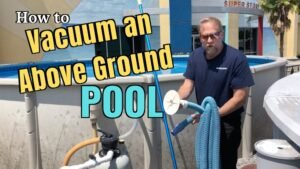
Are you tired of seeing leaves, dirt, and debris settle at the bottom of your swimming pool? Keeping your pool clean can feel like a big task, but vacuuming it properly makes a huge difference.
You might wonder, “How do I vacuum my swimming pool the right way? ” This guide will walk you through simple steps that anyone can follow, saving you time and effort. By the end, you’ll know exactly how to make your pool sparkle and enjoy crystal-clear water all season long.
Let’s dive in and get your pool looking its best!
Credit: www.youtube.com
Choosing The Right Vacuum
Choosing the right vacuum is key to keeping your pool clean and clear. The right tool saves time and effort. It also protects your pool’s surface. Different vacuums work better for different pools and budgets. Understanding your options helps you pick the best one.
Types Of Pool Vacuums
There are several types of pool vacuums. Suction-side vacuums attach to your pool’s skimmer or dedicated suction line. They use the pool pump to create suction and pull debris. Pressure-side vacuums connect to the return jet and use water pressure to move and collect dirt. Robotic vacuums operate independently, powered by electricity. Each type cleans in a unique way and suits different pools.
Manual Vs Automatic Options
Manual vacuums need you to push and guide them around the pool. They are affordable and let you control the cleaning. Automatic vacuums work on their own, covering the pool floor and walls. They save time and effort but cost more. Choose manual for small pools or tight budgets. Pick automatic for large pools or less work.
Factors To Consider
Pool size affects the vacuum choice. Larger pools benefit from automatic models. Pool shape matters too. Irregular shapes need flexible or manual vacuums. Your budget limits the options. Manual vacuums cost less upfront. Automatic ones require more investment but save energy. Also, check the vacuum’s compatibility with your pool type. Some vacuums work better on concrete, others on vinyl or fiberglass.
Credit: www.swimmingpool.com
Preparing Your Pool
Preparing your pool before vacuuming is crucial. It makes the cleaning process easier and more effective. Taking the right steps helps keep your pool water clear and safe. Follow these simple actions to get started.
Removing Large Debris
Start by skimming the pool surface with a net. Remove leaves, twigs, and bugs. Large debris can block your vacuum and filter. Clearing this first saves time and effort later.
Checking Water Chemistry
Test your pool water using a kit. Check pH, chlorine, and alkalinity levels. Balanced water protects your pool and equipment. Adjust chemicals if needed before vacuuming.
Setting Up Equipment
Gather your vacuum, hose, and pole. Connect the hose to the vacuum head and pump. Make sure the pump is off while setting up. This prevents air from entering the system.
Connecting The Vacuum
Connecting the vacuum is an important step in cleaning your swimming pool. It helps remove dirt and debris from the pool floor. Proper connection ensures the vacuum works well and cleans efficiently.
Attaching The Hose
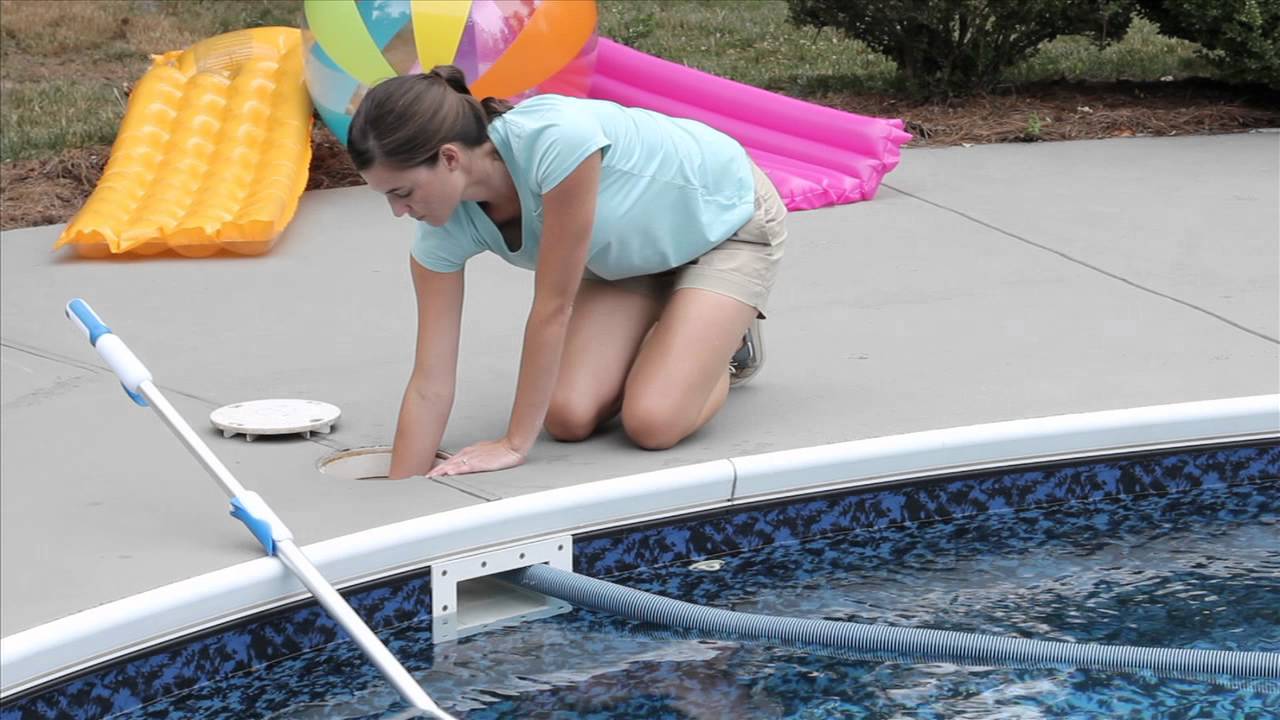
Start by attaching one end of the hose to the vacuum head. Make sure it fits tightly to prevent leaks. Then, connect the other end to the telescopic pole. This setup allows easy movement across the pool surface.
Securing The Vacuum Head
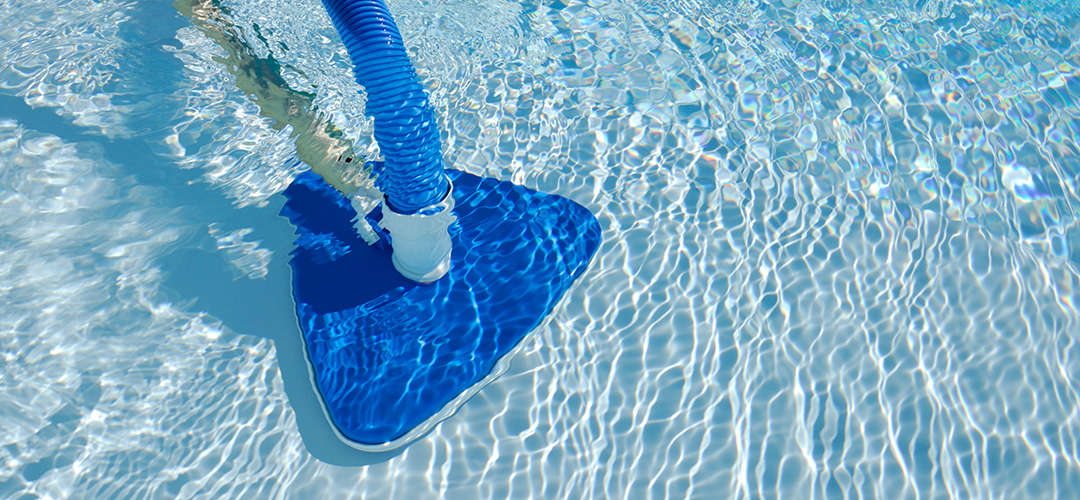
Place the vacuum head flat on the pool floor. Check that it sits evenly to pick up dirt well. Hold the pole firmly for better control during cleaning. A secure vacuum head makes cleaning easier and faster.
Priming The System
Before vacuuming, prime the hose to remove air. Submerge the hose fully in the pool water. This fills it with water and prevents air pockets. Connect the hose to the pool’s skimmer or suction port. A primed system improves suction and cleaning power.
Vacuuming Techniques
Vacuuming a swimming pool requires specific techniques to clean it thoroughly. Proper methods ensure dirt and debris are removed without damaging the pool surface. Use steady, careful movements and follow a plan to cover every part of the pool. Avoid mistakes that waste time or cause damage.
Slow And Steady Movements
Move the vacuum head slowly across the pool floor. Quick movements can stir up dirt and make cleaning harder. Keep the vacuum close to the surface to pick up debris well. Take your time to allow the vacuum to work efficiently.
Covering All Areas
Divide the pool into sections and clean each one carefully. Start from the shallow end and work toward the deep end. Don’t skip corners or steps, as dirt often collects there. Overlap your vacuum paths slightly to avoid missing spots.
Avoiding Common Mistakes
Do not rush or vacuum too fast. Avoid lifting the vacuum head off the pool floor during cleaning. Check the filter and pump often to keep them working well. Prevent tangling the vacuum hose by moving it gently and steadily.
Maintaining The Vacuum System
Maintaining the vacuum system keeps your pool clean and extends the life of your equipment. Regular care helps the vacuum work well every time. Small tasks done often prevent big problems later.
Cleaning The Filter
Filters catch dirt and debris from the pool water. Clean the filter after each vacuum session. Rinse it with a hose or follow the manufacturer’s instructions. A clean filter improves suction and water flow.
Inspecting Hoses And Connections
Check hoses for cracks, holes, or leaks. Ensure all connections are tight and secure. Replace damaged hoses quickly to avoid loss of suction. Good seals keep the vacuum system working properly.
Storing Equipment Properly
Store the vacuum and its parts in a dry, shaded place. Avoid leaving equipment in direct sunlight or wet areas. Proper storage prevents damage and keeps parts ready for the next use.

Credit: www.youtube.com
Tips For Sparkling Water
Keeping your pool water clear and sparkling takes more than just vacuuming. A few smart habits help maintain crystal-clear water. These tips ensure your pool stays inviting and healthy.
Regular Vacuuming Schedule
Vacuum your pool at least once a week. This removes dirt and debris that cloud the water. Focus on corners and steps where dirt collects. A regular schedule stops buildup before it starts. It keeps water looking fresh and clean.
Balancing Pool Chemicals
Test your pool water often. Keep chemicals like chlorine and pH in the right range. Balanced water prevents algae and bacteria growth. It also protects your pool equipment. Use simple test kits for quick checks. Adjust chemicals as needed to keep water safe.
Using Pool Covers
Cover your pool when not in use. Covers block leaves, dust, and bugs from falling in. They reduce water evaporation and keep chemicals stable. Using a cover means less cleaning and fewer chemicals. It helps your pool stay cleaner longer.
Frequently Asked Questions
How Often Should I Vacuum My Swimming Pool?
Vacuum your pool at least once a week during heavy use. Regular vacuuming removes debris and prevents algae growth, keeping water clear. Adjust frequency based on weather and pool usage to maintain cleanliness and prevent damage.
What Equipment Do I Need To Vacuum A Pool?
You need a telescopic pole, vacuum head, vacuum hose, and a pool pump. These tools work together to clean debris from the pool floor effectively.
Can I Vacuum My Pool While The Pump Is Off?
No, always vacuum with the pool pump running. The pump creates suction that pulls debris into the filter, ensuring efficient cleaning and preventing dirt from settling back.
What’s The Best Technique To Vacuum A Swimming Pool?
Use slow, overlapping strokes to cover the entire pool floor evenly. Move the vacuum head steadily to avoid stirring debris, ensuring thorough and efficient cleaning.
Conclusion
Vacuuming your pool keeps it clean and safe to swim. Regular cleaning removes dirt and debris from the water. Using the right tools makes the job easier and faster. Remember to move the vacuum slowly to catch all particles. Clean your pool filter after vacuuming to keep it working well.
A clean pool looks inviting and helps prevent algae growth. Take time to vacuum regularly for the best results. Your pool will stay fresh and enjoyable all season long. Simple steps, big difference.
As an Amazon Associate, I earn from qualifying purchases.