You’ve carefully vacuum sealed your meat to keep it fresh longer. But how do you know if it’s still safe to eat?
Sometimes, even vacuum-sealed meat can go bad without obvious signs. If you don’t want to risk your health or ruin a meal, it’s important to spot the warning signs early. In this guide, you’ll learn simple, clear ways to tell if your vacuum-sealed meat has spoiled—before it’s too late.
Keep reading to protect yourself and your family from foodborne illness.
Appearance Changes
Appearance changes are one of the first signs that vacuum sealed meat may be bad. The look of the meat can tell a lot about its freshness. Changes in color, texture, or the presence of mold are clear signals to watch for. These visual clues help decide if the meat is safe to eat or should be thrown away.
Color Shifts
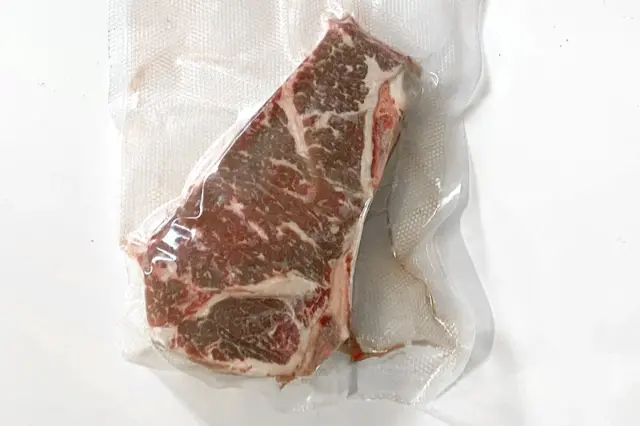
Fresh vacuum sealed meat usually has a bright, natural color. Beef looks red, pork is pink, and chicken is pale pink or white. If the color turns gray, green, or brown, it may be spoiled. Dark spots or unusual hues can mean bacteria growth. Avoid meat with strange colors to stay safe.
Texture Differences
Good meat feels firm and slightly moist. Spoiled meat often becomes slimy or sticky. The texture may also feel dry or mushy. These changes happen because of bacteria or mold. Touch the meat carefully to check for these texture signs before cooking.
Presence Of Mold
Mold on vacuum sealed meat appears as fuzzy patches. It can be white, green, blue, or black. Mold means the meat is unsafe to eat. Sometimes mold grows inside the packaging. Never try to cut mold off and eat the rest. Throw the meat away immediately if mold is visible.
:max_bytes(150000):strip_icc()/AR-vacuum-sealed-meat-2x1-de3a9a417e3848388c0a102848b3c97d.jpg)
Credit: www.allrecipes.com
Odor Indicators
Odor is a key sign to check if vacuum sealed meat has gone bad. Good meat usually has a mild, fresh smell or no smell at all. Spoiled meat gives off strong, unpleasant odors. These smells come from bacteria and chemical changes in the meat. Paying attention to these odor indicators helps keep you safe and avoid food waste.
Sour Or Off Smell
Sour or off smells are common in spoiled vacuum sealed meat. It may smell like spoiled milk, vinegar, or rotten fruit. This sour odor shows that bacteria have started to grow. The vacuum seal can slow bacteria, but not stop it completely. If the meat smells sour, do not taste or cook it. Throw it away to avoid sickness.
Strong Ammonia Scent
A strong ammonia scent means the meat is badly spoiled. Ammonia smell is sharp and similar to cleaning products. This odor happens when protein breaks down too much. It is a clear sign the meat is unsafe to eat. Avoid using meat with this smell. Always trust your nose to protect your health.
Packaging Issues
Packaging issues are often the first signs that vacuum sealed meat has gone bad. Proper packaging keeps the meat fresh and safe. Any problem with the packaging can let air or bacteria inside. This can spoil the meat quickly. Watching the packaging closely helps avoid eating unsafe food.
Bulging Or Swollen Bags
A bulging or swollen vacuum sealed bag is a warning sign. This happens when bacteria inside the bag produce gas. The gas builds up and makes the bag puff up. A swollen bag means the meat inside might be spoiled. Never ignore this sign. Always check the bag shape before buying or using the meat.
Leaks And Tears
Leaks or tears in the vacuum seal break the airtight barrier. Air and germs can enter through these openings. This spoils the meat faster and can cause food poisoning. Even a small hole can ruin the meat. Check for holes or damp spots on the packaging. Avoid any meat with damaged packaging to stay safe.
Expiration And Storage
Knowing how long vacuum sealed meat lasts and how to store it right helps keep it safe. Meat can spoil if left too long or kept at wrong temperatures. This section explains the shelf life and storage tips to spot bad vacuum sealed meat early.
Shelf Life Expectations
Vacuum sealing extends meat’s shelf life by removing air. Fresh vacuum sealed meat lasts about 1 to 2 weeks in the fridge. Frozen vacuum sealed meat can last up to 2 to 3 years. Different types of meat have slightly different shelf lives. Always check the sell-by or use-by date on the package. Do not eat meat past its expiration date.
Proper Storage Temperatures
Store vacuum sealed meat in the coldest part of the fridge. Keep the temperature at or below 40°F (4°C) to slow bacteria growth. Freezing meat should be at 0°F (-18°C) or lower. Avoid temperature changes, as they can cause spoilage. Thaw frozen meat in the fridge, not at room temperature. Proper temperature control helps keep vacuum sealed meat fresh longer.
Safety Precautions
Handling vacuum sealed meat safely protects your health. Knowing safety precautions helps you avoid risks from bad meat. Always check the meat carefully before use. Small signs can show if the meat is unsafe.
Follow clear rules for storing and using vacuum sealed meat. Proper care keeps the meat fresh longer. When in doubt, it is safer to throw it away. Your health is more important than saving a few dollars.
When To Discard
Throw away vacuum sealed meat if the package is swollen. Swelling means gas from bacteria inside the bag. Also discard meat with a bad smell. A sour or rotten odor shows spoilage. Avoid meat with slimy or sticky texture. Look for any color changes like gray or green. Always trust your senses first. Never taste meat to check freshness.
Health Risks Of Spoiled Meat
Eating spoiled meat can cause serious illness. Bacteria like Salmonella and E. coli grow in bad meat. These germs lead to food poisoning and stomach pain. Symptoms include vomiting, diarrhea, and fever. Young children, old people, and sick individuals are at higher risk. Avoid any chance of eating spoiled meat. Prevent health problems by checking meat carefully.
Credit: www.reddit.com
Credit: modernsurvivalblog.com
Frequently Asked Questions
How Can You Identify Bad Vacuum Sealed Meat?
Check for off smells, discoloration, and slimy texture. If the meat has a sour odor or greenish tint, it’s likely spoiled. Also, visible mold or excessive liquid inside the package indicates spoilage.
Does Vacuum Sealing Extend Meat’s Freshness?
Yes, vacuum sealing slows down bacterial growth by removing air. This preserves meat quality longer than traditional storage. However, it doesn’t stop spoilage indefinitely; proper refrigeration is still necessary.
What Smell Indicates Spoiled Vacuum Sealed Meat?
A sour, rancid, or ammonia-like smell signals spoilage. Fresh vacuum sealed meat has little to no odor. Any unpleasant or strong odor means the meat is unsafe to consume.
Can Vacuum Sealed Meat Go Bad If Unopened?
Yes, even unopened vacuum sealed meat can spoil. Improper storage or long storage times cause bacteria growth. Always check expiration dates and storage conditions before use.
Conclusion
Vacuum sealed meat can last longer than fresh meat. Still, signs like bad smell, slimy texture, or color change show spoilage. Always check the package date and storage conditions. Trust your senses to avoid eating spoiled meat. Proper handling keeps meat safe and tasty.
Stay alert, and enjoy your meals without worries.
As an Amazon Associate, I earn from qualifying purchases.