

Have you ever wondered if thermal cameras can see through walls? It sounds like something from a spy movie, right?
But understanding how these cameras work could change the way you think about security and technology. If you’re curious about what thermal cameras can really do—and what they can’t—you’re in the right place. Keep reading, because what you discover might surprise you and could even help you make smarter choices for your home or business.
How Thermal Cameras Work
Thermal cameras show heat instead of light. They capture heat energy from objects. This heat energy forms an image called a thermogram. The image displays warm and cool areas in different colors or shades.
These cameras help us see things that are invisible to the naked eye. They are useful in many fields like security, firefighting, and building inspections.
Basics Of Infrared Radiation
All objects emit infrared radiation. This radiation is a type of heat energy. The hotter an object, the more infrared radiation it gives off. Thermal cameras detect this radiation to create images. Infrared light is invisible to humans but visible to these cameras.
Heat Detection Mechanism
Thermal cameras have sensors that sense infrared radiation. These sensors convert heat into electrical signals. The signals form a heat map on the camera screen. Warmer areas appear brighter or in warmer colors. Cooler areas show darker or cooler colors.
Limitations Of Thermal Imaging
Thermal cameras cannot see through solid walls. Walls block infrared radiation from passing through. They only show the heat on the wall’s surface. Glass and thin materials allow some heat to pass. Thick materials like brick or concrete block heat detection.
Weather conditions like rain or fog can reduce image quality. Thermal cameras also cannot detect colors or fine details. They only show heat differences, not exact shapes or objects.
Materials And Wall Composition
Thermal cameras detect heat, not visible light. Walls block most heat signals, depending on their materials. Understanding wall composition helps explain why thermal cameras cannot see through walls clearly. Different materials affect how heat moves and how thermal images appear.
Common Wall Materials
Walls often consist of wood, brick, concrete, or drywall. Wood is less dense and warmer than brick or concrete. Brick and concrete are dense and cool down slower. Drywall is thin and does not hold much heat. These materials change how heat passes through walls.
Thermal Conductivity Effects
Thermal conductivity measures how well heat moves through materials. Metals have high conductivity, but walls rarely use metal alone. Concrete and brick have low conductivity, blocking heat flow. Wood and drywall have moderate conductivity. Low conductivity materials stop heat from passing fast.
Impact On Thermal Imaging
Thermal cameras see surface heat, not through thick walls. Dense materials like concrete block heat signals from inside. Thin or hollow walls may show some heat patterns. Heat leaks or insulation gaps create visible spots. Overall, wall materials limit thermal cameras’ ability to see inside.
Thermal Cameras And Walls
Thermal cameras detect heat radiation from objects and surfaces. They create images based on temperature differences. But what happens when a wall stands between the camera and the heat source? Many wonder if thermal cameras can see through walls. Understanding how walls affect thermal imaging helps set clear expectations.
Walls are made of materials that block or absorb heat radiation. This makes it difficult for thermal cameras to capture accurate images through them. The type and thickness of the wall change how much heat can pass through. Let’s explore how heat behaves with walls and what that means for thermal imaging.
Can Heat Pass Through Walls?
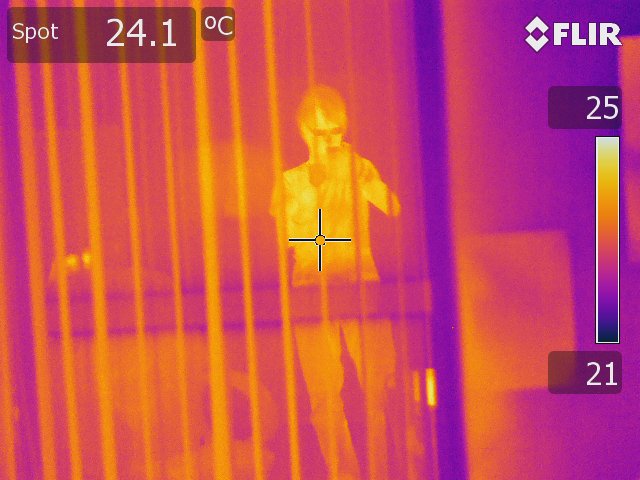
Heat moves in three ways: conduction, convection, and radiation. Thermal cameras detect heat radiation, which walls usually block. Most walls stop infrared radiation from passing through. Some heat can move through walls by conduction but not as radiation. Thermal cameras cannot see heat radiating from objects behind walls.
Image Distortion Through Barriers
When a thermal camera tries to image through a wall, the picture distorts. The wall’s material absorbs and scatters heat radiation. This causes blurry or unclear thermal images. Sometimes, the camera only shows the wall’s surface temperature, not the objects behind it. This limits the camera’s ability to see through barriers.
Realistic Expectations
Thermal cameras work best in open spaces or through transparent materials. They cannot see through solid walls or thick barriers. Expect clear images only from surfaces exposed to the camera. Using thermal cameras through walls may lead to false results. Understanding these limits helps use thermal imaging properly and safely.
Credit: www.tester.co.uk
Myths About Seeing Through Walls
Many people believe thermal cameras can see through walls. This idea comes from movies and TV shows. The truth is different. Understanding what thermal cameras can and cannot do helps clear up these myths. Let’s explore common myths about seeing through walls with thermal cameras.
Popular Misconceptions
Some think thermal cameras can look inside buildings. They imagine these devices show clear images through solid walls. People also believe thermal cameras reveal hidden objects behind barriers. These ideas are not true. Thermal cameras detect heat on surfaces, not through thick walls.
Media Influence On Beliefs
Movies and TV shows often show thermal cameras with special powers. They create scenes where characters see through walls easily. This portrayal shapes public beliefs. It makes many think thermal technology works like X-ray vision. Reality is far less dramatic but still useful in many ways.
Scientific Facts Vs Fiction
Thermal cameras measure infrared radiation, or heat, from surfaces. Walls block most of this radiation, so cameras cannot see through them. Thin materials may allow some heat to show, but not clear images. Scientists use other tools to detect objects behind walls, but thermal cameras are not one of them.
Practical Uses Of Thermal Cameras
Thermal cameras detect heat and show temperature differences. They cannot see through walls but reveal heat patterns on surfaces. These cameras have many practical uses across different fields. They help people spot problems, find missing persons, and improve safety.
Building Inspections
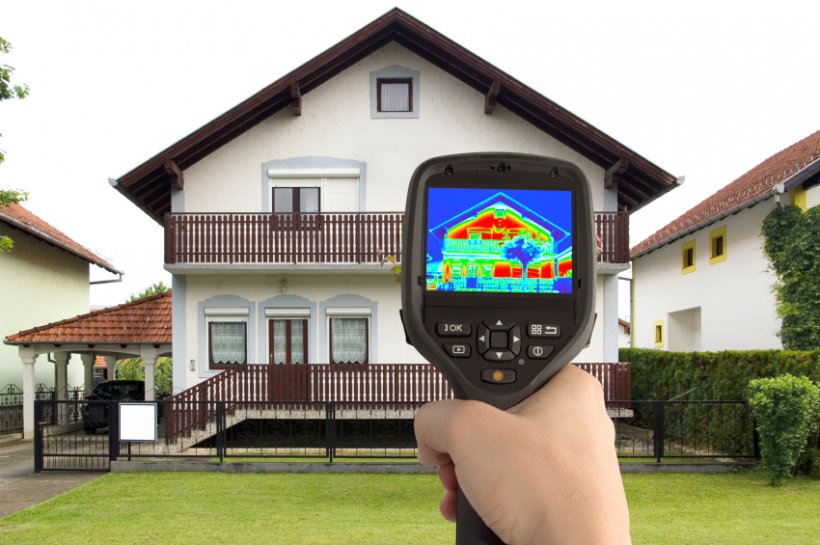
Thermal cameras help find heat leaks in buildings. Inspectors use them to check insulation and windows. They detect moisture and water damage behind walls. These cameras make it easier to find hidden issues fast. This saves money and prevents bigger repairs later.
Search And Rescue Operations
Rescue teams use thermal cameras to find people in the dark or rubble. The cameras detect body heat, even in low visibility. They help save lives during natural disasters or accidents. Thermal imaging speeds up searches and guides rescuers to those trapped.
Security Applications
Security guards use thermal cameras to monitor areas at night. The cameras reveal intruders by their body heat. They work well in total darkness and bad weather. Thermal cameras improve safety at homes, businesses, and public places. They help prevent theft and keep people safe.

Credit: www.youtube.com
Technological Alternatives
Thermal cameras cannot see through walls because walls block heat radiation. People often ask what other tools can help detect objects or people behind walls. Several technologies exist that offer ways to sense beyond solid barriers. Each has strengths and limits. Exploring these helps understand what is possible in this field.
Radar And X-ray Imaging
Radar uses radio waves to detect objects behind walls. Waves bounce off objects and return to the radar device. This helps create images of what lies beyond a barrier. Radar can penetrate certain materials like drywall or wood.
X-ray imaging uses high-energy rays to pass through walls. It creates detailed images of objects inside or behind solid structures. Medical X-rays show bones inside the body, while industrial X-rays inspect building interiors.
Emerging Technologies
New methods combine radar with artificial intelligence. These systems improve object detection and image clarity behind walls. Some use Wi-Fi signals to sense movement through barriers. Others explore magnetic resonance to see through non-metal walls.
Researchers work to make these technologies smaller and cheaper. This could expand their use for safety and security in the future.
Comparing Effectiveness
Radar works well with thin, non-metal walls but struggles with thick or metal ones. X-rays provide clear images but require safety measures due to radiation. Emerging tools are promising but still in early stages.
Choosing the right technology depends on the material and the needed detail. Cost, safety, and ease of use also matter for practical applications.
Credit: www.energy.gov
Frequently Asked Questions
Can Thermal Cameras See Through Walls?
No, thermal cameras cannot see through walls. They detect surface heat, not objects behind solid barriers like walls.
How Do Thermal Cameras Detect Heat?
Thermal cameras capture infrared radiation emitted by objects. They convert heat signatures into visible images for temperature analysis.
Are There Devices That See Through Walls?
Some technologies like radar or X-rays can penetrate walls, but thermal cameras are not designed for this purpose.
Can Thermal Cameras Detect People Behind Walls?
Thermal cameras cannot detect people behind walls. They only sense heat on surfaces directly visible to the camera.
Conclusion
Thermal cameras detect heat, not objects inside walls. They show temperature differences on surfaces only. Walls block the camera’s view of what’s behind them. People cannot see through solid walls with these devices. Thermal cameras help find heat leaks or electrical issues.
They are useful but have limits in what they reveal. Understanding these limits helps use thermal cameras correctly. The idea of seeing through walls remains science fiction for now.
As an Amazon Associate, I earn from qualifying purchases.
