

Have you ever wondered if theatres have cameras inside? Whether you’re watching a movie, a play, or a live show, the idea of cameras around might make you curious—or even a bit uneasy.
You might ask yourself: Are these cameras there to keep you safe, or could they be watching your every move? Understanding why theatres use cameras and how they affect your experience can change the way you feel about your next visit.
Keep reading to discover the truth behind cameras in theatres and what it means for you.
Surveillance In Public Spaces
Surveillance in public spaces is common in many places, including theatres. Cameras help keep the area safe and secure. They watch over crowds and detect any unusual activity. The presence of cameras can also stop bad behavior before it starts. Many people feel safer when they know there is surveillance.
Common Uses Of Cameras
Theatres use cameras to watch entrances and exits. They monitor audience areas to prevent theft or trouble. Cameras also help staff manage large crowds. They check for emergencies, like fires or fights. Footage can show what happened if a problem arises. This helps in solving issues quickly and fairly.
Legal Aspects Of Surveillance
Surveillance must follow laws to protect privacy. Theatres usually inform visitors about cameras through signs. Cameras should not record private areas like restrooms. Data collected must be stored safely and used properly. Laws vary by country, but respect for privacy is key. Proper use of cameras builds trust with the public.
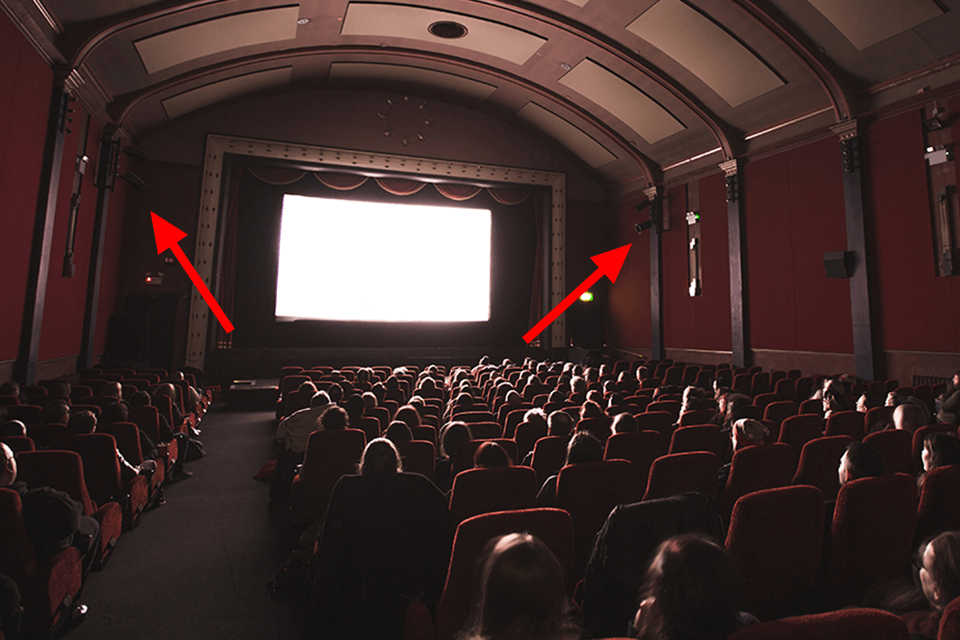
Credit: fixthephoto.com
Cameras In Theatres
Theatres often have cameras installed for various reasons. These cameras serve both safety and operational needs. Understanding why theatres use cameras helps clarify common questions about privacy and security.
Security Purposes
Cameras help theatres keep the space safe. They monitor entrances, exits, and public areas. This reduces theft and vandalism risks. Staff can respond quickly to emergencies. Cameras also help identify troublemakers. They keep everyone, including staff and visitors, protected.
Audience Privacy Concerns
Many people worry about cameras inside theatres. Theatres usually avoid filming the audience during shows. Cameras focus on public spaces and hallways. This respects visitors’ privacy while maintaining safety. Notices about cameras are often posted. This lets people know about video monitoring in common areas.
Types Of Cameras Used
Theatres use different types of cameras for security and monitoring. These cameras help keep the audience and staff safe. They also protect the building and equipment. Understanding the types of cameras helps explain how theatres manage safety and control.
Visible Vs Hidden Cameras
Theatres use both visible and hidden cameras. Visible cameras are easy to see. They act as a warning to people who might cause trouble. These cameras are placed in open areas like entrances and lobbies.
Hidden cameras are not easy to spot. They are small and blend into the environment. These cameras help catch bad behavior without disturbing the audience. They are often placed in less obvious spots.
Technology Behind Surveillance
Modern theatre cameras use advanced technology. Many have high-definition video to capture clear images. Some cameras can zoom in to see details better.
Night vision is common in theatre cameras. It allows recording in low light or dark areas. Motion detection helps by starting the recording only when there is movement.
Many theatres use cameras connected to a central system. This system stores video and lets security watch live feeds. It improves response time during emergencies.
Impact On Audience Experience
The presence of cameras in theatres can change how the audience feels. It impacts their comfort and behavior during the show. Understanding this effect helps theatres create a better experience for everyone.
People go to theatres to enjoy and relax. Cameras might make some feel uneasy or watched. This feeling can change how much they enjoy the performance.
Comfort And Trust
Comfort is key for a good theatre visit. If cameras are visible, some may feel nervous or less free. Trust builds when theatres explain why cameras are used.
Clear rules about camera use help audiences feel safe. Knowing cameras protect the venue and audience can reduce worry. Without trust, people might avoid theatres or enjoy less.
Effect On Behavior
Cameras can change how people act during shows. Some may sit very still or avoid showing emotions. Others might be more careful with noise or movement.
This change can affect the natural energy of the audience. Performers also sense this shift. A less lively crowd can reduce the overall excitement.
Policies And Regulations
The presence of cameras in theatres is a sensitive topic. Policies and regulations guide how and when cameras can be used. They protect the privacy of the audience and the rights of performers. These rules vary depending on the industry and location. Understanding these policies helps explain why some theatres allow cameras while others do not.
Industry Standards
Theatre companies follow strict industry standards about cameras. Most theatres ban recording during performances to prevent piracy. Cameras can distract other viewers and spoil the live experience. Staff may use cameras for security but not for public recording. These standards aim to protect artists and their work. They also help maintain a respectful environment for all attendees.
Regional Variations
Rules about cameras differ across regions and countries. Some places have strict laws about recording in public venues. Others may allow limited use of cameras with permission. Cultural norms also influence these regulations. Theatre managers must follow local laws and community expectations. Visitors should check specific theatre policies before bringing cameras inside.

Credit: www.youtube.com
Alternatives To Cameras
Theatres may not always use cameras for security and monitoring. They often choose other ways to keep the area safe and comfortable for visitors. These alternatives help protect both the audience and the performers. They also maintain order without the need for constant video recording.
Security Personnel
Many theatres hire security personnel to watch over the venue. These trained staff move around to spot any problems early. They help with crowd control and check for unwanted behavior. Security personnel can respond quickly to emergencies. Their presence often stops trouble before it starts.
Other Monitoring Methods
Theatres use different tools besides cameras to monitor the space. Staff may use walkie-talkies to stay in touch easily. Some theatres have alarm systems for fire or break-ins. Ticket checking points help control who enters and exits. These methods work together to keep the theatre safe and smooth.
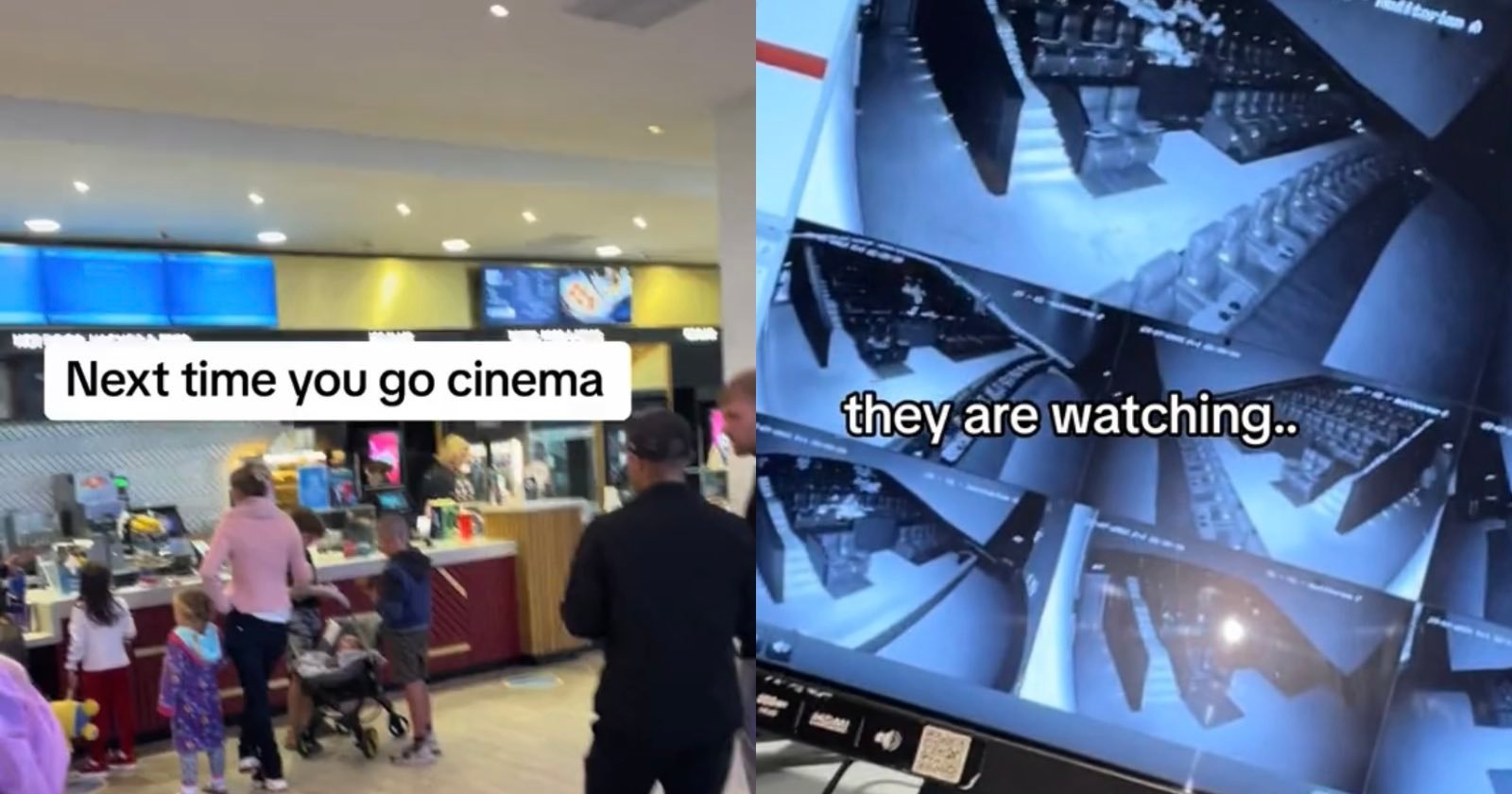
Credit: petapixel.com
Frequently Asked Questions
Do Theatres Use Cameras For Security Purposes?
Yes, many theatres install cameras to monitor entrances and common areas. This helps prevent theft, vandalism, and ensures guest safety during events.
Are Cameras Inside Theatres Used To Record Performances?
Generally, cameras inside theatres are not used to record performances. Recording is often prohibited to protect copyrights and maintain audience privacy.
Can Theatre Cameras Capture Audience Behavior?
Yes, theatre cameras sometimes monitor audience behavior to ensure safety and enforce rules. This helps staff quickly respond to any disturbances.
Do Theatres Use Cameras To Manage Crowd Control?
Theatres may use cameras to observe crowd movement and manage entry or exit flows. This improves safety and enhances guest experience during busy shows.
Conclusion
Theatres usually have cameras for security and safety reasons. These cameras help stop theft and keep people safe inside. They do not record the actual shows or movies. This protects privacy and respects copyright rules. So, cameras in theatres serve mainly to watch public areas.
They help staff manage the space better. Knowing this can make you feel more comfortable during your visit. Overall, cameras keep the theatre safe without disturbing your experience. Simple and clear.
As an Amazon Associate, I earn from qualifying purchases.
