

Have you ever looked in the mirror and wondered if what you see is really how others see you? Or maybe you’ve snapped a photo and thought, “Is this a true reflection of me?”
You’re not alone. Many people struggle with deciding which shows the real picture: the mirror or the camera. Understanding the difference can change how you perceive yourself and how you present yourself to the world. Keep reading, because by the end of this article, you’ll know exactly which one is more accurate—and why it matters to you.
Credit: fixthephoto.com
Mirror Mechanics
Mirrors have fascinated humans for centuries. They show us a reflection of ourselves instantly. Understanding how mirrors work helps us judge their accuracy. The mechanics behind mirrors are simple but precise. These mechanics define how clear and true the reflected image appears.
How Mirrors Reflect Images
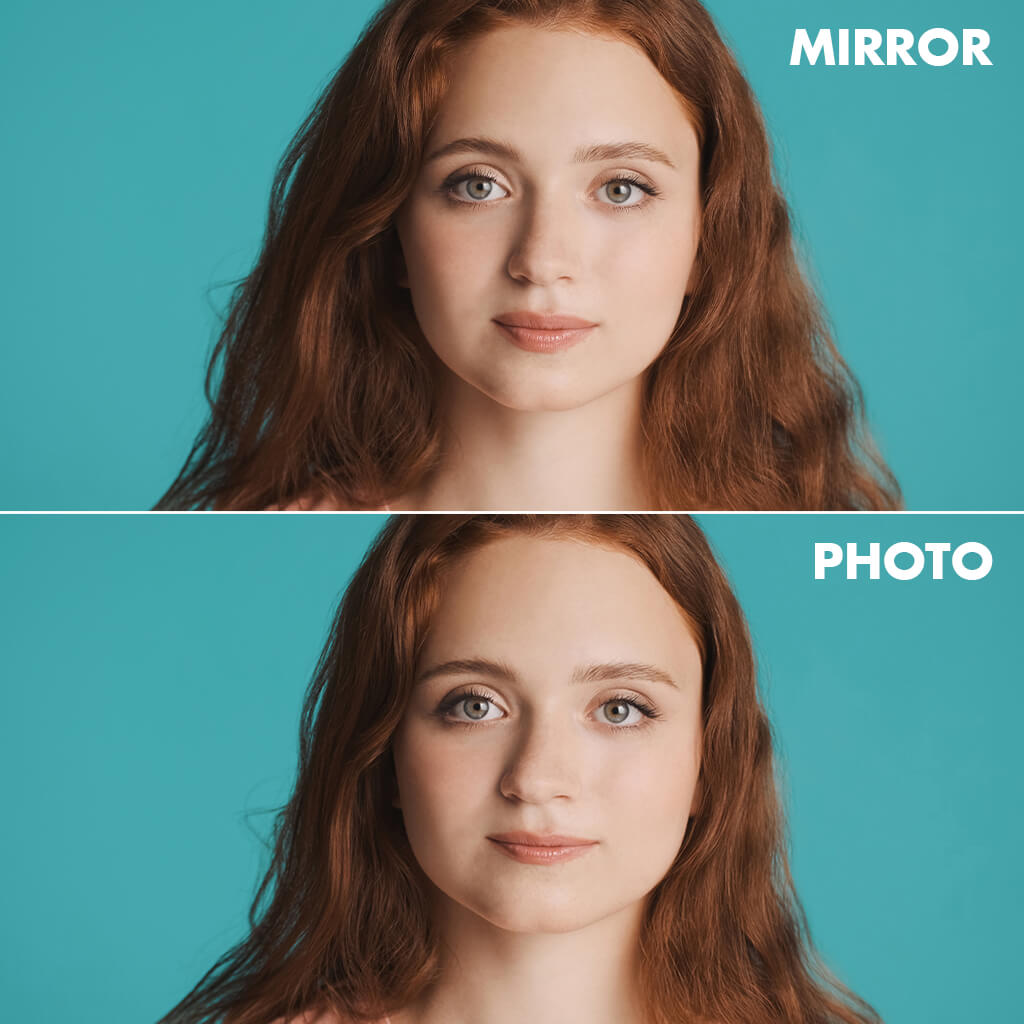
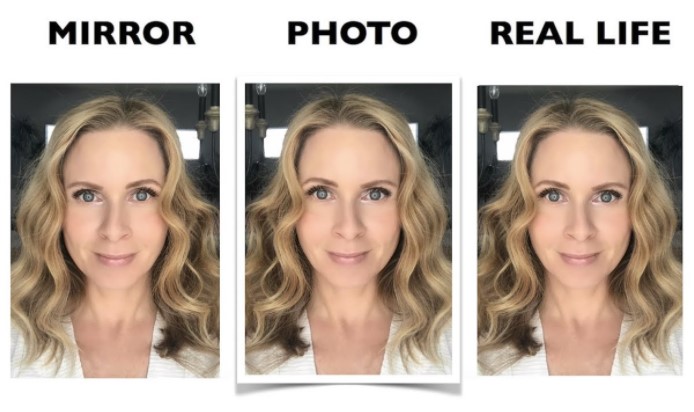
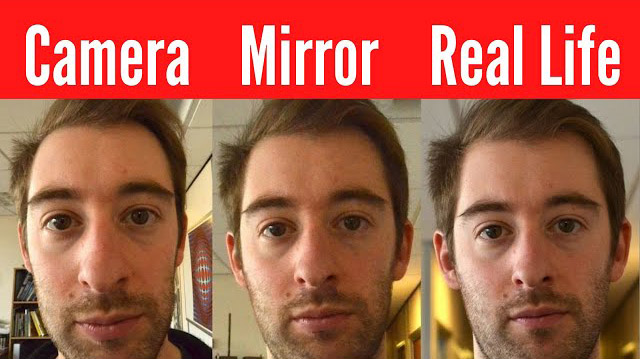
Mirrors reflect light to create images. Light hits the mirror surface and bounces back. The smooth surface ensures the light rays reflect evenly. This reflection follows the rule: the angle of incidence equals the angle of reflection. This means light hits and leaves the mirror at the same angle. The mirror reverses the image from left to right. This flip changes how we see ourselves compared to a camera photo. The reflected image looks real but reversed.
Factors Affecting Mirror Accuracy
Several things impact a mirror’s accuracy. The quality of the glass and coating matters most. Any scratches or dirt can distort the image. The thickness of the mirror glass can cause slight shifts in reflection. The mirror’s flatness is crucial. Curved mirrors bend light and change the image shape. Lighting also affects what the mirror shows. Poor light can create shadows or glare. The distance between you and the mirror changes how clear the image looks. All these factors shape the accuracy of a mirror’s reflection.
Camera Technology
Cameras have changed how we see and record the world. They use light and sensors to create images. These images help us capture moments exactly as they appear.
Understanding how cameras work explains why they sometimes show details differently from mirrors. Technology inside cameras affects image accuracy and quality.
How Cameras Capture Images
Cameras use lenses to focus light onto a sensor. The sensor records light and color information. This process turns light into a digital image.
The lens controls how much light enters. It also affects how clear the image looks. The sensor measures light intensity and color to form the picture.
Elements Influencing Camera Precision
Sensor quality plays a big role in image accuracy. Larger sensors capture more detail and light. This makes images look sharper and more natural.
Lighting conditions also impact how precise images appear. Bright, even light helps cameras capture true colors. Low light or shadows can cause distortion.
Camera settings like focus and exposure affect image sharpness. Proper focus makes details clear. Correct exposure balances light and dark areas.
Comparing Image Fidelity
Comparing image fidelity helps us understand how mirrors and cameras show us the world. Image fidelity means how true an image looks compared to real life. Both mirrors and cameras have limits in showing perfect images. Their differences affect how we see ourselves or things around us. This section explores these differences in detail.
Distortion In Mirrors Vs Cameras
Mirrors often cause distortion depending on their shape. Flat mirrors reflect images with little change. Curved mirrors bend light, making images look stretched or squished. Cameras also face distortion from lenses. Wide-angle lenses can make objects near the edge look bent. Some cameras fix this with software to reduce warping. Still, small distortions can remain. Both tools change images, but in different ways.
Color Accuracy And Representation
Mirrors show colors as they appear in natural light. They reflect all colors without change. Cameras capture colors through sensors and settings. Lighting conditions affect camera color output a lot. Sometimes colors in photos look darker or lighter. White balance settings try to fix color tones. But cameras can never fully match real-life colors. Mirrors offer more natural color views, but cameras provide options to adjust colors.
Real-world Applications
Real-world applications show clear differences between mirrors and cameras. Each tool serves unique purposes depending on the need. Both reflect or capture images but in distinct ways.
Understanding their roles helps decide which suits a specific task better. Accuracy depends on context and usage, shaping how people use these tools daily.
Use In Personal Grooming
Mirrors provide a direct, real-time reflection. They show true colors and depth instantly.
People rely on mirrors to style hair, apply makeup, or shave. The image is reversed, which can cause minor confusion.
Cameras capture images but may alter colors or lighting. Selfie cameras often add filters that change appearance.
For precise grooming, mirrors remain more accurate and practical.
Role In Photography And Videography
Cameras capture moments and details far beyond what mirrors show. They record images with high precision and clarity.
Photographers use cameras to control focus, exposure, and color balance. This creates accurate and artistic results.
Mirrors cannot capture or save images. They only reflect what is directly in front of them.
For lasting visual records, cameras offer superior accuracy and flexibility.
Scientific And Medical Uses
In science, cameras record experiments and observations accurately. They help analyze data over time.
Medical tools like endoscopes use tiny cameras to see inside the body. They provide clear, detailed images for diagnosis.
Mirrors assist surgeons during operations by reflecting light or angles. They cannot capture images for later review.
Cameras provide more detailed and precise visuals needed in medical fields.
Limitations And Challenges
Both mirrors and cameras have limits that affect how accurate they show images. These limits come from physical and technical issues. Understanding these challenges helps us see why neither tool is perfect.
Mirror Surface Imperfections
Mirrors can have tiny flaws on their surface. Small scratches or dust can change how light reflects. This causes slight distortions in the image you see. Even a clean mirror can bend light in small ways. These imperfections can make the reflection less clear or true to life.
Camera Sensor Limitations
Cameras rely on sensors to capture images. These sensors have a set limit on detail and color accuracy. Low-quality sensors may create grainy or blurry photos. Sensors can also struggle in low light, losing image sharpness. The camera’s lens quality also affects how true the image looks. These factors limit the camera’s ability to capture perfect images.
Environmental Factors
Lighting changes affect both mirrors and cameras. Bright sunlight or dim light can alter the image. Shadows or glare can hide details in reflections or photos. Dust, fog, or moisture can blur images in both tools. Environmental conditions often reduce image clarity and accuracy.
Credit: nesop.com
Future Trends
The future of accuracy in mirrors and cameras is evolving fast. Technology is pushing both to new levels. Each tool will improve how we see ourselves and the world around us. These changes will affect daily life and professional fields alike.
Advancements In Mirror Technology
Smart mirrors are becoming more common. They show information beyond just reflections. Sensors can adjust lighting to match real conditions. This helps users see themselves more clearly and naturally.
Mirrors with built-in cameras will combine reflection and digital imaging. This hybrid approach can correct distortions and improve clarity. Expect mirrors that help with makeup, grooming, and fitness by giving real-time feedback.
Innovations In Camera Accuracy
Cameras keep improving in resolution and color accuracy. AI helps cameras adjust settings for true-to-life images. This reduces errors caused by lighting or angles.
Future cameras will capture 3D images and depth better. This adds detail and realism to photos. Such technology could make cameras even more accurate than mirrors in some uses.
Credit: www.mefoto.com
Frequently Asked Questions
Which Shows More Detail, Mirror Or Camera?
A camera captures detailed images based on lens quality and settings. Mirrors reflect real-time, three-dimensional views but lack fine detail. Cameras can enhance and zoom, offering more detail than a mirror’s direct reflection.
Can A Mirror Distort Your Appearance?
Yes, mirrors can distort appearance due to angle and curvature. Flat mirrors provide accurate reflections, but curved mirrors may warp images. Distortion depends on mirror quality and positioning relative to the viewer.
How Do Cameras Improve Accuracy Over Mirrors?
Cameras use lenses and sensors to capture images precisely. They can adjust focus, exposure, and angles for accuracy. Unlike mirrors, cameras can freeze moments and reveal details invisible in reflections.
Does Lighting Affect Mirror Or Camera Accuracy?
Lighting greatly impacts both mirror and camera accuracy. Poor lighting can cause shadows or glare in mirrors. Cameras can adjust settings to compensate for lighting, often producing clearer images than mirrors in low light.
Conclusion
Choosing between a mirror and a camera depends on what you need. Mirrors show real-time reflections with no delay. Cameras capture moments but may slightly change colors or angles. Each tool has its own way of showing the truth. For quick checks, mirrors work best.
For saving images or memories, cameras shine. Understanding their differences helps you pick the right one. Both have value in daily life. Think about your purpose before deciding. Simple and clear—both mirror and camera tell your story in their own way.
As an Amazon Associate, I earn from qualifying purchases.
