
Have you ever wondered if cameras are allowed in classrooms? Whether you’re a student, a parent, or a teacher, this question might have crossed your mind.
Cameras in classrooms can change the way learning happens—but they also raise important concerns about privacy and trust. You’ll discover the key facts, benefits, and challenges behind using cameras in educational spaces. By the end, you’ll have a clear understanding of what’s allowed, what’s not, and how it could affect your daily school experience.
Keep reading to find out everything you need to know.
Camera Policies In Schools
Schools often set rules about cameras in classrooms. These rules help keep students and teachers safe. They also protect privacy and support good learning. Understanding camera policies is important for everyone involved.
Different schools have different rules. These depend on whether the school is public or private. Rules also change based on local laws and school district decisions.
Public Vs Private Institutions
Public schools follow rules made by the government. They have strict policies to protect student privacy. Cameras may be allowed in some areas but not in classrooms. Private schools have more freedom to set their own rules. They decide if cameras can be used and where. Some private schools use cameras for safety or teaching. Others avoid them to respect privacy.
District And State Regulations
School districts create rules for schools in their area. These rules often reflect state laws about cameras. Some states ban recording without consent. Others allow cameras for security or learning. Districts must follow these laws carefully. They write policies to keep students safe and respect privacy. Teachers and parents should know these rules well.

Credit: getsafeandsound.com
Privacy Concerns
Cameras in classrooms raise important privacy concerns. Many people worry about how video recording might affect personal privacy. Schools must think about these issues carefully before using cameras. Protecting everyone’s privacy is very important.
Student Privacy Rights
Students have the right to a safe and private learning space. Cameras can make some students feel watched all the time. This constant surveillance might affect their behavior and comfort. Schools must follow laws that protect student privacy. Video recordings should not be shared without permission. Parents and students should know how recordings are used and stored.
Teacher And Staff Considerations
Teachers and staff also have privacy rights in classrooms. Cameras could record their actions and conversations. This might cause stress or reduce teaching freedom. Staff need clear rules about camera use and access to footage. Trust between teachers and school leaders is key. Respecting staff privacy helps maintain a positive work environment.
Legal Implications
Using cameras in classrooms has legal risks. Schools must follow rules to protect privacy. Students and teachers have rights about recordings. Understanding these laws helps avoid problems.
Laws Governing Recording
Many countries have laws about recording in public and private spaces. Classrooms often count as private areas. Recording without permission can break privacy laws. Some places require consent from everyone recorded. Schools usually set clear rules on cameras. These rules follow state or national laws. Knowing these laws helps keep recording legal.
Consequences Of Unauthorized Use
Recording without permission can lead to serious trouble. Schools may take disciplinary action against students or staff. Legal penalties can include fines or court cases. Unauthorized recordings may harm trust in schools. Privacy violations can affect students’ safety and comfort. Respecting rules avoids conflict and legal issues. Always check school policy before using cameras.
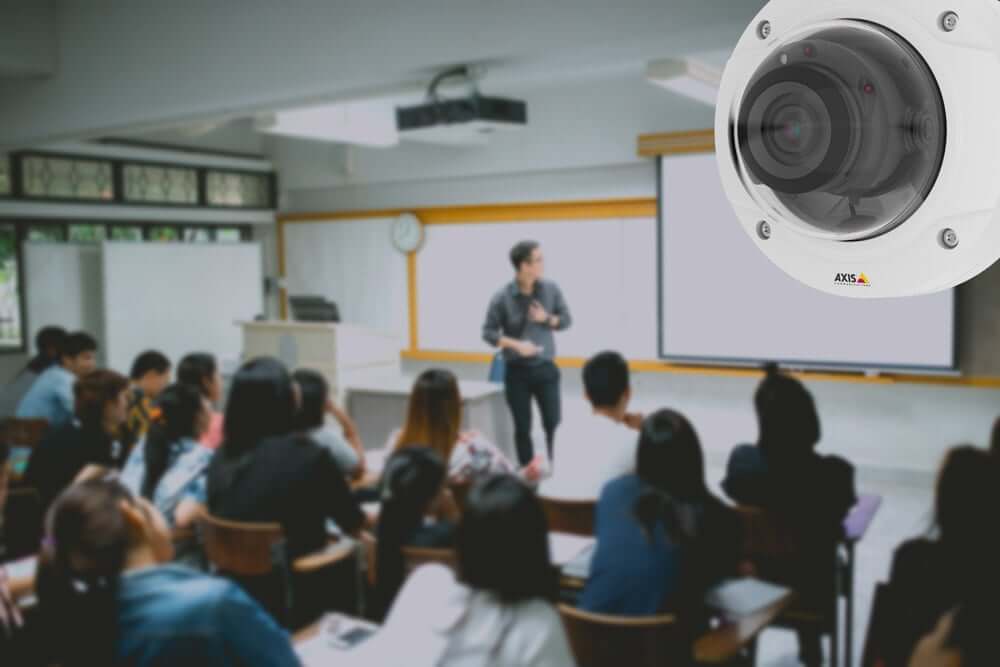
Credit: i2ctech.com
Classroom Recording Scenarios
Classroom recording is common in many schools today. Recording helps students and teachers in several ways. It captures lessons and discussions for review or sharing. Different situations call for different rules about cameras in classrooms. Understanding these scenarios helps everyone use recordings properly and respectfully.
Schools often set specific guidelines. These rules protect privacy and keep the learning environment safe. Let’s explore common classroom recording situations and their purposes.
Recording For Educational Purposes
Teachers record classes to help students learn better. Students can watch lessons again at home. This supports those who miss class or need extra help. Recordings also help students with disabilities by allowing flexible learning. Schools must get permission before recording. Privacy is important. Students and parents should know how recordings are used and stored.
Use During Online Classes
Online classes rely heavily on cameras and recordings. Teachers use recordings to share lessons with remote students. Students can watch recorded sessions if they cannot attend live. Cameras also help teachers see students’ faces and reactions. This interaction improves teaching and learning. Schools often require consent for camera use in online classes. Clear rules help keep everyone comfortable and secure.
Best Practices For Using Cameras
Using cameras in classrooms can support learning and keep records. Following best practices helps keep the environment safe and respectful. It is important to use cameras carefully to protect privacy and maintain trust.
Seeking Permission
Always ask for permission before using a camera in class. Teachers should tell students and parents why they want to use cameras. Schools may have rules about recording. Getting approval helps avoid problems and confusion.
Respecting Boundaries
Do not record private moments or personal information. Cameras should focus on learning activities only. Avoid filming students without their consent. Respect each person’s comfort and privacy. This creates a positive and safe space for everyone.
Technology And Classroom Management
Technology has changed how teachers manage classrooms. Cameras play a role in this change. They can help teachers keep track of lessons and student behavior. Understanding their use helps improve classroom control and learning.
Using technology well can make classrooms safer and more effective. Cameras are one tool in this mix. They support both teaching and managing the class environment.
Cameras As Learning Tools
Cameras can record lessons for students who miss class. They allow students to review difficult topics at their own pace. Teachers can also use videos to show examples or explain tasks better. This helps students understand and stay engaged.
Some classrooms use cameras for interactive projects. Students may create videos for presentations or group work. This encourages creativity and teamwork. Cameras add a new way to learn beyond books and talks.
Managing Distractions
Cameras help teachers notice when students lose focus. They can spot distractions quickly and address them. This keeps the class on track and reduces wasted time. Students tend to behave better knowing they are being observed.
However, cameras must be used carefully to respect privacy. Rules about when and how to use cameras must be clear. Proper use of cameras supports a positive learning space without causing stress.
Future Trends In Classroom Surveillance
Classroom surveillance is changing with new technology. Schools want to keep students safe. They also want to respect privacy. The future will bring new tools and ideas. These will help teachers and staff monitor classrooms better. The challenge is to find the right balance.
Technology will play a big role. Cameras will do more than just record. They will help understand what happens in class. This will affect how schools use surveillance in the future.
Emerging Technologies
New cameras can detect unusual behavior automatically. Artificial intelligence (AI) helps by analyzing video in real-time. Sensors can track noise levels or movements. Some systems use facial recognition to identify people.
These tools aim to improve safety quickly. They alert staff to problems before they grow. Yet, schools must use these technologies carefully. The goal is to support learning, not distract students.
Balancing Security And Privacy
Privacy is very important in classrooms. Students and teachers need a safe space. Too much surveillance can feel like spying. Schools must set clear rules about camera use. They should explain why and how cameras are used.
Parents and students should have a say. Transparency builds trust. Schools need to keep data secure. Only authorized people should see the recordings. This balance keeps everyone safe and respected.

Credit: www.13wmaz.com
Frequently Asked Questions
Are Cameras Generally Allowed In Classrooms?
Camera policies vary by school and region. Many institutions prohibit cameras to protect privacy. Some allow them for educational use with permission. Always check your specific school’s rules before bringing cameras to class.
Why Do Schools Restrict Cameras In Classrooms?
Schools restrict cameras to protect student privacy and prevent disruptions. Unauthorized recordings can violate consent laws. Restrictions also help maintain a focused learning environment. These rules balance safety with educational needs.
Can Teachers Use Cameras For Online Classes?
Yes, teachers often use cameras for online teaching. Cameras help engage remote students and share lessons effectively. However, teachers must ensure student privacy and follow school guidelines during recordings.
Are Students Allowed To Record Lectures With Cameras?
Students usually need permission to record lectures. Schools may require consent from teachers and classmates. Unauthorized recordings can lead to disciplinary actions. Always ask for approval before recording in class.
Conclusion
Cameras in classrooms bring both benefits and concerns. They can help with learning and safety. Privacy and trust issues also matter a lot. Schools must set clear rules about camera use. Students and teachers should feel comfortable and secure. Balancing technology with respect is very important.
This topic will keep evolving as technology grows. Stay informed and think carefully about cameras in class.
As an Amazon Associate, I earn from qualifying purchases.
