
Have you ever wondered if it’s legal to have cameras in classrooms? Whether you’re a parent, teacher, or student, this question might be on your mind.
Cameras can bring safety and accountability, but they also raise concerns about privacy. Understanding the laws and rules around classroom cameras is important for protecting your rights and creating a secure learning space. Keep reading to find out what you need to know before cameras become part of your classroom experience.
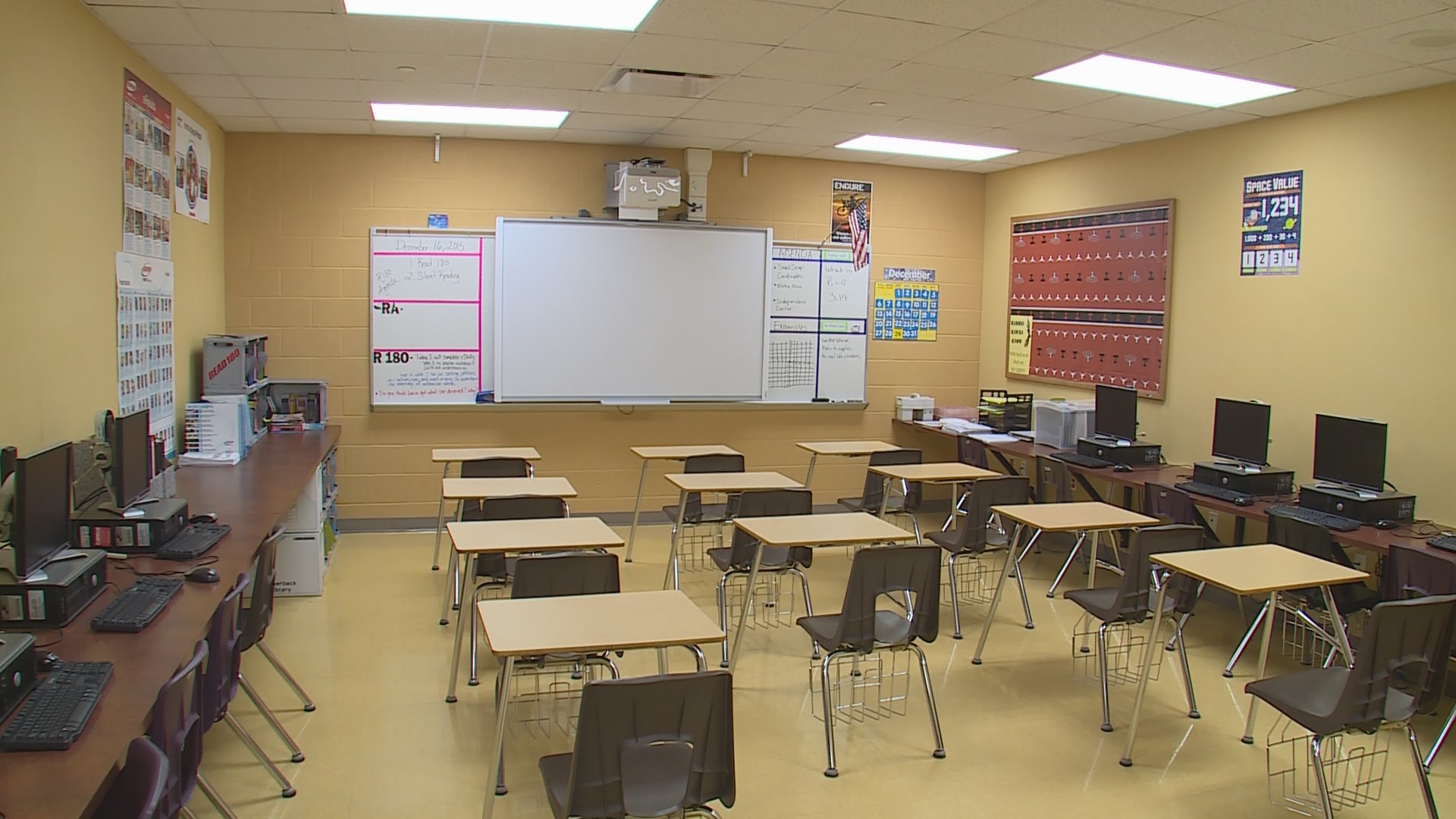
Credit: www.kens5.com
Classroom Camera Laws
Classroom camera laws guide the use of video recording devices in schools. These laws protect students and teachers while ensuring safety. Rules vary widely across the United States. Understanding these laws helps schools follow legal standards and respect privacy.
Federal Regulations
Federal laws set basic rules for cameras in classrooms. The Family Educational Rights and Privacy Act (FERPA) protects student records. Video recordings that reveal student information must follow FERPA guidelines. Schools must get consent before sharing videos that identify students. The Children’s Online Privacy Protection Act (COPPA) applies to online videos of children under 13. Schools must be careful with recordings shared online.
State-specific Rules
Each state has its own rules for classroom cameras. Some states allow cameras only for safety or discipline. Others require teacher and parent consent before recording. A few states ban cameras in classrooms completely. Schools must check state laws to avoid legal trouble. State rules often include penalties for misuse of recordings.
Privacy Rights
Privacy rights protect students and teachers from unwanted surveillance. Cameras cannot be placed in private areas like restrooms. Recording must not invade personal privacy or disrupt learning. Students and parents usually have the right to know about cameras. Transparency builds trust and keeps schools safe.
Reasons For Cameras In Classrooms
Cameras in classrooms serve several important purposes. They can help create a safer environment. Cameras also provide a way to check on teachers and students. Schools use cameras to support learning and discipline. Understanding these reasons helps explain why cameras are installed.
Safety And Security
Cameras help protect students from harm. They deter violence and bullying by making actions visible. In emergencies, cameras provide real-time information to staff. They also help identify outsiders on school property. Safety improves with constant monitoring through cameras.
Teacher Accountability
Cameras keep teachers responsible for their behavior. They record lessons and classroom management. This helps ensure teachers follow school rules. Cameras can also support teachers by showing their efforts. They provide evidence in case of disputes or complaints.
Student Behavior Monitoring
Cameras track student actions during class time. They discourage bad behavior like cheating and fighting. Teachers can review footage to understand issues better. Cameras help maintain discipline and fairness in school. They create a more focused learning environment.
Privacy Concerns
Privacy concerns arise when installing cameras in classrooms. These devices can record students and teachers, raising questions about personal space. Everyone involved deserves respect and protection. Understanding privacy issues helps create a safer learning environment. Schools must balance safety with individual rights carefully.
Student Privacy Issues
Students have the right to a private learning space. Constant video recording can make them feel watched all the time. This may cause stress and reduce their focus. Cameras might capture moments meant to stay private. Schools must limit camera use to avoid invading student privacy.
Teacher Privacy Rights
Teachers also have privacy rights in their classrooms. Cameras can record their actions and words without consent. This might affect their teaching style or cause discomfort. Educators should be informed and agree before cameras are installed. Respecting teachers’ privacy supports a positive work environment.
Parental Consent
Parents must know about cameras in classrooms. They have the right to approve or reject surveillance of their children. Schools should ask for parental consent before starting video recording. Clear communication builds trust between parents and schools. Consent ensures everyone’s privacy is protected.
Best Practices For Installation
Installing cameras in classrooms requires care and respect for privacy. Following best practices helps schools keep trust and follow laws. Each step in the process must be clear and careful.
Transparency And Notification
Schools must inform students, parents, and teachers about cameras. Clear notices about camera use build trust. Everyone should know why cameras are installed and how they work. Transparency prevents confusion and protects privacy rights.
Camera Placement
Cameras should only cover public areas of the classroom. Avoid placing cameras where privacy is expected, like bathrooms or private desks. Position cameras to monitor activity without invading personal space. Proper placement respects privacy and helps keep the focus on safety.
Data Storage And Access
Recorded footage needs safe storage to protect privacy. Limit access to authorized staff only. Set clear rules about who can see the videos and when. Secure storage and strict access control prevent misuse of recordings.
Legal Cases And Precedents
Legal cases and court decisions shape the rules about cameras in classrooms. These cases help explain what is allowed and what is not. Courts look at privacy, safety, and education quality. Their rulings influence how schools handle classroom recordings. Understanding these precedents helps schools follow the law correctly.
Notable Lawsuits
Several lawsuits have challenged cameras in classrooms. Some parents sued schools for invading privacy. Others supported cameras to protect students and teachers. Courts reviewed these cases carefully. They balanced safety concerns with privacy rights. These lawsuits set examples for future cases.
Court Rulings
Court rulings vary by state and situation. Some courts allow cameras with clear rules. Others restrict cameras to protect privacy. Judges often require schools to inform students and parents. Courts also stress limiting camera use to public areas. These rulings guide schools on legal camera use.
Impact On Policy
Court decisions affect school policies nationwide. Many schools update rules after important rulings. Policies often include consent and clear camera placement. Some districts ban classroom cameras entirely. Others use cameras only for safety reasons. These policies reflect court guidance and community needs.

Credit: www.eufy.com
Alternatives To Cameras
Installing cameras in classrooms raises many legal and privacy concerns. Schools often seek other ways to keep students safe and maintain order. These alternatives focus on support and supervision without constant video monitoring.
Increased Supervision
More adults in the classroom help prevent problems. Teachers and assistants can watch students closely. This presence reduces misbehavior and helps students stay focused. Supervisors can also step in quickly if issues arise. It creates a safer and more controlled environment.
Behavioral Programs
Teaching students good behavior encourages respect and cooperation. Schools use programs that reward positive actions. These programs guide students to follow rules on their own. They build skills like self-control and teamwork. This approach helps reduce conflicts without surveillance.
Technological Solutions
Technology offers tools beyond cameras for safety. Apps and software track attendance and alert staff about emergencies. Some systems monitor internet use to prevent harmful content. These tools protect students without invading privacy. They assist teachers in managing classrooms efficiently.
Credit: www.backstreet-surveillance.com
Frequently Asked Questions
Is It Legal To Install Cameras In Classrooms?
Laws vary by location, but many regions allow cameras for safety. Schools must inform parents and staff before installation. Privacy laws often require clear policies on camera use and data storage. Always check local regulations to ensure compliance.
Who Can Access Classroom Camera Footage?
Access is typically restricted to school administrators and authorized personnel. Parents and students usually cannot view recordings without permission. Footage is often used for safety, investigations, or disciplinary actions. Schools must protect footage privacy according to law.
Can Teachers Refuse Classroom Cameras?
Teachers’ rights depend on local laws and school policies. Some areas require teacher consent, others do not. Teachers concerned about privacy should discuss with school officials. Transparency and clear rules help balance safety and privacy needs.
What Are Privacy Concerns With Classroom Cameras?
Cameras may capture sensitive student information and disrupt trust. Improper use or leaks risk violating privacy laws. Schools must limit recording to necessary areas and times. Clear guidelines and secure storage reduce privacy risks.
Conclusion
Classroom cameras raise many legal questions. Laws vary by location and purpose. Privacy rights of students and teachers matter most. Schools must follow clear rules to protect everyone. Cameras can help with safety but cause concerns too. Always check local laws before installing any cameras.
Balancing safety and privacy is key. This topic needs careful thought and respect for all.
As an Amazon Associate, I earn from qualifying purchases.
