

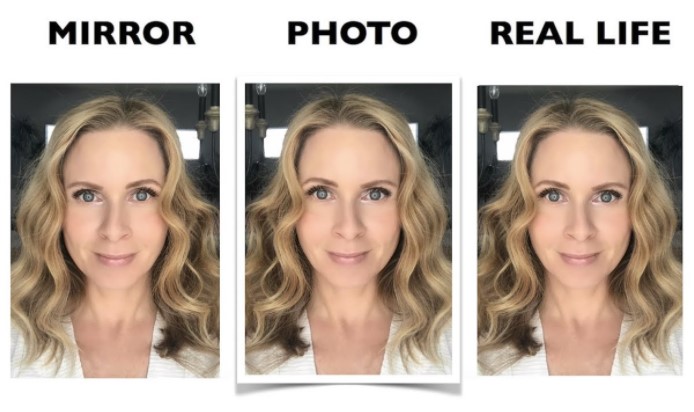
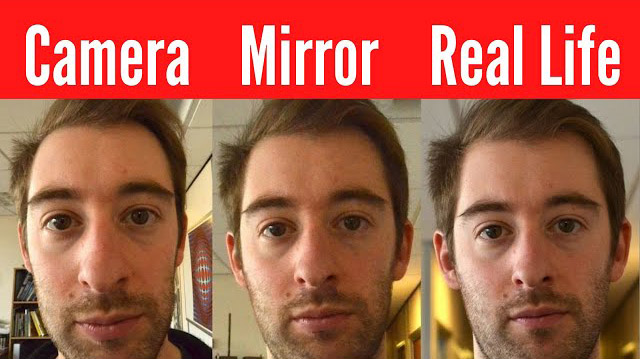
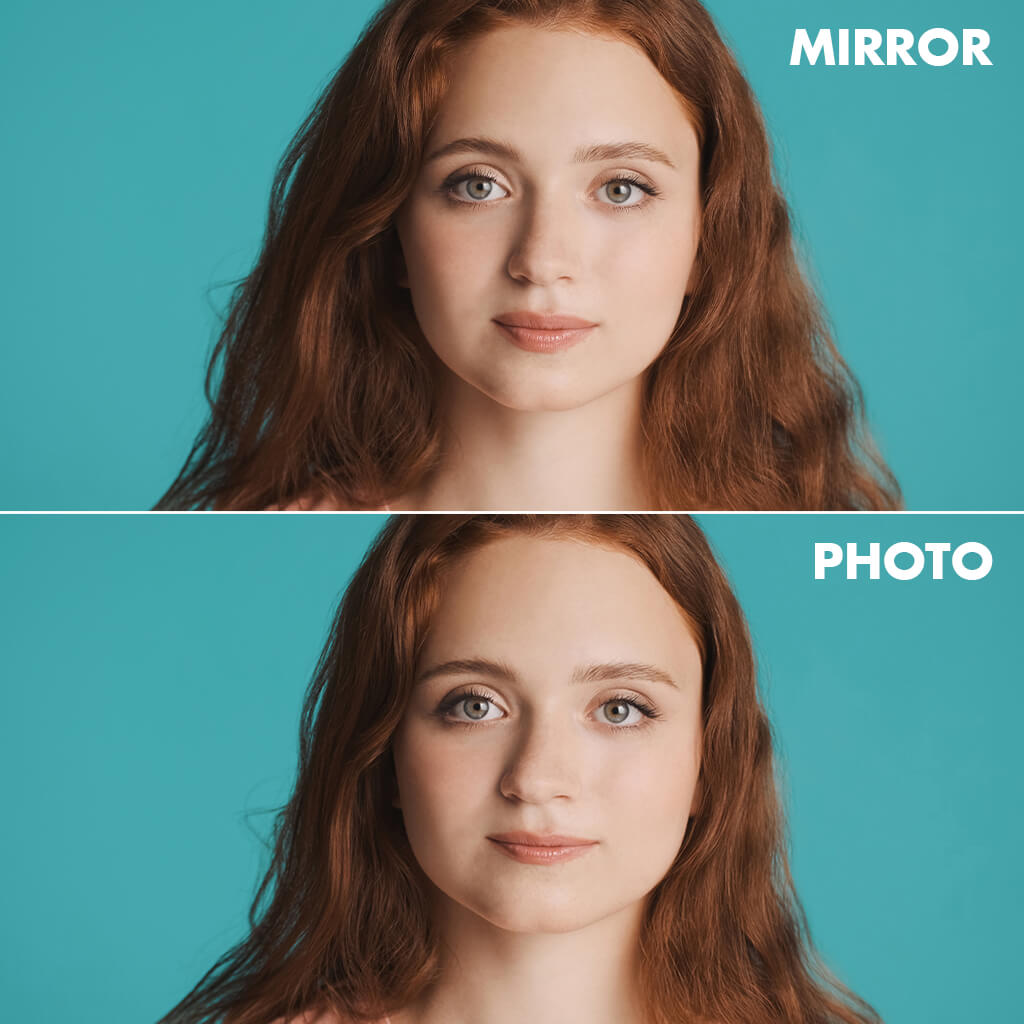
Have you ever looked in the mirror and thought you looked one way, only to see a very different version of yourself in a photo? It’s a common experience that makes you wonder: which is more accurate—the mirror or the camera?
Understanding this can change how you see yourself and how you feel about your appearance. Keep reading to discover surprising facts that will challenge what you think about your reflection and your photos. This could change the way you look at yourself forever.
Credit: nesop.com
Mirror Reflection Basics
Understanding how mirrors reflect images helps to see why they show us the way they do. Mirrors do not just show a simple picture. They create a reflection that changes how we view ourselves. This section breaks down the basics of mirror reflections. It explains how mirrors work, why images appear reversed, and how light affects what we see.
How Mirrors Work
A mirror works by bouncing light back to your eyes. The surface of a mirror is smooth and shiny. Light hits the mirror and reflects at the same angle. This reflection shows the image of whatever stands in front of it. The reflected image looks clear because the mirror’s surface does not distort the light.
Image Reversal Explained
Mirrors flip images from left to right. This flip is called lateral inversion. Your right hand appears as your left hand in the mirror. The mirror does not reverse top and bottom. This reversal can make the reflection seem different from a photo. It explains why mirror images feel unusual compared to camera pictures.
Lighting Effects On Reflection
Light changes how clear and bright a mirror image looks. Soft light makes reflections smooth and gentle. Harsh light creates shadows and highlights. These shadows can change how features appear. Different light angles can also affect the visibility of details. Good lighting is key for an accurate mirror reflection.
Credit: www.mefoto.com
Camera Image Formation
The camera creates images in a unique way. It does not just copy what the eye sees. Instead, it captures light through a lens and records it on a sensor. This process shapes how the final photo looks. Many factors influence camera image formation. Understanding these helps explain why photos and mirrors often look different.
Lens And Sensor Function
The lens focuses light onto the camera’s sensor. The sensor captures this light and turns it into an image. Each lens bends light differently, affecting sharpness and clarity. The sensor size also changes image quality. Larger sensors usually produce clearer pictures. The camera’s settings can adjust how much light the sensor records. These factors make photos unique compared to what we see in a mirror.
Angle And Perspective Impact
The camera’s angle changes the way we see objects. Moving the camera slightly can alter shapes and sizes. Mirrors reflect images directly from the front. Cameras can capture side views or close-ups. This shift in perspective affects the accuracy of the image. Small changes in angle can create big differences in appearance.
Lighting And Exposure Influence
Light plays a crucial role in image formation. Cameras measure light to set exposure automatically or manually. Too much light can wash out details. Too little light can hide them in shadows. Mirrors reflect natural or artificial light instantly. Cameras can adjust brightness and contrast to improve the image. These adjustments can make photos look different from what the eye sees in a mirror.
Differences Between Mirror And Camera
Mirrors and cameras both show us images, but they do it differently. These differences affect how we see ourselves and the world. Understanding these differences helps us decide which is more accurate for certain uses.
Reversed Versus True Image
A mirror shows a reversed image from left to right. This means your right hand looks like your left in the mirror. Cameras capture images as they are, without reversing them. This true image can look strange to us because we are used to mirrors.
Color Representation Variations
Mirrors usually show colors as they are under natural light. Cameras may change colors based on settings or lighting. Some cameras make colors brighter or duller than in real life. This can cause a difference in how accurate the colors appear.
Distortions And Aberrations
Mirrors can have small distortions if they are curved or dirty. Cameras may have lens distortions, especially at the edges of photos. Aberrations can cause blurriness or color fringes in camera images. Both affect the image accuracy but in different ways.
Factors Affecting Accuracy
Accuracy of a mirror or camera depends on many factors. These factors affect how true the reflection or image looks. Understanding them helps to know which tool shows a clearer picture.
Surface Quality And Cleanliness
A mirror must have a smooth and clean surface. Dirt, dust, or scratches can distort the reflection. Even small spots change how you see yourself. A clean mirror gives a sharper and more accurate image.
Camera Settings And Quality
Cameras depend on lenses and settings. Low-quality lenses can blur the image. Wrong focus or exposure changes the picture’s accuracy. A high-quality camera with correct settings shows more details and true colors.
Environmental Conditions
Light plays a big role in accuracy. Bright light can cause glare in mirrors or cameras. Poor light can hide details. Temperature and humidity also affect mirrors and camera lenses. Stable conditions help both tools show a clearer image.
Psychological Perception
Psychological perception plays a big role in how we see ourselves. The mirror and the camera show us different images. Our brain reacts to these images in unique ways. This affects our self-image and confidence. Understanding this can help explain why we feel different about our looks in mirrors and photos.
Both tools capture our appearance, but the mind treats each one differently. This difference comes from familiarity and how the images are presented. Let’s explore these ideas below.
Self-image And Familiarity
We see ourselves in the mirror every day. This constant view creates a sense of familiarity. Our brain gets used to this reversed image. It becomes our mental standard of how we look.
The mirror image feels natural and correct to us. This familiarity shapes our self-image deeply. On the other hand, photos show a non-reversed view. This view can seem strange or less familiar.
Mirror Bias In Appearance
The mirror flips our image left to right. This reversal can hide some asymmetries. We often prefer this reversed image without realizing it. This is called mirror bias.
Mirror bias can make us feel more confident about our looks. It may also cause us to dislike photos. Photos show the face as others see it, not reversed. This difference can surprise or upset us.
Camera’s Impact On Self-view
Cameras capture a direct and fixed image. This image is often sharper and more detailed. It shows angles and lighting we don’t see in mirrors.
Photos can highlight imperfections we ignore in the mirror. This can affect self-esteem negatively. But photos also help us see ourselves in a new way. They offer a fresh perspective beyond the mirror’s bias.
Practical Uses And Preferences
People use mirrors and cameras for different practical reasons. Each tool shows us a unique view. Knowing their strengths helps in choosing the right one for a task. Let’s explore how mirrors and cameras serve various needs in daily life and work.
Makeup And Grooming Choices
Mirrors show a reversed image of ourselves. This helps many people apply makeup or shave with ease. We see our faces as others often do. Small details become clearer when using a mirror. Lighting and angle adjustments are simple. Cameras may distort colors or angles. This makes mirrors a top choice for personal grooming.
Photography And Videography
Cameras capture scenes as they appear, not reversed. This accuracy matters for photos and videos. They record moments for memories or work projects. Cameras offer zoom and focus features. These help capture fine details far away. Mirrors cannot save images or videos. For creative or professional uses, cameras are preferred.
Medical And Scientific Applications
Doctors and scientists rely on precise images. Cameras provide detailed photos for analysis and records. Microscopes use cameras to show tiny things clearly. Mirrors may assist in direct viewing but cannot record. Medical imaging needs exact color and shape details. Cameras offer this accuracy and documentation ability.
Choosing Between Mirror And Camera
Choosing between a mirror and a camera depends on what you want to see. Each tool shows your image in a different way. Understanding their strengths helps you pick the right one for your needs.
When Mirror Accuracy Matters
A mirror shows your reflection in real time. It helps with quick checks like fixing hair or makeup. The image matches what others see face-to-face. It is useful for daily grooming and small adjustments.
When Camera Insight Is Better
A camera captures your image from different angles. It shows details you might miss in the mirror. You can review photos or videos to see your posture or expression. Cameras help improve performance in sports or presentations.
Combining Both For Best Results
Using a mirror and camera together gives a full view. The mirror shows live feedback. The camera stores images for later review. This combination helps you improve appearance and skills over time.
Credit: fixthephoto.com
Frequently Asked Questions
Is A Mirror Or Camera More Accurate In Reflecting Appearance?
A mirror shows a reversed image, while a camera captures a true perspective. Cameras provide more accurate representation of how others see you.
Why Does My Camera Image Look Different Than The Mirror?
Cameras capture images with different lighting and angles. Mirrors reflect a reversed view, causing the difference in appearance.
Can Lighting Affect Accuracy In Mirrors And Cameras?
Yes, lighting greatly impacts how your image appears. Cameras and mirrors under poor lighting can distort true colors and details.
Do Mirrors Or Cameras Show True Facial Features Better?
Cameras reveal true facial proportions and asymmetries. Mirrors can mislead because they show a flipped version of your face.
Conclusion
Both mirrors and cameras show you different views of yourself. Mirrors reflect what you really look like in real time. Cameras capture a moment but can change colors and angles. Lighting and settings also affect camera pictures. Use mirrors to see how you look right now.
Use cameras to save memories or check details later. Neither is perfect, but both have their place. Choose based on what you need to see or remember. Simple tools, different results.
As an Amazon Associate, I earn from qualifying purchases.
