

Have you ever wondered what car trackers actually look like? If you’re thinking about protecting your vehicle or keeping an eye on its location, knowing what these devices look like is the first step.
Car trackers come in different shapes and sizes, and some are so small you might not even notice them. Understanding their appearance can help you decide where to place one or spot if someone has installed a tracker on your car without your knowledge.
Keep reading to discover the surprising variety of car trackers and how they fit into your vehicle. This knowledge will give you the confidence to make smart choices about your car’s safety.
Credit: carfromjapan.com
Types Of Car Trackers
Car trackers come in different types. Each type has its own design and uses. Knowing about these types helps you choose the right tracker. The main types include magnetic, OBD-II, hardwired, and battery-powered trackers.
Magnetic Trackers
Magnetic trackers are small and easy to hide. They attach to the car’s metal parts with a strong magnet. These trackers do not need wires or tools for installation. They work well for temporary tracking needs. Their battery life can last weeks or months.
Obd-ii Trackers
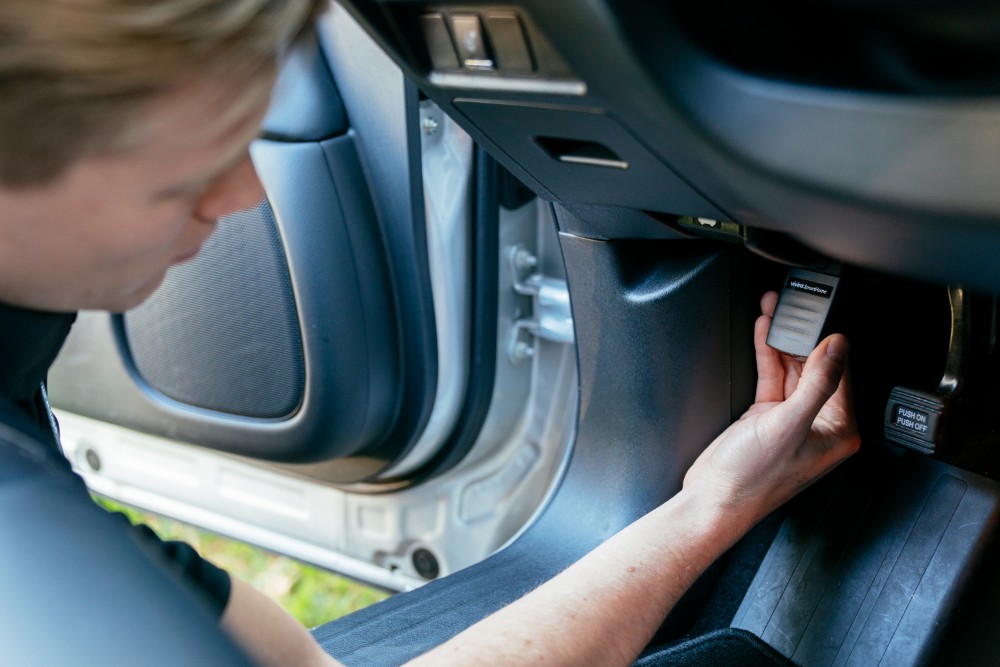
OBD-II trackers plug into the car’s OBD-II port. This port is usually under the dashboard. These trackers get power from the car, so no batteries are needed. They provide real-time data like speed and location. Installation is quick and simple.
Hardwired Trackers
Hardwired trackers connect directly to the car’s electrical system. They require professional installation. These trackers offer constant power and reliable tracking. They often include extra features like engine diagnostics. Hardwired trackers are good for long-term use.
Battery-powered Trackers
Battery-powered trackers run on internal batteries. They do not need connection to the car’s power. These trackers are portable and easy to place anywhere. Battery life varies from days to months. Ideal for tracking vehicles without access to power.

Credit: fleetsmart.co.uk
Physical Features Of Trackers
Car trackers have distinct physical features that help them blend into vehicles. Their design focuses on ease of installation and discreet placement. These trackers come in various sizes and shapes to suit different needs. Materials and colors are chosen for durability and camouflage. Small lights and buttons may be present for status and control.
Size And Shape Variations
Trackers vary in size from tiny boxes to slightly larger devices. Most are small enough to hide under seats or inside panels. Shapes often include rectangles, squares, or oval forms. Compact designs help keep them out of sight. Some models are slim, while others are thicker to house more components.
Common Colors And Materials
Black and dark gray are popular colors for trackers. These shades help the device blend with a car’s interior parts. Durable plastic is the main material used for the casing. It protects the tracker from dust and moisture. Some trackers also use metal parts for extra strength.
Indicator Lights And Buttons
Many trackers have small LED lights to show power or signal status. These lights are usually green, red, or blue. Buttons may allow users to reset or activate the device. The lights and buttons are often hidden or minimal to avoid drawing attention. They provide essential functions without compromising stealth.
Where Trackers Are Usually Placed
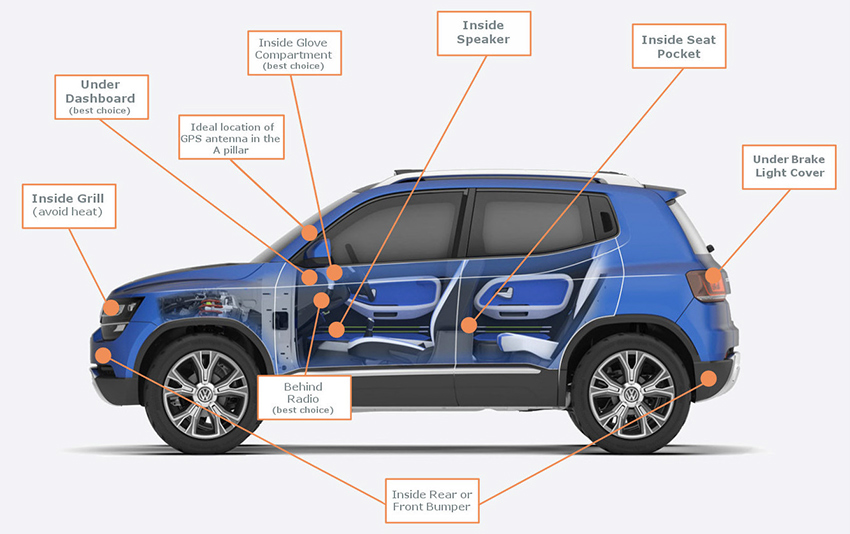
Car trackers are small devices that help locate a vehicle. Their size and design make them easy to hide. Placement is key for effectiveness and security. Trackers often go where they stay safe and out of sight. Here are common places where trackers are usually placed.
Under The Vehicle
Trackers often attach under the vehicle. Mechanics use strong magnets to hold them in place. This spot keeps the tracker hidden from view. It also protects the device from weather and damage. Still, the tracker remains close enough to send signals well.
Inside The Dashboard
The dashboard is a popular hiding spot. Trackers fit inside the dashboard’s empty spaces. This location keeps the tracker safe from theft. It also hides wires and connections neatly. The dashboard area allows the device to connect to the car’s power easily.
In The Wheel Wells
Wheel wells provide a good hiding place. Trackers fit behind the plastic covers or inside the metal frame. This spot hides the device from plain sight. It also protects the tracker from dirt and road debris. The tracker can still send signals without interference here.
Hidden In The Engine Compartment
Some trackers hide inside the engine compartment. This area offers many small spaces for concealment. Trackers stay close to the battery or wiring for power. The engine compartment shields the tracker from casual discovery. It also keeps the device safe from weather effects.
How Trackers Blend In
Car trackers are designed to be hidden and unnoticed. They blend into the vehicle’s interior or exterior without raising suspicion. This stealth makes it hard for thieves or others to find and remove them. The technology and design work together to keep trackers discreet.
Camouflage Techniques
Trackers often come in small, plain boxes. They use colors that match the vehicle parts. Some look like ordinary plastic or metal pieces. This helps them blend with the car’s design. They avoid bright colors or unusual shapes that stand out.
Use Of Factory-like Components
Many trackers mimic factory parts. They may look like fuses, relays, or connectors. This makes them appear as original car equipment. It reduces the chance of being noticed during inspections or repairs. These parts fit perfectly with the car’s interior style.
Integration With Vehicle Wiring
Trackers connect directly to the car’s wiring system. They hide under the dashboard or inside panels. Wires are tucked away carefully to avoid detection. This integration keeps the tracker secure and powered without extra signs. It also prevents loose wires from giving away the device.
Detecting Hidden Car Trackers
Hidden car trackers can be hard to find. They are small devices placed secretly on vehicles. Detecting them helps protect privacy and security. Knowing what to look for makes a difference. This section explains how to detect hidden trackers using simple methods and tools.
Visual Inspection Tips
Start by checking common tracker spots on your car. Look under the bumpers and wheel wells. Check inside the engine bay and behind license plates. Use a flashlight to see dark or tight areas. Watch for unusual wires or small boxes. Trackers often stick with magnets or tape. Look for anything that seems out of place or new.
Electronic Detection Devices
Electronic devices can find hidden trackers quickly. These tools detect signals sent by trackers. Some devices show the location of the tracker’s signal. They can spot GPS or cellular signals. Handheld detectors are easy to use and carry. Scan around your car slowly and carefully. Electronic detection gives a better chance of finding hidden devices.
Professional Detection Services
Professionals use advanced tools to find trackers. They inspect your car thoroughly and with care. Experts know where trackers hide best. They use special radio frequency detectors and scanners. Professionals also check for signal jammers and bugs. Hiring a service ensures a full and accurate search. It brings peace of mind about your vehicle’s safety.
Credit: www.rewiresecurity.co.uk
Frequently Asked Questions
What Do Car Trackers Physically Look Like?
Car trackers are small, compact devices. They often resemble black plastic boxes or GPS units. Many are about the size of a matchbox. Some have magnetic backs for easy attachment. They are designed to be discreet and blend into the car.
Where Are Car Trackers Usually Installed?
Car trackers are usually installed under the dashboard. Some are placed inside the car’s engine bay. Others attach magnetically to the vehicle’s metal frame. Installation spots are chosen to avoid easy detection. The goal is to keep the tracker hidden and secure.
Can Car Trackers Be Visible To The Naked Eye?
Most car trackers are designed to be hidden. They are small and blend into the vehicle. However, poorly installed devices might be visible. Professional installation helps keep the tracker out of sight. This ensures the tracker remains discreet and effective.
Do Car Trackers Require External Antennas?
Some car trackers have built-in antennas. Others use small external antennas for better GPS signal. External antennas are usually compact and discreet. The choice depends on the tracker model and installation site. Both types aim for reliable location tracking.
Conclusion
Car trackers come in small and simple designs. They fit easily inside or under your car. Some look like small boxes, others like GPS devices. Most are easy to hide and hard to spot. Knowing their shapes helps you choose the right one.
Tracking your car can keep it safe and secure. Choose a tracker that suits your needs and budget. This way, you stay informed about your vehicle’s location anytime. A good tracker is a smart tool for car owners.
As an Amazon Associate, I earn from qualifying purchases.
