

Have you ever wondered how your eyes can tell a story without saying a word? Eye trackers unlock this secret by revealing exactly where you look, how long you focus, and even what captures your attention first.
Understanding how eye trackers work can change the way you see everything—from shopping online to improving your work or study habits. You’ll discover the simple science behind eye tracking and why it matters to you. Keep reading to uncover the fascinating technology that’s quietly shaping the way we interact with the world.
Basics Of Eye Tracking
Eye tracking is a technology that follows where the eyes move. It helps us understand how people see and process information. This basic knowledge is key to grasping how eye trackers work.
Eye trackers collect data by measuring eye positions and movements. These details reveal what draws attention and how the eyes behave during tasks.
What Eye Trackers Measure
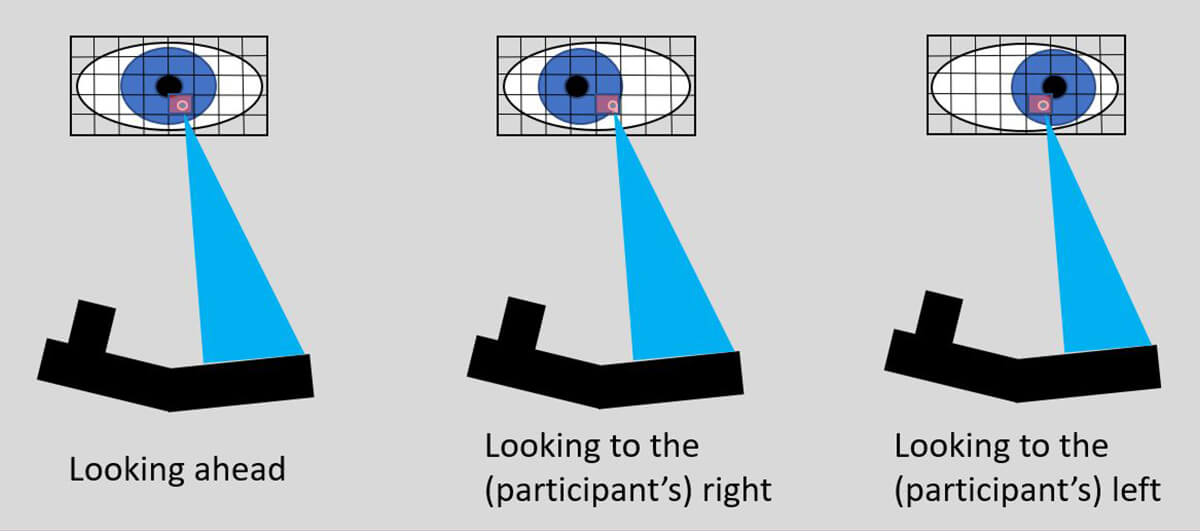
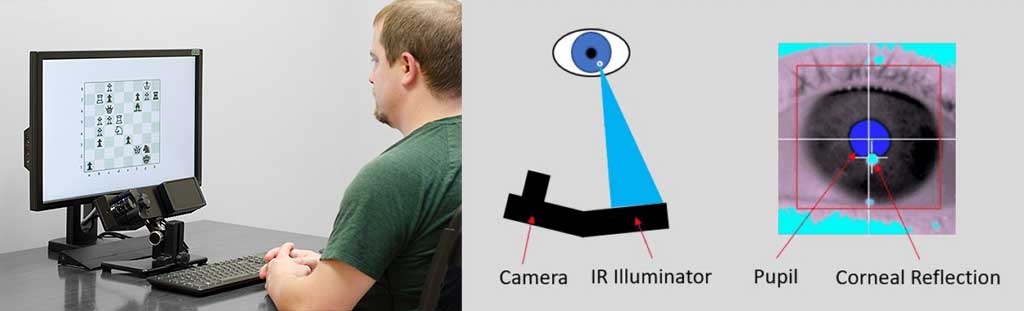
Eye trackers measure the position of the pupil and corneal reflection. This data shows exactly where the eyes focus on a screen or object. The system tracks movements in real-time, capturing quick shifts and steady gazes. It also records blinking patterns and pupil size changes. These measurements give clues about focus, interest, and cognitive load.
Types Of Eye Movements
There are several types of eye movements, each with a purpose. Fixations occur when the eyes stop and focus on one spot. Saccades are fast jumps between fixations. Smooth pursuit movements follow moving objects smoothly. Microsaccades are tiny, involuntary movements during fixations. Understanding these helps interpret how people explore visual information.
Credit: www.sr-research.com
Core Technology Behind Eye Trackers
Eye trackers use special technology to follow where the eyes move. This technology helps understand eye behavior clearly. It works by capturing eye movements with precise sensors. The core technology makes eye tracking accurate and fast. Let’s explore the main methods that eye trackers use.
Infrared Light And Pupil Detection
Eye trackers shine invisible infrared light on the eyes. This light reflects off the pupil. A camera then captures this reflection. The pupil appears dark because it absorbs most light. The tracker detects the pupil’s center using this contrast. This method helps find exactly where the eye looks. It works well even in different lighting conditions. It also does not bother the user because infrared light is safe and invisible.
Corneal Reflection Techniques
Eye trackers also use corneal reflections to improve accuracy. The cornea is the clear front surface of the eye. Infrared light creates small bright spots on the cornea. Cameras track these spots and the pupil position together. By comparing these points, the system calculates the gaze direction. This technique helps reduce errors caused by head movements. It ensures the eye tracker stays precise during use. Corneal reflection is key to stable and reliable eye tracking.
Data Collection And Processing
Eye trackers collect and process data to understand where a person is looking. This process involves capturing exact gaze points and cleaning the data for accuracy. Precise data collection helps researchers and developers use eye tracking effectively.
Capturing Gaze Coordinates
Eye trackers use cameras to follow eye movements. These cameras record the position of the pupil and corneal reflections. The system calculates gaze coordinates based on these images. This gives a real-time map of where the eyes focus on a screen or scene.
The gaze coordinates represent the exact point on the display or environment. This data is crucial for analyzing visual attention and behavior. It forms the raw input for further processing and study.
Filtering And Calibration
Raw eye tracking data often has noise and errors. Filtering removes unwanted signals caused by blinking or small head movements. Calibration adjusts the system to each user’s unique eye features.
Calibration asks users to look at known points on the screen. The system compares these points to the recorded gaze data. This step improves accuracy by correcting deviations. Filtering and calibration ensure reliable and meaningful results.
Credit: connect.tobii.com
Applications Of Eye Tracking
Eye tracking technology measures where and how eyes move. It helps us understand attention and behavior in many fields. The data from eye trackers reveal patterns that are hard to see otherwise. Here are some key areas where eye tracking is widely used.
In Psychology And Neuroscience
Eye trackers show how people process visual information. Researchers study eye movements to learn about attention and memory. They reveal how the brain reacts to different stimuli. This helps in understanding mental disorders and brain functions. Eye tracking aids in studying decision-making and learning processes.
In Marketing And User Experience
Marketers use eye tracking to see what grabs attention in ads. It shows which parts of a website or product users notice first. This information helps design better ads and improve website layouts. Companies improve user satisfaction by knowing how people interact visually. It reduces guesswork and increases the impact of marketing efforts.
In Medical Diagnosis
Doctors use eye trackers to detect neurological and vision problems. Eye movement patterns can signal disorders like autism or Parkinson’s disease. It helps in early diagnosis and monitoring disease progress. Eye tracking also aids in rehabilitation by tracking patient improvement. The technology supports more accurate and less invasive medical tests.
Challenges In Eye Tracking
Eye tracking technology faces several challenges that affect its performance. These problems can reduce the accuracy of the data collected. Developers must solve these issues to improve eye tracker reliability.
Dealing With Head Movements
Head movements make eye tracking difficult. The tracker must follow the eyes even if the head moves quickly. Some devices use sensors to detect head position. Others require the user to keep their head still. Continuous tracking despite movement is a major challenge.
Handling Different Lighting Conditions
Lighting changes affect eye tracker accuracy. Bright sunlight or low light can cause errors. Reflections and shadows confuse the sensors. Eye trackers need to adjust to various light levels. Good lighting improves data quality significantly.
Accuracy And Precision Issues
Eye trackers sometimes miss exact gaze points. Small errors can lead to wrong conclusions. Calibration helps but does not fix all errors. Precision depends on device quality and user behavior. Improving accuracy remains a key goal in eye tracking research.
Credit: www.sr-research.com
Future Trends In Eye Tracking
The future of eye tracking holds exciting possibilities. Technology is improving fast. New uses and devices appear every year. Eye tracking will become more common in daily life. It will help in many fields like gaming, healthcare, and education.
Better sensors and software will make eye trackers smaller and more accurate. They will work in real-time and in more natural settings. This progress opens doors to many new applications.
Integration With Virtual And Augmented Reality
Eye tracking is becoming a key part of virtual and augmented reality. It helps make these experiences more natural and interactive. By tracking where users look, devices can adjust images and graphics instantly.
This creates a more immersive feeling. It also reduces motion sickness and improves comfort. Developers use eye tracking to create smarter games and apps. It allows for better control without needing extra devices.
Advances In Wearable Eye Trackers
Wearable eye trackers are getting lighter and easier to use. New models fit like regular glasses. This makes them perfect for daily use and long periods.
They will provide more accurate data without disturbing users. These devices will help doctors monitor health conditions remotely. They will also support research by collecting data in real life, not just labs.
Frequently Asked Questions
What Technology Do Eye Trackers Use To Follow Movement?
Eye trackers use infrared light to detect eye reflections. Cameras capture these reflections and track pupil and corneal movements precisely. This data helps determine where the user is looking in real-time.
How Accurate Are Modern Eye Tracking Devices?
Modern eye trackers offer accuracy within 0. 5 to 1 degree of visual angle. This precision allows detailed gaze analysis for research, marketing, and usability testing.
Can Eye Trackers Work With Glasses Or Contact Lenses?
Yes, most eye trackers function well with glasses or contacts. Advanced algorithms compensate for reflections or distortions, ensuring reliable tracking across users.
What Industries Benefit Most From Eye Tracking Technology?
Eye tracking aids fields like psychology, marketing, gaming, and automotive design. It helps understand attention, improve interfaces, and enhance user experience.
Conclusion
Eye trackers use light and sensors to follow eye movements. They help study how people see and focus. This technology supports many fields like research, marketing, and gaming. Understanding how eye trackers work shows their value and potential. Their use will likely grow as technology improves.
Simple yet powerful tools to explore human vision. Eye tracking opens new ways to learn about attention and behavior. A small device with a big impact.
As an Amazon Associate, I earn from qualifying purchases.
