

Are you wondering if period trackers really give you accurate information about your cycle? You’re not alone.
Many women rely on these apps every month, hoping to predict their next period, fertile days, or symptoms. But can you trust the numbers and alerts they provide? You’ll discover how period trackers work, what affects their accuracy, and how you can make the most of them.
Keep reading to find out if your app is truly helping you or just guessing.
How Period Trackers Work
Period trackers help many women understand their menstrual cycle better. They predict when your next period will start and when you might be most fertile. These apps work by using information you provide and patterns in your cycle.
Types Of Period Trackers
There are several types of period trackers. Some are simple calendars where you mark your period days. Others use more detailed data like symptoms and moods. Advanced apps include fertility trackers that estimate ovulation days.
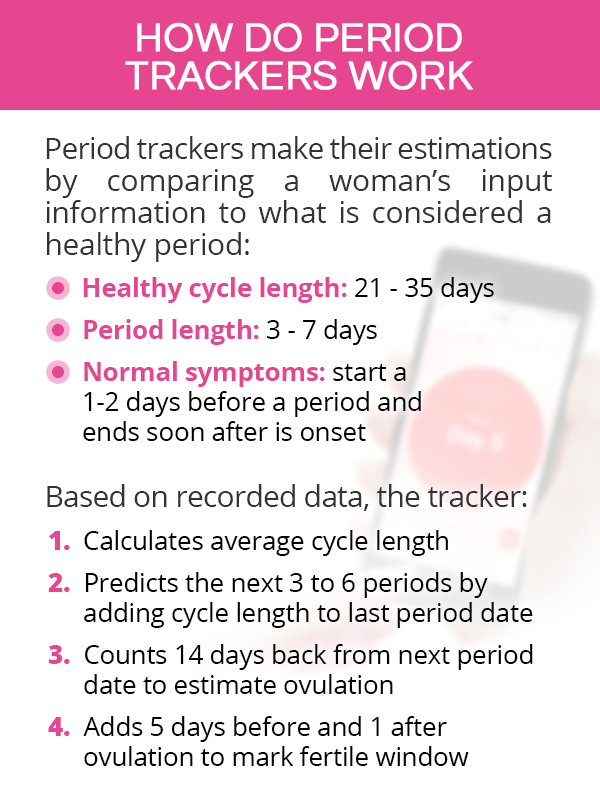
Data Input And Algorithms
Period trackers rely on data you enter. This may include start and end dates of your period, flow intensity, and symptoms. The app uses algorithms to analyze this data and predict future cycles. The more data you input, the better the predictions become.
Factors Affecting Accuracy
Period trackers can help predict your cycle, but their accuracy varies. Several factors affect how well these apps work. Understanding these factors helps you use trackers better.
Cycle Variability
Not all menstrual cycles are the same. Some people have regular cycles, while others have changes every month. Trackers use past data to predict future periods. If your cycle changes often, predictions can be less accurate.
Stress, diet, and lifestyle can change cycle length. These changes confuse the tracker’s calculations. More irregular cycles mean lower accuracy in predictions.
User Input Errors
Trackers rely on the information you enter. Incorrect or missing data reduces accuracy. Forgetting to log your period start date affects the app’s predictions.
Some apps ask for symptoms or flow intensity. Inconsistent or wrong inputs can cause errors. Accurate and timely data entry improves tracker results.
Health Conditions
Certain health issues affect menstrual cycles. Conditions like PCOS, thyroid problems, or hormonal imbalances cause irregular periods. Trackers may not predict well with these conditions.
Medical treatments can also change cycle patterns. If you have health concerns, consult a doctor for better guidance than relying solely on apps.
Scientific Studies On Accuracy
Scientific studies on period tracker accuracy provide useful insights. These studies test how well apps predict menstrual cycles and fertile days. Researchers use real user data and compare app predictions to actual cycle events. This helps understand if period trackers are reliable tools for users.
Research Findings
Many studies show that period trackers can predict cycles with moderate accuracy. Apps often perform better at identifying menstruation days than fertile windows. Some research highlights that accuracy improves with longer app use. Users who log data consistently get better predictions over time. Still, accuracy varies widely between different apps and users.
Limitations Of Studies
Studies on period trackers face several challenges. Small sample sizes can limit the strength of results. Many studies rely on self-reported data, which may be inaccurate. Menstrual cycles vary greatly among individuals, making predictions difficult. Also, some apps use different methods, leading to inconsistent findings. More large-scale research is needed for clearer answers.
Credit: www.sofy.in
Benefits Of Using Period Trackers
Period trackers help many people understand their bodies better. They offer clear insights into menstrual cycles and related changes. These apps and tools support daily health awareness and planning. Users can gain control over their menstrual health with simple, easy-to-use features.
Cycle Awareness
Tracking periods helps predict when the next cycle will start. It shows patterns and changes over time. Users learn the length and regularity of their cycles. This awareness reduces surprises and helps prepare for menstruation.
Fertility Planning
Period trackers identify fertile days in the cycle. This aids those planning to conceive or avoid pregnancy. The apps use data to estimate ovulation and fertile windows. This makes fertility planning clearer and more reliable.
Symptom Tracking
Users can log symptoms like cramps, mood changes, and headaches. Tracking these helps spot trends and triggers. It supports better conversations with doctors or health providers. Symptom tracking improves overall menstrual health management.
Common Misconceptions
Many people trust period trackers without fully understanding their limits. These apps can help spot patterns but have common misconceptions. Some expect perfect predictions. Others believe they replace medical advice. Knowing what period trackers can and cannot do is key.
Predicting Exact Dates
Period trackers estimate dates based on past cycles. They cannot predict exact days. Menstrual cycles often vary due to stress, illness, or lifestyle changes. This means the next period may start earlier or later than the app shows. Expect a range, not a fixed date. These tools give helpful hints, not guarantees.
Reliability For Contraception
Many use period trackers to avoid pregnancy. This is risky. These apps do not reliably identify safe days to skip birth control. Ovulation can shift, making fertile days hard to predict. Using trackers alone for contraception can lead to unintended pregnancies. Always combine with other methods or consult a healthcare provider.
Improving Tracker Accuracy
Improving the accuracy of period trackers helps users understand their cycle better. Accurate tracking can guide health decisions and planning. Simple habits and smart choices boost tracker reliability.
Consistent Data Entry
Enter your period dates at the same time each day. Missing days can confuse the tracker’s predictions. Record symptoms like cramps or mood changes regularly. Consistent data helps the app learn your unique cycle.
Using Multiple Indicators
Track more than just your period dates. Add information like basal body temperature and cervical mucus. These signs give clues about ovulation and fertile windows. The app can make better guesses with more details.
Choosing The Right App
Select an app that fits your needs and cycle type. Look for one that allows detailed data entry and shows clear charts. Read reviews to find apps with reliable algorithms. The right app makes tracking easier and more accurate.
When To Consult A Healthcare Provider
Period trackers help many people understand their cycles better. They provide useful estimates but cannot replace medical advice. Some signs show it is time to talk to a healthcare provider. Knowing these signs helps you take care of your health.
Irregular Cycles
Cycles vary for many reasons. Trackers may show irregular patterns. Sudden changes or very irregular cycles need attention. Missing periods for several months or spotting between cycles can signal problems. A doctor can find the cause and suggest treatment.
Health Concerns
Severe pain during periods is not normal. Heavy bleeding or very light flow also needs checking. Other symptoms like fatigue, weight changes, or mood swings may relate to your cycle. A healthcare provider can diagnose issues like hormonal imbalance or other conditions.
Credit: www.femtechworld.co.uk
Credit: www.shecares.com
Frequently Asked Questions
How Accurate Are Period Tracker Apps?
Period tracker apps are generally accurate for regular cycles. Accuracy depends on consistent data input and cycle regularity. They predict periods based on past cycles but may vary with irregular cycles or health changes.
Can Period Trackers Predict Ovulation Accurately?
Period trackers estimate ovulation using cycle data and averages. They are less accurate without symptoms like basal body temperature or cervical mucus tracking. For precise ovulation prediction, combining methods is recommended.
Do Period Trackers Work For Irregular Cycles?
Period trackers struggle with irregular cycles as predictions rely on past data. Accuracy improves with detailed symptom tracking but may still vary. Users with irregular cycles should use trackers cautiously for fertility or health decisions.
Are Period Tracker Apps Reliable For Contraception?
Period tracker apps should not be solely relied on for contraception. They estimate fertile windows but do not guarantee protection. Combining with other contraceptive methods is essential for effective pregnancy prevention.
Conclusion
Period trackers can help you understand your cycle better. They offer useful estimates but are not always exact. Factors like stress, illness, and lifestyle can change your period. Use trackers as a helpful guide, not a strict rule. Listen to your body and note any changes.
Tracking regularly improves accuracy over time. For health concerns, always talk to a doctor. Simple tools, smart use—your cycle becomes clearer.
As an Amazon Associate, I earn from qualifying purchases.
