

Are you relying on your period tracker to know exactly when your next cycle will start? You’re not alone.
Many people use these apps to plan their lives, avoid surprises, or even track their fertility. But just how accurate are period trackers? Can you trust the dates they give you, or should you be prepared for some unexpected changes?
You’ll discover the truth behind period tracker accuracy and learn what factors can affect the predictions. Keep reading to find out how to make the most of your tracker and take control of your cycle with confidence.
Credit: www.sofy.in
How Period Trackers Work
Period trackers help many women understand their menstrual cycles better. These apps or tools collect data and predict important dates. Knowing how they work can show why some predictions are more accurate than others.
The process involves using personal information and smart calculations. This helps estimate when your next period or fertile days might start. Each tracker may work a little differently based on its design and features.
Algorithms And Data Input
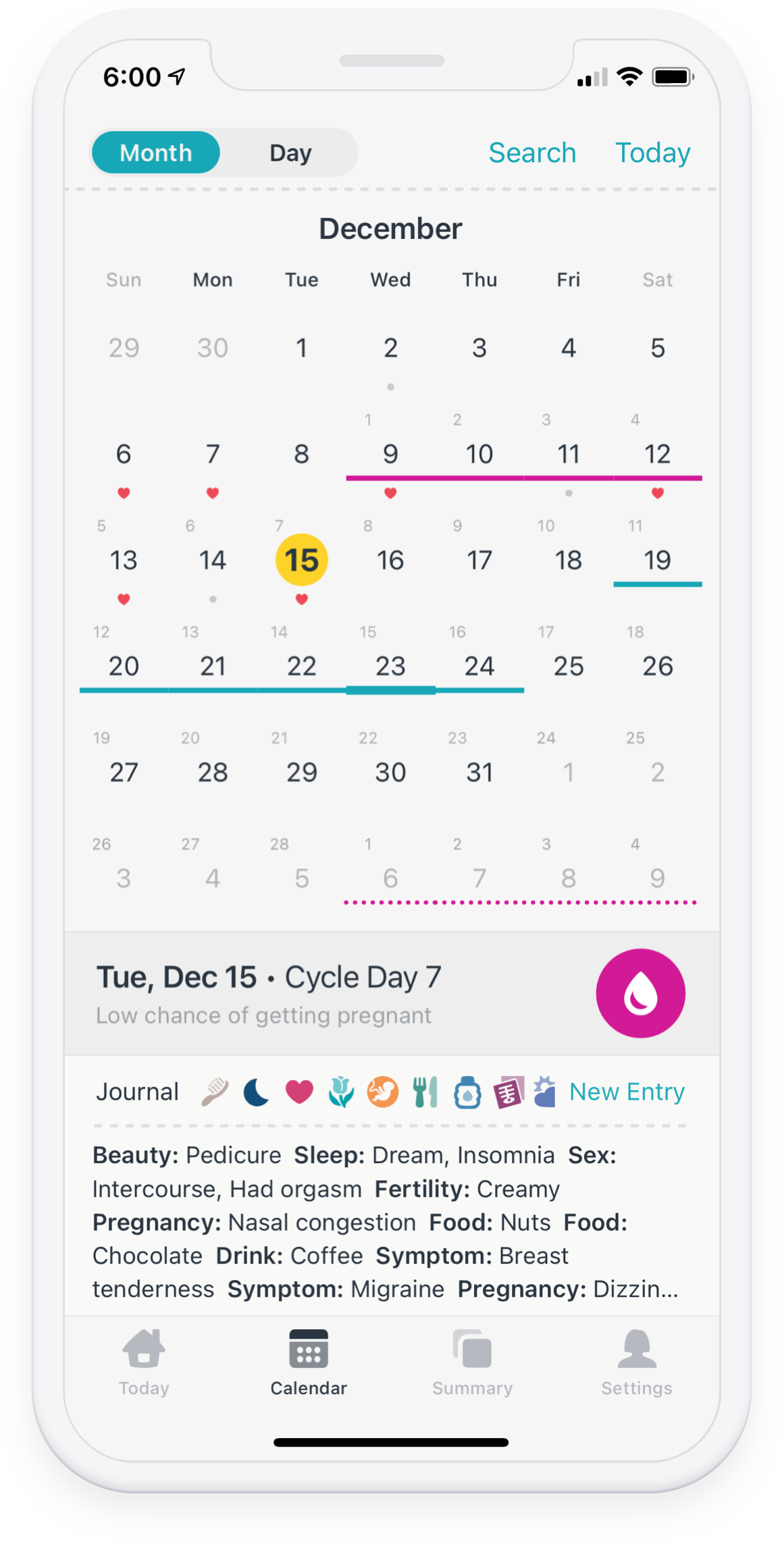
Period trackers use algorithms to analyze your cycle data. These are sets of rules that calculate patterns from your inputs. You enter information like period start dates and flow intensity.
The app studies this data to find your average cycle length. It then predicts future dates based on this average. More data helps the algorithm make better guesses over time.
Types Of Period Trackers
Some period trackers only follow your cycle dates. Others include symptoms like mood or pain levels. Some use basal body temperature or ovulation test results to improve accuracy.
There are simple calendar apps and more advanced health apps. Each offers different features depending on what you need. Choosing the right one depends on your goals and comfort.
Role Of User Consistency
User consistency is key to accurate predictions. Entering data regularly helps the app learn your unique cycle. Skipping days or entering incorrect info can lower accuracy.
Consistent tracking creates a clearer picture of your body’s rhythms. This allows the app to adjust predictions as your cycle changes. Accurate data input leads to more reliable results.
Factors Affecting Accuracy
Period trackers help predict menstrual cycles and fertility days. Their accuracy depends on many factors. Understanding these factors helps set realistic expectations. It also shows why predictions may vary from person to person.
Menstrual Cycle Variability
Menstrual cycles are rarely the same every month. Many women experience changes in cycle length. Stress, diet, and age can cause these changes. Trackers use past data to guess future periods. If cycles vary a lot, predictions become less accurate.
Health Conditions Impact
Health issues can affect menstrual cycles significantly. Conditions like polycystic ovary syndrome (PCOS) or thyroid problems change hormone levels. These changes disrupt regular cycles and confuse period trackers. Women with such conditions may see less accurate predictions.
External Influences
External factors also affect cycle regularity. Travel, shift work, and lifestyle changes can shift periods. Some medications interfere with hormones and cycle timing. These influences make it hard for trackers to predict dates correctly.
Comparing Popular Period Trackers
Period trackers help many women understand their cycles better. Popular apps offer different tools and features. Comparing these apps shows how they work and which might suit you best.
App Features And Technology
Most period trackers predict cycles using past data. Some use calendar tracking. Others add symptoms like mood or flow. Advanced apps use algorithms to improve predictions. A few include ovulation tests and reminders. Some apps sync with health devices for accuracy. Features vary, affecting how precise results are.
User Reviews And Feedback
Users report mixed experiences with period trackers. Some say predictions are mostly correct. Others find them off by several days. Accuracy depends on regular logging of symptoms. Many like the reminder and symptom tracking features. Negative reviews often mention bugs or crashes. Real user feedback helps identify reliable apps.
Scientific Validation
Few period trackers undergo scientific testing. Some studies show apps can predict ovulation well. Others find less accuracy in irregular cycles. Research helps improve app algorithms over time. Apps linked to medical studies offer more trust. Still, no app can guarantee perfect accuracy.

Credit: www.reddit.com
Limitations Of Period Trackers
Period trackers help many women understand their cycle better. They offer predictions about periods, ovulation, and fertile days. But these apps have limits. Knowing these limits helps users trust the app wisely and avoid mistakes.
Predictive Nature Challenges
Period trackers use past data to guess future cycles. They assume a regular pattern. Many women have irregular cycles. Stress, illness, or lifestyle changes affect cycles too. These apps cannot always adjust to sudden changes. Predictions may be wrong or off by days. Users should treat predictions as estimates, not guarantees.
Data Privacy Concerns
These apps collect personal health data. Information like cycle length, symptoms, and sexual activity is stored. Not all apps protect this data well. Some share data with advertisers or third parties. Users may not know how their data is used. Choosing apps with strong privacy policies is important. Protecting personal information should be a priority.
Overreliance Risks
Relying too much on period trackers can cause problems. Some users trust apps for birth control or health diagnosis. These apps are not medical devices. They cannot replace doctor advice or tests. Ignoring symptoms or delays because of app predictions is risky. Period trackers should support health awareness, not replace professional care.
Tips To Improve Accuracy
Period trackers rely on the information you provide. The more accurate the data, the better the predictions. Some simple steps can help improve the accuracy of these apps.
Consistent Data Logging
Enter your period dates on time. Track every cycle without skipping days. Consistent logging helps the app learn your pattern. This improves future predictions and alerts.
Incorporating Physical Symptoms
Note symptoms like cramps, mood changes, and flow intensity. These signs give extra clues about your cycle. Many apps allow you to add this information. It helps the app understand your body better.
Regular App Updates
Keep your app updated with the latest version. Updates fix bugs and improve algorithms. Updated apps provide more reliable and accurate tracking. Check for new features that help tracking.
Future Of Period Tracking Technology
The future of period tracking technology looks very promising. New tools will help women understand their bodies better. These tools will be smarter and more accurate. They will provide useful information for health and wellness. The technology will combine data from different sources for clearer insights.
Integration With Wearables
Wearable devices will play a big role in period tracking. They collect real-time data like heart rate and sleep patterns. This data helps predict menstrual cycles more accurately. Devices like smartwatches will sync directly with period apps. Users can get updates without opening their phones. This makes tracking easier and more convenient.
Advancements In Ai
Artificial Intelligence will improve how period trackers work. AI can analyze large amounts of data quickly. It learns patterns unique to each user’s body. This leads to better predictions of cycle changes. AI also adapts to irregular cycles and symptoms. It makes period tracking more personal and reliable.
Personalized Health Insights
Future period trackers will offer personalized health advice. They will not just track periods but overall well-being. Users can receive tips on nutrition, exercise, and stress. The apps will monitor symptoms and suggest when to see a doctor. Personalized insights help women take control of their health.
Credit: www.oneperiodtracker.com
Frequently Asked Questions
How Reliable Are Period Trackers For Ovulation Prediction?
Period trackers use algorithms based on cycle data to estimate ovulation. Accuracy varies with input consistency and cycle regularity. For irregular cycles, predictions may be less accurate. Using additional fertility signs improves reliability. Always consider trackers as guides, not exact measures.
Can Period Trackers Predict Irregular Menstrual Cycles?
Period trackers can identify irregularities by analyzing cycle length variations. They help recognize patterns but cannot diagnose causes. For irregular cycles, tracking helps provide data for healthcare providers. Trackers offer valuable insights but should not replace medical advice.
Do Period Trackers Work For All Age Groups?
Period trackers are effective for most age groups but work best with regular cycles. Younger teens and perimenopausal women may experience more variability, affecting accuracy. Customizing inputs improves results. Trackers support understanding but individual cycle changes may reduce precision.
How Do Period Trackers Handle Missed Or Late Periods?
Trackers adjust predictions based on logged cycle changes, including missed or late periods. Frequent updates improve future accuracy. However, significant deviations can reduce prediction reliability. Users should update data promptly for better tracking and consult doctors if irregularities persist.
Conclusion
Period trackers can help predict cycles but are not always exact. Each body is different, and many factors affect accuracy. Using the tracker along with personal observations works best. Tracking symptoms and changes adds helpful information. Remember, these apps support awareness but do not replace medical advice.
Stay patient and use the app as a guide, not a guarantee. Period tracking is a useful tool when used carefully and thoughtfully.
As an Amazon Associate, I earn from qualifying purchases.
