

Have you ever wondered if trackers could be putting your privacy at risk? Whether it’s a fitness band, a smartphone app, or a hidden device, trackers are everywhere—quietly collecting information about you.
But are they really dangerous? This article will help you understand what trackers do, how they might affect your safety, and what you can do to protect yourself. Keep reading to uncover the truth about trackers and take control of your personal data.

Credit: www.youtube.com
Types Of Trackers
Trackers come in many types. Each one collects data in a different way. Knowing the types helps you understand their risks and uses.
Gps Trackers
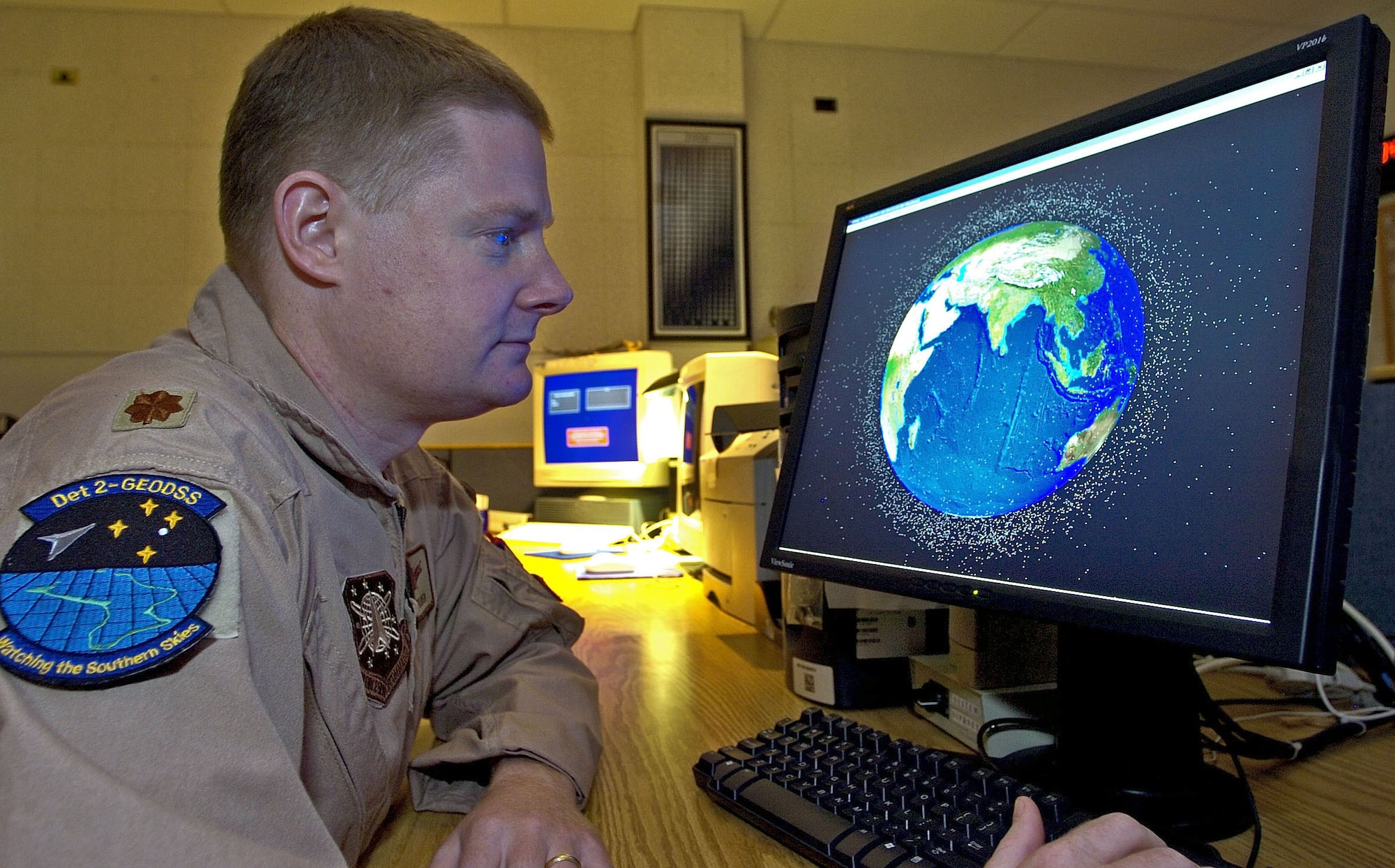
GPS trackers use satellites to find your exact location. They are common in cars, phones, and pets. These trackers can show where you are in real time. Some people worry about their location being shared without permission.
Browser Trackers
Browser trackers collect data about your online activity. They record which websites you visit and what you click. Advertisers use this data to show ads that match your interests. This can feel like someone is always watching you online.
Social Media Trackers
Social media platforms track what you like, share, and comment on. They also monitor the time you spend on different posts. This data helps create personalized content and ads. It can also lead to privacy issues if shared with third parties.
Fitness And Health Trackers
These trackers monitor your physical activity, heart rate, and sleep. They help users stay healthy and reach fitness goals. The data collected is personal and sensitive. If not protected, it may be misused or leaked.
Credit: www.af.mil
How Trackers Collect Data
Trackers collect data in several ways to learn about users. They gather information from devices, apps, and websites. This helps companies understand user habits and preferences. Knowing how trackers collect data reveals privacy risks and how your information spreads.
Location Monitoring
Trackers often collect location data. They use GPS signals or nearby Wi-Fi networks. This shows where you are or where you have been. Location tracking helps companies target ads based on your movement. It can also reveal sensitive places you visit.
Behavioral Data Gathering
Trackers watch what you do online. They record clicks, pages visited, and time spent on sites. This data builds a profile of your interests and habits. Companies use this to customize ads or content for you. It also helps them predict your future actions.
Device Fingerprinting
Device fingerprinting identifies your device uniquely. Trackers collect data like browser type, screen size, and system settings. This creates a digital “fingerprint” that is hard to change. It helps track you across different websites without cookies. This method is harder to detect and block.
Privacy Risks
Trackers collect a lot of personal data from users. This data can include your habits, locations, and preferences. Such information creates serious privacy risks. Understanding these risks helps you protect your personal information better.
Unauthorized Data Sharing
Trackers often share your data without your clear consent. Companies may sell or give your information to third parties. These third parties can use your data for ads or other unknown purposes. You might not know where your information ends up.
Identity Theft
Trackers gather sensitive details like your name, email, and location. Hackers can steal this data if trackers are not secure. Stolen data can lead to identity theft. This means someone could pretend to be you and cause harm.
Surveillance Concerns
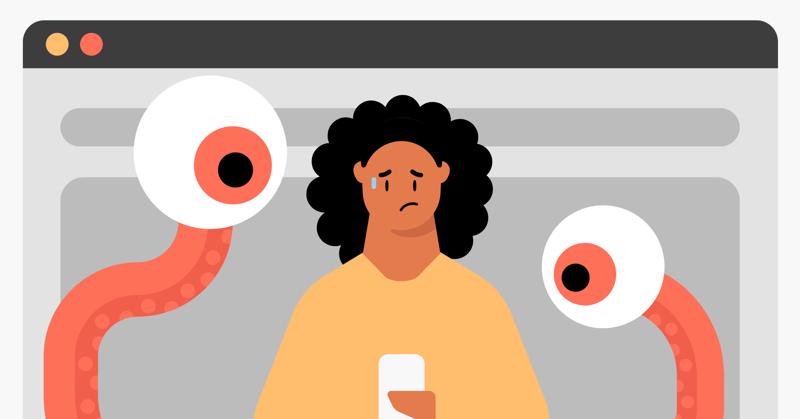
Trackers make it easy to follow your actions online and offline. Governments or organizations can use this data to watch you. Constant surveillance threatens your right to privacy. It can limit your freedom and make you feel unsafe.
Credit: nordvpn.com
Security Vulnerabilities
Trackers collect a lot of personal data. This data can be a target for cyber threats. Security vulnerabilities in trackers put your privacy at risk. Understanding these risks helps you stay safe online.
Data Breaches
Trackers store sensitive information in databases. Hackers can break into these databases. Data breaches expose your private details to strangers. Stolen data can include location, habits, and preferences. Such leaks can lead to identity theft or fraud.
Hacking Risks
Trackers often connect to the internet. This connection creates entry points for hackers. Hackers can control trackers remotely. They may use this access to spy on users. Poor security makes hacking easier for criminals.
Malware Infections
Some trackers carry hidden malware. Malware can damage devices or steal data. It spreads quietly through apps or websites. Once infected, your device may slow down or crash. Malware also helps hackers gain deeper access.
Impact On Personal Freedom
Trackers impact personal freedom in several important ways. They collect data about your habits, interests, and locations. This constant monitoring can limit how freely you act or express yourself. Understanding this impact helps protect your rights and privacy.
Tracking And Profiling
Trackers gather detailed information about your online and offline behavior. Companies create profiles based on your activities. These profiles predict your choices and preferences. Such data collection can feel intrusive and controlling. It reduces your ability to keep personal information private.
Chilling Effects On Behavior
Knowing you are watched changes how you act. People may avoid certain websites or topics. They might stop sharing honest opinions online. This self-censorship harms free speech and creativity. Fear of surveillance limits personal freedom deeply.
Legal And Ethical Challenges
Trackers raise many legal and ethical questions. Their use affects privacy and personal rights. Laws try to control how trackers work. People must think about fairness and respect too. Understanding these challenges helps us use trackers wisely.
Regulations Around Trackers
Many countries have rules about trackers. These rules protect people’s privacy and data. Companies must get consent before tracking anyone. Some places require clear notices about tracking. Breaking these laws can lead to fines or legal action. Rules are changing as technology grows. Staying updated with laws is important for users and companies.
Ethical Use Of Tracking Technology
Ethics means doing what is right and fair. Using trackers without permission is unfair and wrong. Tracking should not invade personal space or freedom. Transparency is key. People should know what data is collected. Data must be used only for good reasons. Misusing tracking data harms trust and safety. Ethical use builds respect and protects everyone’s rights.
Ways To Protect Yourself
Trackers collect data about your online actions. They can affect your privacy and security. Taking steps to protect yourself is important. Simple methods can reduce risks and keep your data safer.
Using Privacy Tools
Privacy tools block or limit trackers on websites. Examples include ad blockers and tracker blockers. These tools stop many trackers from collecting your data. Use browsers that focus on privacy, like Firefox or Brave. They have built-in features to block trackers automatically.
Adjusting Device Settings
Changing your device settings helps control tracking. Turn off location services when not needed. Disable cookies or set your browser to clear them often. Use private browsing or incognito mode to limit data saved. Update your software regularly to fix security issues.
Being Cautious Online
Think before sharing personal information online. Avoid clicking on suspicious links or ads. Use strong, unique passwords for different accounts. Be careful with apps asking for many permissions. Review privacy policies to understand how your data is used.
Frequently Asked Questions
What Are The Main Dangers Of Using Trackers?
Trackers can expose personal data to hackers and third parties. They may lead to privacy breaches and unwanted profiling. Some trackers also affect device performance and battery life.
Can Trackers Harm My Device Or Data Security?
Yes, malicious trackers can install malware or spyware. They may steal sensitive information or cause system vulnerabilities. Always use trusted security software to minimize risks.
How Do Trackers Invade User Privacy?
Trackers collect browsing habits, location, and personal preferences without consent. This data is often sold to advertisers or misused. Using tracker blockers can help protect your privacy.
Are All Trackers Harmful To Users?
Not all trackers are harmful. Some help improve user experience and website performance. However, invasive trackers that collect excessive data pose significant privacy risks.
Conclusion
Trackers can pose risks to your privacy and security. They collect data, often without clear permission. Some trackers help improve services, but many track too much. Being aware helps you control what you share. Use tools to limit or block trackers.
Stay informed about how your data is used. Protect your personal information every time you browse. Simple steps can reduce dangers from trackers. Your privacy matters, so take action today.
As an Amazon Associate, I earn from qualifying purchases.
