

Have you ever stopped to wonder who invented the smartphone you use every day? It’s more than just a gadget; it’s the key to your world—connecting you to friends, work, and endless information.
Knowing the story behind this powerful device can change how you see it and make you appreciate the amazing technology in your hand. Keep reading, and you’ll discover surprising facts about the people and ideas that brought your smartphone to life.
This isn’t just history—it’s the story of your daily life made possible.
Credit: tech.hindustantimes.com
Early Mobile Communication Devices
Before smartphones, many devices helped people communicate on the move. Early mobile communication began with simple radios. These radios allowed voice messages without wires. They were large and limited to specific uses like police or military.
Over time, engineers worked to make devices smaller and easier to use. This led to the creation of the first mobile phones. These early phones changed how people stayed connected outside their homes.
From Radios To Mobile Phones
Radios started as bulky machines for sending voice signals. They worked through radio waves but had no clear phone functions. In the 1940s and 1950s, mobile radio systems appeared in cars and trucks. These systems helped drivers talk with dispatchers over short distances.
The big change came with the first true mobile phones in the 1970s. These devices used cellular networks to connect calls. Each cell covered a small area, allowing many users to share frequencies. Early mobile phones were heavy and expensive but marked a new communication era.
Key Innovations Before Smartphones
Several inventions set the stage for smartphones. The introduction of touch screens made navigation easier. Early phones added features like texting and basic games. Miniaturization of parts allowed phones to become pocket-sized.
Battery improvements extended talk time. The shift from analog to digital signals improved call quality. These steps built the foundation for the advanced devices we use today.

Credit: www.inc.com
The First True Smartphone
The first true smartphone changed how people use mobile devices. It combined phone calls with computing features. This device set the stage for all modern smartphones.
The breakthrough came in the early 1990s. It was a device that could make calls and run apps. This was more than just a phone or a PDA.
Ibm Simon: The Pioneer
IBM Simon was the first device called a smartphone. It launched in 1994. Simon could send and receive faxes, emails, and phone calls.
IBM worked with BellSouth to create this device. It had a touchscreen, which was rare then. People could write with a stylus or use a small keyboard.
Simon was bulky compared to today’s phones. It weighed about half a pound. Still, it was a huge step forward in technology.
Features Ahead Of Its Time
Simon had many features that were new. It included a calendar, address book, and notepad. Users could send text messages and even faxes.
The device had apps like a calculator and world clock. It used a monochrome LCD screen. Battery life lasted only about an hour of talk time.
Despite its short battery life, Simon’s functions were impressive. It combined communication and computing in one device. This blend defines what a smartphone is today.
Contributions From Major Tech Companies
The smartphone’s creation involved many big tech companies. Each added new ideas and features. Their work shaped what we now call a smartphone.
These companies helped change phones from simple tools to powerful devices. They improved design, connectivity, and user experience. Their contributions made smartphones part of daily life.
Nokia’s Influence On Mobile Design
Nokia led early mobile phone design. Their phones were strong and easy to use. Nokia made devices with long battery life and clear screens. Many people trusted Nokia for reliable phones. Their designs set standards for future smartphones.
Blackberry And Business Connectivity
BlackBerry focused on business users. They created secure email and messaging services. Their phones had physical keyboards for easy typing. BlackBerry helped professionals stay connected on the go. This pushed smartphone use beyond personal calls.
Apple’s Revolution With The Iphone
Apple changed smartphones with the iPhone. It had a touchscreen and simple controls. The iPhone combined phone, music player, and internet access. Apple introduced an app store for new programs. This made smartphones more useful and fun for everyone.
The Role Of Software In Smartphone Evolution
The smartphone’s power comes not just from hardware but from software too. Software shapes how users interact with their devices. It controls everything from making calls to running apps. The evolution of smartphone software changed the way people use phones. It made phones smarter and more useful every year.
Software development allowed phones to become personal assistants, entertainment centers, and tools for work. This shift started with the creation of mobile operating systems and grew with app stores. Both changed the smartphone world forever.
Emergence Of Mobile Operating Systems
Mobile operating systems (OS) are the backbone of smartphones. Early phones had simple systems with limited functions. The first true smartphone OS gave more control and features to users. Popular OS like iOS and Android made phones easy to use. They also allowed developers to create new apps. This opened many possibilities for phone users everywhere.
Operating systems manage hardware and software tasks. They handle calls, messages, and internet access smoothly. By improving OS, phones became faster and more reliable. The OS also helped in adding new features like touchscreens and cameras.
App Stores And User Experience
App stores brought a new way to get software on phones. Before app stores, installing new apps was hard and risky. App stores made it simple and safe to download apps. Users could find games, tools, and social media apps easily. This changed how people used their phones daily.
App stores also helped developers reach millions of users. They created apps that fit different needs and interests. This variety improved user experience and made smartphones more fun and useful. Over time, app stores became central to the smartphone ecosystem.
Innovators Behind The Technology
The smartphone is a result of many minds working together. It did not come from one single person. Many inventors and engineers built the ideas step by step. Their work laid the foundation for the devices we use today.
Understanding these innovators helps us appreciate the technology better. They combined skills in hardware, software, and design. Each made important contributions that shaped the smartphone.
Key Inventors And Engineers
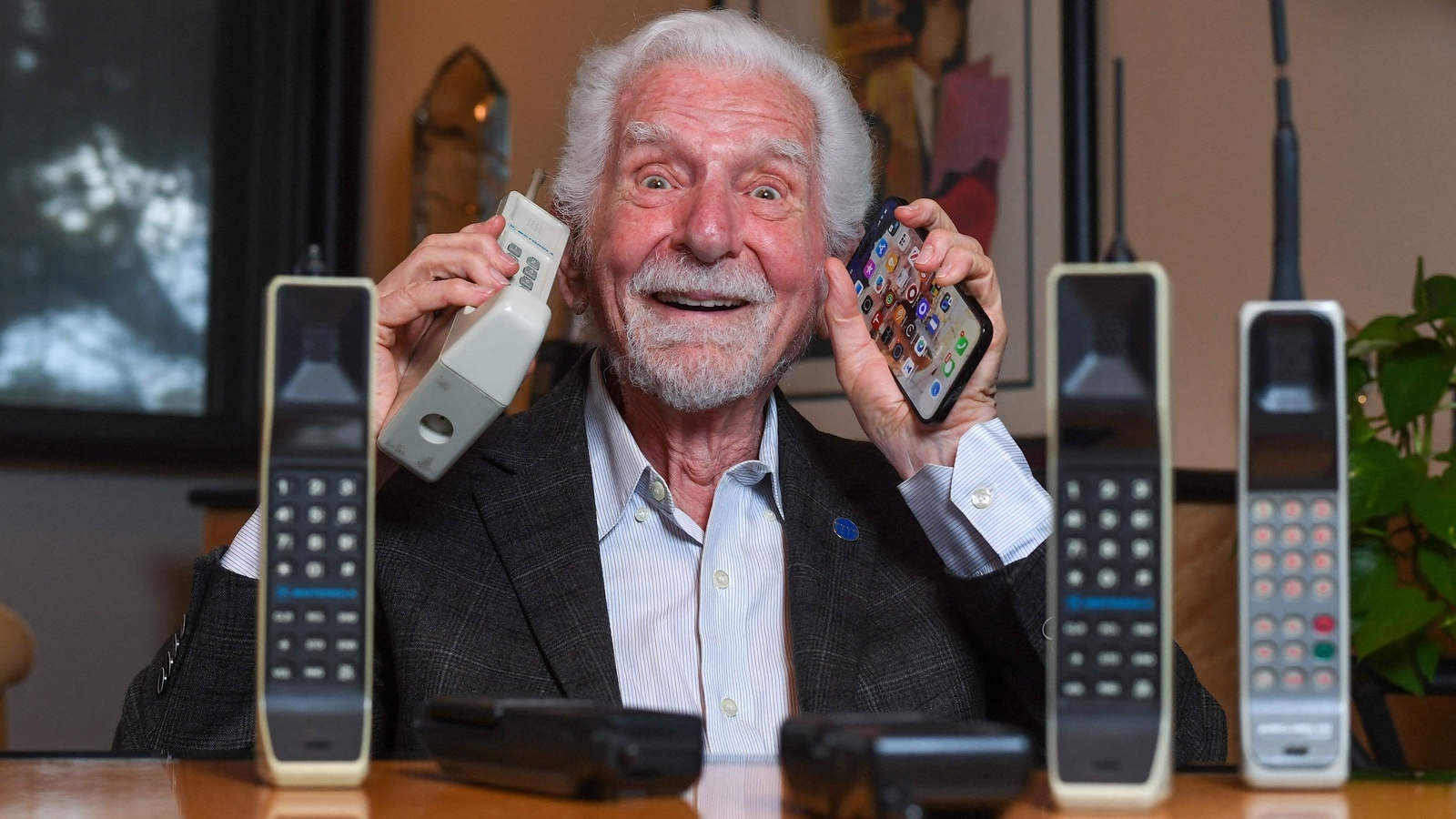
Martin Cooper is often called the father of the first mobile phone. He led Motorola’s team to create the first handheld cell phone in 1973. This device was large but mobile, changing communication forever.
IBM played a big role too. In 1992, they introduced the Simon Personal Communicator. It was the first device with phone and PDA features. This was the first true smartphone, combining calling with apps.
Steve Jobs and Apple brought smartphones to the masses. The iPhone launched in 2007, merging touchscreens with internet access. This design made smartphones easy and fun to use.
Collaborative Efforts Across Companies
Many companies shared ideas and technology to improve smartphones. Qualcomm developed key chips that powered wireless connectivity. Their work helped phones connect to networks faster.
Microsoft created software that allowed phones to run apps smoothly. Nokia led early mobile phone design and network technology. These companies influenced the look and function of phones.
Google’s Android system made smartphones affordable and flexible. It gave many brands a way to build smart devices. Collaboration pushed innovation and made smartphones common worldwide.
-min.jpeg)
Credit: www.textedly.com
How Smartphones Changed Society
Smartphones have deeply affected how people live and work. They changed many parts of daily life. This change started with how people communicate and how they handle everyday tasks. The smartphone is not just a phone. It is a small computer that fits in your hand. It keeps us connected and helps us manage many activities.
Impact On Communication
Smartphones made talking easier and faster. Calls, texts, and emails happen instantly. People can connect from anywhere at any time. Social media apps bring friends and family closer. Video calls show faces, not just voices. This has changed how people build and keep relationships.
Communication is no longer limited by distance. People share news, photos, and videos in seconds. This instant sharing keeps people updated and involved. Smartphones also gave a voice to many who were silent before.
Transformation Of Daily Life
Smartphones help with many daily tasks. They serve as calendars, maps, and wallets. People shop, bank, and learn using their phones. They listen to music, watch videos, and read books anytime. This convenience saves time and effort.
Work and study have also changed. People can work from home or anywhere. Students access information and attend classes online. Smartphones support a flexible lifestyle. They help balance work, learning, and leisure.
Frequently Asked Questions
Who Invented The First Smartphone?
The first smartphone was invented by IBM and BellSouth in 1992. It was called Simon Personal Communicator and combined phone and PDA functions.
When Was The Smartphone First Created?
The first smartphone, IBM Simon, was created in 1992. It became commercially available in 1994, marking the start of smartphone history.
How Did Ibm Simon Influence Smartphones?
IBM Simon introduced touchscreen, email, and apps features. It laid the foundation for modern smartphones by combining communication and computing.
Who Improved The Smartphone After Ibm Simon?
Companies like Nokia, BlackBerry, and Apple improved smartphones. Apple’s iPhone in 2007 revolutionized smartphones with a user-friendly touchscreen and app store.
Conclusion
The smartphone’s invention involved many people and ideas. Early devices laid the groundwork for today’s models. Each step brought new features and improvements. Today’s smartphones blend technology, design, and convenience. They connect us in ways once thought impossible. Understanding their history helps us appreciate their value.
The story of the smartphone is still unfolding. Who knows what the future will bring?
As an Amazon Associate, I earn from qualifying purchases.