

Have you ever wondered when smartphones first appeared and changed the way we live? You probably use one every day, but do you know the story behind this powerful device in your hand?
Understanding when smartphones came out will give you a new appreciation for how quickly technology has evolved. Keep reading, and you’ll discover surprising facts about the early days of smartphones that might just change how you see your own device.
Ready to unlock the history behind your favorite gadget? Let’s dive in.
Early Mobile Communication
Mobile communication began long before smartphones appeared. It started with basic radio signals and simple devices. People wanted to talk without wires. This need led to the invention of early mobile phones.
These early systems laid the foundation for the phones we use today. They were large and expensive. Still, they showed that wireless communication was possible.
From Radios To Mobile Phones
Early communication used radios for military and emergency services. Radios sent voice signals over long distances. They were not portable for everyday use. Engineers worked to shrink radio devices. This effort led to the first mobile phones. These phones were bulky and heavy. Users could carry them in cars or bags.
First Generation Mobile Networks
The 1980s saw the rise of the first generation, or 1G, mobile networks. These networks used analog signals to connect calls. Coverage was limited to big cities. Calls were often unclear and dropped. Still, 1G networks allowed real mobile phone use. They marked the start of wireless phone communication for the public.

Credit: www.weforum.org
Birth Of The Smartphone
Smartphones changed how people communicate and use technology daily. They combined the functions of a phone and a computer in one device. This idea started decades ago, but the first real smartphone appeared in the early 1990s.
Early mobile phones only made calls and sent texts. The smartphone brought new features that let users do much more. It laid the foundation for modern mobile technology.
Ibm Simon: The Pioneer Device
IBM Simon is known as the first smartphone. It was introduced in 1992 and released in 1994. This device combined a mobile phone with a touchscreen interface.
Simon allowed users to send faxes, emails, and make calls. It had a calendar, address book, and note pad. These functions were new for a phone at that time.
Though bulky and expensive, IBM Simon showed what smartphones could do. It set the stage for future devices that improved on its design.
Key Features That Set Smartphones Apart
Smartphones have several features that make them unique. Touchscreens replaced physical keypads, making devices easier to use. They support apps that add many functions beyond calls and texts.
Internet access is a major feature, allowing browsing and online communication. Cameras let users take photos and videos on the go. GPS and sensors help with navigation and fitness tracking.
Smartphones combine many tools in one small device. This convenience changed how people live and work every day.
Evolution Through The 2000s
The 2000s marked a big change in the world of smartphones. Phones moved from simple calling devices to smart gadgets. This decade saw major shifts in design and technology. Companies competed hard to offer better features. Users started to expect more than just calls and texts.
Phones became tools for work and fun. Email, internet, and apps grew in importance. The 2000s laid the foundation for today’s smartphones. Let’s explore two key moments from this era.
Rise Of Blackberry And Nokia
BlackBerry and Nokia led the smartphone market early in the 2000s. BlackBerry was popular with business users. Its physical keyboard made typing emails easier and faster. Nokia focused on durability and battery life. Many people trusted Nokia phones for everyday use. Both brands shaped how people used mobile phones at work and home.
Introduction Of Touchscreens
Touchscreens changed smartphones forever. Early in the 2000s, phones used small screens with buttons. Touchscreens allowed users to tap and swipe directly on the display. This made navigation simpler and faster. The launch of the first major touchscreen phone in 2007 pushed this trend forward. Soon, touchscreens became standard in most smartphones. This shift opened up new ways to use phones for games, browsing, and apps.
The Iphone Revolution
The launch of the iPhone in 2007 marked a major change in smartphones. It introduced a new way to use phones, combining a phone, music player, and internet device in one. The iPhone brought touchscreens and apps to the front, changing how people interact with their devices. This shift influenced many companies and shaped the future of mobile technology.
Redefining User Experience
The iPhone replaced physical keyboards with a full touchscreen. This made navigation smooth and simple. Users could tap, swipe, and pinch to control the device. The screen showed vibrant colors and clear images. It made browsing websites and viewing photos more enjoyable.
Apple focused on easy-to-use software. The iPhone’s operating system was friendly to beginners. It included built-in apps like Mail, Maps, and Safari. The App Store allowed users to download new apps quickly. This created endless possibilities on a small device.
Impact On The Mobile Industry
The iPhone pushed other companies to improve their phones. Competitors began making devices with touchscreens and app stores. It raised standards for phone design and features. Mobile networks also upgraded to support faster internet.
Smartphones became more popular for work and play. Businesses started creating apps for customers. The phone turned into a tool for shopping, banking, and socializing. The iPhone set a new path that shaped all future mobile devices.
Android And Market Expansion
Android played a big role in changing the smartphone market. It made smartphones more available to many people around the world. The system’s open nature helped many companies create devices. This widened the smartphone market quickly.
Open Source Advantage
Android’s open source code allowed many developers to join. They could change and improve the software freely. This led to fast updates and new features. Small and big companies both used Android for their phones. It helped reduce costs and bring more choices to users.
Diverse Device Ecosystem
Many brands made Android phones with different designs and prices. From simple models to high-end devices, there was something for everyone. This variety attracted more users and grew the market. Android’s flexibility helped it fit many needs and budgets. It became a top choice for smartphone buyers worldwide.

Credit: www.cellularsales.com
Technological Breakthroughs
Smartphones became popular because of key technological breakthroughs. These changes made phones faster, smarter, and easier to use. They allowed many functions to fit into one small device. Two major advances helped smartphones grow quickly. One was better mobile processors. The other was faster mobile internet connections.
Advances In Mobile Processors
Mobile processors got faster and more energy efficient. Early smartphones had simple chips that could only handle basic tasks. Newer processors use multiple cores to do many things at once. They run apps smoothly and support high-quality graphics. This lets users play games, watch videos, and multitask easily. Smaller chips also save battery life. Phones last longer without charging. These improvements made smartphones more powerful and useful.
Improved Connectivity And 4g
Internet speed is key for smartphone use. Early phones used slow 2G or 3G networks. These limited browsing and app use. The arrival of 4G changed this. It offers much faster data speeds and lower delay. Users can stream videos, make video calls, and download files quickly. 4G also supports more users at once. This made smartphones practical for everyday internet use. Better connectivity helped smartphones become essential tools for work and fun.
Smartphones Today
Smartphones today are a vital part of daily life. They are small, powerful devices that help people stay connected. Technology in smartphones has grown fast. New features make them useful for work, play, and learning.
People use smartphones for many tasks. From calling and texting to browsing the internet. Cameras on phones are better than ever. Apps allow users to shop, bank, and even exercise with ease.
Trends In Design And Functionality
Smartphones now have sleek, thin designs. Screens cover almost the entire front. Touchscreens respond quickly to taps and swipes. Some models fold to become even smaller.
Batteries last longer to support heavy use. Cameras have multiple lenses for sharp photos. Voice assistants help with tasks without typing. Fast processors make games and videos smooth.
Role In Everyday Life
People use smartphones to communicate instantly. Social media keeps users connected worldwide. Navigation apps guide users with real-time maps. Smartphones also track health and fitness goals.
Many rely on smartphones for news and weather. Online payments make shopping quick and safe. Education apps support learning for all ages. Smartphones have become tools for work and fun.
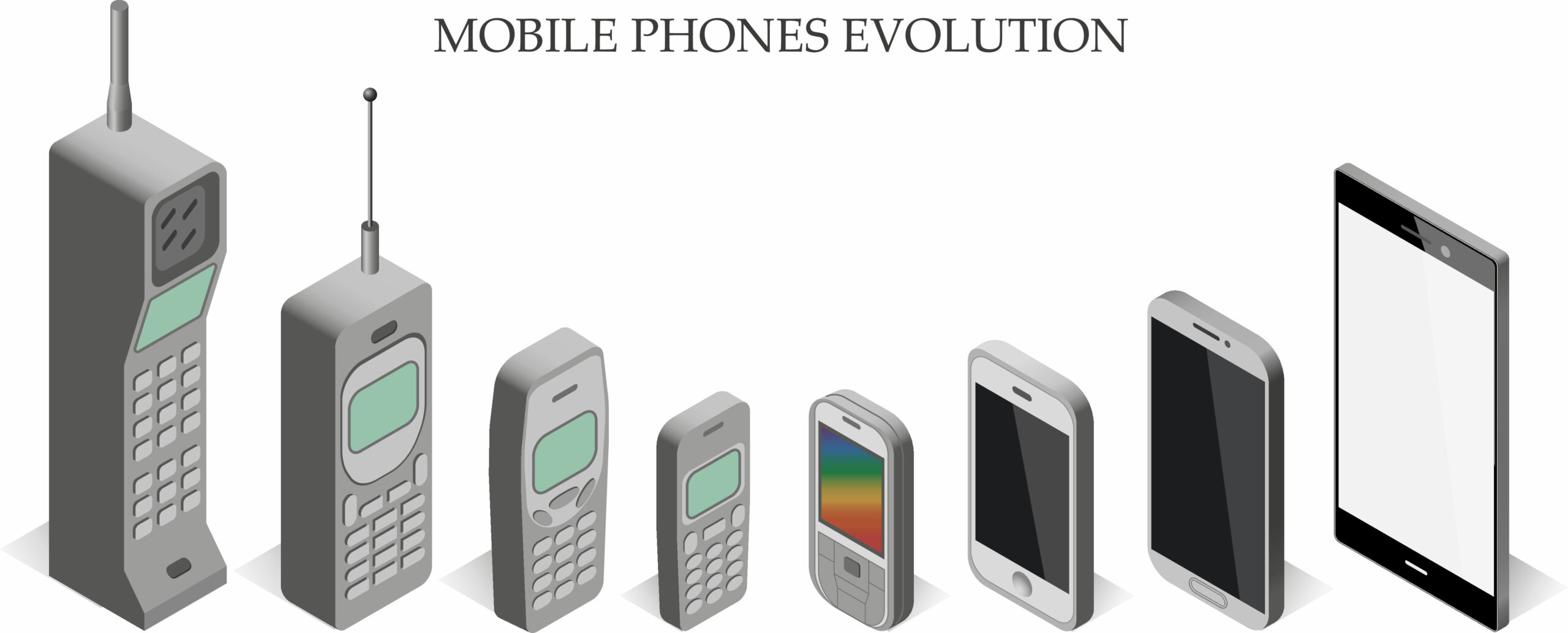
Credit: techwireasia.com
Future Of Smartphones
The future of smartphones promises big changes. These devices will not just be phones. They will blend with daily life, making tasks easier and faster. New designs and smart features will shape how we use technology.
Better screens and smarter connections will bring fresh experiences. Users will enjoy more flexibility and power in their hands. The smartphone of tomorrow will fit many needs in one device.
Foldable Screens And Beyond
Foldable screens offer larger displays in smaller sizes. Phones can open like books, showing more space for apps and videos. This design helps users do more without carrying bigger devices. Future models may fold in new ways or stretch. This can change how we watch, work, and play on phones.
Integration With Ai And Iot
Smartphones will connect more with other devices at home and work. This is called the Internet of Things (IoT). Phones will control lights, locks, and appliances easily. Artificial Intelligence (AI) will learn user habits to give better suggestions. Phones may predict needs and act faster. This makes life smoother and more connected.
Frequently Asked Questions
When Was The First Smartphone Released?
The first smartphone, IBM Simon, was released in 1994. It combined a phone and PDA features, including email and fax. This device marked the beginning of modern smartphones.
Who Invented The First Smartphone?
IBM and BellSouth jointly developed the first smartphone, IBM Simon. It was designed by Frank J. Canova and released in 1994. This innovation paved the way for future mobile technology.
How Did Smartphones Evolve After 1994?
After 1994, smartphones evolved with better processors, touchscreens, and apps. Companies like Nokia, BlackBerry, and Apple led this growth. The 2007 iPhone launch revolutionized the industry with its user-friendly design and app ecosystem.
What Features Did Early Smartphones Have?
Early smartphones had basic features like calling, texting, calendars, and email. IBM Simon included a touchscreen and fax capability. These features laid the foundation for today’s advanced mobile devices.
Conclusion
Smartphones first appeared in the early 1990s. They changed how people connect and work. Over time, phones became smaller and smarter. Today, almost everyone uses a smartphone daily. These devices help with calls, messages, photos, and internet. Smartphones keep evolving with new features and designs.
They will remain part of our lives for years. Understanding their history shows how far technology has come. The story of smartphones is still unfolding. Exciting times lie ahead for mobile technology.
As an Amazon Associate, I earn from qualifying purchases.