

Have you ever wished your home could make life easier for you? Imagine lights that turn on before you enter a room or a thermostat that knows exactly when you’re coming back.
That’s what a smart home is all about. It’s not just about fancy gadgets—it’s about making your daily routine smoother, safer, and more comfortable. If you want to discover how your home can start working for you, keep reading. This guide will show you what a smart home really is and how it can change the way you live.
Credit: tridenstechnology.com
Smart Home Essentials
Smart home essentials form the foundation of a connected living space. These basics help you control your home easily and save energy. Understanding these essentials makes smart home technology simple and useful.
Key Components
Smart homes need a few main parts to work well. A central hub controls all devices from one place. Sensors detect changes like motion, temperature, or light. Smart plugs connect regular devices to your system. Cameras keep an eye on your home for security. Voice assistants let you control devices with your voice.
Popular Devices
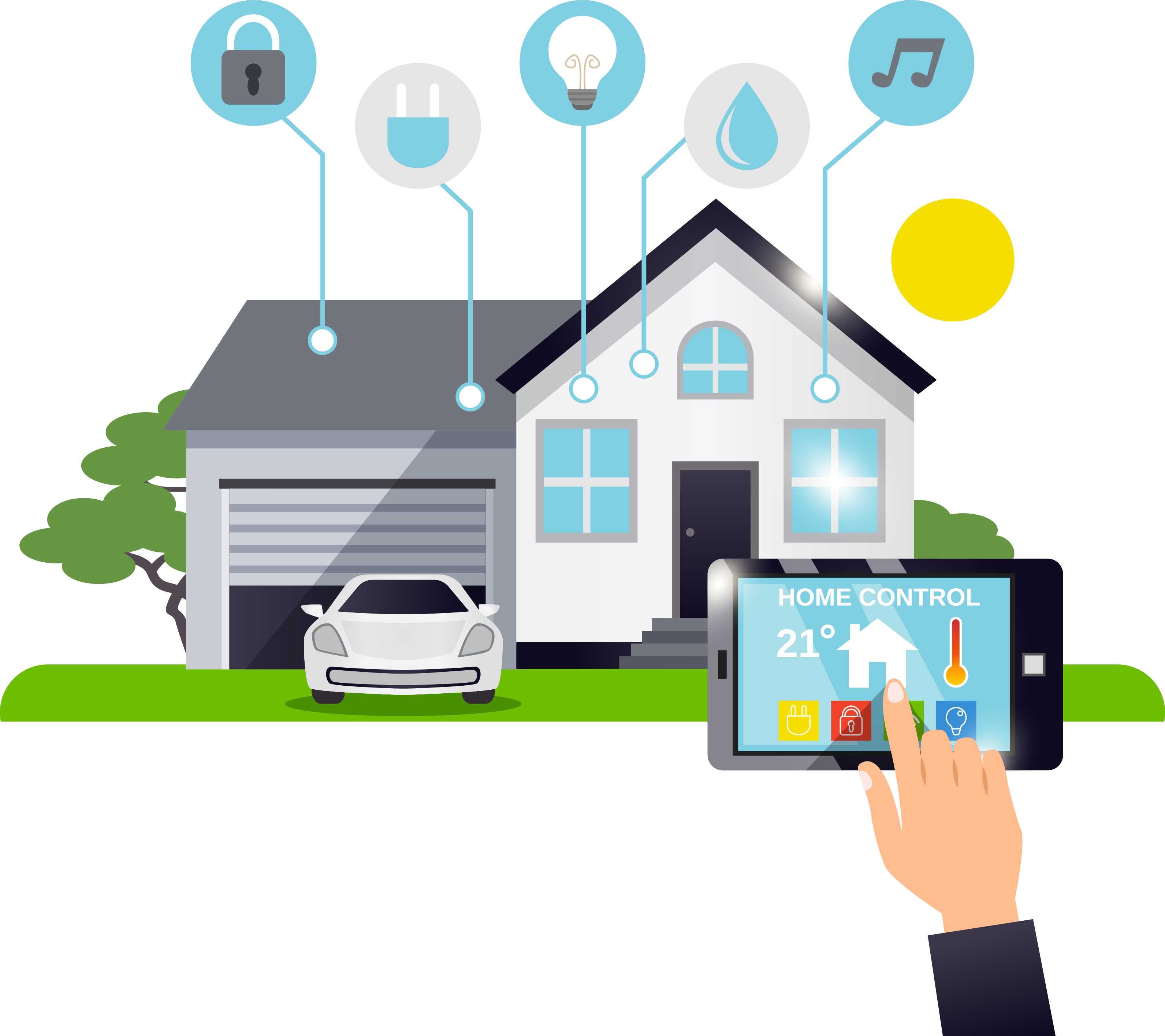
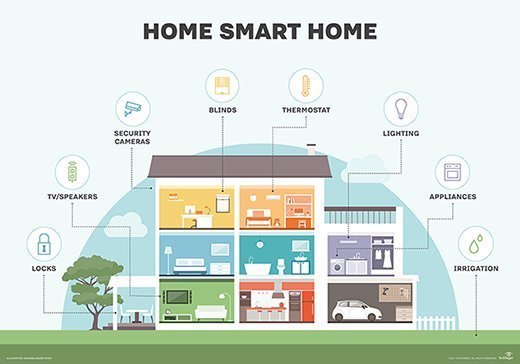
Many devices fit into a smart home setup. Smart lights adjust brightness and color with a tap. Thermostats learn your schedule to save energy. Door locks unlock with a phone app or code. Security cameras stream live video to your phone. Smart speakers play music and answer questions.
Connectivity Options
Devices need to talk to each other smoothly. Wi-Fi is common for fast, reliable connections. Bluetooth works well for close-range control. Zigbee and Z-Wave use less energy and link many devices. Ethernet gives a wired, stable connection for hubs. Choosing the right connection keeps your smart home running.
Benefits Of Smart Living
Smart living brings many benefits to daily life. It makes homes easier to manage and more enjoyable. People save time and effort with smart home devices. These systems also help reduce costs and improve safety. Here are some key benefits of smart living.
Convenience And Comfort
Smart homes let you control devices with simple commands. Lights, thermostats, and appliances adjust automatically. This creates a comfortable environment without manual effort. You can set schedules or use voice control. It saves time and makes life easier.
Energy Efficiency
Smart devices monitor and manage energy use. They turn off lights and appliances when not needed. Smart thermostats adjust heating and cooling based on presence. This reduces energy waste and lowers bills. It also helps protect the environment by saving resources.
Enhanced Security
Smart home security systems provide real-time alerts. Cameras and sensors monitor your property 24/7. You can check your home remotely through apps. Smart locks allow safe access without keys. These features improve safety and give peace of mind.
Smart Home Technologies
Smart home technologies make daily life easier and more comfortable. These tools connect devices and allow control from one place. They save time, increase security, and improve energy use. Understanding key smart home technologies helps you see their benefits clearly.
Voice Assistants
Voice assistants like Alexa, Google Assistant, and Siri respond to spoken commands. They control lights, play music, and answer questions. Using voice commands is fast and hands-free. This technology makes homes more accessible and convenient.
Iot Integration
The Internet of Things (IoT) links smart devices through the internet. Thermostats, cameras, and appliances communicate with each other. This connection allows remote control and real-time monitoring. IoT integration brings all devices under one system.
Ai And Automation
Artificial Intelligence (AI) learns your routines and preferences. It adjusts settings like lighting and temperature automatically. Automation saves energy and creates a personalized environment. AI improves smart homes by making them smarter over time.
Credit: www.techtarget.com
Setting Up A Smart Home
Setting up a smart home can seem complex at first. It involves choosing the right devices and making sure they work well together. A well-planned setup creates a smooth and enjoyable experience.
Start by understanding the key parts of a smart home. These include the hub, compatible devices, and your home network. Each plays a vital role in how your smart home functions.
Choosing The Right Hub
The hub acts as the central controller of your smart home. It connects all your devices and allows you to control them easily. Pick a hub that supports many device brands and types. Popular options include Amazon Echo, Google Nest, and Samsung SmartThings.
Check if the hub supports voice commands and mobile app control. This makes managing your home more convenient. A good hub also offers security features to protect your data.
Device Compatibility
Devices must work well with your chosen hub. Not all smart devices connect to every hub. Look for devices labeled as compatible with your hub brand.
Choose devices that fit your needs, like smart bulbs, cameras, or thermostats. Verify they use the same communication protocols, such as Wi-Fi, Zigbee, or Z-Wave. This ensures smooth operation and easy control.
Network Requirements
A strong and stable home network is crucial for smart devices. Most devices connect via Wi-Fi, so your router must cover your entire home. Place the router in a central spot to reduce dead zones.
Use a secure password to keep your network safe. Some devices may need a separate network for better security. Consider upgrading your internet speed if many devices connect at once. This prevents delays and disconnections.
Popular Smart Home Use Cases
Smart homes use technology to make daily life easier and more comfortable. Devices connect to work together. They respond to your needs automatically or with simple commands. Many people enjoy the convenience and safety smart homes offer.
Several popular uses show how smart home technology fits into everyday life. These uses improve comfort, save energy, and increase security. Understanding these can help you see the value of smart home systems.
Smart Lighting
Smart lighting lets you control lights from anywhere. Use your phone or voice to turn lights on or off. Adjust brightness or color to fit your mood or task. Lights can turn on automatically when you enter a room. This saves energy and adds convenience.
Climate Control
Smart thermostats keep your home comfortable. They learn your schedule and adjust temperatures automatically. Save energy by lowering heat or cooling when no one is home. Control the temperature from your phone. This helps reduce bills and keeps your home cozy.
Home Security Systems
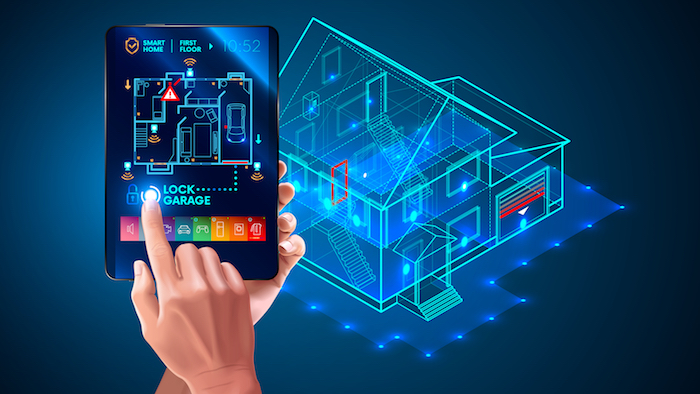
Smart security systems protect your home day and night. Cameras let you see who is outside your door. Sensors alert you to unusual activity or open windows. You can lock or unlock doors remotely. These systems help you feel safe even when away.
Challenges And Considerations
Smart homes offer many benefits but also come with challenges. Understanding these issues helps make better choices. Here are the main challenges and considerations for smart home users.
Privacy Concerns
Smart devices collect a lot of personal information. This data may include habits, schedules, and even conversations. Privacy risks rise if devices share data without clear permission. Users should check privacy settings and device policies carefully.
Some devices listen constantly to detect commands. This creates concern about unwanted recording or spying. Choosing brands with strong privacy controls is important. Being aware of what data is collected helps protect personal privacy.
Data Security
Smart homes depend on internet connections and cloud services. This makes them targets for hackers and cyberattacks. Weak passwords or outdated software increase security risks. Regularly updating devices and using strong passwords is necessary.
Security breaches can lead to theft of personal data or control over home devices. Users should enable two-factor authentication where possible. Protecting the network and devices reduces the chance of cyber threats.
Cost Factors
Setting up a smart home requires financial investment. Devices, installation, and maintenance add to overall costs. Prices vary depending on brand, features, and compatibility. Budgeting for ongoing costs like subscriptions is wise.
Sometimes cheaper devices lack security or support, which can lead to extra expenses later. Choosing reliable products might save money over time. Planning costs carefully helps avoid unexpected spending.
Future Trends In Connected Living
The future of connected living is bright and full of promise. Smart homes will become more efficient, responsive, and easier to control. New technologies will shape how we interact with our homes every day. These changes will enhance comfort, security, and energy use.
Smart devices will work faster and smarter. Homes will learn our habits and adjust automatically. Connectivity will improve, making smart homes more reliable. Sustainability will also be a key focus, helping protect the environment.
5g And Faster Connectivity
5G technology will speed up smart home connections. Devices will communicate faster and without delays. This means quick responses from security cameras and lights. Streaming high-quality video will become smoother. More devices can connect at once without slowing down. Homes will feel more connected and efficient.
Advanced Ai Capabilities
Artificial intelligence will make smart homes smarter. AI will learn routines and predict needs. It can suggest energy-saving tips or adjust temperatures automatically. Voice assistants will understand commands better. AI will help manage many devices easily. Homes will adapt to personal preferences without much effort.
Sustainability Focus
Smart homes will focus on saving energy and water. Devices will monitor usage and reduce waste. Solar panels and smart batteries will become common. Homes will use data to lower their carbon footprint. Sustainable living will be easier and more affordable. Caring for the planet will be part of daily life.
Credit: blog.swann.com
Frequently Asked Questions
What Is A Smart Home System?
A smart home system connects devices like lights, thermostats, and security to the internet. It allows remote control and automation, improving convenience, security, and energy efficiency in your home.
How Do Smart Homes Improve Energy Efficiency?
Smart homes use sensors and automation to optimize energy use. Devices adjust lighting and heating based on occupancy, reducing waste and lowering utility bills effectively.
Are Smart Home Devices Secure And Private?
Most smart home devices use encryption and secure protocols. However, users should update software regularly and use strong passwords to protect privacy and prevent unauthorized access.
What Are Common Smart Home Devices?
Common devices include smart speakers, thermostats, security cameras, lighting systems, and door locks. These devices enhance comfort, control, and safety in daily home life.
Conclusion
Smart homes make life easier and more comfortable. They connect devices to work together smoothly. You can control lights, temperature, and security from anywhere. These systems save energy and reduce bills. Smart homes also add safety by alerting you to problems.
Technology keeps improving, making smart homes better each day. Everyone can enjoy the benefits of smart living. Simple tools help you take control of your home. Smart homes bring convenience right to your fingertips.
As an Amazon Associate, I earn from qualifying purchases.

