Have you ever wondered if your headphones are actually safer than earbuds? You use them every day, but do you really know which option protects your ears better?
Your hearing is important, and making the right choice can make a big difference. You’ll discover the facts about headphones and earbuds, how they affect your ears, and simple tips to keep your listening safe. Keep reading to find out what’s best for your hearing health.
Credit: breezeresidency.com
Health Risks Of Earbuds
Earbuds are popular for their convenience and portability. Many people use them daily for listening to music, podcasts, or making calls. Despite their benefits, earbuds can pose health risks. Understanding these risks helps users make safer choices.
Ear Canal Impact
Earbuds sit directly inside the ear canal. This placement can cause pressure and discomfort. Over time, earbuds may irritate the delicate skin inside the ear. This irritation can lead to soreness or small injuries. The tight fit might also block natural earwax removal. This blockage can cause wax buildup and discomfort.
Potential For Ear Infections
Earbuds can trap moisture and bacteria in the ear canal. This environment encourages bacterial growth. Dirty earbuds increase the risk of infections. Sharing earbuds spreads germs between users. Infections can cause pain, itching, and discharge. Cleaning earbuds regularly helps reduce these risks.
Hearing Loss Concerns
Listening to loud sounds through earbuds can damage hearing. Sound reaches the ear directly and at high volume. Prolonged exposure to loud volume causes permanent hearing loss. Many users do not realize the damage until it is too late. Keeping volume low protects your ears. Taking breaks from earbuds also helps prevent hearing damage.
Health Risks Of Headphones
Headphones offer great sound and comfort but carry some health risks. Understanding these risks helps users protect their hearing and overall ear health. Headphones can cause problems if used carelessly or too loudly. Awareness is key to safe listening habits.
Sound Pressure Levels
High sound pressure levels can damage hearing. Loud music through headphones strains your ears. Listening at volumes above 85 decibels can cause permanent hearing loss. Long listening sessions increase this risk. Using volume limits protects your ears from harm.
Ear Fatigue And Discomfort
Wearing headphones for many hours causes ear fatigue. Pressure on the ear and head leads to discomfort. Tight headbands and large ear cups increase this feeling. Taking breaks helps reduce ear pain. Comfortable, well-fitted headphones lower the chance of discomfort.
Hygiene Considerations
Headphones can collect dirt and bacteria. Sharing headphones spreads germs easily. Regular cleaning prevents ear infections. Use a soft cloth and mild cleaner. Avoid sharing headphones to keep ears healthy and safe.
Noise Isolation And Volume Control
Noise isolation and volume control are key factors for safe listening. They help protect your ears from loud sounds. Both headphones and earbuds offer different ways to reduce outside noise. Managing volume properly lowers the risk of hearing damage. Understanding these features helps you choose safer audio devices.
Passive Noise Isolation Benefits
Passive noise isolation blocks outside sound by design. Headphones cover your ears, creating a seal that limits noise. Earbuds fit inside the ear canal, also reducing sound from outside. This helps you listen at lower volumes. Less background noise means less need to raise volume. Passive isolation works without batteries or settings. It is simple and reliable for everyday use.
Active Noise Cancellation Effects
Active noise cancellation (ANC) uses technology to cancel external sounds. Headphones often have ANC to reduce low-frequency noise like engines. Earbuds can also have ANC but usually less powerful. ANC allows safe listening by lowering volume in noisy places. It creates a quieter environment for your ears. However, it needs power and can affect sound quality. Use ANC to protect hearing in busy areas.
Safe Listening Volume Tips
Keep volume below 60% of the maximum level. Use shorter listening times to reduce ear strain. Take breaks every hour to rest your ears. Choose devices with volume limit settings if possible. Avoid increasing volume to drown out noise. Use noise isolation or ANC to help listen at safe volumes. Protecting your hearing starts with good volume habits.
Usage Habits And Safety
Using headphones or earbuds safely depends a lot on how you wear and care for them. Habits around use affect your ear health and sound quality. Small changes can make a big difference in safety and comfort.
Duration Of Use
Listening for long hours can hurt your ears. Noise can cause damage even at low volumes over time. Taking breaks every hour helps your ears rest. Limit daily use to avoid ear fatigue and hearing loss.
Proper Fit And Comfort
Headphones should fit well without pressure. Earbuds need to sit comfortably inside the ear canal. Poor fit can cause pain or ear infections. Choose the right size and adjust them often to avoid discomfort.
Maintenance And Cleaning
Clean headphones and earbuds regularly to stop bacteria buildup. Use a soft cloth or small brush for cleaning. Avoid sharing to reduce the risk of infections. Well-maintained devices work better and last longer.
Choosing Between Headphones And Earbuds
Choosing between headphones and earbuds depends on many factors. Each has unique features that suit different needs. Understanding these can help you decide which option fits your lifestyle best.
Lifestyle And Activity Suitability
Headphones offer comfort for long listening sessions. They cover your ears fully, blocking outside noise. This feature suits quiet environments or focused work. Earbuds are small and easy to carry. They fit well for active users who move a lot. Jogging or gym workouts work well with earbuds. Choose based on how you spend your time daily.
Sound Quality And Safety Balance
Headphones usually provide richer sound and better bass. They create a seal around ears, reducing the need to raise volume. This lowers the risk of hearing damage. Earbuds sit inside the ear canal. They can leak sound, causing users to increase volume. Listening at high volumes for long can harm your ears. Pick the device that encourages safe listening habits.
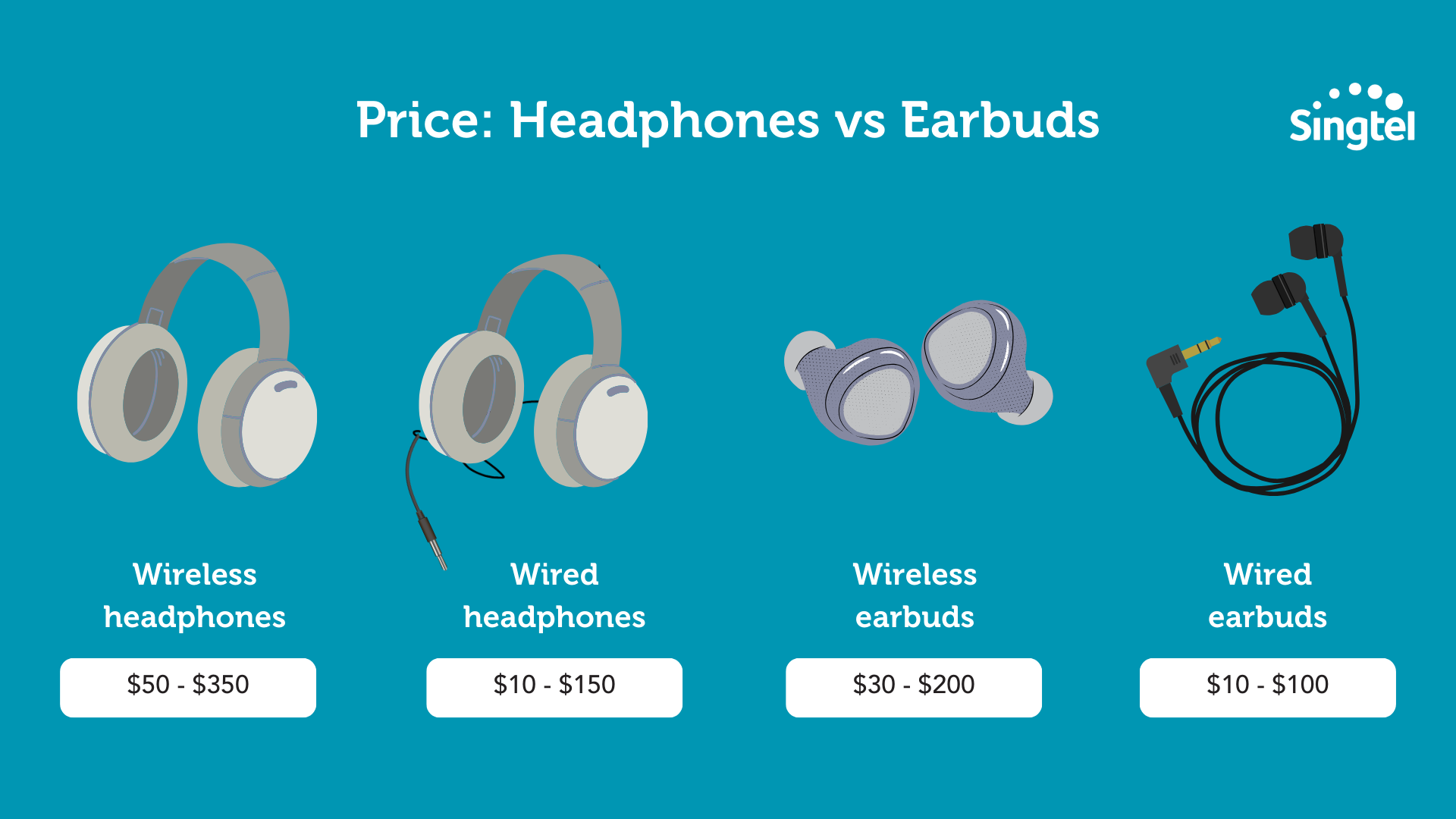
Cost And Durability Factors
Headphones often cost more due to their size and parts. They tend to last longer with careful use. Earbuds are cheaper and replaceable, but fragile. They can break easily from drops or sweat. Consider your budget and how rough you will treat them. Investing in durability can save money over time.
Credit: www.stacksocial.com
Credit: headphonesaddict.com
Frequently Asked Questions
Are Headphones Safer Than Earbuds For Hearing Health?
Headphones generally pose less risk to hearing than earbuds. They sit outside the ear canal, reducing direct sound pressure. This lowers the chance of damaging inner ear cells from loud volumes. However, safe listening habits are essential regardless of the device used.
How Do Earbuds Impact Ear Hygiene Compared To Headphones?
Earbuds fit inside the ear canal, trapping sweat and bacteria. This can increase the risk of ear infections if not cleaned regularly. Headphones rest outside the ear, allowing better airflow and hygiene. Proper cleaning is important for both to maintain ear health.
Can Headphones Prevent Hearing Loss Better Than Earbuds?
Headphones offer better noise isolation, allowing users to listen at lower volumes. This helps reduce the risk of hearing loss over time. Earbuds often require higher volume to block ambient noise, which can strain hearing. Choosing headphones may promote safer listening.
Do Headphones Reduce Ear Fatigue More Than Earbuds?
Yes, headphones distribute pressure around the ear, reducing fatigue. Earbuds apply pressure inside the ear canal, which can cause discomfort over long use. Over-ear headphones with cushioning provide a more comfortable listening experience, especially for extended periods.
Conclusion
Choosing between headphones and earbuds affects your hearing health. Headphones cover your ears and may reduce outside noise better. Earbuds sit inside your ear canal and can cause discomfort if used too long. Both can harm hearing if volume is too high.
Keep sound at a safe level to protect your ears. Take breaks during long listening sessions to avoid ear strain. Your comfort and hearing safety matter most. Pick what feels right but listen responsibly every time.
As an Amazon Associate, I earn from qualifying purchases.