

Are you confident that your air monitoring devices are giving you accurate readings? If these tools aren’t calibrated regularly, you might be missing critical changes in air quality that affect your health and safety.
Knowing how often to calibrate your devices isn’t just a technical detail—it’s key to protecting yourself and those around you. You’ll discover exactly when and why calibration matters, so you can trust every reading and make smarter decisions for your environment.
Keep reading to find out how to keep your air monitoring devices working at their best.
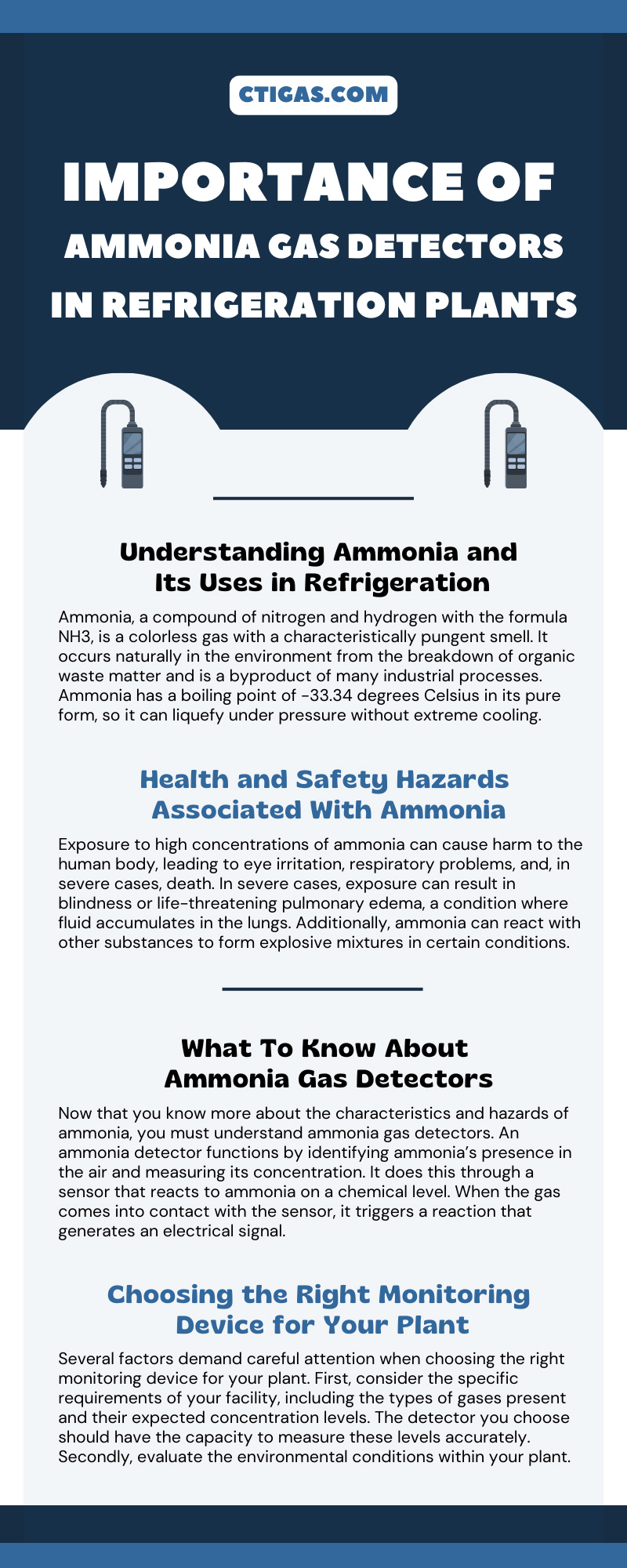
Credit: ctigas.com
Importance Of Calibration
Calibration is key to keeping air monitoring devices working right. It adjusts the device to give true and reliable results. Without regular calibration, readings can drift and become wrong. This can cause serious problems.
Calibration keeps the device’s sensors accurate over time. Air quality can change quickly, so devices must stay precise. Regular checks and adjustments help catch errors early. This makes sure data is trustworthy for decisions.
Ensuring Accurate Readings
Accurate readings depend on proper calibration. Sensors can lose sensitivity or react slowly if not calibrated. This leads to false alerts or missed dangers. Regular calibration aligns the device with known standards. It confirms the device measures air quality correctly every time.
Impact On Safety And Compliance
Safety relies on accurate air monitoring. Wrong data can put people at risk of harmful exposure. Many workplaces must meet strict air quality laws. Calibrated devices help prove compliance with these rules. They protect workers and avoid legal penalties. Calibration supports a safe and healthy environment.

Credit: www.thermoworks.com
Factors Influencing Calibration Frequency
Calibration frequency for air monitoring devices depends on several key factors. These factors affect how often the device needs checking and adjustment. Understanding these elements helps maintain accurate air quality readings. It ensures safety and compliance with standards.
Device Type And Technology
Different devices use different technologies. Some need more frequent calibration than others. For example, digital sensors may drift less than analog ones. Complex devices with multiple sensors may require more checks. The technology influences how stable the readings remain over time.
Usage Intensity And Environment
Devices used often need more frequent calibration. Harsh environments with dust, humidity, or chemicals also affect calibration needs. High usage speeds up sensor wear and tear. Calibrating more often in tough conditions keeps data reliable and accurate.
Manufacturer Recommendations
Manufacturers provide specific calibration schedules. These guidelines come from thorough testing and experience. Following their advice ensures the device works as designed. Ignoring these can lead to incorrect readings and safety risks.
Common Calibration Intervals
Calibration of air monitoring devices is essential for accurate readings. Setting a schedule helps maintain device performance. Common intervals include daily, weekly, monthly, quarterly, and annual checks. Each interval serves a specific purpose in device upkeep.
Daily And Weekly Checks
Daily checks ensure the device functions properly before use. Simple tests can detect sensor errors or drift early. Weekly checks involve more detailed inspections. These include verifying battery levels and cleaning sensors. Regular checks prevent false readings and device failure.
Monthly And Quarterly Calibrations
Monthly calibration adjusts the device to maintain accuracy. It involves comparing device output with a known standard. Quarterly calibration is more thorough. It often requires professional equipment or service. These intervals balance cost and accuracy for most users.
Annual Calibration Practices
Annual calibration is the most comprehensive check. It includes full sensor replacement or deep cleaning. Professionals usually perform this to ensure device reliability. Annual calibration extends the life of the device. It ensures compliance with safety and industry standards.

Credit: www.co2meter.com
Signs Calibration Is Needed
Knowing the signs that an air monitoring device needs calibration is important. Calibration keeps devices accurate and reliable. Ignoring these signs can lead to wrong readings and unsafe conditions.
Inconsistent Or Erratic Readings
Devices should give steady and clear results. If the readings jump around or change without reason, calibration is needed. Erratic data can mean the sensors are out of sync. Regular checks help catch this early.
Device Alerts And Warnings
Many air monitors have built-in alerts. These warn users when something is wrong. Alerts about sensor drift or measurement errors mean calibration is due. Never ignore these warnings for safe monitoring.
Post-repair Or Maintenance Checks
After fixing or cleaning the device, calibration should follow. Repairs can affect sensor accuracy. Calibration ensures the device works correctly again. This step keeps measurements trustworthy and consistent.
Calibration Procedures
Calibration procedures keep air monitoring devices accurate and reliable. Regular checks ensure the device measures air quality correctly. This process prevents false readings and helps maintain safety standards. Understanding calibration methods helps users choose the best option for their needs.
Self-calibration Vs Professional Calibration
Self-calibration allows users to adjust devices using built-in functions. It is quick and cost-effective. Users follow device instructions to complete the process. This method suits simple devices and frequent checks.
Professional calibration involves experts using precise tools. They ensure higher accuracy and traceability to standards. Professionals detect hidden issues and fix them. This service is ideal for complex equipment or strict regulations.
Calibration Tools And Equipment
Proper tools are essential for accurate calibration. Gas cylinders with known concentrations help test sensors. Calibration kits may include flow regulators and adapters. Digital calibrators provide precise control over settings. Using the right equipment ensures reliable air quality measurements.
Maintaining Calibration Records
Maintaining calibration records is essential for air monitoring devices. These records help track device accuracy over time. They also support compliance with industry standards and regulations. Proper record keeping ensures that calibration is done on schedule. It also helps identify any issues early. Clear, organized records make audits easier and improve trust in your data.
Documentation Best Practices
Keep detailed notes for each calibration session. Record the date, technician name, and device ID. Include calibration results and any adjustments made. Store records in a secure, easy-to-access location. Use digital logs to reduce errors and loss. Label files clearly for quick reference. Review records regularly to confirm all calibrations are current.
Using Calibration Data For Quality Control
Analyze calibration data to spot trends or problems. Compare results to detect device drift or failure. Use data to plan maintenance and prevent downtime. Calibration records also help validate monitoring results. They show that measurements are reliable and consistent. Good quality control improves safety and decision-making.
Tips To Extend Calibration Intervals
Extending the time between calibrations saves money and keeps air monitoring accurate. Proper care of devices helps maintain their performance longer. Follow these tips to make your calibration intervals last.
Proper Device Handling
Handle air monitors gently to avoid damage. Store devices in clean, dry places. Avoid dropping or shaking them. Use protective cases during transport. Careful handling reduces wear and tear.
Environmental Controls
Keep devices away from extreme temperatures and humidity. Avoid exposure to dust, chemicals, or moisture. Use air-conditioned rooms for storage. Stable environments prevent sensor damage and drift.
Regular Maintenance
Clean sensors and parts regularly with soft cloths. Check batteries and replace them on time. Run simple function tests often. Routine maintenance keeps devices working well longer.
Frequently Asked Questions
How Often Should Air Monitoring Devices Be Calibrated?
Air monitoring devices should be calibrated at least once every six months. Regular calibration ensures accurate and reliable readings. Some devices may require more frequent calibration based on usage and environmental conditions. Always follow the manufacturer’s recommendations for best practices.
Why Is Calibration Important For Air Monitoring Devices?
Calibration ensures that air monitoring devices provide precise and accurate measurements. Without calibration, data can be misleading or incorrect. This affects safety decisions and regulatory compliance. Regular calibration maintains device performance and extends its operational lifespan.
Can I Calibrate Air Monitoring Devices Myself?
Some basic calibration can be done by trained personnel using calibration kits. However, complex devices may require professional calibration services. Always refer to the device manual for instructions. Proper calibration prevents errors and maintains measurement accuracy.
What Factors Affect Calibration Frequency Of Devices?
Calibration frequency depends on device type, usage intensity, and environmental factors. Harsh or variable conditions may require more frequent calibration. Regulatory requirements also influence how often calibration is needed. Regular checks help maintain device reliability.
Conclusion
Regular calibration keeps air monitoring devices accurate and reliable. It helps detect harmful gases and maintain safety. Most devices need calibration every 3 to 6 months, but some require it more often. Always follow the manufacturer’s instructions for the best results.
Skipping calibration can cause wrong readings and risks. Stay safe by checking and calibrating your devices on time. This small step ensures clean air and protects health. Don’t wait until problems arise—calibrate regularly for peace of mind. Simple, smart maintenance makes all the difference.
As an Amazon Associate, I earn from qualifying purchases.

