

Have you ever needed to talk about your computer screen or a classroom supervisor in Spanish but didn’t know the right word? Knowing how to say “monitor” in Spanish can make your conversations clearer and more confident.
Whether you’re traveling, working, or learning the language, this simple word can open doors. Keep reading, and you’ll discover the exact term, plus helpful tips to remember it easily and use it correctly every time. Your Spanish skills are about to get a boost!

Credit: www.youtube.com
Spanish Words For Monitor
The Spanish language has several words to express the idea of “monitor.” Each word fits a specific meaning or situation. This variety helps you speak clearly and correctly in Spanish.
Knowing the right word for “monitor” is important. It avoids confusion and makes communication smooth. Let’s explore the common Spanish words for “monitor” and their differences.
Common Translations
The most common Spanish word for “monitor” is monitor. It sounds the same and is widely used.
Another word is pantalla, which means “screen.” It refers to computer or TV monitors.
Supervisor is used for a person who watches over work or activities.
For sports or group activities, entrenador or instructor means “coach” or “trainer,” sometimes translated as “monitor.”
Contextual Differences
Use monitor for electronic devices like computer screens.
Pantalla describes the physical display part of a device.
Supervisor is best for workplace or school supervisors.
Entrenador or instructor fits sports, exercises, or classes.
Choosing the right word depends on the situation and what “monitor” means there.
Credit: www.youtube.com
Pronunciation Tips
Pronouncing Spanish words correctly helps you sound natural and confident. The word for “monitor” in Spanish is monitor. It looks similar but sounds different. This section gives clear tips to say it right.
Phonetic Breakdown
The Spanish word monitor is pronounced as /mo-ni-TOR/. Stress falls on the last syllable.
Break it down into three parts: “mo”, “ni”, and “tor”.
- mo – sounds like “mo” in “moment”
- ni – sounds like “nee” in “knee”
- tor – sounds like “tore” but shorter
The “r” at the end is slightly rolled, a soft tap of the tongue.
Practice Exercises
Repeat the word slowly. Say each part clearly: “mo – ni – tor”.
Try saying it faster, keeping the last syllable strong.
Record yourself saying monitor. Listen and compare.
Practice with these phrases:
- El monitor está encendido. (The monitor is on.)
- Necesito un monitor nuevo. (I need a new monitor.)
Repeat daily for better fluency and confidence.
Memory Tricks
Memory tricks help you remember new words faster. They make learning fun and easier. Using simple tools can help you recall the Spanish word for “monitor” quickly. These tricks work by linking new words to things you already know.
Mnemonic Devices
Create a short phrase or sentence to remember the word. For “monitor,” think of “Monitors Observe New Information To Improve Our Reading.” The first letters form the word “monitor.”
This trick breaks down the word into parts you can remember. It makes the learning process active and fun. Try making your own phrases with the Spanish word “monitor.”
Visual Associations
Picture a computer screen or a teacher watching a class. The Spanish word “monitor” means both a screen and a guide. Connect the image to the word in your mind.
Visual links make words stick better. Imagine the monitor showing a lesson. This helps you remember the word’s meaning and use.
Using Monitor In Sentences
Using the word “monitor” in Spanish sentences helps you speak clearly and correctly. It shows you understand how to use the word in different situations. Practice these examples to feel confident. Notice how the meaning changes with context.
Formal Situations
In formal settings, “monitor” is often translated as monitor or pantalla. Use it when talking about screens or devices in offices or schools.
Example: “El monitor de la sala de conferencias es muy grande.” (The monitor in the conference room is very big.)
Another way: “Por favor, revisa el monitor para verificar la presentación.” (Please check the monitor to verify the presentation.)
In formal writing, keep sentences clear and polite.
Casual Conversations
In everyday talk, people also use monitor. It sounds natural and easy to understand.
Example: “¿Has visto el monitor nuevo que compraron?” (Have you seen the new monitor they bought?)
You can say: “Mi monitor está roto, necesito uno nuevo.” (My monitor is broken, I need a new one.)
Keep sentences short and simple for casual chats.
Related Vocabulary
Learning how to say “monitor” in Spanish opens doors to many related words. These terms help you understand the context better. They make conversations clearer and more precise. Here are some useful vocabulary words connected to “monitor.”
Technology Terms
The Spanish word for monitor is “monitor.” It stays the same in many tech contexts. Other technology words include “computadora” for computer and “teclado” for keyboard. “Pantalla” means screen, often used with monitors. “Ratón” is the word for mouse. Knowing these helps in tech discussions.
Office Equipment
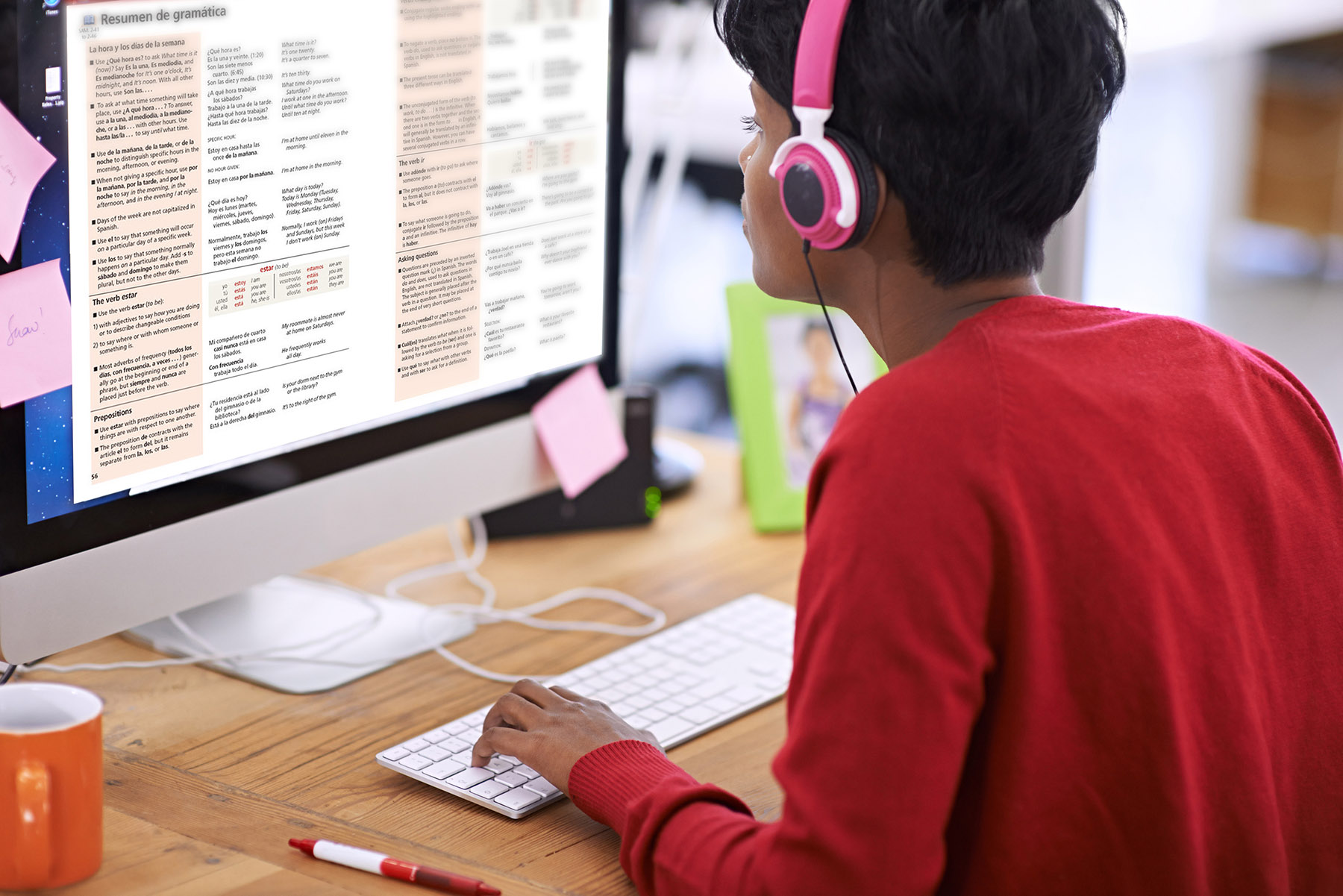
In offices, the monitor is part of many tools. “Impresora” means printer, used alongside monitors. “Escritorio” refers to the desk where a monitor sits. “Silla” means chair, important for comfort at the monitor. “Archivo” means file or cabinet, common in office talk. These words help describe the office setup.
Credit: www.lakemichigancollege.edu
Common Mistakes To Avoid
Learning how to say “monitor” in Spanish can be tricky. Many learners make common mistakes that slow down their progress. Avoiding these errors helps you speak clearly and confidently. Focus on understanding the differences and practicing the right words.
False Cognates
False cognates are words that look similar but mean different things. The English word “monitor” can confuse Spanish learners because the direct translation is not always correct. For example, “monitor” in Spanish is often “monitor” for a screen. But “monitor” as a person who supervises is also “monitor” or “supervisor.”
Do not confuse “monitor” with “monitorear.” “Monitorear” means to monitor or watch over something, like checking data. It is a verb, not a noun. Using the wrong form can confuse native speakers.
Mispronunciations
Spanish pronunciation differs from English. Saying “monitor” with an English accent might make it hard to understand. Stress the first syllable: “MO-ni-tor.” Avoid pronouncing the “r” like in English. Roll the “r” lightly or tap it.
Practice speaking slowly and clearly. Listen to native speakers to copy their tone. Mispronouncing words can lead to misunderstandings. Keep your pronunciation simple and correct to build confidence.
Additional Resources
Finding the right resources helps you learn Spanish words faster. Using apps and books can improve your vocabulary and understanding.
These tools provide practice and examples for saying “monitor” in Spanish. They make learning simple and clear for beginners.
Apps And Tools
Language apps offer quick Spanish lessons on the go. Duolingo and Memrise have easy exercises for beginners. These apps show how to use “monitor” in real sentences.
Online dictionaries like WordReference give clear definitions and pronunciation. Google Translate helps check the word quickly. Practice daily with these tools to remember new words better.
Recommended Books
Books help deepen your understanding of Spanish vocabulary. “Easy Spanish Step-By-Step” explains words like “monitor” clearly. It offers simple grammar tips for beginners.
“Spanish Vocabulary” by David Brodsky lists common words with examples. Reading books improves memory and builds confidence. Try to read a few pages every day for steady progress.
Frequently Asked Questions
What Is The Spanish Word For Monitor?
The Spanish word for monitor is “monitor. ” It is used for both computer screens and display devices. The pronunciation is similar to English, making it easy to remember.
How Do You Say Computer Monitor In Spanish?
In Spanish, a computer monitor is called “monitor de computadora” or “monitor de ordenador. ” Both terms are widely understood in Spanish-speaking countries.
Can Monitor Mean Different Things In Spanish?
Yes, “monitor” in Spanish can also mean an instructor or supervisor. Context determines whether it refers to a screen or a person.
Is The Pronunciation Of Monitor The Same In Spanish?
The pronunciation is slightly different. In Spanish, it is pronounced as “mo-nee-tor,” with emphasis on the last syllable. This subtle change helps fit Spanish phonetics.
Conclusion
Now you know how to say “monitor” in Spanish. Use “monitor” for screens or devices. Sometimes, people say “pantalla” for screen. Practice these words to speak better Spanish. Keep learning new terms every day. Small steps lead to big progress.
Speaking a little more each time helps a lot. Keep your practice simple and clear. Soon, you will feel more confident. Enjoy your journey with Spanish words!
As an Amazon Associate, I earn from qualifying purchases.

