

Are you tired of high energy bills and want to take control of your power use? Knowing how to monitor energy consumption can save you money and help you live more sustainably.
Imagine spotting exactly where energy is wasted and making simple changes that add up to big savings. This guide will show you easy and effective ways to track your energy use. By the end, you’ll have clear steps to reduce costs and make smarter energy choices every day.
Keep reading to discover how simple it is to understand your energy habits and take charge of your consumption.
Credit: tuwiazowna.pl
Benefits Of Monitoring Energy
Monitoring energy use brings many benefits for homes and businesses. It helps you understand how much energy you consume daily. This knowledge allows you to make smarter choices that save money and protect the environment. Tracking energy use also helps improve how machines and appliances work. Small changes add up to big results over time.
Lower Bills
Watching your energy use helps cut down monthly bills. You see which devices use the most power. This lets you turn off or fix wasteful equipment. Simple actions like adjusting heating or cooling can reduce costs. Lower bills free up money for other needs.
Environmental Impact
Using less energy lowers pollution and carbon emissions. This helps protect air quality and fight climate change. Saving energy means fewer resources are taken from the earth. Monitoring use encourages habits that support a cleaner planet. Every small step makes a difference.
Increased Efficiency
Tracking energy helps spot problems in machines early. Fixing issues quickly keeps equipment running well. Efficient machines use less power and last longer. This reduces repair and replacement costs. Monitoring energy promotes smarter, smoother operations everywhere.
Tools For Tracking Energy Use
Tracking energy use helps save money and protect the environment. It shows how much power your home or business consumes. Tools for tracking energy use make this task easier. They give clear data and help spot where to cut waste. Here are some popular tools you can use.
Smart Meters
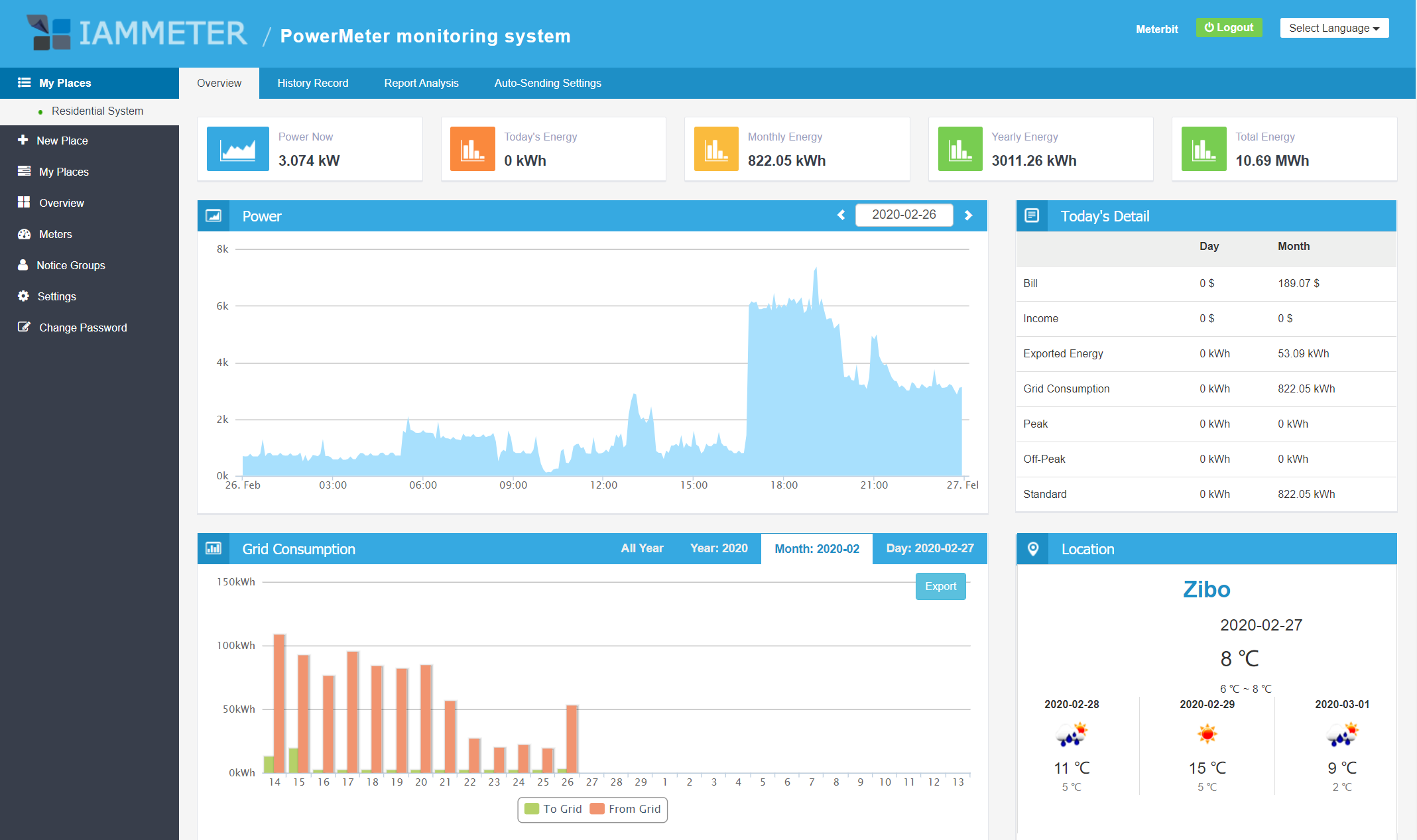
Smart meters replace old electric meters. They send real-time data to your energy supplier. You can check your energy use daily or hourly. This helps understand when you use the most power. Smart meters often come with online portals or apps. They provide detailed reports and tips to reduce energy use.
Energy Monitoring Apps
Energy monitoring apps connect with smart devices or meters. They show energy use on your phone or tablet. Many apps track specific appliances or rooms. Some apps offer alerts for high energy use. They make it easy to watch and control your energy habits.
Home Energy Monitors
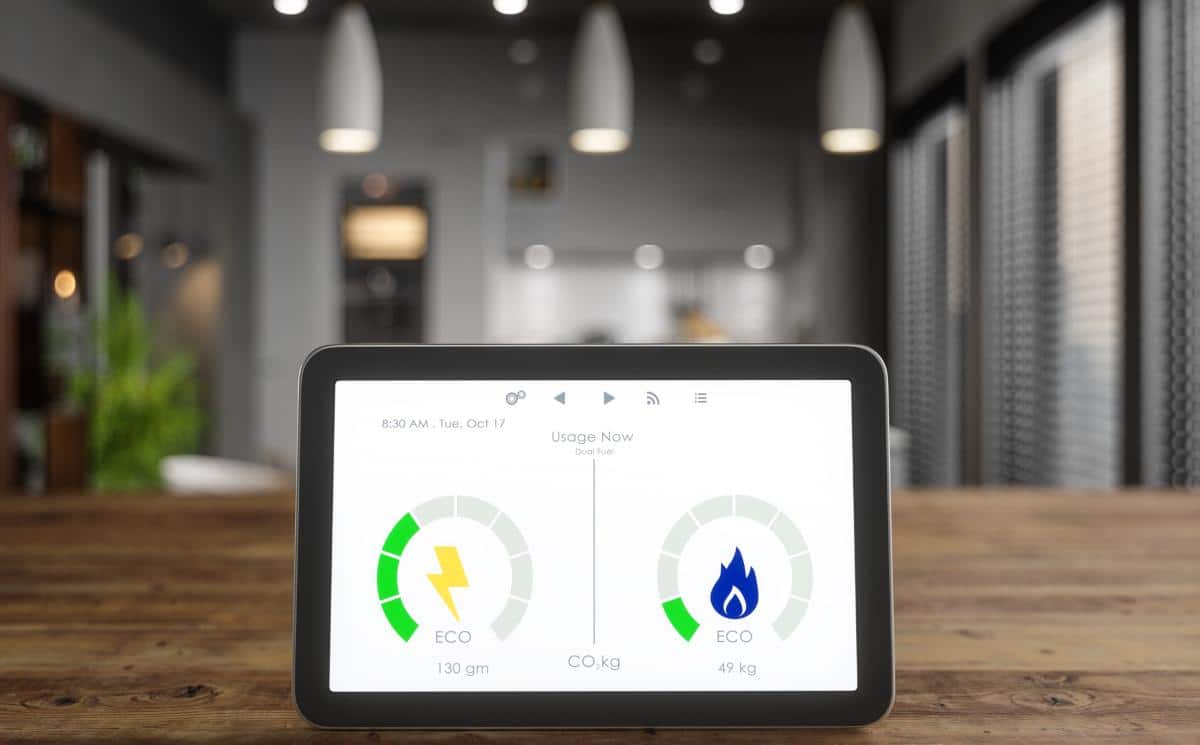
Home energy monitors link directly to your electrical panel. They measure total energy use in your house. These devices show live energy consumption on a small screen. Some models connect to apps for detailed insights. They help find energy-hungry devices quickly and easily.
Identifying High Energy Devices
Identifying high energy devices is key to lowering electricity bills. Many homes have devices that use more power than expected. Finding these devices helps reduce waste and saves money. You can focus on cutting energy use where it matters most.
Common Energy Hogs
Some devices use more energy than others. Refrigerators run all day and use lots of power. Air conditioners and heaters consume large amounts too. Older electronics like TVs and computers may use extra energy. Clothes dryers and water heaters often rank high on usage.
Many people don’t realize how much power these devices need. Standby power from chargers and small appliances also adds up. Spotting these common energy hogs is the first step in saving energy.
Using Energy Monitors To Pinpoint Devices
Energy monitors help find which devices use the most power. Plug-in monitors show real-time energy use for each appliance. They are easy to use and give clear data.
Smart energy meters connect to your home’s electrical system. These meters track power use across all devices. Some models send alerts to your phone or computer.
Using these tools lets you know exactly where to cut energy. It makes saving electricity simple and effective.
Credit: www.ecowatch.com
Simple Habits To Reduce Consumption
Small changes in daily routines help lower energy use. Simple habits save money and protect the environment. These habits focus on easy ways to reduce energy without much effort.
Turning Off Unused Electronics
Electronics use power even when not in use. Turning off devices stops this waste. Unplug chargers and gadgets after use. This habit cuts standby power consumption effectively.
Adjusting Thermostat Settings
Thermostats control heating and cooling. Lowering the heat a few degrees in winter saves energy. Raising it slightly in summer reduces power use. Use programmable thermostats for automatic adjustments.
Using Energy-efficient Lighting
Replace old bulbs with LED or CFL lights. These bulbs use less energy and last longer. Turn off lights in empty rooms to save more. Natural light during the day reduces the need for lamps.
Tracking Progress Over Time
Tracking your energy consumption over time helps you see real progress. It shows how much energy you use and where you can improve. Watching these changes motivates you to save more. It also helps you spot any unusual spikes early. This way, you keep control of your energy use and bills.
Setting Energy Goals
Start by setting clear energy goals. Decide how much energy you want to save each month. Goals give you a target to work towards. Keep them realistic and simple. For example, reduce your electricity use by 10% in three months. Write your goals down and review them often.
Reviewing Monthly Usage
Check your energy bills or use a smart meter to track usage. Look at the total energy used each month. Compare this with your goals to see progress. Notice patterns or months with high usage. This helps you understand when you use more energy and why.
Adapting Strategies
Change your energy-saving methods based on your data. If a strategy does not work, try something new. For example, switch off appliances more often or use energy-efficient bulbs. Small changes add up over time. Keep testing and improving your approach to save more.
Advanced Tips For Energy Savings
Advanced tips for energy savings help cut costs and reduce waste. These methods go beyond basic habits. They focus on improving your home’s energy use with smart choices. Small upgrades and changes create big results over time.
Upgrading Appliances
Old appliances use more energy than new ones. Replace them with energy-efficient models. Look for the ENERGY STAR label. These appliances save electricity and water. They work better and last longer. Over time, they lower your bills and carbon footprint.
Improving Home Insulation
Good insulation keeps your home warm in winter and cool in summer. Check walls, attic, and floors for gaps or cracks. Seal leaks with caulk or weatherstripping. Add insulation where needed. This reduces heating and cooling needs. It makes your home more comfortable year-round.
Using Renewable Energy Sources
Renewable energy cuts reliance on fossil fuels. Solar panels capture sunlight to power your home. Wind turbines use wind to create electricity. These sources reduce pollution and energy costs. Explore options that fit your home and budget. Even small setups can make a difference.

Credit: www.cse.org.uk
Frequently Asked Questions
What Are The Best Tools To Monitor Energy Consumption?
Smart meters, energy monitors, and apps are top tools for tracking energy use. They provide real-time data and help identify high-usage devices. Using these tools can improve energy efficiency and lower bills effectively.
How Can I Track Home Energy Usage Accurately?
Install a smart meter or energy monitor at your main electrical panel. These devices measure real-time consumption and send data to your smartphone or computer. Regularly reviewing this data helps detect wasteful habits and optimize usage.
Why Is Monitoring Energy Consumption Important?
Monitoring energy consumption reduces waste, lowers bills, and decreases environmental impact. It helps identify inefficient appliances and encourages energy-saving habits. This leads to cost savings and supports sustainable living practices.
How Often Should Energy Consumption Be Monitored?
Energy use should be tracked daily or weekly for best results. Frequent monitoring helps spot unusual spikes quickly and adjust habits promptly. Consistent reviews ensure better control over energy costs and efficiency.
Conclusion
Monitoring energy use helps save money and protect the planet. Simple tools can track your daily consumption easily. Checking energy often shows where to cut waste. Small changes add up to big savings over time. Stay aware of your energy habits and adjust as needed.
This keeps bills low and helps the environment. Start watching your energy today and see the difference.
As an Amazon Associate, I earn from qualifying purchases.

