
Are you worried that someone might be watching what you do on your computer? It’s a scary thought, but knowing the signs can help you protect your privacy.
You might notice unusual activity, strange pop-ups, or your computer acting slower than usual. These could be clues that someone is spying on you without your knowledge. You’ll learn exactly how to spot if someone is monitoring your computer and what steps you can take to stop it.
Stay with me, because your privacy is too important to ignore.
Unusual Computer Behavior
Unusual computer behavior often signals that someone might be watching your activities. Small changes in how your computer works can mean it is being monitored. Noticing these signs early helps protect your privacy and data. Pay close attention to how your computer acts during daily use.
Frequent Crashes And Freezes
Your computer crashing or freezing often is a warning sign. Monitoring software can use extra resources, causing instability. Programs may stop working or freeze without reason. These interruptions happen more than usual and disrupt your tasks. Sudden shutdowns or restarts also raise concerns about spying.
Unexpected Pop-ups And Messages
Pop-ups or messages appearing without your action can indicate spying tools. These can include alerts, warnings, or strange prompts. Some may ask for permissions you did not grant. Others show unusual ads or system messages. Such unexpected windows often mean unauthorized software is active.
Programs Opening Or Closing Automatically
Programs starting or closing on their own is suspicious behavior. This might happen while you are not using your computer. It shows that someone controls your system remotely. Apps you never opened appearing on screen is another clue. Watch for unusual activity in your taskbar or desktop.
Performance Issues
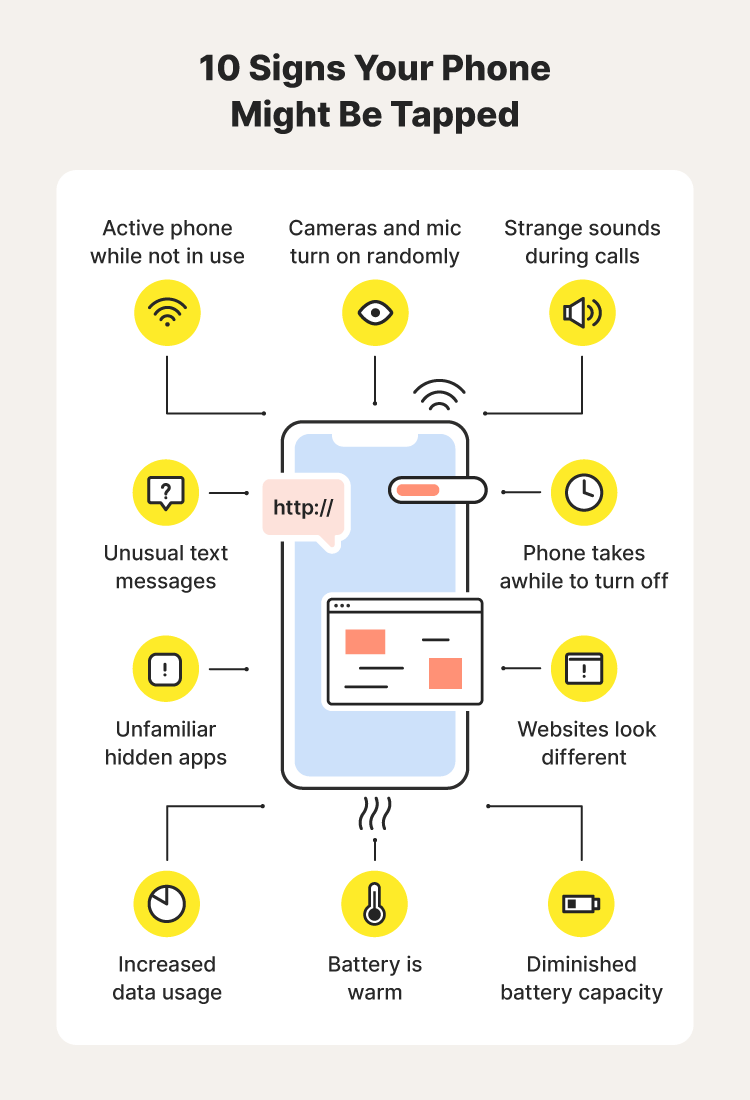
Performance issues often hint that someone might be monitoring your computer. Monitoring software uses system resources, which can slow your device. Watch for unusual changes in speed, network activity, and CPU use. These signs help you spot unwanted monitoring early.
Slower Than Usual Speed
Your computer runs slower without clear reasons. Programs take longer to open. Web pages load at a snail’s pace. Background processes might be running without your knowledge. This slowdown can mean monitoring tools are active.
High Network Activity
Network activity spikes without your action. Data is sent or received more than normal. Internet becomes unusually busy even when you are idle. Monitoring software often sends collected data online. Check your network use to catch this.
Increased Cpu Or Disk Usage
CPU or disk usage stays high without heavy tasks. Your fan runs louder and more often. Battery drains faster than before. Monitoring programs use CPU and disk to work. This constant load can reveal their presence.
Security Alerts And Notifications
Security alerts and notifications are key signs your computer might be monitored. These warnings help you catch threats early. They show up on your screen or through email. Ignoring them can leave your data at risk.
Pay close attention to any unexpected messages about your system’s safety. These alerts come from security software and your operating system. They can tell you about malware, unauthorized access, or other suspicious activities.
Antivirus Warnings
Antivirus programs scan your computer for harmful files. They alert you if they find viruses or spyware. These warnings often appear as pop-ups or notifications. They may tell you about files trying to steal information or control your system.
Always act on these warnings quickly. Running a full scan after a warning can find hidden threats. Keeping your antivirus updated improves its ability to detect new dangers.
Firewall Notifications
Firewalls block unauthorized access to your computer. They notify you if apps or hackers try to connect without permission. Firewall alerts may ask you to allow or block a connection.
Unexpected connection requests can mean someone is spying. Review these notifications carefully. Deny access if you do not recognize the program or activity.
Suspicious Login Attempts
Many systems log login attempts and alert you of unusual activity. Alerts about failed or unknown logins can indicate someone is trying to access your account. Receiving these notifications means you should change your passwords immediately.
Check your login history often. Use strong, unique passwords to protect your accounts. Enable two-factor authentication for extra security.

Credit: superuser.com
Unfamiliar Software Or Processes
Unfamiliar software or processes can signal that someone might be monitoring your computer. These programs often run without your knowledge. They can slow down your system or act strangely. Spotting them early helps protect your privacy.
Unknown Programs Running
Check the list of programs open on your computer. Unknown apps or software that you did not install are suspicious. They may run in the background and collect your data. Always verify any program you do not recognize.
Hidden Background Processes
Background processes operate without showing on the screen. Some can be monitoring tools hiding from view. Use the Task Manager or Activity Monitor to see all running processes. Research any unfamiliar names to see if they are safe.
New Browser Toolbars Or Extensions
Unexpected toolbars or browser extensions can track your online activity. They often appear after visiting certain websites or downloading free software. Review your browser’s extensions regularly and remove any you did not add.
Changes In Files And Settings
Changes in your computer’s files and settings can signal someone is monitoring your device. These changes often happen without your knowledge. Small shifts in your system might mean a stranger accessed your computer. Watching for these signs helps protect your privacy and data.
Modified Or Deleted Files
Files may change or disappear without your action. Important documents or photos might be altered or removed. Programs could be added or deleted without your permission. Check your folders regularly for missing or changed files. This is a common sign of unauthorized access.
Altered System Or Privacy Settings
System settings might shift on their own. Privacy options, like camera or microphone access, could turn on. Your firewall or antivirus settings may be disabled. These changes help intruders spy on you. Keep an eye on settings you did not adjust yourself.
Unexpected Password Changes
Password changes you did not make are a red flag. Login credentials might be reset without your consent. You could get locked out of your accounts suddenly. This often means someone else controls your computer or accounts. Act quickly if you notice unusual password activity.
Network And Account Monitoring
Network and account monitoring helps detect if someone watches your computer without permission. It focuses on signs from your internet connection and online accounts. These clues reveal hidden access and unusual behavior.
Unrecognized Devices On Network
Check your home or office network for unknown devices. Many routers show connected devices in their settings. Strange devices may mean someone else uses your internet or computer. Remove or block these devices immediately to protect your data.
Unusual Account Activity
Watch for strange actions in your email, social media, or bank accounts. Logins from unusual locations or times can signal spying. Sudden password changes or messages you didn’t send are red flags. Always review your account activity regularly for safety.
Alerts From Email Or Social Media
Email services and social media platforms send alerts about suspicious logins or changes. These alerts help you act fast to stop unauthorized access. Enable notifications for login attempts and verify all alerts to stay secure.
Tools To Detect Monitoring
Detecting if someone is monitoring your computer can be challenging. Several tools help you find signs of spying or unwanted surveillance. These tools scan your system for hidden software and unusual activity. They also check your network for strange data transfers. Using these tools regularly can keep your computer safe and private.
Anti-spyware Scanners
Anti-spyware scanners search your computer for spyware programs. Spyware hides in the system and collects your data secretly. These scanners identify and remove such malicious software. Many anti-spyware tools update their databases often. This helps catch the latest threats fast. Running regular scans is important for strong protection.
Network Traffic Analyzers
Network traffic analyzers monitor data moving in and out of your computer. They detect unusual or large amounts of data being sent. Such activity can signal spying or data theft. These tools show details about connected devices and programs. Watching network traffic can reveal hidden monitoring attempts. They help you understand what your computer sends online.
System Activity Monitors
System activity monitors track your computer’s performance and behavior. They record running processes, CPU usage, and disk activity. Sudden spikes or unknown processes may indicate spying. These monitors alert you to suspicious changes quickly. Checking system logs helps find hidden monitoring software. Keeping an eye on activity protects your privacy daily.
Credit: uk.norton.com
Steps To Protect Your Computer
Protecting your computer is key to stopping others from spying on you. Taking simple steps can keep your data safe and your device secure. These actions help prevent hackers and unwanted monitoring.
Start by keeping your software current. Use strong passwords to block access. Add extra security with VPNs and firewalls. Each step builds a safer computer.
Regular Software Updates
Software updates fix security holes and bugs. They stop hackers from using old weaknesses. Set your system to update automatically. This keeps your programs fresh and protected.
Strong Password Practices
Create passwords with letters, numbers, and symbols. Avoid easy words or common patterns. Use different passwords for each account. Change them regularly to stay secure.
Using A Vpn And Firewalls
A VPN hides your online activity from others. It shields your internet connection from spying. Firewalls block unauthorized access to your computer. Together, they add layers of defense.
.png)
Credit: www.insightful.io
Frequently Asked Questions
How Can I Detect If My Computer Is Being Monitored?
Look for unusual activities like slow performance, unexpected pop-ups, or unknown programs. Check task manager for suspicious processes and scan with trusted antivirus software.
What Signs Indicate Spyware On My Pc?
Spyware may cause frequent crashes, increased data usage, or unauthorized access to files. Monitor network traffic and install anti-spyware tools to detect hidden threats.
Can Monitoring Software Run Without My Knowledge?
Yes, some monitoring tools operate stealthily in the background. They avoid detection by hiding processes and files, making regular security scans essential.
How To Check For Remote Access On My Computer?
Review active connections via command prompt using “netstat” command. Unrecognized remote sessions or unfamiliar IP addresses could mean unauthorized access.
Conclusion
Spotting signs of computer monitoring helps protect your privacy. Strange activity, slow performance, or unknown programs can be red flags. Regularly check your device and update security settings. Staying alert keeps your information safe from unwanted access. Trust your instincts if something feels off on your computer.
Taking simple steps now can prevent bigger problems later. Keep learning about digital safety to stay one step ahead. Your computer should be a secure place, not a source of worry.
As an Amazon Associate, I earn from qualifying purchases.

