

Is your Tire Pressure Monitoring System (TPMS) light keeping you up at night? Maybe it’s flashing when it shouldn’t, or you’ve switched to tires that don’t support the system.
Whatever the reason, you might be wondering how to disable your TPMS quickly and safely. You’ll discover simple steps to turn off that annoying warning light and regain control over your vehicle’s dashboard. Keep reading to find out how to do it right—no confusion, no frustration.
What Is Tpms
The Tire Pressure Monitoring System, or TPMS, helps keep your tires safe. It checks the air pressure in each tire. Low pressure can cause bad fuel economy and unsafe driving.
TPMS alerts you if a tire is too low. It shows a warning light on your dashboard. This helps you fix the problem early and avoid tire damage or accidents.
Types Of Tpms
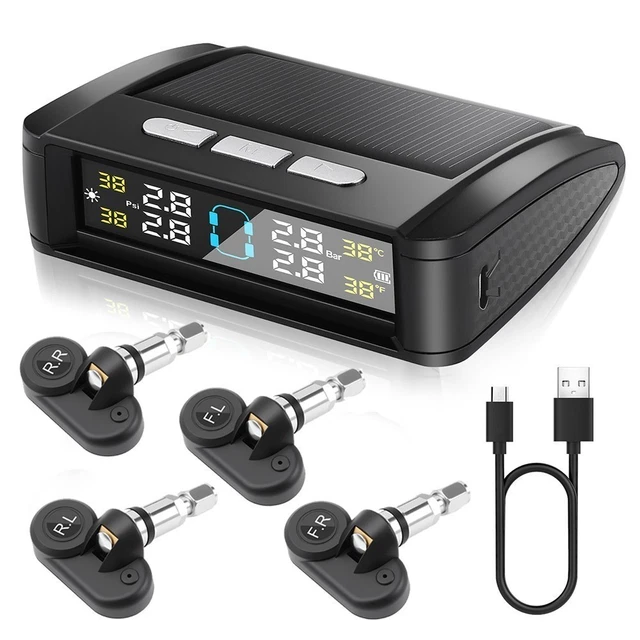
There are two main types of TPMS: direct and indirect. Direct TPMS uses sensors inside the tire. These sensors send pressure data to your car’s computer.
Indirect TPMS does not use sensors. It measures tire speed to guess if pressure is low. This system is less accurate but cheaper.
Why Tpms Matters
Proper tire pressure improves safety and saves money. It helps your car handle better on the road. It also reduces tire wear and fuel use.
TPMS helps you avoid flat tires and blowouts. It keeps you aware of tire problems early. This means fewer repairs and safer trips.
When Tpms Warning Appears
The TPMS light turns on when tire pressure is low. Sometimes, the light appears after changing tires or rotating them. It may need a reset or sensor check.
If the light stays on, check your tire pressure. Inflate tires to the recommended level. Visit a mechanic if the light does not turn off.
Reasons To Disable Tpms
The Tire Pressure Monitoring System (TPMS) helps keep tires safe by alerting low pressure. Sometimes, drivers choose to disable this system. This choice can come from several reasons related to car use and maintenance.
Understanding these reasons helps you decide if turning off TPMS fits your needs. Here are common situations that lead to disabling the system.
False Alarms From Seasonal Tire Changes
Changing tires for winter or summer can cause TPMS warnings. Sensors may not work well with different tires. This triggers alerts even if tires are fine. Disabling TPMS stops these false alarms.
Custom Or Off-road Tires
Custom tires or off-road tires may not support TPMS sensors. These tires often cause sensor errors. Drivers who use special tires might disable TPMS to avoid constant alerts.
Sensor Malfunction Or Damage
Sensors can break or lose battery power. Repair or replacement can be expensive. Some drivers choose to disable the system instead of fixing sensors immediately.
Improved Vehicle Performance
In rare cases, TPMS sensors can affect tire balance. This may cause slight vibrations or noise. Disabling TPMS can improve ride comfort for some drivers.
Preference For Manual Tire Checks
Some drivers prefer to check tire pressure manually. They trust their own regular inspections. Disabling TPMS removes unnecessary alerts for them.
Check Local Laws
Before disabling your Tire Pressure Monitoring System (TPMS), check local laws. These laws vary by region and affect your decision. Some places require TPMS to be active for safety reasons. Ignoring these rules may cause fines or fail vehicle inspections.
Knowing the legal status helps avoid trouble. It ensures you follow safety standards set by authorities. Always research your area’s specific rules about TPMS before making changes.
Understand Regional Regulations
Each country or state sets its own rules for TPMS. Some require it on all vehicles. Others allow disabling under certain conditions. Check official websites or local transport offices for accurate details.
Consequences Of Disabling Tpms Illegally
Turning off TPMS against the law can lead to fines. Insurance claims might be denied after accidents. Your vehicle could fail safety inspections. These risks make compliance important.
When Disabling Tpms Is Allowed
Some areas permit disabling TPMS for off-road use only. Others allow it if the system malfunctions and cannot be fixed immediately. Confirm these exceptions with local authorities before proceeding.
How To Verify Local Tpms Laws
Contact your Department of Motor Vehicles or transport authority. Search online for local vehicle safety regulations. Ask a trusted mechanic or vehicle expert familiar with local laws.
Credit: localvietnam.com
Tools You’ll Need
Disabling the Tire Pressure Monitoring System (TPMS) requires a few basic tools. Having the right tools makes the process easier and safer. Prepare these items before you start. This helps avoid delays and frustration.
Obd2 Scanner
An OBD2 scanner reads and clears vehicle error codes. It helps reset the TPMS after disabling it. Choose a scanner that supports tire pressure systems. This tool is essential for modern cars.
Socket Wrench Set
A socket wrench set removes the wheel nuts safely. Wheels need to come off to access the tire sensors. Make sure the set fits your car’s wheel size. Proper tools prevent damage and ensure safety.
Tire Valve Core Tool
This tool removes valve cores from tires. It helps release air or disable sensors inside the valve. The tool is small and easy to use. It is necessary for sensor maintenance.
Car Owner’s Manual
The owner’s manual provides specific instructions about your car’s TPMS. It guides the right way to disable or reset the system. Always check the manual first for model-specific advice.
Locate Tpms Sensors
Locating the Tire Pressure Monitoring System (TPMS) sensors is the first step in disabling the system. These sensors track the air pressure inside each tire. Knowing where they are helps you understand how the TPMS works.
Most vehicles have TPMS sensors attached to the wheels. They are small devices that send pressure data to your car’s computer. Finding them is easier than many people think.
Check Inside The Tires
TPMS sensors are usually mounted inside the tires. They attach to the wheel rim near the valve stem. You might need to remove the tire to see the sensor clearly.
Look Near The Valve Stem
The valve stem is the small rubber or metal piece used to fill the tire with air. The TPMS sensor often surrounds this valve. This location allows the sensor to measure pressure accurately.
Consult Your Vehicle Manual
The owner’s manual provides specific details about your car’s TPMS sensors. It tells you where the sensors are and how to access them. Manuals help avoid confusion and save time.
Use A Tpms Sensor Tool
Special tools can detect TPMS sensors wirelessly. These tools scan each tire and locate the sensor. They are helpful if you cannot find the sensors by sight.
Step-by-step Disabling Process
Disabling the Tire Pressure Monitoring System (TPMS) requires careful steps. Follow this simple guide to do it safely. The process involves accessing the system, disconnecting sensors, using a reset tool, and clearing warnings. Each step must be done with care to avoid damage to your vehicle’s systems.
Access The Tpms Module
Locate the TPMS control module in your vehicle. It is usually under the dashboard or near the glove box. Use your car’s manual to find the exact location. Remove any covers or panels gently to expose the module. Make sure the car is off before starting.
Disconnect The Sensor
Find the sensor connected to the TPMS module. Carefully unplug the wiring harness from the sensor. Avoid pulling on wires directly to prevent damage. Disconnecting the sensor stops the system from receiving tire pressure data. Keep the sensor in a safe place for future use.
Use Tpms Reset Tool
Obtain a TPMS reset tool compatible with your car model. Turn on the tool and follow the instructions to reset the system. This step tells your car to ignore the disconnected sensors. It helps prevent false alerts from showing up on the dashboard. Use the tool according to the manufacturer’s guide.
Clear Dashboard Warnings
Turn on your vehicle’s ignition without starting the engine. Check the dashboard for any TPMS warning lights. Use the reset tool or your car’s menu system to clear these warnings. The light should turn off after the reset. If it stays on, repeat the reset process or consult a mechanic.
Reset Tpms After Disabling
Resetting the Tire Pressure Monitoring System (TPMS) after disabling it is a necessary step. It clears old alerts and stops warning lights from staying on. Without a reset, the system may not work properly even after changes.
Resetting TPMS helps the system recognize the current tire status. This prevents false alarms and ensures better safety on the road. The process is simple and can be done at home with basic tools.
What Happens During A Tpms Reset?
During a reset, the system clears memory of previous tire pressures. It learns new baseline pressures from your tires. This helps it detect any future pressure drops accurately.
Tools Needed For Tpms Reset
You usually need a TPMS reset tool or your car’s key fob. Some cars allow reset via the dashboard menu. Check your vehicle’s manual for the exact method.
Step-by-step Guide To Reset Tpms
First, inflate all tires to the recommended pressure. Turn on the ignition without starting the engine. Press and hold the TPMS reset button until the light blinks. Release the button and wait for the light to go off. Drive the car for about 10 minutes to complete the reset.
When To Reset Tpms After Disabling
Reset after disabling the system or changing tires. Also reset if the warning light stays on. Resetting prevents false warnings and ensures system accuracy.

Credit: www.youtube.com
Potential Risks And Issues
Disabling the Tire Pressure Monitoring System (TPMS) might seem easy. Yet, it comes with risks and problems. This system helps keep your tires safe and your driving smooth. Turning it off can cause serious issues.
Understanding these risks helps you decide if disabling TPMS is worth it. It also helps you stay safe on the road.
Safety Hazards
TPMS alerts you about low tire pressure. Without it, you might not notice a flat tire. This can lead to accidents or loss of control. Driving on underinflated tires also increases the chance of a blowout.
Increased Tire Wear
Low tire pressure causes uneven tire wear. Without TPMS, tires wear faster and unevenly. This shortens tire life and wastes money. Regular tire checks become more important without TPMS.
Fuel Efficiency Loss
Proper tire pressure helps save fuel. Underinflated tires increase rolling resistance. This makes your vehicle use more gas. Disabling TPMS may lead to higher fuel costs.
Legal And Warranty Issues
Some regions require TPMS by law. Disabling it can cause legal trouble. It might also void your vehicle’s warranty. Manufacturers expect TPMS to remain active.
Dashboard Warning Lights
Turning off TPMS may cause constant warning lights. This can be distracting or annoying. It also hides real tire problems from you.
When To Seek Professional Help
Knowing when to get professional help is key for your car’s safety. The Tire Pressure Monitoring System (TPMS) is important for safe driving. Sometimes, disabling it yourself can cause more problems. Professionals have the tools and skills to handle issues correctly.
Ignoring warning signs or errors can lead to tire damage or accidents. A trained mechanic can diagnose the problem and fix it safely. They ensure the system works as it should or disable it without risks.
Signs That Show You Need Expert Assistance
TPMS warning lights stay on even after checking tires. The system gives false alerts frequently. You notice sudden tire pressure drops without cause. The TPMS sensor is damaged or broken. You feel unsure about the steps to disable the system.
Complex Tpms Systems Require Specialist Tools
Modern cars use advanced TPMS technology. It may need special devices to reset or disable sensors. Only professionals have these tools. Using the wrong method can cause errors or sensor failure.
Safety Comes First With Professional Disabling
Disabling TPMS wrongly can hide real tire problems. Experts ensure your tires stay safe to drive on. They help keep the system compliant with safety rules. This reduces risks while on the road.

Credit: localvietnam.com
Frequently Asked Questions
How Do I Disable The Tire Pressure Monitoring System?
You can disable the system by using your vehicle’s settings menu or a diagnostic tool. Some cars require a manual reset button. Always consult your owner’s manual for exact instructions to avoid errors or safety risks.
Will Disabling Tpms Affect Vehicle Safety?
Yes, disabling TPMS reduces safety by removing alerts for low tire pressure. Proper tire pressure helps prevent accidents and improves fuel efficiency. Consider this risk carefully before deciding to disable the system.
Can I Disable Tpms Without A Professional?
In some vehicles, you can disable TPMS via the dashboard settings. However, others need specialized tools or professional assistance. Refer to your vehicle manual or consult a mechanic to avoid damaging the system.
What Are The Legal Issues Of Disabling Tpms?
In many regions, disabling TPMS is illegal and may cause your vehicle to fail inspections. Check local laws before disabling the system to ensure compliance and avoid fines.
Conclusion
Disabling the tire pressure monitoring system can be done safely. Follow each step carefully to avoid mistakes. Always check your tire pressure manually after disabling the system. Remember, this system helps keep your driving safe. Use this guide only if you understand the risks.
Keep your vehicle’s manual handy for specific instructions. Stay alert to any changes in tire pressure. Driving with the right tire pressure saves fuel and prevents accidents. Take your time and double-check everything before you finish.
As an Amazon Associate, I earn from qualifying purchases.

