

Have you ever wondered how alcohol ankle monitors actually work? If you or someone you know needs to prove sobriety, understanding these devices can make a big difference.
These monitors do more than just track your location—they keep a close eye on your alcohol levels in real time. By the end of this article, you’ll know exactly how these devices detect alcohol, why they’re trusted by courts, and what that means for your freedom and peace of mind.
Keep reading to discover the surprising technology behind alcohol ankle monitors and how they might impact your life.
Credit: lextox.co.uk
Alcohol Ankle Monitor Basics
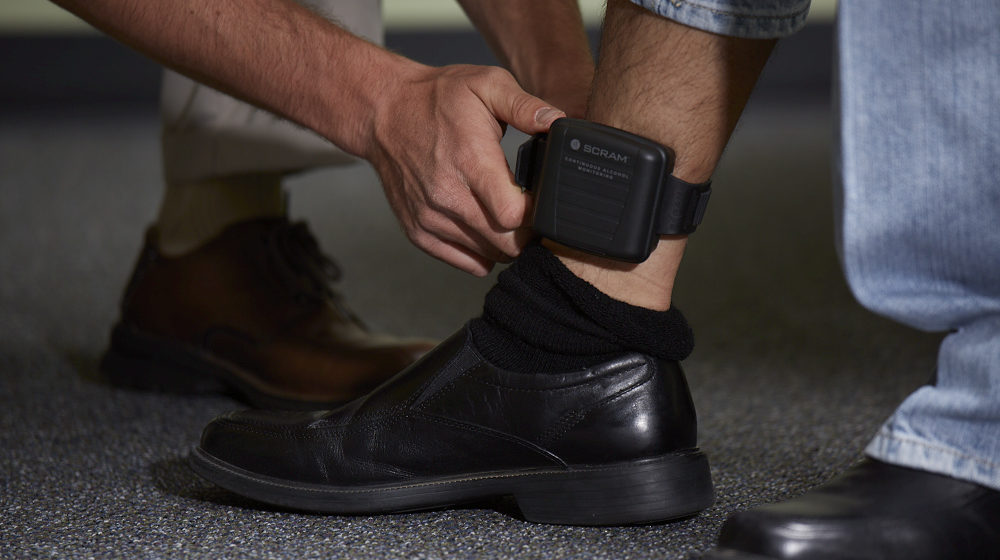
Alcohol ankle monitors help track alcohol use in people under court orders or treatment programs. They provide a way to check blood alcohol levels continuously. This helps ensure compliance with sobriety rules and supports recovery efforts.
These devices are worn around the ankle. They use sensors to detect alcohol through the skin. The data collected is sent to monitoring centers for review. Understanding the basics of these monitors helps explain how they work.
What They Are
Alcohol ankle monitors are small, wearable devices. They detect alcohol levels through sweat on the skin. Courts or treatment programs require some people to wear them. This helps track if a person stays alcohol-free. The device is usually worn 24/7 for accurate monitoring.
Key Components
These monitors have several important parts. First is the sensor that detects alcohol molecules in sweat. It measures alcohol content continuously or at regular times. A transmitter sends data to a remote monitoring center. The device also has a secure strap to stay on the ankle. Some models include tamper detection to prevent removal or damage.
How Sensors Detect Alcohol
Alcohol ankle monitors use special sensors to detect alcohol in a person’s body. These sensors work by measuring alcohol that leaves the skin. The technology helps monitor drinking without needing blood or breath tests. Understanding how these sensors work shows their role in tracking sobriety.
Transdermal Alcohol Measurement
Transdermal alcohol measurement means checking alcohol through the skin. When a person drinks, some alcohol leaves the body through sweat. The monitor senses this alcohol vapor on the skin’s surface. It measures the amount of alcohol passing out of the body over time. This method allows constant and non-intrusive monitoring.
Sensor Technology
The sensors in ankle monitors use tiny chemical detectors. These detectors react with alcohol molecules on the skin. The reaction creates an electrical signal that the device reads. The device then calculates the alcohol level from this signal. Sensors are designed to be sensitive and accurate. They work even with small amounts of alcohol vapor.
Data Collection And Transmission
Alcohol ankle monitors track alcohol levels through sensors that detect alcohol in sweat. These devices gather and send data to ensure compliance with court or treatment orders. Understanding how data collection and transmission work helps explain their function and reliability.
Real-time Monitoring
The monitor collects alcohol data continuously throughout the day. Sensors measure alcohol presence in sweat every few minutes. This frequent checking helps catch any alcohol use quickly. The device then sends the data to a central system. It uses wireless networks like cellular or Bluetooth to transmit information. Authorities receive updates almost instantly. This real-time monitoring allows fast action if alcohol use is detected.
Data Security
Data security protects sensitive information from unauthorized access. The monitor encrypts all collected data before sending it. Encryption turns data into a code that only authorized users can read. Secure networks also guard data during transmission. Storage systems use strict controls to keep data safe. These measures ensure privacy and prevent tampering. Users and officials can trust the data’s accuracy and safety.
Accuracy And Limitations
Alcohol ankle monitors help track alcohol use by measuring alcohol levels through the skin. They provide data by detecting alcohol vapor emitted from sweat. These devices aim to give accurate readings, but they have some limits. Understanding these helps users and authorities interpret results correctly.
Factors Affecting Readings
Several things can change the accuracy of alcohol ankle monitors. Body temperature plays a role. Higher heat can increase alcohol vapor, causing higher readings. Sweat levels also matter. If a person sweats less, the device may miss some alcohol detection.
Physical activity affects readings too. Exercise may raise body heat and sweat, changing results. Environmental factors, like humidity and temperature, impact the monitor’s sensors. Even the fit of the device matters. A loose or dirty sensor may give wrong numbers.
Common Errors
Errors can happen with alcohol ankle monitors. Sometimes, the device picks up alcohol from outside sources. Using hand sanitizer or cleaning products with alcohol near the sensor can cause false positives. Skin lotions or perfumes with alcohol may also affect results.
Technical problems can lead to errors. Battery issues, sensor damage, or poor maintenance reduce reliability. User mistakes, like tampering or improper wearing, cause wrong readings too. Regular checks and proper use help reduce these errors.
Legal And Privacy Issues
Alcohol ankle monitors raise important legal and privacy questions. These devices track a person’s alcohol levels and location. Laws control how courts use this information. Privacy rules limit how much data can be collected and shared. Understanding these issues helps users and the public trust the technology.
Court Requirements
Court systems set strict rules for alcohol ankle monitors. Judges decide who must wear them and for how long. The devices must meet legal standards for accuracy. Courts often require regular reports from monitoring companies. These reports help judges check if users follow the rules. Failing to wear the monitor can lead to penalties. Courts balance safety with the user’s rights.
User Privacy Concerns
Privacy is a major concern for people wearing ankle monitors. These devices collect sensitive personal information. Data includes alcohol levels, movements, and sometimes location. There are risks of data misuse or hacking. Laws require companies to protect this information securely. Users worry about who can see their data. Clear rules help protect user privacy and build trust.

Credit: www.scramsystems.com
Benefits Of Alcohol Ankle Monitors
Alcohol ankle monitors offer many benefits for individuals and the justice system. These devices help control alcohol use without heavy penalties. They provide a practical way to monitor sobriety effectively.
These monitors support legal compliance and reduce jail time. They also encourage responsibility and personal freedom for users. Their use can improve safety in communities and homes.
Compliance Enforcement
Alcohol ankle monitors track blood alcohol levels continuously. They send real-time data to authorities to ensure rules are followed. This helps prevent drinking in restricted cases.
Users stay aware of their limits and consequences. Monitoring reduces the risk of rule-breaking and repeat offenses. It holds people accountable in a clear, fair way.
Alternative To Incarceration
These devices allow people to avoid jail while under supervision. They provide a chance to maintain jobs and family life. This support helps with rehabilitation and reduces prison overcrowding.
The ankle monitors offer a less harsh option for offenders. They promote positive behavior change without harsh punishment. This approach benefits both individuals and society.
Challenges And Criticisms
Alcohol ankle monitors help track alcohol use outside court or treatment. Yet, these devices face several challenges. Some relate to technology, others to ethics. Understanding these issues shows why some question their use and reliability.
Technical Problems
Alcohol ankle monitors can fail to detect alcohol properly. Sensors may give false alarms from lotions or hand sanitizers. Battery life can be short, causing missed data. Sometimes devices lose connection to monitoring centers. These technical faults create problems for users and authorities.
Maintenance and repair are costly and time-consuming. Users may feel frustrated or punished unfairly. The need for constant updates and checks adds to the burden. Reliability remains a key concern for these devices.
Ethical Debates
Privacy is a major worry with alcohol ankle monitors. They track personal behavior 24/7, which feels intrusive to many. Some argue this monitoring invades human rights. The question of consent also arises, especially for court-ordered users.
Stigma and social judgment increase with visible devices. Users may face discrimination at work or in public. Critics say ankle monitors can harm rehabilitation efforts. They may create shame instead of support for recovery.
Future Of Alcohol Monitoring
The future of alcohol monitoring is set to bring new changes. These changes aim to make monitoring more accurate and easier to use. Advances in technology will help improve how ankle monitors work. New uses for these devices will also appear beyond their current role. This will help many people and organizations manage alcohol use better.
Technological Advances
Technology will make alcohol ankle monitors smaller and lighter. They will offer more comfort for users. Sensors will become more sensitive, detecting alcohol more quickly and accurately. Data transmission will improve, sending information in real time to authorities. Battery life will increase, reducing the need for frequent charging. Software will get smarter, analyzing patterns and giving better reports. These changes will improve monitoring and make devices easier to wear every day.
Broader Applications
Alcohol monitors will find new uses outside the legal system. Employers may use them to ensure safety in workplaces. Health programs could use them to support people with alcohol problems. Insurance companies might offer lower rates for monitored clients. Families may use them to help loved ones stay sober. Schools and sports teams could adopt them to promote healthy habits. These broader uses will help many groups manage alcohol use responsibly.

Credit: www.iprwyoming.org
Frequently Asked Questions
How Do Alcohol Ankle Monitors Detect Alcohol Use?
Alcohol ankle monitors detect alcohol through skin sweat. They use fuel cell sensors to measure alcohol vapors. This allows continuous, real-time monitoring without invasive tests. The device sends data to authorities for compliance checks and ensures users abstain from drinking.
Are Alcohol Ankle Monitors Accurate And Reliable?
Yes, alcohol ankle monitors are accurate and reliable. They use advanced sensors to detect alcohol levels in sweat precisely. Regular calibration and tamper alerts enhance reliability. They provide trustworthy data for courts and treatment programs to monitor sobriety effectively.
Can Alcohol Ankle Monitors Prevent Drinking Completely?
Alcohol ankle monitors discourage drinking by monitoring continuously. They alert authorities if alcohol is detected, creating accountability. While they don’t physically prevent drinking, the risk of consequences reduces consumption significantly. Users stay motivated to comply with sobriety requirements.
How Long Does An Alcohol Ankle Monitor Track Alcohol Use?
These monitors track alcohol use continuously 24/7. They provide ongoing data on alcohol exposure through sweat analysis. Monitoring duration depends on court or program requirements, often lasting weeks to months. This ensures long-term compliance and support for sobriety.
Conclusion
Alcohol ankle monitors help track alcohol use clearly and in real time. They use sensors that detect alcohol through the skin. This technology aids courts and treatment programs in monitoring sobriety. People wearing these devices must stay honest and follow rules.
The monitors provide a fair way to ensure safety and support recovery. Understanding how these devices work helps reduce doubts and fears. They play a role in keeping communities safer and helping individuals stay on track. Simple, clear, and effective.
As an Amazon Associate, I earn from qualifying purchases.

