

If you’ve ever glanced at a fetal monitor and noticed the word “Toco,” you might have wondered what it means and why it’s important for you and your baby. Understanding this term can help you feel more confident during labor and delivery.
You’ll discover exactly what “Toco” stands for, how it works, and why it matters for tracking your baby’s well-being. Keep reading to unlock the key to a smoother, more informed birthing experience.
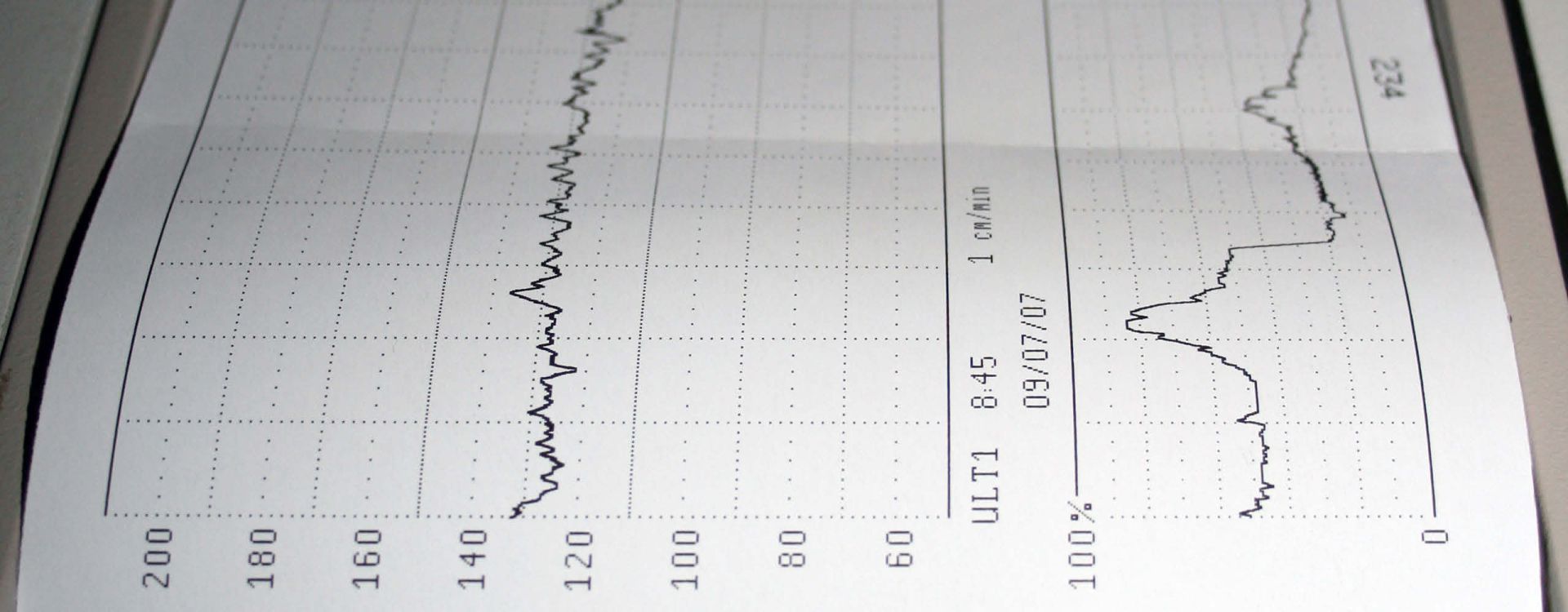
Credit: miraclecord.com
Toco Basics
Toco is an important part of fetal monitoring during labor. It helps doctors and nurses understand how the uterus behaves. This information guides care for both mother and baby. Knowing the basics of Toco helps expectant parents feel more informed and calm.
The Toco monitor focuses on the strength and timing of contractions. It works without causing pain or discomfort. Learning how Toco works and what it measures makes the process clearer.
What Toco Measures
Toco measures the pressure on the mother’s abdomen. It tracks how strong and how long contractions last. This data shows how the uterus is working. It does not measure the baby’s heartbeat or movement.
Doctors use Toco data to check if labor is progressing well. It also helps detect problems early. This way, they can act fast if needed.
How Toco Works
The Toco monitor has a small sensor called a tocodynamometer. It gently rests on the mother’s belly. The sensor senses the tightness of the uterus during contractions.
As contractions happen, the sensor sends signals to the monitor. The monitor shows graphs that display contraction patterns. Nurses watch these graphs closely throughout labor.
Toco is safe and easy to use. It does not harm the mother or baby. It simply listens to the body’s natural signals.
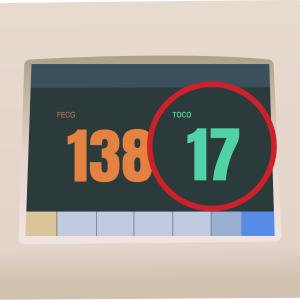
Credit: www.cardiacdirect.com
Role In Labor Monitoring
The TOCO monitor plays a key role in labor monitoring. It helps doctors and nurses watch the strength and frequency of contractions. This information guides them to understand how labor is progressing. It also helps ensure both mother and baby stay safe during delivery.
Tracking Uterine Contractions
The TOCO sensor sits on the mother’s belly. It detects the tightening of the uterus muscles. Each contraction causes a rise in the TOCO reading. Nurses use these readings to see how often contractions happen. They also check how strong they are. This helps to time the labor stages correctly.
Interpreting Toco Readings
TOCO readings show numbers that reflect contraction intensity. Higher numbers mean stronger contractions. Doctors watch these numbers to decide if labor is moving well. They also spot if contractions are too weak or too strong. This helps in making quick decisions during labor.
Comparing Toco With Other Monitors
Understanding how Toco compares with other fetal monitoring methods helps expectant parents and healthcare providers choose the best option. Each type of monitor measures contractions differently. It is important to know the differences to understand the data during labor. This section explains key points about Toco and other monitors.
Internal Vs External Monitoring
Toco is an external monitor. It uses a sensor placed on the mother’s abdomen. This sensor detects the pressure caused by contractions. Internal monitoring uses a small catheter inserted inside the uterus. It measures pressure directly from the uterus wall.
External Toco is less invasive. It does not break the water or touch the baby. Internal monitors give more precise and accurate readings. But they require the membranes to be ruptured. Doctors decide which method fits each case.
Advantages And Limitations
Toco is easy to place and does not cause pain. It works well if the mother is not very overweight. Its readings can be less accurate if the mother moves or if she has a lot of belly fat.
Internal monitors give clearer data on contraction strength. They are useful in high-risk labors or when precise monitoring is needed. But internal monitors carry risks like infection or injury to the baby.
Choosing between Toco and other monitors depends on health conditions and labor progress. Each method has its strengths and limits. Understanding these helps ensure safe and effective monitoring.

Credit: blog.ochsner.org
Common Misconceptions
Many people have wrong ideas about the toco on a fetal monitor. These ideas can cause confusion and worry. Understanding the real meaning helps expectant parents feel calm and informed. Let’s clear up some common misconceptions.
Toco And Fetal Heart Rate
Some think the toco measures the baby’s heart rate. It does not. Toco only tracks contractions of the mother’s uterus. The fetal heart rate shows on a different part of the monitor. Mixing these two can lead to wrong assumptions about the baby’s health.
Accuracy Concerns
People often doubt how accurate toco readings are. The toco sensor measures pressure on the mother’s belly. It might miss weak contractions or give false signals. Still, it is useful to see the timing and length of contractions. Doctors use this data along with other tests to understand labor progress.
Practical Tips For Expectant Mothers
Understanding the Toco reading on a fetal monitor can feel confusing for many expectant mothers. Knowing practical tips helps you stay calm and informed during your checkups. This way, you can focus on your baby’s health and your comfort.
These tips explain what happens during monitoring and what questions to ask your care provider. Being prepared helps you understand each step clearly.
What To Expect During Monitoring
The Toco sensor measures contractions by detecting pressure on your belly. It is a soft belt placed around your abdomen. It does not hurt or cause discomfort. You may feel the belt tighten slightly during contractions.
The monitor also tracks your baby’s heart rate at the same time. You will lie or sit comfortably while the nurse attaches the equipment. Each session usually lasts 20 to 40 minutes.
Your care team watches the monitor to check how your uterus contracts. This helps them understand your labor progress and your baby’s well-being.
Questions To Ask Your Care Provider
Ask what the Toco numbers mean for your pregnancy stage. You can also ask how often monitoring is needed. Understanding this helps you avoid unnecessary stress.
Inquire if you can move around during the monitoring. Some hospitals allow walking or changing positions. This may help you feel more comfortable.
Ask how the monitor data affects your care plan. Knowing this can ease worries and help you participate in decisions. Your care provider will guide you through the process clearly.
Frequently Asked Questions
What Does Toco Mean On A Fetal Monitor?
TOCO stands for tocodynamometer. It measures uterine contractions by detecting abdominal pressure changes during labor. This helps track contraction frequency and intensity, guiding labor progress.
How Does Toco Monitor Uterine Contractions?
TOCO uses a pressure-sensitive device placed on the abdomen. It senses contractions by detecting the tightening and relaxing of uterine muscles, providing real-time contraction data to caregivers.
Is Toco Monitoring Safe For Mother And Baby?
Yes, TOCO monitoring is non-invasive and safe. It only measures external pressure changes and does not harm the mother or fetus during labor monitoring.
Why Is Toco Important During Labor?
TOCO helps monitor contraction patterns to assess labor progress. It assists healthcare providers in making timely decisions for labor management and ensuring fetal well-being.
Conclusion
Toco on a fetal monitor shows your baby’s movements and contractions. It helps doctors see how labor is going. Knowing what toco means can reduce worry during pregnancy. The monitor gives clear, simple information about your baby’s health. Always ask your healthcare provider if something is unclear.
Understanding the basics helps you feel more confident. Keep this knowledge close as you prepare for childbirth. Stay calm and trust the process.
As an Amazon Associate, I earn from qualifying purchases.

