

Have you ever wondered how doctors keep a close eye on your health during treatment or after surgery? Medical monitoring plays a crucial role in making sure your body is responding well and staying safe.
Understanding what medical monitoring is can give you peace of mind and help you take control of your own care. You’ll discover exactly how medical monitoring works and why it matters to your health. Keep reading—you might find out something that could make a real difference for you or someone you care about.

Credit: www.medonegroup.com
Medical Monitoring Basics
Medical monitoring helps keep track of health over time. It supports early detection of health problems. This process involves checking vital signs and other health data. Patients and doctors use this information to manage conditions better.
Medical monitoring can be done at home or in healthcare settings. It uses tools and technology to gather accurate health details. Understanding the basics helps people use monitoring effectively and safely.
Key Concepts In Health Tracking
Health tracking means watching important body functions regularly. It includes measuring heart rate, blood pressure, and blood sugar. Keeping a record helps spot changes quickly.
Consistency is key. Regular checks provide a clear picture of health trends. It helps doctors adjust treatments when needed. Personal health data improves care and prevention.
Types Of Medical Monitoring
There are several types of medical monitoring. Some focus on vital signs like temperature and pulse. Others track specific conditions, such as diabetes or heart disease.
Wearable devices monitor activity and sleep patterns. Remote monitoring sends data to healthcare providers directly. This saves time and allows fast responses to health issues.
Devices And Tools
Medical monitoring uses various devices and tools to track health data. These tools collect important information to help doctors understand a patient’s condition. Technology has made it easier to monitor health outside hospitals. Devices range from simple trackers to complex systems. Each tool has a unique role in managing health.
Wearable Health Trackers
Wearable health trackers are small devices worn on the body. They measure heart rate, steps, sleep, and more. Many people use them daily to watch their fitness. These devices send data to smartphones or computers. Doctors can review this data to spot health issues early.
Remote Patient Monitoring Devices
Remote patient monitoring devices collect health data from patients at home. They measure blood pressure, glucose levels, oxygen, and other vital signs. The devices send information directly to healthcare providers. This helps doctors track patient health without visits. It is especially useful for chronic illness care.
Mobile Health Apps
Mobile health apps work on smartphones to track health information. Users can log symptoms, medications, and activities. Some apps connect with wearable devices for real-time data. These apps provide reminders and health tips. They help patients stay active in their care and share data with doctors easily.
Benefits Of Medical Monitoring
Medical monitoring offers many benefits for patients and healthcare providers. It helps track health changes closely and supports timely care. This continuous check can lead to better health outcomes and greater comfort for patients. Below are some key benefits of medical monitoring.
Early Detection Of Health Issues
Medical monitoring helps spot health problems early. Devices can track vital signs and alert doctors quickly. Early detection means treatment can start sooner. This lowers risks and stops problems from getting worse. It saves lives by catching issues before serious damage occurs.
Improved Chronic Disease Management
Many people live with chronic illnesses like diabetes or heart disease. Medical monitoring keeps a close watch on these conditions daily. It helps doctors adjust treatments faster. Patients get better care and fewer hospital visits. Managing diseases with monitoring improves quality of life and reduces complications.
Enhanced Patient Engagement
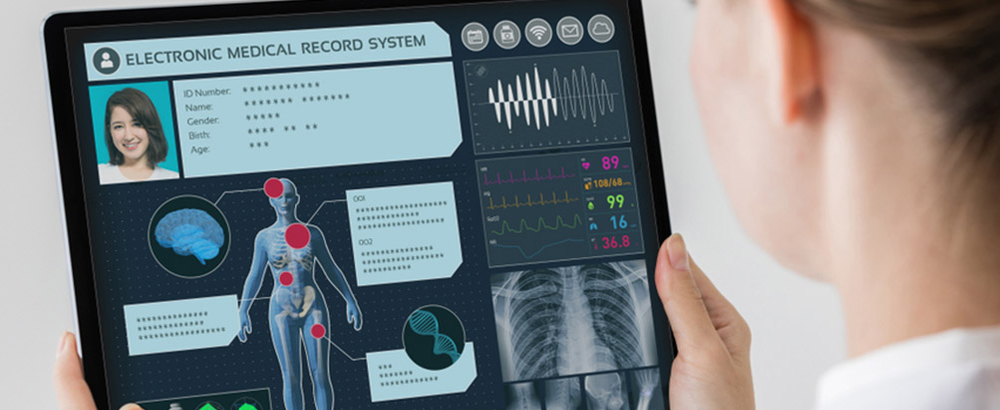
Medical monitoring encourages patients to take charge of their health. Devices give real-time feedback on their condition. This helps patients understand their health better. It motivates them to follow doctors’ advice and make healthy choices. Engaged patients often experience better health results overall.
Credit: kpproud-midatlantic.kaiserpermanente.org
Challenges And Limitations
Medical monitoring offers many benefits but faces real challenges. These challenges affect how well it works and who can use it. Understanding these limits helps improve the technology and care.
Data Privacy Concerns
Medical monitoring collects sensitive health data. Protecting this data is critical. Breaches can harm patients and erode trust. Strong security measures must be in place. Users worry about who can see their information. Privacy laws guide how data is handled. Still, risks remain in digital storage and transmission.
Accuracy And Reliability
Devices must provide accurate health readings. Errors can lead to wrong treatments. Calibration and maintenance are essential. Some devices struggle with certain conditions or environments. Signal loss or interference can cause false data. Patients and doctors need confidence in the results. Continuous testing improves device reliability.
User Compliance And Accessibility
Patients must use devices correctly for good results. Some find technology hard to operate. Physical or cognitive impairments create barriers. Cost and internet access limit availability. Easy-to-use designs increase compliance. Training and support help users stay engaged. Accessibility is key for wide adoption.
Future Trends
The future of medical monitoring holds exciting possibilities. Technology is changing how doctors track health. Patients get more control and better care. These trends improve accuracy and ease of use. They help catch problems early and manage chronic diseases well.
Artificial Intelligence Integration
Artificial intelligence helps analyze health data faster. It finds patterns that humans might miss. AI can predict health issues before symptoms appear. This saves time and improves treatment plans. Machines assist doctors but do not replace them. AI makes medical monitoring smarter and more reliable.
Personalized Health Monitoring
Each person’s body is unique. Personalized monitoring adapts to individual needs. Devices track specific health markers for each patient. This approach offers tailored advice and care. It helps people manage their health more closely. Personalization leads to better outcomes and satisfaction.
Telemedicine And Remote Care Expansion
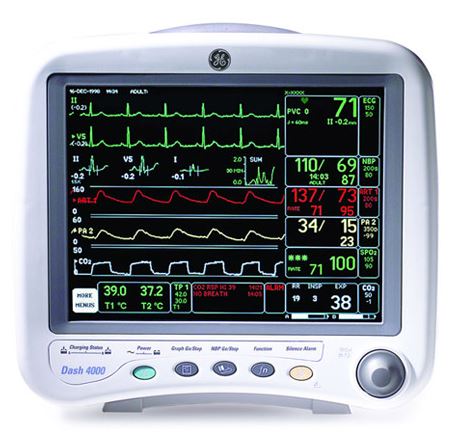
Remote care grows rapidly with new technology. Patients can connect with doctors from home. Medical monitoring devices send data instantly. This reduces hospital visits and saves time. Telemedicine makes healthcare more accessible worldwide. It supports continuous care without travel or wait.
Credit: coastbiomed.com
Frequently Asked Questions
What Is Medical Monitoring In Healthcare?
Medical monitoring involves regularly checking a patient’s health to track conditions and detect changes early. It helps in timely treatment and improves patient outcomes. Devices or tests often support this process, ensuring ongoing care and safety.
Why Is Medical Monitoring Important For Patients?
Medical monitoring ensures early detection of health issues, preventing complications. It provides continuous data for doctors to adjust treatments. This ongoing care improves recovery rates and patient safety, reducing hospital readmissions and healthcare costs.
How Does Medical Monitoring Work?
Medical monitoring uses tools like wearable devices, blood tests, and imaging to track vital signs. Data is collected and analyzed to assess health status. This allows healthcare providers to make informed decisions and respond quickly to any changes.
Who Benefits Most From Medical Monitoring?
Patients with chronic diseases, post-surgery individuals, and elderly people benefit most. It helps manage ongoing conditions and supports recovery. Medical monitoring also aids in preventing emergencies by keeping health data under constant review.
Conclusion
Medical monitoring helps keep patients safe and healthy. It tracks vital signs and alerts doctors to changes. Regular checks can catch problems early. This care supports better treatment and recovery. Everyone involved benefits from clear, ongoing monitoring. Understanding medical monitoring can improve health outcomes for many.
It plays a key role in modern healthcare today. Simple, steady watchfulness makes a big difference.
As an Amazon Associate, I earn from qualifying purchases.

