

Are you wondering what labor contractions look like on a monitor? If you’re expecting a baby or supporting someone who is, understanding the patterns on a contraction monitor can ease your mind and help you feel more in control.
Knowing how to read these signals can guide you through the early stages of labor and prepare you for what’s coming next. Keep reading to discover exactly what those lines and spikes mean, so you can feel confident and ready when the big moment arrives.
Labor Contractions On Monitor
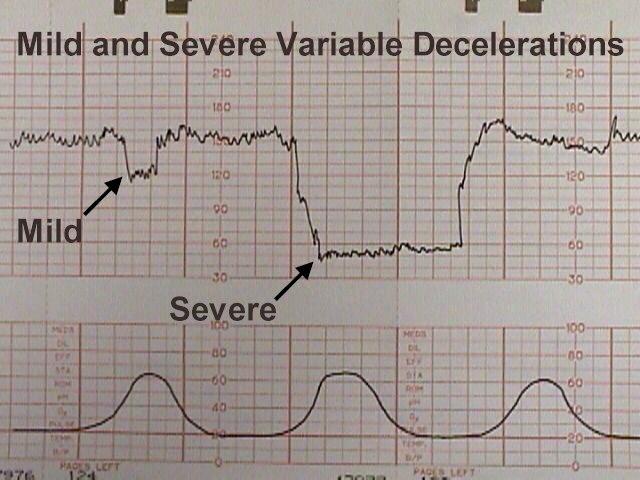
Labor contractions on a monitor show the strength and timing of each contraction. These monitors help doctors and nurses understand how labor is progressing. The monitor displays waves or spikes that rise and fall with each contraction. This visual information is important for tracking the health of the mother and baby.
How Monitors Track Contractions
Monitors use sensors placed on the mother’s belly. These sensors detect the tightening of the uterus muscles. The machine then turns these signals into a graph. Each peak on the graph represents one contraction. The height shows how strong the contraction is. The distance between peaks shows how often contractions happen.
Types Of Contraction Patterns
Contraction patterns vary during labor. Regular patterns mean contractions come at steady times. Irregular patterns show contractions at random times. Some patterns have short, weak contractions. Others have long, strong ones. The pattern changes as labor moves forward. Doctors watch these changes to decide care steps.
Normal Vs Abnormal Patterns
Normal contraction patterns show steady progress in labor. They help the cervix open at a good pace. Abnormal patterns may be too slow or too fast. Too many contractions can stress the baby. Too few contractions may slow labor. The monitor helps spot these issues early. This way, doctors can act quickly to keep mother and baby safe.
Credit: oacapps.med.jhmi.edu
Reading The Contraction Graph
Reading the contraction graph on a monitor helps understand labor progress. This graph shows the timing and strength of contractions. It gives clear information during labor. Knowing how to read it makes the experience less confusing. The graph uses waves that rise and fall. Each part tells a story about the contractions.
Peaks And Troughs Explained
The graph has peaks and troughs. Peaks are the highest points on the wave. They show when a contraction is strongest. Troughs are the low points between peaks. These represent rest periods when the uterus relaxes. The space between peaks shows the time between contractions.
Frequency And Duration
Frequency means how often contractions happen. Count the peaks to find this. Duration is how long each contraction lasts. Look at the width of each peak. Longer peaks mean longer contractions. Tracking these helps know how labor is moving.
Intensity Indicators
The height of peaks shows contraction strength. Taller peaks mean stronger contractions. The monitor measures pressure inside the uterus. This helps doctors decide when to act. Intensity affects pain and labor progress.
Visual Examples Of Contractions
Visual examples of contractions on a monitor help expectant parents understand labor progress. These patterns show how the uterus tightens and relaxes. Contraction waves appear as peaks on the screen. Each phase of labor has distinct shapes and spacing. Knowing what these look like can ease anxiety during childbirth.
Early Labor Patterns
Early labor contractions are mild and irregular. The peaks on the monitor are low and spread apart. They last about 30 to 45 seconds. The space between contractions can be 5 to 30 minutes. The pattern looks like gentle hills with long flat areas.
Active Labor Patterns
Active labor shows stronger, more frequent contractions. The peaks are taller and closer together on the monitor. Each contraction lasts about 45 to 60 seconds. The gap between peaks shortens to 3 to 5 minutes. The graph looks like sharp waves with shorter breaks.
Transition Phase Patterns
Transition contractions are the most intense and close together. The monitor shows very tall, sharp peaks. Each contraction lasts up to 90 seconds. The time between them shrinks to 30 seconds or less. The pattern looks like a series of steep, rapid spikes.

Credit: www.wikihow.com
Common Misinterpretations
Labor contractions show up on monitors as waves or spikes. Many expect a clear, steady pattern. The truth is, interpreting these signals can be tricky. Mistakes happen, even for experienced viewers. Misreading the monitor may cause unnecessary worry or missed signs.
Some signals mimic contractions but are not real. Others come from external sources or machine issues. Understanding common errors helps expectant mothers and caregivers stay calm. It ensures proper care and timely action.
False Contractions On Monitor
Not every spike on the monitor means a real contraction. Sometimes, the uterus tightens slightly without labor starting. These are called false contractions or Braxton Hicks. They appear irregular and do not get stronger over time. The monitor may show these as brief, uneven waves.
False contractions often confuse first-time mothers. They may feel pressure but no pain. The monitor reflects this mild muscle activity. It is important to watch for a pattern of increasing intensity and frequency instead.
Artifact Signals
Artifact signals come from outside the body or machine errors. Movements like coughing, shifting position, or talking can cause these signals. The monitor may record them as sudden jumps or irregular shapes. Loose sensors or electrical interference also create artifacts.
These signals do not match real contraction patterns. They appear quickly and without rhythm. Skilled nurses and doctors can tell the difference. Knowing this avoids false alarms and unnecessary tests.
When To Seek Medical Advice
Understanding the monitor is helpful, but it is not foolproof. If contractions become regular, stronger, or last longer, call your healthcare provider. Also, seek help if you see unusual patterns or feel intense pain. Changes in baby’s movement or water breaking require immediate attention.
Medical staff use the monitor alongside other signs to assess labor. Trust their expertise and communicate any concerns. Early advice helps protect both mother and baby during childbirth.
Technology Behind The Monitor
Labor contraction monitors help doctors and nurses watch the baby’s health. These machines show how strong and how often contractions happen. Understanding the technology helps expectant mothers feel more at ease.
External Vs Internal Monitoring
External monitors use belts around the belly. They measure contractions by sensing the pressure on the skin. These belts also track the baby’s heartbeat.
Internal monitors need a small device inside the uterus. They give more exact readings of contractions. Doctors use this method when external monitoring is not clear enough.
How Sensors Work
Sensors detect muscle tightness during contractions. The monitor turns these signals into waves on a screen. The higher the wave, the stronger the contraction.
Heartbeat sensors use sound waves or electrical signals. These sensors keep track of the baby’s heart rate. This helps spot any stress during labor.
Limitations Of Monitoring Devices
External monitors may move and give false readings. They cannot measure contraction strength precisely. Internal monitors carry risks like infection.
Both types might not work well if the mother moves too much. Sometimes, the baby’s position makes monitoring harder. Monitors do not replace medical judgment but support it.

Credit: www.researchgate.net
Frequently Asked Questions
What Do Labor Contractions Look Like On A Monitor?
Labor contractions appear as rising and falling peaks on the monitor. Each peak represents a contraction’s intensity and duration. The space between peaks shows relaxation periods. This pattern helps doctors track labor progress and baby’s well-being.
How Can I Identify Contraction Patterns On The Monitor?
Contraction patterns show as repeated waves or spikes on the monitor. Regular intervals and increasing strength suggest active labor. Monitoring these helps assess contraction frequency, duration, and intensity for better labor management.
Do Contraction Monitors Show Pain Levels During Labor?
Monitors display contraction strength but not pain levels directly. The peaks indicate muscle tightening intensity, which often correlates with pain. However, pain perception varies, so monitors aid in clinical assessment, not personal pain measurement.
Can A Monitor Detect False Labor Contractions?
Yes, monitors can detect false labor contractions, which appear irregular and less intense. Unlike true labor, these contractions don’t increase in frequency or intensity. Monitoring helps differentiate between false and active labor for proper care.
Conclusion
Labor contractions show clear patterns on the monitor. They come as waves, rising and falling in strength. The monitor helps doctors and nurses track these changes closely. This information guides them in caring for both mother and baby. Understanding what contractions look like can ease worries during labor.
It shows progress and helps know when to act. Watching the monitor gives a sense of control and safety. Every contraction brings the baby closer to being born.
As an Amazon Associate, I earn from qualifying purchases.

