

Have you ever wondered how loud your environment really is? Whether it’s your home, workplace, or even your favorite café, noise levels can affect your health and comfort more than you might think.
A noise decibel monitor is a simple tool that helps you measure sound intensity accurately. By understanding what this device does and how it works, you can protect your hearing, improve your surroundings, and make smarter choices about noise. Keep reading to discover why a noise decibel monitor might be just what you need.

Credit: www.noyafa.com
Noise Decibel Monitor Basics
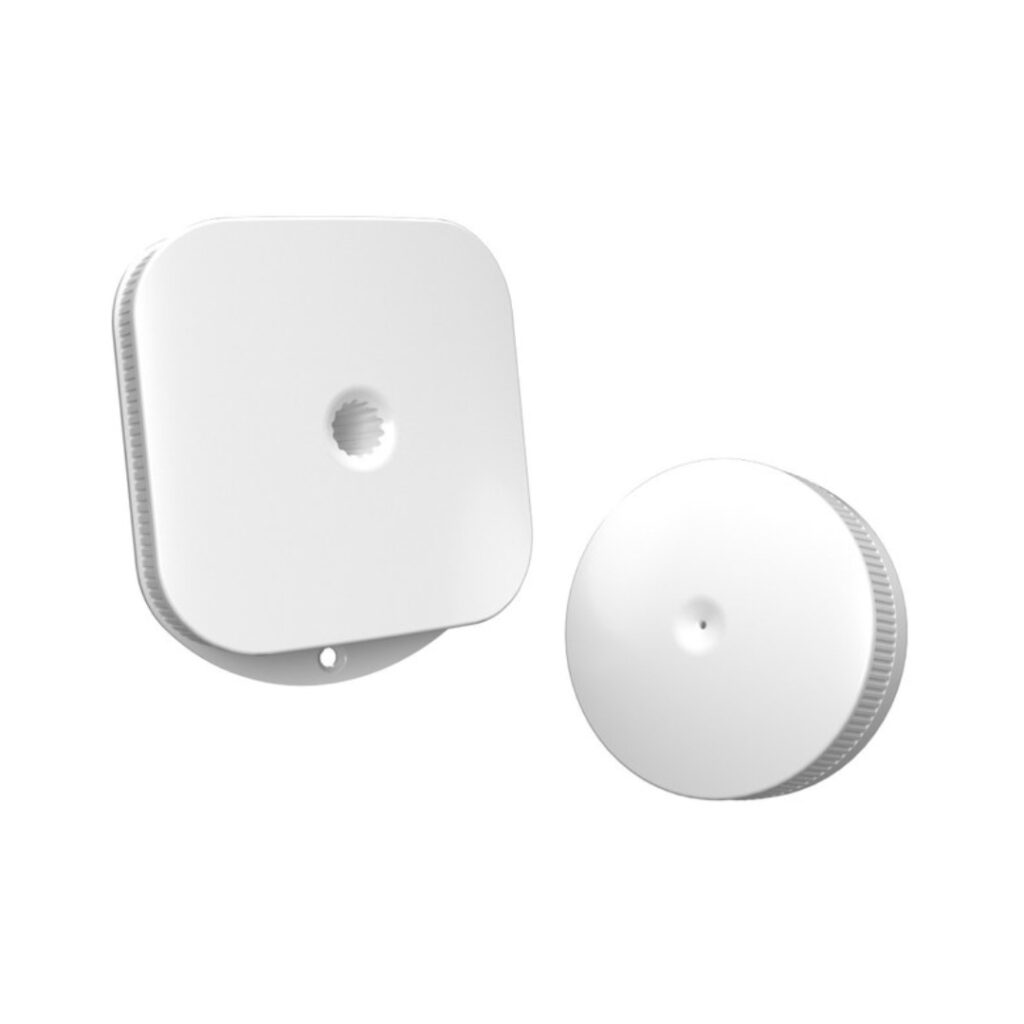
A noise decibel monitor is a simple device that measures sound levels. It helps you understand how loud your environment is. This tool is useful in homes, workplaces, and public places. It helps protect your hearing and keeps noise at safe levels.
Knowing the basics of noise decibel monitors can help you stay safe. Learn what they measure and why decibel levels matter. Understand common noise sources to better control your sound exposure.
What Noise Decibel Monitors Measure
Noise decibel monitors measure the intensity of sound. They show the level in decibels (dB). Decibels tell you how loud a sound is. The higher the number, the louder the sound. These monitors capture real-time noise data around you.
How Decibel Levels Affect Hearing
High decibel levels can harm your ears. Sounds above 85 dB may cause hearing damage over time. Loud noises can cause pain or ringing in ears. Protecting your ears means avoiding loud environments. Using a noise decibel monitor helps track safe sound levels.
Common Noise Sources And Their Decibel Levels
Everyday sounds have different decibel levels. A quiet room is about 30 dB. Normal conversation usually hits 60 dB. Traffic noise can reach 70-85 dB. A lawnmower or loud music can go over 90 dB. Fireworks and concerts may exceed 120 dB, which is very loud.
Credit: turno.com
Types Of Noise Decibel Monitors
Noise decibel monitors measure sound levels to protect hearing and reduce noise pollution. Various types exist to meet different needs. Each type offers unique features and benefits for sound measurement in many settings.
Handheld Monitors
Handheld monitors are portable devices used to check noise levels quickly. They have easy-to-read screens and buttons for simple operation. These devices are common in workplaces and public areas. They provide accurate readings and store data for later review.
Wearable Devices
Wearable devices attach to clothing or the body to monitor noise constantly. They help workers and individuals track sound exposure throughout the day. These devices alert users when noise reaches harmful levels. Wearables are small, lightweight, and designed for comfort.
Smartphone Apps
Smartphone apps turn your phone into a noise decibel monitor. They use the phone’s microphone to measure sound levels in real time. Apps are convenient and easy to use anywhere. While less precise than dedicated devices, they are useful for casual noise checks.
Features To Look For
Choosing the right noise decibel monitor means knowing what features matter most. These features ensure you get accurate readings and useful data. Understanding what to check helps you pick a device that fits your needs.
Accuracy And Range
Accuracy is key for a noise decibel monitor. It must measure sound levels correctly. Look for devices that follow industry standards for sound measurement. The range shows how loud or quiet sounds the monitor can detect. A wider range means it can measure soft whispers to loud machinery.
Display And Alerts
The display should be clear and easy to read. A backlit screen helps in low light conditions. Some monitors show real-time sound levels as numbers or graphs. Alerts warn you when noise goes above safe limits. Alerts can be sounds, lights, or vibrations.
Data Logging And Connectivity
Data logging saves noise readings over time. This helps track noise patterns and changes. Connectivity options like Bluetooth or USB allow easy data transfer. You can view data on a computer or phone. This feature is useful for reports or analysis.
Using A Noise Decibel Monitor
Using a noise decibel monitor helps measure sound levels accurately. It protects hearing and controls noise pollution in different spaces. Correct use is important for reliable results and safety.
Proper Placement And Usage Tips
Place the monitor at ear level for true sound measurement. Avoid walls or corners that reflect sound and cause false readings. Keep the device steady and away from wind or other disturbances. Turn off other electronic devices that may cause interference. Use the monitor in the area where noise is a concern.
Interpreting Decibel Readings
Decibel (dB) values show how loud a sound is. Lower numbers mean quieter sounds, higher numbers mean louder. Normal conversation is about 60 dB. Sounds above 85 dB can harm hearing if exposure is long. Use the readings to understand when noise is too loud.
Setting Thresholds For Safety
Set safe decibel limits based on recommended guidelines. For example, limit noise to 85 dB for work environments. The monitor can alert you when levels go above this. Use alarms or notifications to act quickly. Adjust thresholds for different locations or times as needed.
Benefits For Hearing Safety
Noise decibel monitors help keep ears safe by measuring sound levels precisely. These devices alert users to harmful noise, allowing quick action. Hearing safety improves by avoiding exposure to loud sounds that cause damage.
Using a noise decibel monitor creates awareness about sound environments. It helps people make better decisions to protect their hearing daily.
Preventing Hearing Loss
Noise decibel monitors warn about dangerous sound levels. Loud noises can damage ear cells permanently. Monitoring noise helps stop hearing loss before it starts. People can reduce exposure by lowering volume or moving away.
Workplace Noise Management
Many jobs involve loud machines and tools. Noise decibel monitors help employers keep sound within safe limits. This reduces risk of hearing problems for workers. It also supports following health and safety rules easily.
Protecting Children And Vulnerable Groups
Children’s ears are very sensitive to loud sounds. Noise decibel monitors help parents ensure safe noise levels at home and school. Vulnerable groups, such as elderly people, also benefit from quieter environments. These monitors help create safer spaces for all.
Maintaining Your Monitor
Maintaining your noise decibel monitor is key to getting accurate readings. Regular care helps the device last longer and work better. Small tasks can keep your monitor in good shape.
Calibration Importance
Calibration keeps your monitor’s measurements correct. Over time, sensors can drift and give wrong results. Calibrate regularly to match a standard noise source. This ensures your readings are reliable and true.
Battery Care
Check the battery often to avoid sudden power loss. Replace old batteries with fresh ones. Use the right type recommended by the manufacturer. Remove batteries if you do not use the monitor for a long time.
Regular Testing
Test your monitor often to confirm it works well. Use known sound levels to check its response. Regular testing helps spot problems early. Fix issues before they affect your noise measurements.
Credit: www.minut.com
Frequently Asked Questions
What Is A Noise Decibel Monitor Used For?
A noise decibel monitor measures sound levels in decibels (dB). It helps detect harmful noise exposure and ensures safety in workplaces and homes.
How Does A Noise Decibel Monitor Work?
It uses a microphone to capture sound waves and converts them into electrical signals. These signals are then displayed as decibel levels on the monitor.
Why Is Monitoring Noise Levels Important?
Monitoring noise prevents hearing damage and promotes health. It also helps comply with legal noise regulations in various environments.
Can Noise Decibel Monitors Help In Noise Pollution Control?
Yes, these monitors identify noisy areas and sources. This data assists in planning noise reduction and improving environmental quality.
Conclusion
A noise decibel monitor helps measure sound levels easily. It keeps you aware of loud environments. Protect your hearing by checking noise regularly. Small device, big impact on safety and health. Use it at work, home, or outdoors. Stay safe and avoid noise damage today.
Understanding noise helps create quieter spaces. Simple tool, clear benefits for everyone’s well-being.
As an Amazon Associate, I earn from qualifying purchases.

