

Have you ever wondered what a contraction looks like on a monitor? If you’re expecting a baby or just curious about labor signs, understanding those monitor readings can give you peace of mind.
Seeing the patterns and knowing what to expect helps you stay calm and prepared. You’ll discover exactly how contractions appear on the screen and what they mean for you and your baby. Keep reading to take control of your labor experience with confidence.
Credit: birthandlifephotography.com
Contraction Basics On Monitor
Understanding what a contraction looks like on a monitor helps expectant mothers and caregivers. The monitor shows important signs during labor. It tracks the strength, length, and timing of each contraction. This information guides doctors in providing the right care. Knowing contraction basics on the monitor helps reduce worry and prepares you for the next steps.
What Monitors Track
Monitors record the rise and fall of contractions on a graph. They show how long each contraction lasts. They also display the time between contractions. The monitor measures contraction strength. It shows how intense each contraction is. This helps doctors see if labor is progressing well. The monitor also tracks the baby’s heart rate. It checks how the baby handles each contraction.
Types Of Contraction Patterns
Contractions may appear regular or irregular on the monitor. Regular contractions come at steady intervals and last about the same time. This pattern often means active labor. Irregular contractions vary in length and timing. They may signal early labor or false labor. Some patterns show strong contractions with short breaks. Others show mild contractions spaced far apart. Doctors watch these patterns closely to decide care steps.
Reading The Contraction Graph
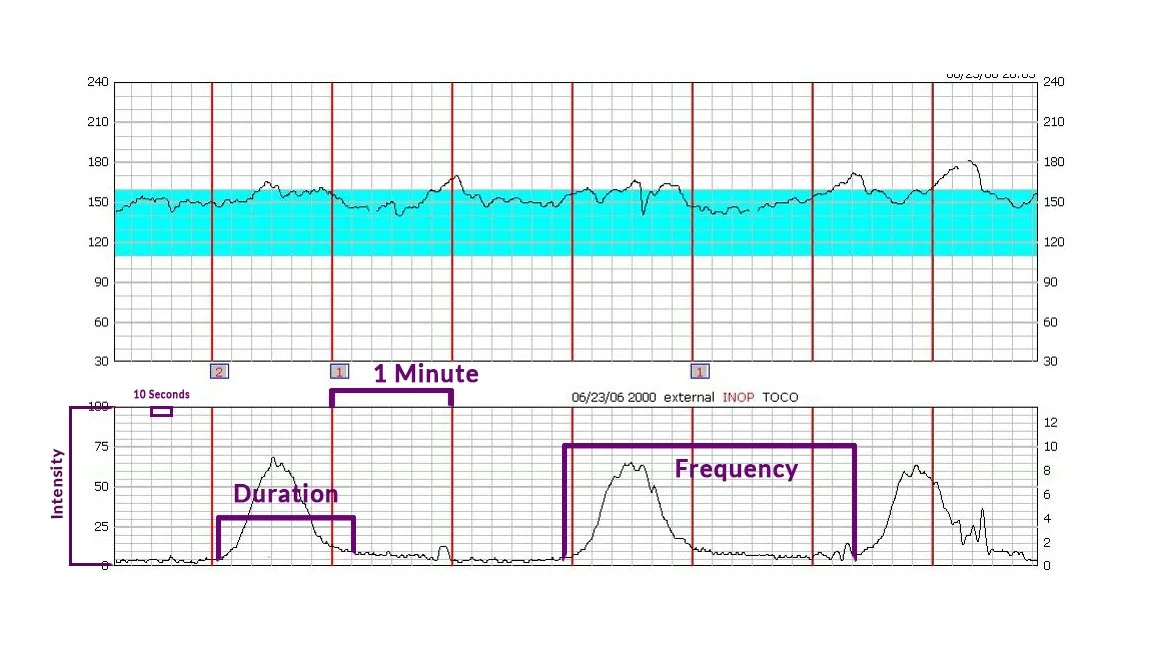
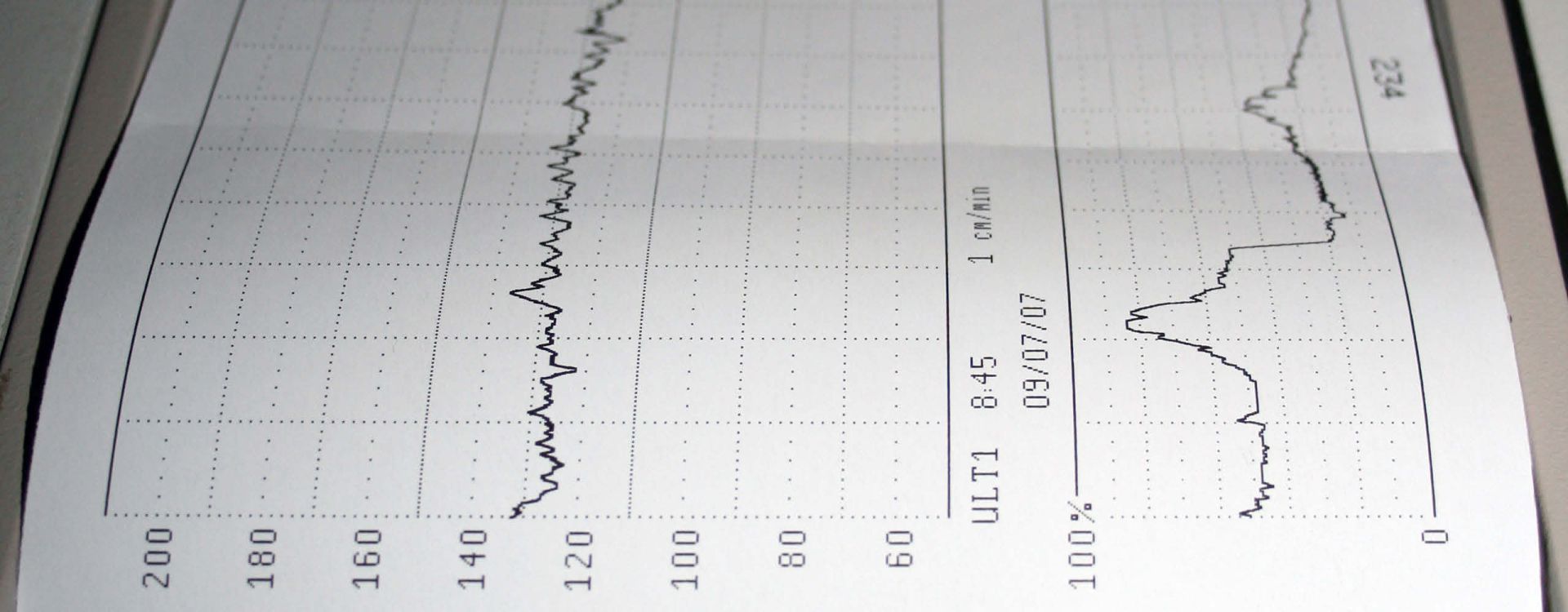
The contraction graph on a monitor shows the strength and timing of contractions. It helps doctors and nurses understand how labor is progressing. The graph uses lines that move up and down to show each contraction’s pattern.
Reading this graph is simple once you know what to look for. It shows when contractions start, how long they last, and how strong they are. This information is important for safe labor monitoring.
Identifying Peaks And Troughs
The graph has high points called peaks and low points called troughs. Peaks show when a contraction is strongest. Troughs show when the uterus is relaxed between contractions. Watching these points helps track contraction cycles.
Frequency And Duration
Frequency means how often contractions happen. The graph shows this by the space between peaks. Shorter gaps mean contractions come faster. Duration means how long each contraction lasts. It is the width of each peak on the graph.
Intensity Indicators
Intensity shows how strong contractions are. Taller peaks mean stronger contractions. The monitor measures this strength to help check labor progress. Stronger contractions often mean labor is moving forward.
Visual Examples Of Contractions
Visual examples of contractions on a monitor help expectant parents and caregivers understand labor progress. A contraction shows as a rise and fall in the graph lines. This pattern reflects the tightening and relaxing of the uterus. Different labor stages display unique contraction shapes and timings. Knowing these can reduce stress and improve confidence during labor.
Early Labor Patterns
Early labor contractions appear as gentle, irregular waves on the monitor. They last about 30 to 45 seconds each. The space between contractions is usually 5 to 30 minutes. The lines rise slowly and fall gradually. This pattern means the body is preparing for active labor. Contractions feel mild and may be uncomfortable but not painful.
Active Labor Tracing
Active labor contractions show sharper, taller peaks on the monitor. They last around 45 to 60 seconds. The gap between contractions shortens to 3 to 5 minutes. The rise and fall on the graph become steeper. This pattern signals the cervix is opening faster. Contractions feel stronger and more regular now.
Transition Phase Changes
During transition, contractions peak on the monitor with very tall, sharp spikes. Each contraction lasts 60 to 90 seconds. The intervals shrink to 2 to 3 minutes. The graph lines rise quickly and drop sharply. This intense pattern means the body is nearing full cervical dilation. Contractions feel very strong and close together.
Credit: miraclecord.com
Common Monitor Signals
Common monitor signals help understand contractions during labor. The monitor shows patterns that represent muscle tightening in the uterus. Recognizing these signals can ease anxiety and improve communication with healthcare providers.
The monitor displays waves or spikes. Each signal means a change in the uterus. Knowing what these changes look like helps track labor progress.
False Contractions Vs True Contractions
False contractions appear irregular and often painless. They do not get closer or stronger over time. On the monitor, these signals look uneven and short.
True contractions show a steady increase in strength and frequency. The monitor displays clear, rhythmic waves. These waves grow taller and closer together as labor continues.
Variations In Contraction Shapes
Contraction shapes vary between women and labor stages. Some look like sharp spikes, while others are rounded waves. The height of the wave shows contraction strength.
Longer waves usually mean longer contractions. Shorter waves may signal mild tightening. Understanding these shapes helps predict labor timing.
Interpreting Monitor Data Safely
Understanding contraction patterns on a monitor helps expectant mothers and caregivers stay informed. Safe interpretation of this data is key to knowing what is normal and what needs attention. Monitors show waves and numbers that represent contractions and the baby’s heart rate.
Reading these signs correctly can help reduce worry and ensure timely help if needed. It is important to remember that monitors provide clues but do not tell the whole story.
When To Alert Medical Staff
Alert medical staff if contractions become very close together. Less than two minutes apart needs quick attention. If contractions last longer than 90 seconds, call for help. Sudden changes in the baby’s heart rate are also a warning. Medical staff can check if the baby or mother needs care.
Limitations Of Monitor Readings
Monitors can sometimes show false signals. Movement by the mother may affect the readings. The machine cannot replace a doctor’s exam. Sometimes contractions may not register clearly on the screen. Always use monitor data along with how the mother feels and other signs.

Credit: www.arloren.com
Frequently Asked Questions
What Does A Contraction Look Like On A Monitor?
A contraction on a monitor appears as a sharp, upward spike followed by a gradual downward curve. This pattern shows the tightening and relaxing of the uterus during labor. The height and frequency of spikes indicate contraction strength and timing.
How Can I Identify Contraction Patterns On The Monitor?
Contraction patterns show as regular, rhythmic waves on the monitor. Each wave represents one contraction. The spacing between waves indicates contraction frequency, and the wave height reflects contraction intensity. Consistent patterns help assess labor progress.
When Should Contractions Be Visible On A Fetal Monitor?
Contractions become visible on a fetal monitor once labor begins or during late pregnancy. Early contractions may be mild and irregular. As labor progresses, contractions appear stronger, more frequent, and clearer on the monitor.
Why Is Monitoring Contractions Important During Labor?
Monitoring contractions tracks labor progress and fetal well-being. It helps detect abnormal patterns, such as too frequent or weak contractions. This information guides healthcare providers in making timely decisions for safe delivery.
Conclusion
A contraction on a monitor shows as a clear, rising wave. It starts small, grows bigger, and then fades away. The pattern repeats with each contraction. Knowing this helps you understand labor progress better. Watching the monitor can ease worries and guide decisions.
Trust the signals it gives during labor. Stay calm and focus on the steady rhythm. This simple wave tells an important story about your body.
As an Amazon Associate, I earn from qualifying purchases.

