

If you have a Savannah Monitor lizard or are thinking about getting one, you probably wonder, “What do Savannah Monitor lizards eat?” Knowing the right diet is key to keeping your pet healthy and happy.
Feeding them incorrectly can lead to serious health problems. You’ll discover exactly what these fascinating reptiles need on their plate. By the end, you’ll feel confident about giving your Savannah Monitor the perfect meals to thrive. Keep reading to unlock the secrets of their diet!

Credit: www.youtube.com
Savannah Monitor Basics
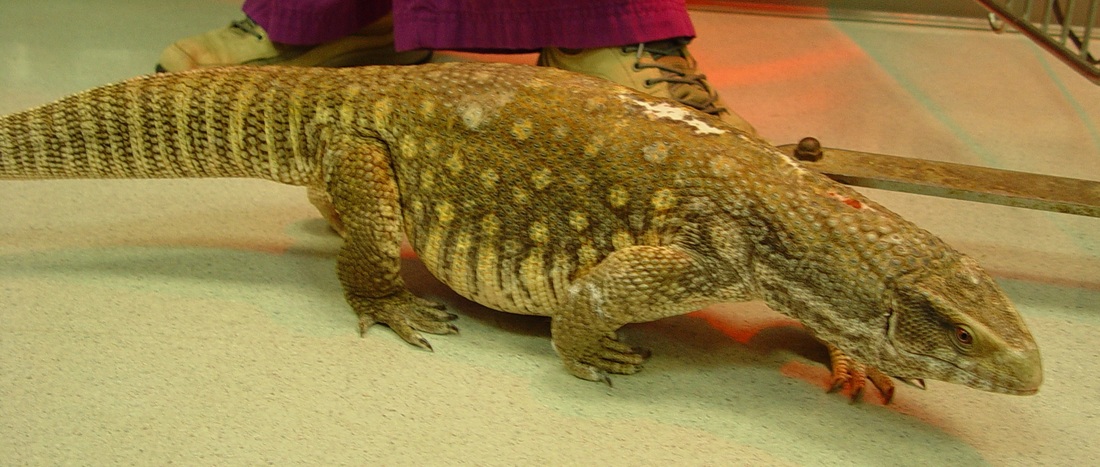
Savannah monitor lizards are strong and active reptiles from Africa. They grow to be medium-large in size, with powerful legs and sharp claws. These lizards have tough skin and long tails. They use their tails for balance and defense.
Understanding their basics helps with caring for them in captivity. Their natural behavior and diet are important to know. This knowledge supports a healthy, happy life for these unique reptiles.
Natural Habitat
Savannah monitors live mostly in dry, open areas like savannas and grasslands. They prefer places with loose soil to dig burrows. These burrows offer shelter from heat and predators. They also spend time near trees and rocks for hiding.
The climate is usually warm with seasonal rain. These lizards are active during the day, especially in cooler morning and evening hours. They use their environment to hunt and stay safe.
Diet In The Wild
In the wild, Savannah monitors eat a wide range of food. They mainly feed on insects such as beetles and grasshoppers. Small animals like rodents, birds, and eggs are also part of their diet.
They use their sharp teeth and strong jaws to catch and crush prey. These lizards also eat fruits and plants sometimes. Their varied diet helps them get enough nutrition in different seasons.
Core Diet Components
Savannah monitor lizards need a balanced diet for good health. Their core diet has three main parts. Each part gives important nutrients that help these lizards grow and stay strong. Feeding them the right foods helps prevent illnesses and keeps them active.
Understanding these core diet components helps owners provide proper care. It also makes sure the lizards get what they need every day. Let’s explore each part in detail.
Protein Sources
Protein is the most important part of a Savannah monitor’s diet. They eat insects like crickets and roaches often. Small rodents, like mice, are also a good protein source. Some owners feed them eggs or lean meats occasionally. Protein helps build muscles and supports energy.
Vegetable Intake
Vegetables provide essential vitamins and minerals. Dark leafy greens like collard greens and kale are popular choices. Squash and carrots add variety and nutrients. Vegetables should be fresh and chopped small for easy eating. They help with digestion and overall health.
Fruits And Treats
Fruits are given in small amounts as treats. Mango, papaya, and berries are safe options. These add flavor and extra vitamins. Avoid citrus fruits because they may cause stomach upset. Treats should never replace main meals.
Feeding Frequency And Portions
Feeding frequency and portions are crucial for keeping Savannah monitor lizards healthy. Their eating habits change as they grow. Feeding the right amount at the right times supports their growth and energy needs. Overfeeding or underfeeding can cause health issues. Understanding their schedule helps maintain a balanced diet and keeps them active.
Juvenile Feeding Schedule
Young Savannah monitors need food more often than adults. They require daily feeding to support fast growth. Offer small portions to avoid waste and digestion problems. Young lizards usually eat insects and small prey. Feeding them every day keeps their energy high and bones strong.
Adult Feeding Routine
Adult Savannah monitors eat less often than juveniles. Feed them two to three times a week. Adults need bigger portions but less frequent meals. Their diet includes insects, rodents, and eggs. Regular feeding helps maintain their weight and health. Overfeeding adults can lead to obesity and illness.
Adjusting Portions
Watch your lizard’s weight and activity level to adjust portions. Increase food if your monitor looks thin or active. Decrease food if it gains too much weight or becomes slow. Portion size depends on age, size, and health. Regular checks help provide the right amount for your lizard’s needs.
Supplements And Vitamins
Supplements and vitamins play a key role in a Savannah monitor lizard’s health. Their natural diet may not always provide all the nutrients needed. Supplements fill these gaps and keep your lizard strong. Providing the right supplements supports bone growth, energy, and overall well-being.
Calcium Needs
Calcium is vital for strong bones and a healthy shell. Savannah monitors need calcium to prevent metabolic bone disease. Dusting their food with calcium powder helps supply enough calcium. Use calcium without vitamin D3 if your lizard gets natural sunlight. If not, choose calcium with vitamin D3. Balance calcium with phosphorus in the diet to avoid issues.
Multivitamins
Multivitamins offer a mix of essential vitamins and minerals. They ensure your lizard receives nutrients not found in regular food. Use multivitamins designed for reptiles for best results. Apply multivitamin powder to insects or other prey items. Avoid overdosing by following the package instructions carefully.
Avoiding Deficiencies
Deficiencies can cause serious health problems in Savannah monitors. Watch for signs like weak bones, lack of appetite, or lethargy. Regularly provide supplements to reduce deficiency risks. Consult a reptile vet to check for nutritional gaps. A balanced diet combined with supplements keeps your lizard healthy.
Foods To Avoid
Feeding a Savannah monitor lizard the right food is very important. Some foods can harm their health or even cause death. Knowing which foods to avoid keeps your pet safe and healthy.
Below are key foods that should never be given to Savannah monitors. Avoiding these prevents common health problems and nutritional imbalances.
Toxic Plants And Fruits
Many plants and fruits are poisonous to Savannah monitors. Avoid avocado, rhubarb, and tomato leaves. These plants contain toxins that damage their organs.
Fruit seeds like apple seeds have cyanide, which is deadly. Citrus fruits can cause stomach upset and should be skipped. Always research plants before feeding your lizard.
Unsafe Proteins
Raw or undercooked meats carry bacteria harmful to monitors. Avoid processed meats like sausages and deli cuts. They have chemicals and salt that lizards cannot digest.
Avoid feeding wild-caught insects or rodents due to parasites. Large bones from mammals can cause choking or internal injuries. Safe protein sources include gut-loaded insects and lean poultry.
Harmful Feeding Habits
Do not overfeed your Savannah monitor. Obesity leads to serious health issues. Avoid feeding only one type of food regularly. This causes vitamin and mineral deficiencies.
Avoid feeding lizards human junk food or sugary snacks. These damage their digestive system. Always provide fresh, clean water and balanced meals for best health.

Credit: www.xyzreptiles.com
Feeding Tips And Tricks
Feeding Savannah monitor lizards can be a rewarding experience. These reptiles need a balanced diet to stay healthy and active. Understanding how to feed them properly helps support their growth and energy. Some simple tips improve their eating habits and keep their environment clean.
Encouraging Appetite
Offer fresh and varied food to keep your lizard interested. Live insects, like crickets or roaches, often stimulate their natural hunting behavior. Warming food slightly can make it more appealing. Serve meals at consistent times to build a routine. Avoid overfeeding to prevent loss of appetite.
Handling Picky Eaters
Some Savannah monitors refuse certain foods. Try different food types like small rodents, eggs, or vegetables. Change the size of the prey to suit their age and size. Gently hand-feed to build trust and encourage eating. Patience is key; some lizards need time to adjust.
Cleaning And Hygiene
Clean feeding areas after every meal to stop bacteria growth. Remove uneaten food quickly to avoid pests and odors. Use warm water and mild soap for cleaning dishes. Regularly replace water to keep it fresh. Good hygiene prevents illness and keeps your lizard healthy.
Credit: www.exoticpetvet.com
Frequently Asked Questions
What Is The Main Diet Of Savannah Monitor Lizards?
Savannah Monitor Lizards primarily eat insects, small mammals, birds, and eggs. They are carnivorous and enjoy a protein-rich diet.
Can Savannah Monitors Eat Fruits Or Vegetables?
Fruits and vegetables are not part of their natural diet. They mainly consume animal protein to meet their nutritional needs.
How Often Should You Feed A Savannah Monitor?
Juveniles need feeding daily, while adults require food every 2-3 days. Portion size depends on the lizard’s age and size.
Are Live Prey Necessary For Savannah Monitor Lizards?
Live prey stimulates natural hunting behavior and provides mental stimulation. However, pre-killed or frozen prey can also be offered safely.
Conclusion
Savannah monitor lizards eat a variety of foods to stay healthy. They enjoy insects, small animals, and sometimes fruits. Feeding them a balanced diet helps them grow strong. Owners should know what these lizards like to eat. This keeps the lizard active and happy every day.
Understanding their diet supports good care and long life. Small steps make a big difference in their health. Keep their meals varied and fresh to avoid problems. Knowing what Savannah monitors eat is key for any owner.
As an Amazon Associate, I earn from qualifying purchases.

