

If you have a Savannah Monitor or are thinking about getting one, you probably wonder, “What does a Savannah Monitor eat?” Feeding your pet the right food is key to keeping it healthy and happy. But with so many options out there, it can be confusing to know what’s best.
You’ll discover exactly what to feed your Savannah Monitor, how often, and why certain foods matter. Keep reading to learn the simple steps that will make caring for your reptile easier and more rewarding.

Credit: thesavannahmonitornews.weebly.com
Savannah Monitor Basics
The Savannah monitor is a large lizard native to Africa. It is known for its strong build and active nature. Understanding its basics helps in caring for this reptile well.
These monitors need a proper environment and diet to stay healthy. Knowing their natural habits gives insight into their needs.
Natural Habitat
Savannah monitors live in dry savannahs and woodlands. They prefer areas with plenty of hiding spots. These lizards dig burrows to escape heat and predators. The warm climate helps regulate their body temperature.
Diet In The Wild
In the wild, Savannah monitors eat insects and small animals. Their diet includes beetles, grasshoppers, and rodents. They also consume eggs and some plants. This diet provides the nutrients they need to grow strong.
Common Behavior
Savannah monitors are active hunters during the day. They use their sharp claws to dig and catch prey. These lizards are curious and often explore their surroundings. They show territorial behavior and may defend their space.
Key Components Of Their Diet
Savannah monitors have a varied diet that meets their nutritional needs. Their food includes different types of animals and some plants. A balanced diet helps them stay healthy and active. Each food group plays a specific role in their growth and energy.
Understanding the key parts of their diet helps owners provide proper care. It also ensures the lizards get all essential nutrients for strong bones and good digestion.
Insects And Invertebrates
Insects are a major part of a Savannah monitor’s diet. They eat crickets, roaches, and mealworms. These insects provide protein and important vitamins. Invertebrates like snails and worms are also eaten. These foods are easy to find and digest.
Small Mammals And Birds
Savannah monitors sometimes eat small mammals such as mice. They also hunt small birds and bird eggs. These foods offer high protein and fat. They help the lizard build muscle and store energy. Feeding these occasionally mimics their wild diet.
Reptiles And Amphibians
These lizards eat other reptiles like small lizards and amphibians like frogs. These prey add variety and extra nutrients. They provide calcium and other minerals. This part of the diet supports strong bones and healthy skin.
Fruits And Vegetables
Fruits and vegetables are a smaller part of their diet. They eat berries, melons, and leafy greens. These foods give vitamins and fiber. They help digestion and overall health. Offering fresh produce adds balance to their meals.
Feeding Savannah Monitors In Captivity
Feeding Savannah monitors properly is important for their health. These reptiles need a diet that suits their natural habits. Their food must provide energy and nutrients to keep them active and strong.
A good feeding plan helps avoid common health problems. It also supports steady growth and a long life. Understanding what they eat in the wild helps create a good diet in captivity.
Balanced Diet Tips
A balanced diet includes protein, vitamins, and minerals. Offer a mix of live prey and fresh foods. Avoid feeding only one type of food. Variety keeps them interested and healthy.
Include calcium and vitamin supplements as needed. These support bone health and prevent diseases. Clean, fresh water should always be available.
Recommended Food Items
Good food choices include crickets, roaches, and worms. Small rodents or chicks can be given sometimes. Fresh vegetables like squash and greens add fiber. Fruits like berries can be treats in small amounts.
Avoid feeding wild-caught insects to prevent parasites. Use store-bought insects that are gut-loaded and dusted with supplements.
Feeding Frequency And Portion Size
Young monitors need feeding every day. Adults can be fed every two to three days. Portion size depends on the monitor’s size and age. Feed amounts they can finish in 10 to 15 minutes.
Watch their weight to avoid overfeeding. Adjust portions to keep a healthy, lean body condition.
Supplements And Vitamins
Supplements and vitamins play a key role in a Savannah monitor’s diet. These reptiles need more than just food to stay healthy. Vitamins and minerals support their growth, bone strength, and overall well-being. Without proper supplements, they can develop health problems. Understanding which nutrients are essential helps keep your Savannah monitor strong and active.
Calcium Importance
Calcium is vital for Savannah monitors. It helps build strong bones and teeth. A lack of calcium can cause metabolic bone disease. This condition weakens their skeleton and makes movement painful. Offering calcium supplements ensures they get enough of this mineral. Dusting insects or feeding calcium-rich foods supports their bone health.
Multivitamin Needs
Multivitamins fill the gaps in a Savannah monitor’s diet. They provide vitamins A, D3, and E, which are hard to get from food alone. Vitamin A keeps their skin and eyes healthy. Vitamin D3 helps absorb calcium properly. Vitamin E supports their immune system. Regular multivitamin use helps prevent vitamin shortages and keeps them active.
Signs Of Deficiency
Watch for signs of vitamin or mineral deficiency. Weakness and slow movement can indicate calcium lack. Swollen limbs or soft jawbones suggest bone issues. Loss of appetite and dull skin may signal vitamin shortages. Early detection helps prevent serious health problems. Always check your Savannah monitor’s behavior and appearance closely.
Foods To Avoid
Knowing which foods to avoid is key to keeping your Savannah Monitor healthy. Some items can cause serious harm or even be deadly. Feeding the wrong foods can upset their digestion or lead to long-term health problems. Understanding the risks helps you make safer choices for your pet.
Toxic Foods
Many common foods are toxic to Savannah Monitors. Avoid onions, garlic, and avocado. These can damage their organs. Also, never feed chocolate or caffeine. These substances are poisonous and can cause seizures or death. Avoid wild insects from outside, as they may carry pesticides or parasites harmful to your lizard.
Overfeeding Risks
Overfeeding can cause obesity and liver problems in Savannah Monitors. Too many fatty or protein-rich foods strain their body. It also leads to slow movement and poor health. Feed small portions and follow a regular schedule. Do not offer food every day unless advised by a vet. Balance is crucial to avoid health issues.
Unsafe Feeding Practices
Unsafe feeding practices harm your Savannah Monitor’s health. Never feed live prey that is too large or aggressive. It can injure your lizard. Avoid feeding wild-caught insects without checking for parasites. Do not use human food with seasonings or sauces. Always provide fresh water and clean feeding containers to prevent infections.
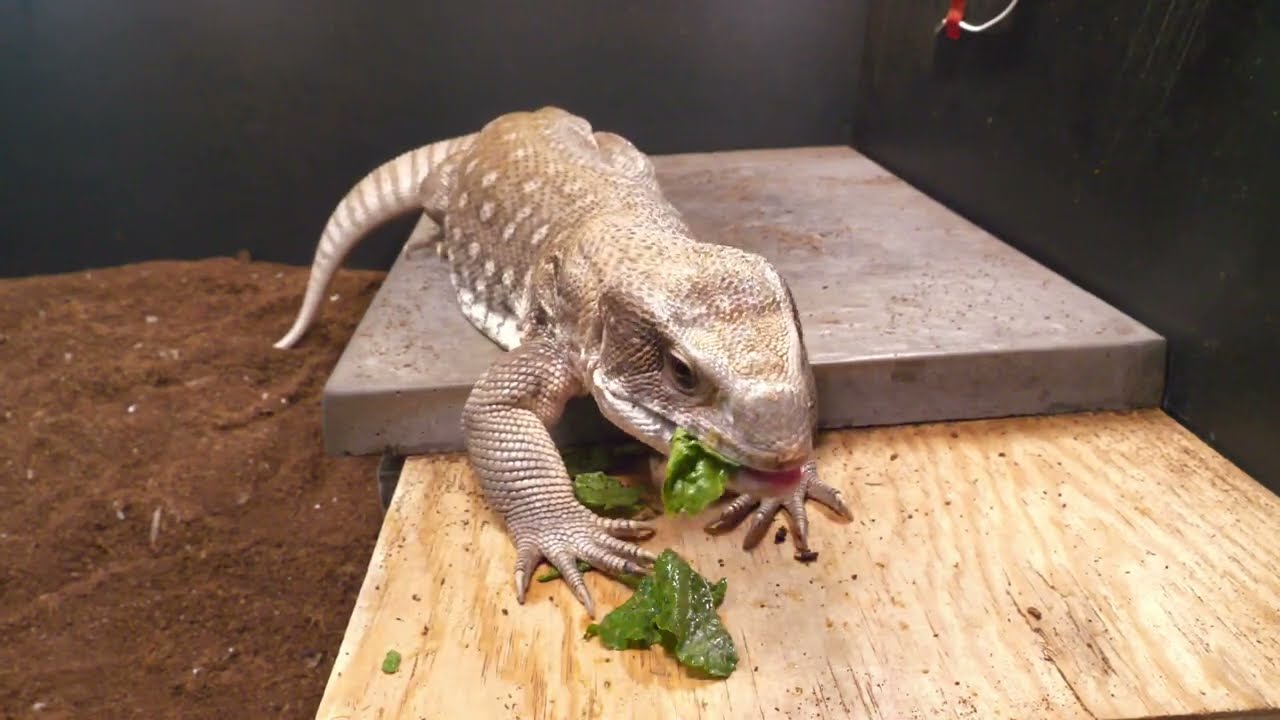
Credit: www.youtube.com
Feeding Techniques And Tools
Feeding a Savannah Monitor requires the right techniques and tools. Proper feeding helps keep your pet healthy and active. Understanding how to feed them correctly can prevent health problems.
Use suitable tools and methods to ensure they eat well. This section explains different food types, how to handle feeding, and keeping the feeding area clean.
Live Vs. Prepared Food
Savannah Monitors enjoy live food like insects and small rodents. Live food stimulates their natural hunting instincts. It provides fresh nutrients and keeps them active.
Prepared food includes frozen or dried insects and meat. It is easier to store and handle. Some owners use a mix of live and prepared food for variety.
Choose fresh live food from trusted sources. Avoid wild-caught prey to prevent parasites. Prepared food must be thawed before feeding.
Handling Feeding Time
Feed your Savannah Monitor in a quiet, calm place. Use long tweezers or tongs to offer food safely. This keeps your hands safe from bites.
Offer food at regular times to build a routine. Watch your monitor’s behavior to know when it is hungry. Remove uneaten food after 30 minutes to avoid spoilage.
Never force your monitor to eat. Patience helps build trust and encourages feeding.
Cleaning And Hygiene
Clean feeding tools after every use to stop bacteria growth. Wash food dishes with warm soapy water. Rinse well to remove soap residue.
Keep the feeding area clean and dry. Remove leftover food and waste daily. Good hygiene prevents illness and keeps your monitor healthy.
Use gloves when handling food and cleaning. This protects both you and your pet from germs.
Monitoring Health Through Diet
Monitoring a Savannah monitor’s health through diet is vital. Their food affects energy, growth, and immune system. A balanced diet helps catch health problems early. Careful observation ensures a long, happy life.
Weight Tracking
Keep a regular record of your monitor’s weight. Sudden loss or gain signals potential health issues. Use a small scale for accuracy. Track weight weekly to notice trends. A steady weight shows good health and diet balance.
Behavioral Changes
Watch for shifts in eating habits or activity. Less appetite or sluggishness may mean illness. Increased aggression or hiding can signal stress. Diet affects mood and energy levels. Early detection through behavior helps prevent serious problems.
Veterinary Checkups
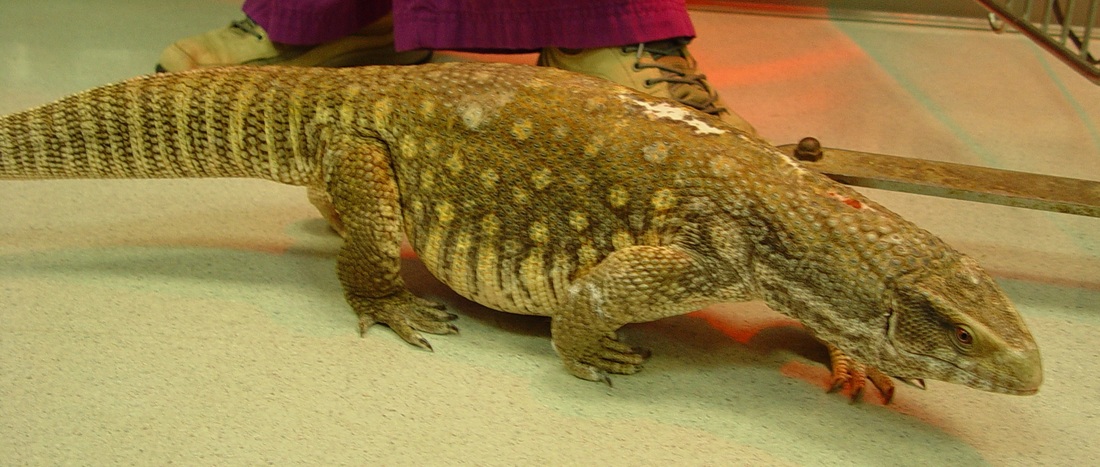
Schedule regular vet visits for your Savannah monitor. Vets check for nutritional deficiencies and parasites. Blood tests reveal hidden health concerns. Share diet details with your vet. Professional advice helps adjust food for better health.
Credit: www.exoticpetvet.com
Frequently Asked Questions
What Is The Primary Diet Of A Savannah Monitor?
Savannah Monitors mainly eat insects like crickets, roaches, and grasshoppers. They also enjoy small rodents and eggs for protein. Occasionally, they consume fruits and vegetables, but animal protein is essential for their health and growth.
Can Savannah Monitors Eat Fruits Or Vegetables?
Yes, Savannah Monitors can eat fruits and vegetables in moderation. Offer small amounts of leafy greens, berries, and squash. These provide vitamins but should never replace their primary protein-rich diet.
How Often Should I Feed My Savannah Monitor?
Feed juvenile Savannah Monitors daily for healthy growth. Adults can be fed every 2-3 days. Adjust feeding frequency based on age, size, and activity level to avoid overfeeding or malnutrition.
Are Live Prey Necessary For Savannah Monitors?
Live prey is recommended as it stimulates natural hunting behavior and provides enrichment. However, frozen or pre-killed prey can be offered if live feeding is not possible.
Conclusion
Savannah monitors need a diet rich in protein and variety. They eat insects, small animals, and sometimes fruits. Feeding them well keeps them healthy and active. Avoid giving foods that harm their digestion. Fresh water is important every day. Understanding their eating habits helps you care for them better.
A balanced diet supports their growth and energy. Keep their meals consistent and clean. Happy monitors live longer and stay strong. Care for them with proper food and attention.
As an Amazon Associate, I earn from qualifying purchases.

