

Have you ever noticed those small cameras sitting right on top of traffic lights and wondered what they do? You might think they’re just watching the road, but they actually play a much bigger role in keeping you safe and making your drive smoother.
Understanding what these cameras do can change the way you see traffic and help you appreciate the technology working quietly above you every day. Keep reading to discover the surprising reasons behind those cameras and how they impact your daily commute.
Credit: www.reddit.com
Purpose Of Traffic Light Cameras
Traffic light cameras are common at many intersections. Their main purpose is to help manage and improve road use. These cameras do more than just watch vehicles. They play a key role in keeping roads safe and traffic moving smoothly. Understanding their functions helps us see why they are important for all drivers and pedestrians.
Monitoring Traffic Flow
Traffic light cameras watch the number of cars on the road. They send data to traffic control centers. This helps adjust light timing to reduce wait times. Smoother traffic flow means less congestion and fewer delays. It also lowers pollution from idling cars.
Enhancing Road Safety
Cameras at traffic lights help prevent accidents. They record driver behavior at intersections. This encourages safer driving and careful stopping. The presence of cameras makes drivers more alert. Safer roads protect both drivers and pedestrians.
Detecting Traffic Violations
These cameras catch drivers who break traffic rules. They take photos of red-light runners and speeding vehicles. This evidence helps law enforcement issue fines. Detecting violations deters dangerous driving habits. It supports fair and safer road use for everyone.
Types Of Cameras Used
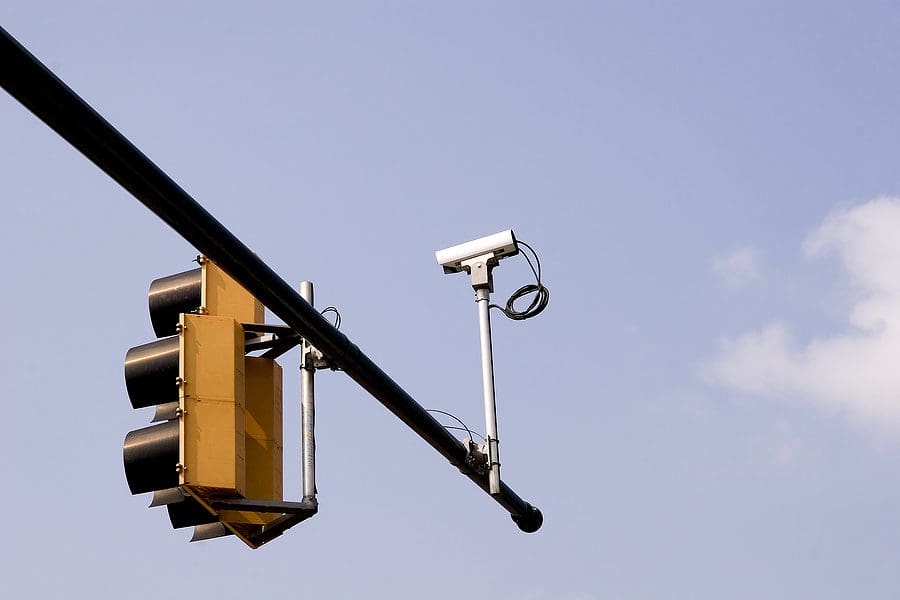
Cameras on top of traffic lights serve different purposes. They help manage traffic and improve safety. Each type of camera has a special job. Understanding these types helps us see how cities keep roads safe.
Red Light Cameras
Red light cameras catch drivers who run red lights. They snap a picture when a car crosses the line after the light turns red. These cameras help reduce accidents at busy intersections. They remind drivers to stop on time.
Speed Cameras
Speed cameras measure how fast cars travel. If a driver goes too fast, the camera takes a photo. These cameras discourage speeding and keep roads safer. They help control traffic flow and prevent crashes.
Surveillance Cameras
Surveillance cameras watch the traffic and streets. They record live video to monitor road conditions and traffic jams. These cameras also help police respond quickly to accidents or crimes. They keep an eye on public safety.
How These Cameras Work
The cameras on top of traffic lights are smart devices that help control traffic flow and improve safety. They work by sensing vehicles and capturing images or videos. These cameras send data to traffic management centers for analysis. This process helps adjust signal timing and detect traffic violations. Below is a closer look at how these cameras work.
Sensor Integration
These cameras work with sensors embedded in the road or built into the camera itself. The sensors detect the presence of vehicles waiting at the light. This helps the system know when to change the traffic signal. Sensors can measure vehicle speed and size. They ensure the camera captures relevant traffic data only.
Image And Video Capture
The cameras take clear pictures or videos of the traffic area. They focus on the stop line and nearby lanes. Images help identify vehicles that run red lights or break other rules. Some cameras capture license plate numbers for enforcement. The video records provide evidence for traffic incidents or disputes.
Data Transmission
Captured images and sensor data send to traffic control centers. This transmission happens via wired or wireless networks. Data arrives quickly to allow real-time traffic signal adjustments. It also supports long-term traffic analysis and planning. Secure transmission protects the data from unauthorized access.
Benefits For Cities And Drivers
Cameras on top of traffic lights serve many important purposes for cities and drivers. They help make roads safer and traffic flow smoother. These cameras collect real-time data that cities use to improve travel conditions. Drivers benefit from fewer accidents and better traffic signals.
Understanding the benefits of these cameras helps us appreciate their role in daily commutes and city planning.
Reducing Accidents
Traffic cameras monitor intersections to detect dangerous driving. They catch red-light runners and speeders. This discourages risky behavior and lowers crash rates. With fewer accidents, roads become safer for everyone. Emergency services can also respond faster to incidents.
Improving Traffic Management
Cameras provide live traffic data to city control centers. This data helps adjust traffic light timing to reduce congestion. During rush hours, signals can change to ease heavy traffic. This leads to shorter travel times and less pollution. Smooth traffic flow benefits drivers and the environment.
Supporting Law Enforcement
Law enforcement uses camera footage to enforce traffic laws. They can identify violators and gather evidence. This helps in issuing tickets and solving accidents. Cameras also improve accountability for all road users. They assist police in keeping streets safe and orderly.
Privacy Concerns And Regulations
Cameras on top of traffic lights help manage traffic and improve road safety. They collect data to monitor vehicle flow and catch traffic violations. Many people worry about their privacy because these cameras record public spaces. Questions arise about who can see the footage and how long the data stays stored.
Governments and organizations must follow strict rules to protect personal information. These rules help make sure cameras do not invade privacy or misuse data. It is important to understand the safety measures and laws around these cameras.
Data Protection Measures
Traffic cameras use encryption to keep data safe. Only authorized personnel can access the recordings. Data is stored for a limited time before deletion. Systems often blur faces and license plates to protect identity. These steps reduce the risk of misuse or leaks.
Legal Frameworks
Many countries have laws regulating surveillance cameras. These laws define how cameras can collect and use data. They set limits on camera placement and data retention. Regular audits check if rules are followed. Violators face penalties to ensure compliance.
Public Opinions
People have mixed feelings about traffic cameras. Some value the safety and order they bring. Others worry about constant monitoring and loss of privacy. Public debates push for clearer rules and transparency. Communities want more control over how cameras are used.
Credit: jlgtampabay.com
Future Innovations In Traffic Monitoring
Traffic monitoring is changing fast. Cameras on traffic lights are becoming smarter. They do more than just watch cars and trucks. New technology helps cities manage traffic better and keep roads safer. These innovations make travel smoother and reduce congestion.
Ai And Machine Learning
Artificial intelligence helps cameras learn from traffic patterns. They detect problems quickly and adjust signals in real time. Machines study data to predict traffic jams before they happen. This reduces waiting times at lights. AI also helps spot accidents faster, sending help sooner.
Connected Vehicle Technology
Cars and traffic lights can now talk to each other. This communication helps drivers get green lights more often. Vehicles share their speed and position with cameras. Traffic signals use this data to manage flow better. It cuts down stop-and-go driving and saves fuel.
Smart City Integration
Cameras on traffic lights link with other city systems. They share information with public transport and emergency services. This creates a network that works together. Smart cities use this data to improve safety and reduce pollution. Traffic moves more smoothly across the whole city.
Credit: www.reddit.com
Frequently Asked Questions
What Are Cameras On Top Of Traffic Lights For?
These cameras monitor traffic flow and vehicle movement. They help manage signal timing and reduce congestion. Some detect traffic violations like red light running for enforcement purposes.
How Do Traffic Light Cameras Improve Road Safety?
They capture violations such as running red lights, deterring dangerous driving. This reduces accidents at intersections and promotes safer driving habits.
Are Traffic Light Cameras Used For Traffic Monitoring Only?
No, they serve multiple purposes including traffic management, law enforcement, and data collection. Authorities use this data to optimize traffic signals and improve road safety.
Can Traffic Light Cameras Detect Speeding Vehicles?
Some cameras are equipped with speed detection technology. They can identify and record vehicles exceeding speed limits near intersections.
Conclusion
Those cameras on traffic lights help keep roads safe and clear. They watch traffic flow and catch rule breakers. This technology helps reduce accidents and traffic jams. Drivers can expect smoother rides because of these devices. Understanding their purpose makes city driving less confusing.
Next time you see one, remember it works to protect everyone. Safe roads start with smart tools watching over us.
As an Amazon Associate, I earn from qualifying purchases.
