

Have you ever wondered how camera detectors actually spot hidden cameras around you? Whether you’re concerned about privacy at home, in a hotel room, or even at work, understanding how these devices work can give you peace of mind.
Imagine being able to protect your personal space with just a simple gadget in your hand. You’ll discover exactly how camera detectors find those tiny lenses that are often invisible to the naked eye. Keep reading, because what you learn here could help you feel safer and more in control of your surroundings.
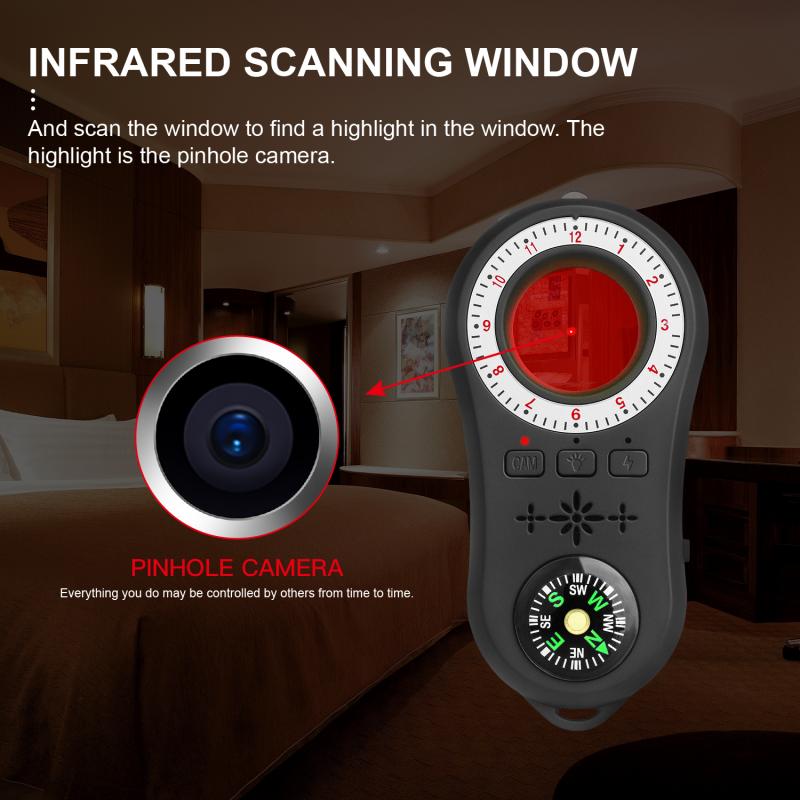
Credit: www.kentfaith.com
Types Of Camera Detectors
Camera detectors help find hidden cameras in different places. They use several methods to spot cameras. Each type of detector works in a unique way. Understanding these types helps you choose the best one for your needs.
Infrared Detectors
Infrared detectors sense the heat given off by camera lenses. Cameras often emit infrared light. These detectors catch that light even in dark rooms. They can find cameras hidden behind glass or plastic. Infrared detectors are useful in low-light conditions.
Radio Frequency Detectors
Radio frequency detectors search for signals from wireless cameras. Many hidden cameras send data using radio waves. These detectors scan for unusual signals in the area. They can detect cameras that stream video wirelessly. Radio frequency detectors work well in crowded spaces.
Lens Detectors
Lens detectors look for the reflection from a camera lens. Camera lenses reflect light differently than other objects. These detectors use a small light to scan the area. When the light hits a lens, it bounces back strongly. Lens detectors are simple and effective for quick checks.
Magnetic Field Detectors
Magnetic field detectors find the metal parts inside cameras. Cameras have small metal pieces like circuits and batteries. These detectors sense magnetic fields caused by those parts. They help locate cameras hidden in walls or objects. Magnetic field detectors work well for wired cameras.

Credit: counterespionage.com
Core Detection Technologies
Camera detectors use special technologies to find hidden or visible cameras. These technologies spot signals or light given off by cameras. Understanding these core detection methods helps explain how detectors work.
Infrared Signal Detection
Cameras often use infrared light to see in the dark. Detectors sense this infrared light. They scan the area for invisible infrared signals. When detected, the device alerts the user about a hidden camera nearby.
Electromagnetic Signal Detection
Many cameras send wireless signals using electromagnetic waves. Detectors pick up these signals. They identify the frequency and strength of the waves. This helps locate cameras that transmit data wirelessly.
Optical Detection Methods
Cameras have lenses that reflect light. Detectors use laser or LED lights to spot these reflections. A special sensor watches for the tiny glint from a camera lens. This method works well to find cameras hidden in objects.
How Detectors Identify Hidden Cameras
Hidden cameras are often small and hard to see. Camera detectors use smart methods to find these devices. They look for signs that a camera is present but not visible. These signs include lens reflections, wireless signals, and wired parts. Understanding these can help you see how detectors work to protect your privacy.
Spotting Lens Reflections
Camera lenses reflect light, even if tiny. Detectors use a strong light source to scan an area. When the light hits a camera lens, it bounces back. This reflection shows up as a bright spot to the detector. The detector’s sensor picks up this glow and alerts the user. This method finds cameras hidden behind glass or inside objects.
Detecting Wireless Signals
Many hidden cameras send video through wireless signals. Detectors scan for these signals in the air. They check for common camera frequencies like Wi-Fi or Bluetooth. When a signal is found, the detector signals a warning. This helps find cameras that do not have visible lenses. It works even if the camera is out of direct sight.
Recognizing Wired Camera Components
Some hidden cameras use wires to send video. Detectors can sense these wires inside walls or devices. They detect electrical currents and unusual cables. The detector sends a small signal through the wires. It then listens for the response to find camera parts. This technique reveals wired cameras hiding in common places.
Limitations Of Camera Detectors
Camera detectors help spot hidden or active cameras by sensing signals or lenses. Despite their usefulness, these devices have some limits. Knowing these limits helps users set the right expectations and avoid mistakes.
False Positives
Camera detectors can mistake other devices for cameras. For example, some detectors pick up signals from wireless routers or Bluetooth gadgets. These false alarms waste time and cause confusion. Users must check carefully to avoid wrong alerts.
Range And Sensitivity Issues
Detectors have a limited range to find cameras. Some can only detect signals nearby. If a camera is too far, the detector might miss it. Sensitivity also varies, affecting how well the device works in different situations.
Environmental Interference
Walls, furniture, and metal objects block signals detectors use. This interference lowers their accuracy. Bright lights and reflections can also affect camera lens detection. Users should understand how the environment impacts the detector’s success.
Practical Tips For Using Camera Detectors
Using camera detectors correctly makes a big difference in their effectiveness. Simple tips can help users find hidden cameras faster. Knowing how to scan and maintain these devices improves detection results. This section shares practical advice for best results with camera detectors.
Best Practices For Scanning
Start scanning from the main entrance of the room. Move slowly and cover all corners carefully. Hold the detector close to walls and objects. Check areas like smoke detectors, clocks, and vents. Watch the device’s signals closely for any changes. Scan at different heights for thorough coverage.
Combining Multiple Detection Methods
Use camera detectors along with smartphone apps for better results. Apps can spot camera lenses by reflecting light. Flashlights also help reveal hidden lenses in dark spaces. Combining methods reduces chances of missing a camera. Always double-check suspicious spots with more than one tool.
Maintaining And Calibrating Devices
Keep the detector clean and free from dust. Store it in a dry place to avoid damage. Calibrate the device regularly to ensure accuracy. Follow the manufacturer’s instructions for calibration steps. Regular checks help the detector work properly over time. Replace batteries before each use for consistent power.
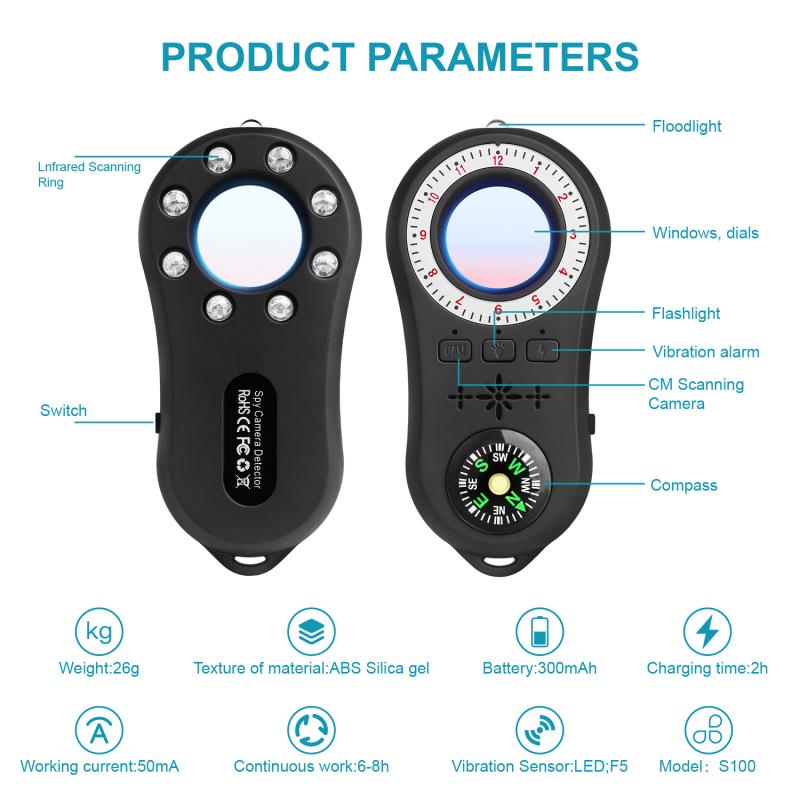
Credit: www.kentfaith.com
Future Trends In Camera Detection
The future of camera detection holds exciting changes. New technologies will make detectors smarter and easier to use.
These improvements will help find hidden cameras faster. They will also work better in many different places.
Ai And Machine Learning Integration
Artificial intelligence will help detectors learn from data. This makes them better at spotting cameras quickly.
Machine learning will reduce false alarms. Detectors will recognize more types of hidden cameras.
AI can also update detectors remotely. This keeps them up-to-date with new camera models.
Advanced Signal Processing
Signal processing will improve detection accuracy. It can filter out noise and focus on real signals.
New methods will detect cameras in complex environments. This includes places with many electronic devices.
Advanced processing allows detectors to work from farther away. This adds safety and convenience.
Miniaturization And Portability
Detectors will become smaller and lighter. This makes them easy to carry anywhere.
Portable devices will have longer battery life. Users can scan for cameras for longer periods.
Mini detectors will fit in pockets or bags. They will be ready to use anytime and anywhere.
Frequently Asked Questions
How Do Camera Detectors Identify Hidden Cameras?
Camera detectors sense the lens reflection or infrared light emitted by hidden cameras. They use specialized sensors to detect these signals accurately, revealing the camera’s position, even if it’s well concealed or powered off.
Can Camera Detectors Find Wireless Cameras?
Yes, camera detectors can locate wireless cameras by detecting radio frequency signals emitted by the device. They scan for these frequencies, helping users find unauthorized wireless surveillance equipment.
Are Camera Detectors Effective In Low Light?
Camera detectors work well in low light by detecting lens reflections and infrared light. Their sensors are designed to operate efficiently regardless of lighting conditions, ensuring reliable detection at any time.
What Types Of Camera Detectors Are Available?
There are optical camera detectors, RF detectors, and infrared detectors. Each uses different technology to identify hidden cameras, catering to various detection needs and environments.
Conclusion
Camera detectors spot hidden cameras by sensing their signals or lenses. They use light reflection, radio waves, or infrared to find devices. Knowing how these tools work helps protect your privacy. Use camera detectors in places you feel unsure about.
Stay aware and keep your space safe from spying. Understanding the basics makes detection easier for everyone. Trust your senses and these tools to stay secure. Privacy matters, and camera detectors offer valuable support.
As an Amazon Associate, I earn from qualifying purchases.
