

Have you ever wondered just how tiny a camera can get? Imagine holding a device so small, it almost disappears in your hand, yet still captures moments with clear detail.
You might think cameras need to be bulky to work well, but the truth will surprise you. You’ll discover the incredible technology that shrinks cameras to sizes you never thought possible. Ready to see how small a camera can really be?
Keep reading—you won’t believe what’s inside these miniature marvels.
Credit: www.thorfamilylaw.com
Miniature Camera Milestones
The journey to smaller cameras shows how technology and design worked together. Cameras once large and bulky have shrunk to tiny sizes. This change lets people carry cameras everywhere with ease. Small cameras fit into pockets, bags, and even onto clothes.
Understanding the milestones helps us see the progress in camera making. Each step made cameras more useful and portable. The story begins with early compact cameras and moves to microelectronics breakthroughs.
Early Compact Cameras
Early compact cameras appeared in the mid-20th century. They were smaller than traditional cameras but still larger than today’s tiny models. These cameras used film and simple lenses. They made photography more accessible to ordinary people.
Brands like Kodak and Minox led the way. Minox cameras became famous for their small size and sharp images. These cameras fit in a pocket or purse easily. They showed that good pictures could come from small devices.
Breakthroughs In Microelectronics
The rise of microelectronics changed camera design forever. Tiny electronic parts replaced bulky mechanical parts. Digital sensors took the place of film rolls. This change allowed cameras to become even smaller and lighter.
Microchips made it possible to add features like autofocus and image processing. Cameras could now store pictures digitally. Battery life improved as components became more efficient. These advances made miniature cameras practical for everyday use.
Credit: geektyrant.com
Current Smallest Cameras
Small cameras have come a long way in recent years. Advances in technology have made cameras smaller without losing quality. Today, some cameras are so tiny they can fit in the smallest spaces. These tiny cameras open new doors for many uses.
Let’s explore the current smallest cameras and what makes them special. Understanding these cameras helps us see their impact on different fields.
Nanocameras And Their Features
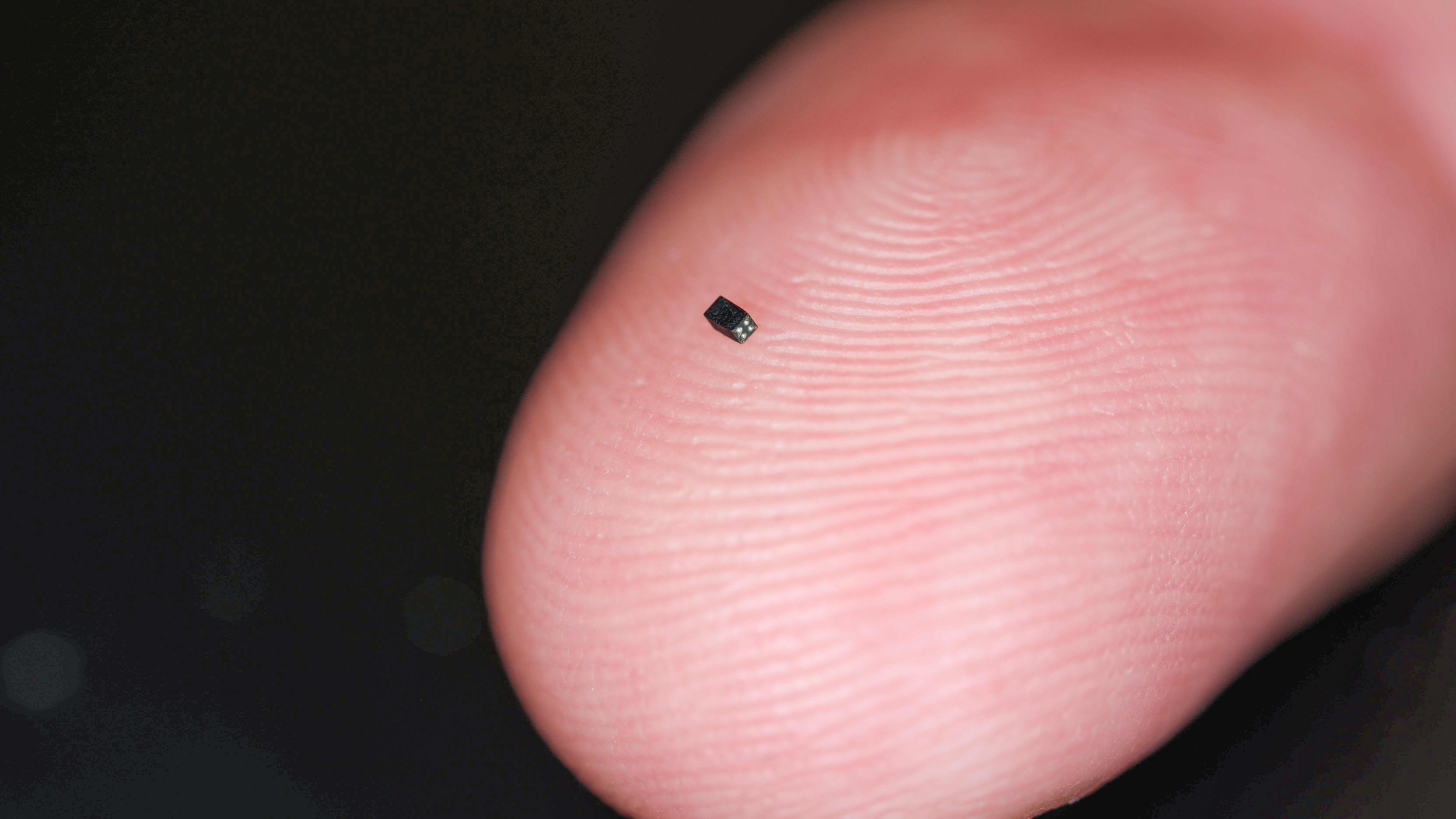
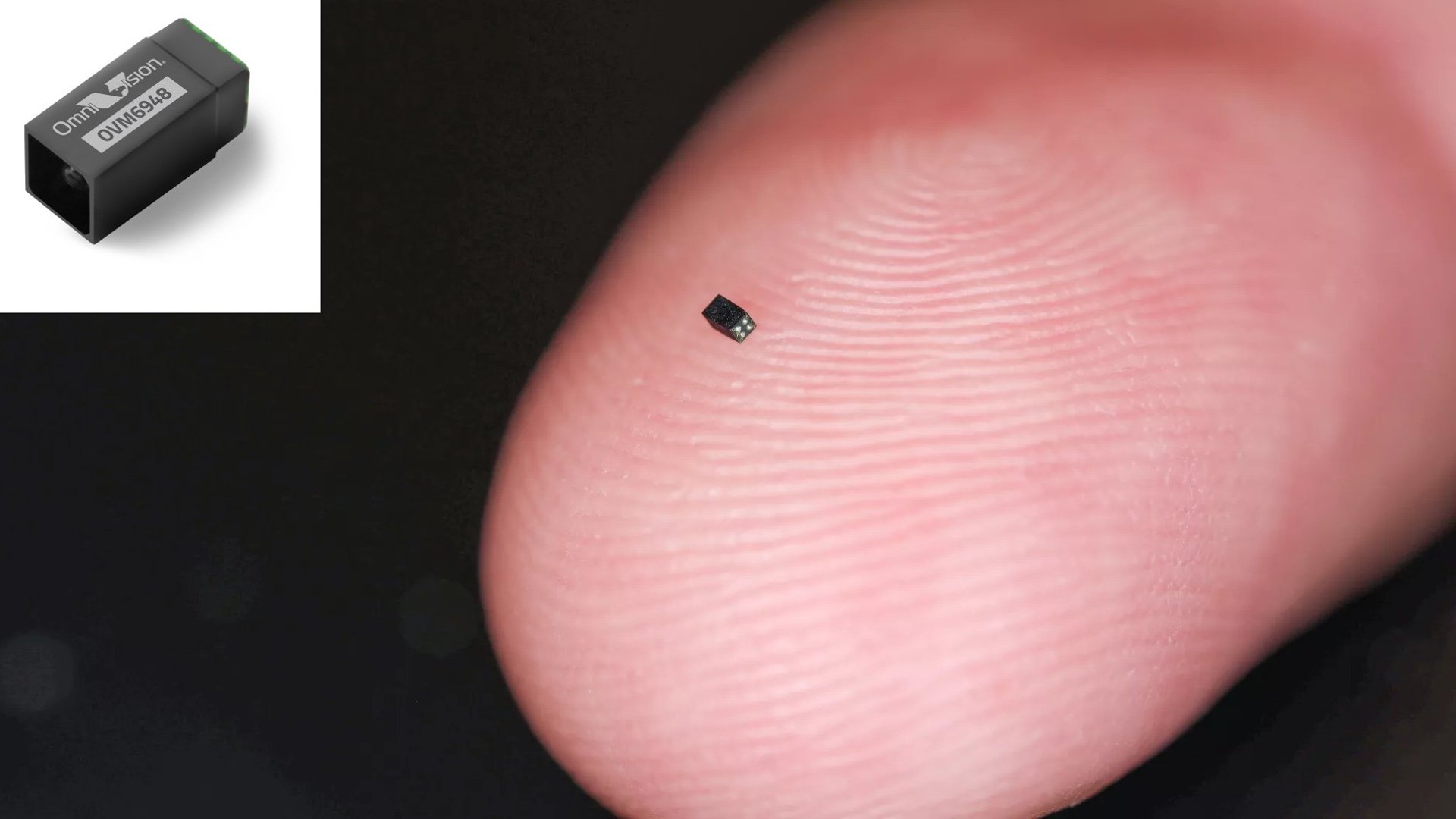
Nanocameras are among the smallest cameras today. They measure just a few millimeters or less. These cameras use advanced technology to capture clear images. Despite their size, they often have good resolution and color quality.
They use tiny lenses and sensors that fit in very small spaces. Some nanocameras can be embedded in devices like drones or smartphones. Their small size makes them easy to hide or place in hard-to-reach spots.
Applications In Medicine And Security
In medicine, tiny cameras help doctors see inside the body. They can be used in endoscopy to examine organs without surgery. This reduces pain and speeds up recovery for patients.
Security also benefits from small cameras. They help monitor places discreetly. These cameras can be hidden easily to catch suspicious activities. Their small size allows use in tight spaces where regular cameras cannot fit.
Technologies Enabling Tiny Cameras
Tiny cameras are no longer just a dream. New technologies make small cameras possible.
These advances help pack powerful features into very small devices. This section explores key technologies behind tiny cameras.
Advances In Lens Design
Lenses have become smaller and more precise. Engineers use special materials to reduce size without losing image quality.
Miniature lenses fit into tiny spaces but still capture sharp photos. Some lenses use multiple elements packed tightly together.
This design improves focus and reduces distortion. Compact lenses also allow cameras to be thinner and lighter.
Sensor Miniaturization
Camera sensors detect light and create images. Sensors have shrunk drastically while keeping good resolution.
Smaller sensors use advanced technology to capture clear images. Companies develop tiny pixels that still collect enough light.
These sensors work well even in low light. Smaller sensors also use less power, helping tiny cameras last longer.
Power And Connectivity Solutions
Small cameras need efficient power sources. New battery designs provide more energy in less space.
Wireless technology allows tiny cameras to send images without cables. Wi-Fi and Bluetooth are common choices.
Energy-saving circuits extend battery life. Smart power management keeps cameras running longer between charges.
Challenges Of Shrinking Cameras
Shrinking cameras brings many challenges. Making a camera smaller affects its parts and how well it works. Engineers must balance size with quality and durability. Small cameras face limits that bigger ones do not.
Image Quality Limitations
Small cameras have tiny sensors. These sensors capture less light. Less light means darker or grainy pictures. Lenses also shrink, reducing sharpness. It becomes hard to keep colors clear and bright. Low light shooting gets more difficult.
Manufacturing Complexities
Building tiny cameras needs precise machines. Parts must fit in very small spaces. This raises production costs. Tiny electronics are harder to assemble and test. Small errors can cause big problems. Finding skilled workers is also a challenge.
Durability And Heat Management
Small cameras have less space for protection. They are more vulnerable to drops and bumps. Heat builds up faster inside small bodies. Overheating can damage internal parts. Designers must find ways to cool them down. This is tricky in a small frame.
Future Trends In Tiny Camera Tech
The future of tiny camera technology is bright and full of promise. Cameras are getting smaller but smarter. They will fit into more devices and work in new ways. This will change how we use cameras every day.
Integration With Wearable Devices
Small cameras will become common in wearable gadgets. Glasses, watches, and fitness bands can include tiny cameras. These cameras help capture moments without holding a phone. They also offer hands-free video calls and quick photos. The size allows for comfort and style in wearables.
Potential In Robotics And Ai
Robots need cameras to see and understand their world. Tiny cameras help robots move and act smarter. They provide clear images with less weight and power use. AI uses these images to learn and make decisions fast. This makes robots better at tasks like cleaning or delivery.
Emerging Materials And Designs
New materials make tiny cameras more durable and flexible. Cameras can bend or fit into unusual shapes. This opens new uses in medicine and security. Designs focus on saving space and improving image quality. Lightweight and strong materials help cameras last longer.

Credit: www.youtube.com
Frequently Asked Questions
How Small Can Modern Cameras Get?
Modern cameras can be as tiny as a few millimeters. Advances in technology allow for ultra-compact designs without losing quality. Some cameras fit inside a grain of rice or smaller, mainly used in medical and surveillance fields.
What Limits The Minimum Size Of A Camera?
The size of a camera is limited by the sensor and lens. Both need to capture light accurately to produce clear images. Tiny components must still allow for image processing, power supply, and storage, which sets practical size boundaries.
Are There Functional Cameras Smaller Than A Pea?
Yes, functional cameras smaller than a pea exist. These are often used in specialized fields like endoscopy or drones. Despite their small size, they deliver surprisingly good image quality for their intended use.
Can A Camera Smaller Than A Grain Of Rice Work Well?
Cameras smaller than a grain of rice work but with limitations. They usually have lower resolution and limited features. However, they excel in discreet applications where size is more important than image quality.
Conclusion
Small cameras have come a long way in size and power. Tiny designs now capture clear, sharp images. These mini cameras fit in pockets or hang on keys. They serve many uses, from fun to serious work. Technology keeps pushing limits to make cameras smaller.
Small does not mean less useful anymore. It’s amazing how much can fit in such a tiny space. Cameras will keep shrinking, but quality will stay strong. The future holds even smaller, smarter cameras for all.
As an Amazon Associate, I earn from qualifying purchases.
