

Are you ready to take your photography to the next level? Whether you’re just starting out or looking to upgrade your gear, having the right camera accessories can make a huge difference.
Imagine capturing sharper images, protecting your valuable equipment, and working more efficiently—all with a few simple additions. You’ll discover the must-have camera accessories that every photographer should own. Keep reading to unlock the secrets that will transform your photography experience and help you create stunning photos every time.

Credit: www.alanranger.com
Essential Lenses
Choosing the right lenses is key for great photos. Lenses change how your camera sees the world. They help capture sharp images with different styles and effects. Knowing which lenses to carry makes your photography better and more fun.
Prime Vs Zoom Lenses
Prime lenses have one fixed focal length. They often produce sharper images and work well in low light. Zoom lenses cover a range of focal lengths. They offer flexibility to change framing without moving. Both types have their strengths for different shooting needs.
Wide-angle And Telephoto Options
Wide-angle lenses capture more of the scene in one shot. They are great for landscapes and large groups. Telephoto lenses bring distant subjects closer. Ideal for wildlife and sports photography. Choosing between them depends on the subject you want to shoot.
Macro Lenses For Close-ups
Macro lenses let you photograph tiny details up close. Perfect for flowers, insects, and small objects. They show textures and patterns unseen by the naked eye. These lenses add a new dimension to your photo collection.
Tripods And Stabilizers
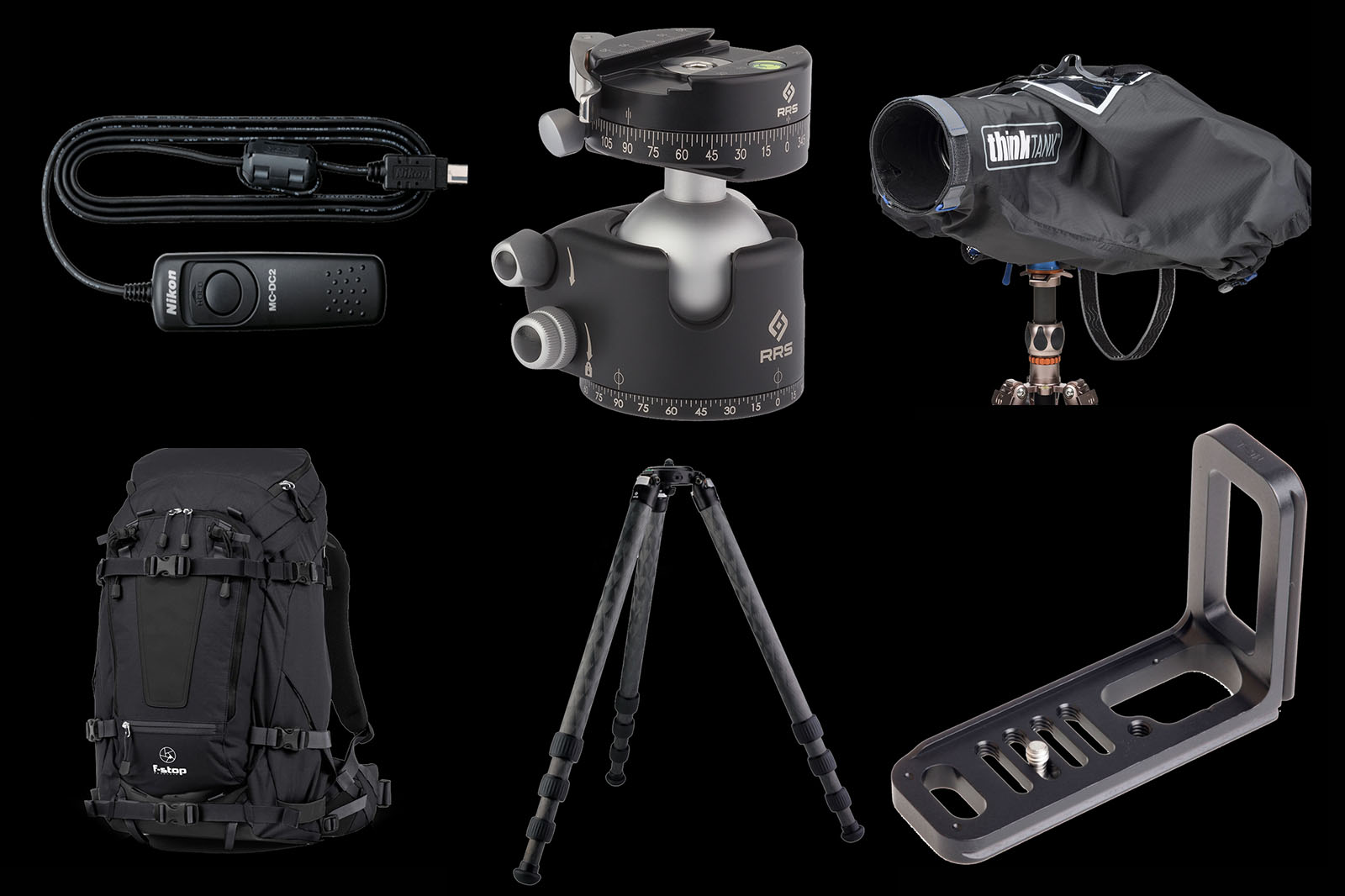
Tripods and stabilizers are essential for steady and clear photos and videos. They reduce shake and blur, making your shots sharp. These tools support your camera, especially in low light or long exposure settings. They also help you frame your shots perfectly without holding the camera all the time.
Choosing The Right Tripod
Select a tripod based on your camera weight and shooting style. Lightweight tripods are easy to carry for travel and outdoor shoots. Sturdier tripods offer better stability on uneven ground. Look for adjustable legs and height options for flexibility. A tripod with a smooth head helps in easy panning and tilting.
Gimbals And Handheld Stabilizers
Gimbals keep your camera steady while moving. They use motors to balance the camera in real time. Handheld stabilizers are great for action shots and videos. They reduce shake caused by walking or running. These tools improve video quality and create smooth motion effects.
Using Monopods For Mobility
Monopods offer quick support with easy movement. They are lighter and faster to set up than tripods. Monopods help stabilize shots without limiting your mobility. Perfect for sports, wildlife, and event photography. They reduce fatigue during long shooting sessions.
Lighting Gear
Lighting gear plays a key role in photography. It changes how your photos look. Good lighting helps capture clear, sharp images. It also sets the mood and highlights details. Choosing the right lighting gear can improve your work greatly.
External Flashes And Speedlights
External flashes and speedlights add extra light to your photos. They are small and easy to carry. These lights help brighten dark scenes quickly. You can direct the light to avoid harsh shadows. They recharge fast, so you never miss a shot. Many models fit on your camera hot shoe.
Continuous Lighting Options
Continuous lights stay on during shooting. This helps you see how light falls on your subject. LED panels and ring lights are popular choices. They work well for video and portraits. These lights often have adjustable brightness and color. Continuous lighting makes setup faster and easier.
Reflectors And Diffusers
Reflectors bounce natural or artificial light onto your subject. They soften shadows and fill dark areas. Diffusers spread harsh light evenly. They reduce glare and create soft highlights. Both tools are lightweight and simple to use. These accessories improve light quality without extra power.
Credit: www.maxfosterphotography.com
Camera Bags And Protection
Camera bags and protection are essential for every photographer. They keep your gear safe and organized. Good protection helps your camera last longer and work better. Carrying your camera safely means less worry and more focus on taking photos. Choose the right bag and protection for your needs. This keeps your equipment ready for any adventure.
Types Of Camera Bags
Camera bags come in many styles. Backpacks offer space and comfort for long trips. Shoulder bags are easy to carry and access quickly. Sling bags provide fast access with one strap. Hard cases protect from strong impacts and rough handling. Choose a bag that fits your gear and style.
Protecting Your Gear
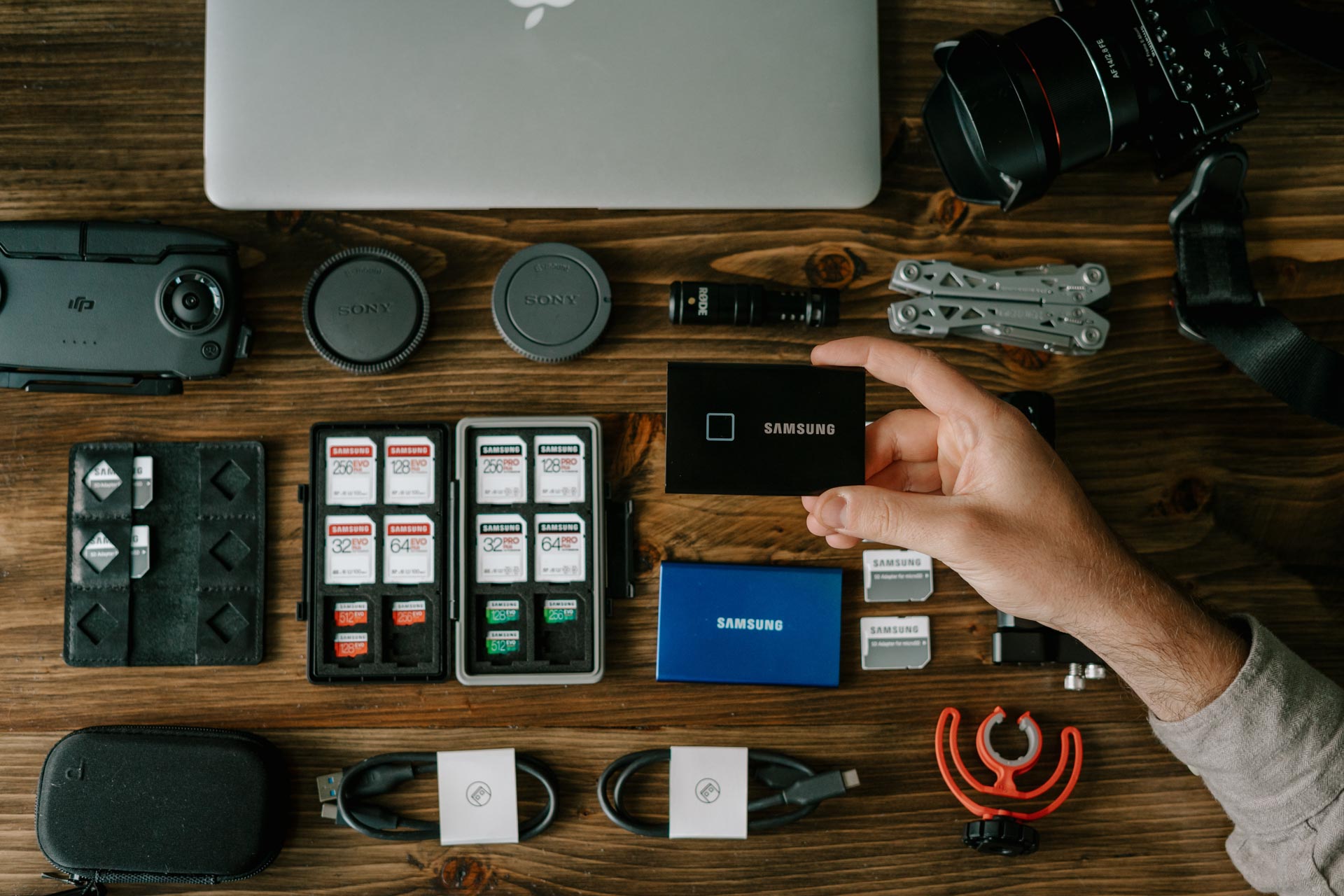
Padded compartments shield your camera and lenses from damage. Use lens caps and body caps to keep dust out. Wrap fragile items in soft cloth or bubble wrap. Store batteries and memory cards separately to avoid damage. Check your bag regularly for wear and tear.
Weatherproofing Essentials
Rain covers keep your bag and gear dry in wet weather. Use waterproof bags or liners inside your main bag. Silica gel packs help absorb moisture and prevent mold. Avoid exposing your camera to extreme heat or cold. Quick protection means your gear stays safe in any weather.
Memory And Power
Memory and power are essential for every photographer. Without enough storage and energy, your camera stops working at the worst time. These accessories help you capture more photos and videos without interruptions. They keep your camera ready and your memories safe.
High-speed Memory Cards
High-speed memory cards save your photos quickly. They prevent delays during shooting and video recording. Choose cards with large storage to hold more files. Look for brands trusted by photographers worldwide. Fast cards improve camera performance and reduce waiting time.
Extra Batteries And Chargers
Extra batteries keep your camera powered longer. Carry at least one spare battery on every trip. Use chargers to recharge batteries efficiently. Some chargers work with multiple battery types. Having charged batteries ready avoids missing important shots.
Power Banks And Backup Options
Power banks give portable energy for your camera. They work well during outdoor shoots or travel. Pick power banks with enough capacity to recharge batteries fully. Some models support USB charging for convenience. Backup power keeps you shooting without worry.
Filters And Lens Accessories
Filters and lens accessories improve your photos by controlling light and protecting your lens. They help create clear, sharp images in many situations. These tools are small but powerful additions to your camera gear.
Polarizing Filters
Polarizing filters reduce glare from water, glass, and shiny surfaces. They make colors appear richer and skies look bluer. These filters are great for outdoor photography in bright sunlight.
Neutral Density Filters
Neutral density filters block some light without changing color. They allow longer exposure times to capture motion like waterfalls or clouds. Use them to avoid overexposure in very bright scenes.
Lens Hoods And Caps
Lens hoods block stray light to prevent lens flare and improve contrast. They also protect the lens from bumps and scratches. Lens caps keep the glass safe when not shooting.
Remote Controls And Timers
Remote controls and timers are essential accessories for photographers. They help take photos without touching the camera. This reduces camera shake and makes photos clearer. They also allow more creative shots, such as time-lapses or group photos. These tools save time and improve photo quality. Here are the main types to consider.
Wireless Remotes
Wireless remotes let you trigger the camera from a distance. No cables are needed, so you can move freely. They are perfect for group shots or wildlife photography. You press a button, and the camera takes the photo instantly. Many remotes work with infrared or radio signals. Battery life is usually long, so they last through shoots.
Intervalometers For Time-lapse
Intervalometers control the camera to take photos at set times. They are great for making time-lapse videos. You set how often the camera shoots, like every few seconds. The camera then takes many photos automatically. This shows slow changes, like sunsets or city traffic. Intervalometers make it easy to capture these scenes without manual work.
Smartphone Control Apps
Smartphone apps allow control of the camera through Wi-Fi or Bluetooth. They offer live view, so you see the shot on your phone screen. You can change settings and take photos remotely. Apps work well for hard-to-reach cameras or creative angles. They also let you review photos instantly. Many camera brands have free apps for this purpose.
Cleaning And Maintenance
Keeping your camera clean is key to capturing sharp, clear photos. Dirt, dust, and smudges can ruin your shots and damage your gear. Regular cleaning and maintenance help your camera last longer and work better.
Lens Cleaning Kits
Lens cleaning kits are essential for any photographer. They usually include a microfiber cloth, cleaning solution, and a blower brush. The microfiber cloth gently removes smudges without scratching. Use the blower brush to blow away dust from the lens surface. Apply the cleaning solution sparingly to avoid streaks. A clean lens ensures bright, sharp images every time.
Sensor Cleaning Tools
The camera sensor is very sensitive and must be cleaned carefully. Sensor cleaning tools include swabs and special cleaning fluids. Use only tools designed for sensors to avoid damage. Clean the sensor only when you see dust spots on your photos. Sensor cleaning keeps images free from unwanted marks and improves photo quality.
Regular Maintenance Tips
Store your camera in a dry, dust-free place. Use a camera bag to protect it during travel. Avoid changing lenses in dusty environments. Check your camera regularly for dirt or damage. Clean the body with a soft cloth and avoid harsh chemicals. Regular checks keep your camera in good shape for years.
Credit: www.jonnymelon.com
Frequently Asked Questions
What Are Essential Camera Accessories For Beginners?
Essential accessories include a sturdy tripod, extra batteries, memory cards, a camera bag, and lens cleaning kit. These items improve shooting stability, storage, and maintenance. They help beginners capture better photos and protect their gear.
How Does A Tripod Improve Photography?
A tripod stabilizes your camera, reducing blur from hand movements. It allows long exposure shots and consistent framing. Tripods are vital for low light, landscape, and portrait photography.
Why Are Extra Batteries Important For Cameras?
Extra batteries ensure you never miss a shot due to power loss. They are crucial during long shoots or travel when charging isn’t possible. Always carry fully charged spares for uninterrupted shooting.
What Role Does A Lens Filter Play?
Lens filters protect your lens from scratches and dust. They enhance image quality by reducing glare, reflections, and improving color contrast. Popular types include UV, polarizing, and ND filters.
Conclusion
Choosing the right camera accessories boosts your photo quality a lot. Small tools like tripods and extra batteries help a great deal. They make shooting easier and more fun. Carrying a clean lens cloth keeps images clear and sharp. Think about your needs and pick accessories that fit your style.
Good gear supports your creativity and helps capture special moments well. Start with basics and add more gear as you grow. Enjoy taking photos with the right accessories by your side.
As an Amazon Associate, I earn from qualifying purchases.
