

Have you ever wondered if ambulances have cameras inside or outside? You might think it’s just a vehicle rushing to help, but there’s more happening behind the scenes.
Cameras on ambulances can change how emergencies are handled, improve safety, and even protect patients and paramedics. If you want to know how these cameras work and why they matter, keep reading—this could change the way you see emergency medical services forever.
Credit: windsorstar.com
Presence Of Cameras In Ambulances
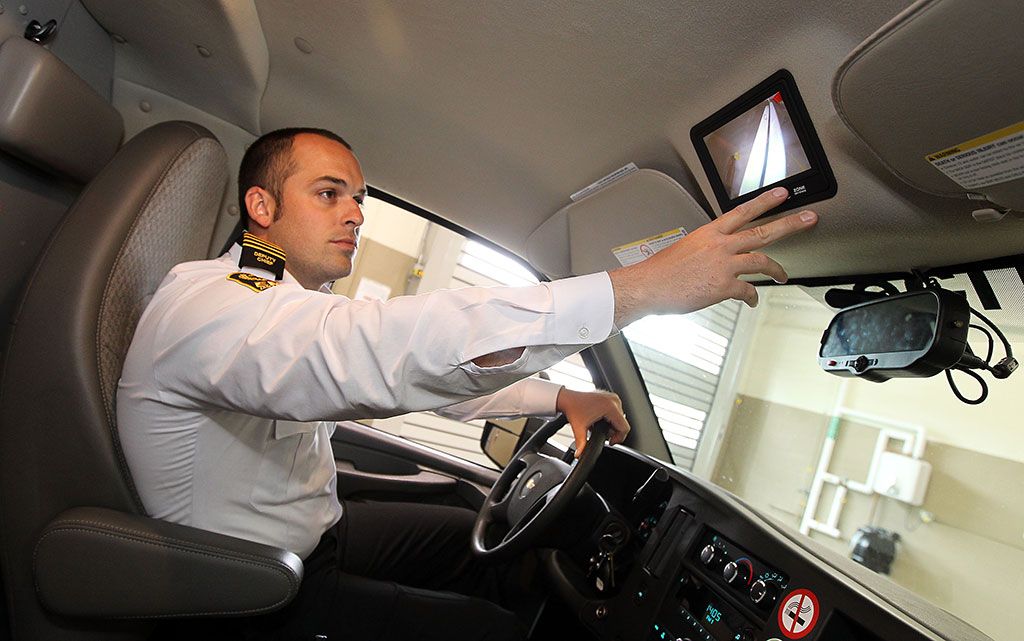
Many ambulances now have cameras installed. These cameras help improve safety and care. They record the inside and outside of the vehicle. This helps emergency teams review their actions. It also protects patients and staff during transport.
Cameras can capture important details during emergencies. They provide proof if there is a dispute. They also help train ambulance staff to work better. The presence of cameras is becoming a standard feature.
Types Of Cameras Used
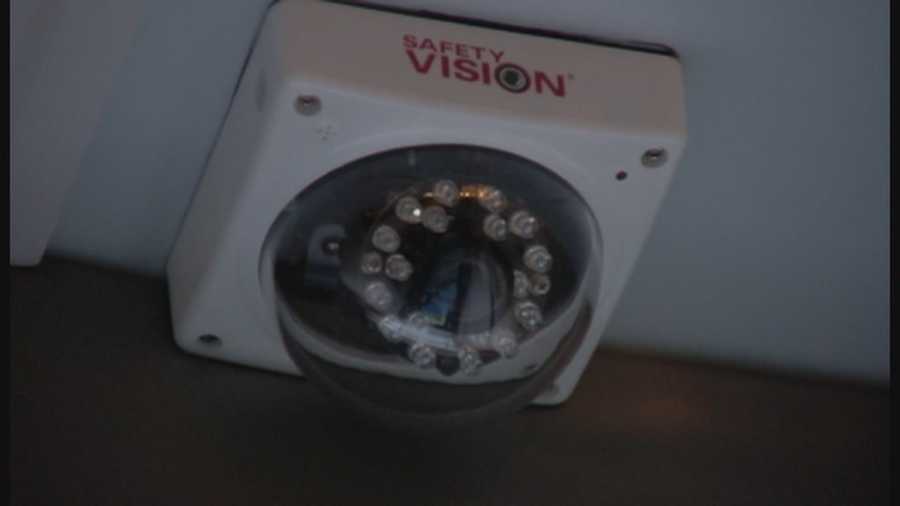
Dash cameras are common in ambulances. They record the road and traffic ahead. Inside cameras monitor patient care and staff behavior. Some ambulances use body cameras for paramedics. Night vision cameras help in low light conditions. Each camera type serves a specific purpose.
Common Locations On Ambulances
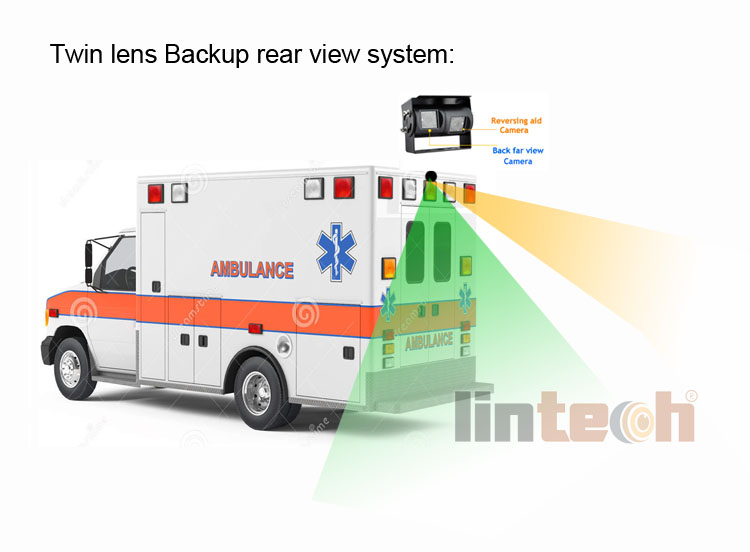
Cameras are often placed on the dashboard. They face forward to capture the road view. Inside cameras are fixed near the patient area. Some cameras are mounted on the ceiling. Exterior cameras may cover the ambulance’s sides and rear. Placement ensures clear and useful footage.
Reasons For Installing Cameras
Cameras in ambulances serve many important purposes. They help improve safety and care for patients. They also protect ambulance drivers and staff. Each camera has a clear role in making emergency services better and safer.
Understanding these reasons shows why more ambulances use cameras today.
Enhancing Patient Safety
Cameras allow medical staff to watch patients closely. They catch any changes in a patient’s condition quickly. This helps staff act fast and provide better care. Cameras also ensure that patients are treated respectfully during transport. They create a safer environment inside the ambulance.
Monitoring Driver Behavior
Driving an ambulance is demanding and risky. Cameras record how drivers behave on the road. This helps identify unsafe driving habits or mistakes. Ambulance services use these recordings to train drivers. The goal is to reduce accidents and improve road safety. Drivers also feel more responsible knowing they are monitored.
Legal And Liability Considerations
Ambulance cameras provide clear evidence if legal issues arise. They help settle disputes about accidents or patient care. Recordings protect both patients and staff from false claims. Ambulance companies use video footage to support insurance claims. This reduces costs and speeds up legal processes.
Privacy Concerns And Regulations
Ambulances sometimes have cameras to record inside or outside the vehicle. These cameras help improve safety and care. Yet, they bring privacy concerns. Patients and staff may worry about who sees the footage. Rules and laws guide how this data is handled. Understanding these rules is important for trust and protection.
Patient Confidentiality Issues
Patient privacy is a top concern with ambulance cameras. Recordings can capture personal health details. This information is sensitive and must stay private. Unauthorized sharing can harm patients and break trust. Ambulance services must protect patient confidentiality at all times.
Data Protection Laws
Many countries have laws to protect recorded data. These rules control how ambulance videos are stored and used. Data must be kept secure and only accessed by authorized people. Breaking these laws can lead to fines or legal trouble. Ambulance services must follow these laws strictly.
Consent And Notification Practices
Patients should know about cameras in ambulances. Some places require clear notices or consent forms. This lets patients understand how their data will be used. Transparency helps build trust between patients and emergency teams. Ambulance staff should explain camera use when possible.
Credit: www.lintechco.com
Impact On Ambulance Operations
Ambulance cameras affect how emergency teams work every day. They help improve safety, care, and training for ambulance staff. Cameras also bring new challenges that need careful handling.
Improving Emergency Response
Cameras inside ambulances help teams review their work quickly. They catch details missed during fast actions. This helps paramedics learn and act faster next time. Cameras also improve communication between staff and hospitals. Clear videos guide hospital teams to prepare before patients arrive. This speeds up treatment and saves lives.
Training And Quality Control
Recorded footage is a strong tool for training new staff. Trainees can watch real situations and learn proper methods. Supervisors use videos to check if procedures are followed well. This ensures high quality care for all patients. Mistakes become teaching moments, not just problems. It helps teams improve without risking patient safety.
Challenges And Limitations
Cameras raise privacy concerns for patients and staff. Strict rules must protect sensitive information. Equipment cost and maintenance can be difficult for some services. Sometimes footage is unclear or incomplete in emergencies. Staff may feel watched and stressed, affecting performance. Balancing benefits and drawbacks is key for success.
Technological Advancements
Ambulances today use advanced technology to improve patient care and safety. Cameras are part of these new tools. They help emergency teams work better and faster. Technology in ambulances keeps evolving to meet growing needs.
Integration With Gps And Telemetry
Cameras in ambulances often link with GPS and telemetry systems. This connection helps track the vehicle’s location in real time. Medical data from the patient can be sent to the hospital instantly. It improves communication between paramedics and doctors. This technology helps prepare hospitals before patients arrive.
Real-time Monitoring Capabilities
Cameras provide real-time video feeds during emergencies. They allow remote medical staff to see inside the ambulance. This helps doctors guide paramedics with better instructions. Video monitoring also ensures patient safety and driver behavior. It records important moments for review and training.
Future Trends In Ambulance Surveillance
Ambulance surveillance is evolving fast. New technology helps improve patient care and safety. Cameras inside ambulances capture important moments during transport. These recordings assist medical teams and ensure clear communication. The future holds exciting trends that will change ambulance monitoring.
Ai And Video Analytics
Artificial intelligence (AI) can analyze ambulance camera footage quickly. It detects changes in patient condition early. AI alerts paramedics to act faster. Video analytics also helps monitor driver behavior. This reduces accidents and improves safety on the road. The technology learns from data to provide better insights.
Expanding Use In Healthcare Transport
Ambulance cameras are becoming common in more healthcare vehicles. Transport for non-emergency patients uses surveillance to ensure safety. Video helps verify proper care during transfers. It also supports training for healthcare workers. Surveillance aids in protecting patients and staff during transport. This trend will grow as technology gets cheaper and easier to use.
Credit: www.wesh.com
Frequently Asked Questions
Do Ambulances Have Cameras Inside For Monitoring?
Yes, many ambulances use interior cameras to monitor patient care and crew safety. These cameras help ensure proper treatment and security during transit.
Are External Cameras Used On Ambulances For Navigation?
Some ambulances are equipped with external cameras to assist drivers with navigation and parking. These cameras enhance safety by providing better visibility.
Why Do Ambulances Use Cameras During Emergency Responses?
Cameras help document incidents, improve accountability, and review emergency procedures. They also support training and legal protection for EMS personnel.
Can Ambulance Cameras Record Patient Information Securely?
Yes, recordings are typically stored securely with restricted access. This protects patient privacy while allowing medical review and quality control.
Conclusion
Ambulances often have cameras to ensure safety and monitor care. These cameras help protect patients and staff during emergencies. They also provide important evidence in case of accidents or disputes. Not all ambulances use cameras, but many adopt them for better service.
Understanding this technology helps people feel more secure during medical transport. Cameras in ambulances serve a clear and useful purpose. They improve trust and accountability in emergency medical services.
As an Amazon Associate, I earn from qualifying purchases.
