

Have you ever wondered when backup cameras became a must-have feature in vehicles? If you’re curious about how and when these safety devices became mandatory, you’re in the right place.
Knowing the exact year backup cameras became required can change how you think about car safety and even influence your next vehicle choice. Keep reading to uncover the story behind this important safety rule and what it means for you every time you hit the road.
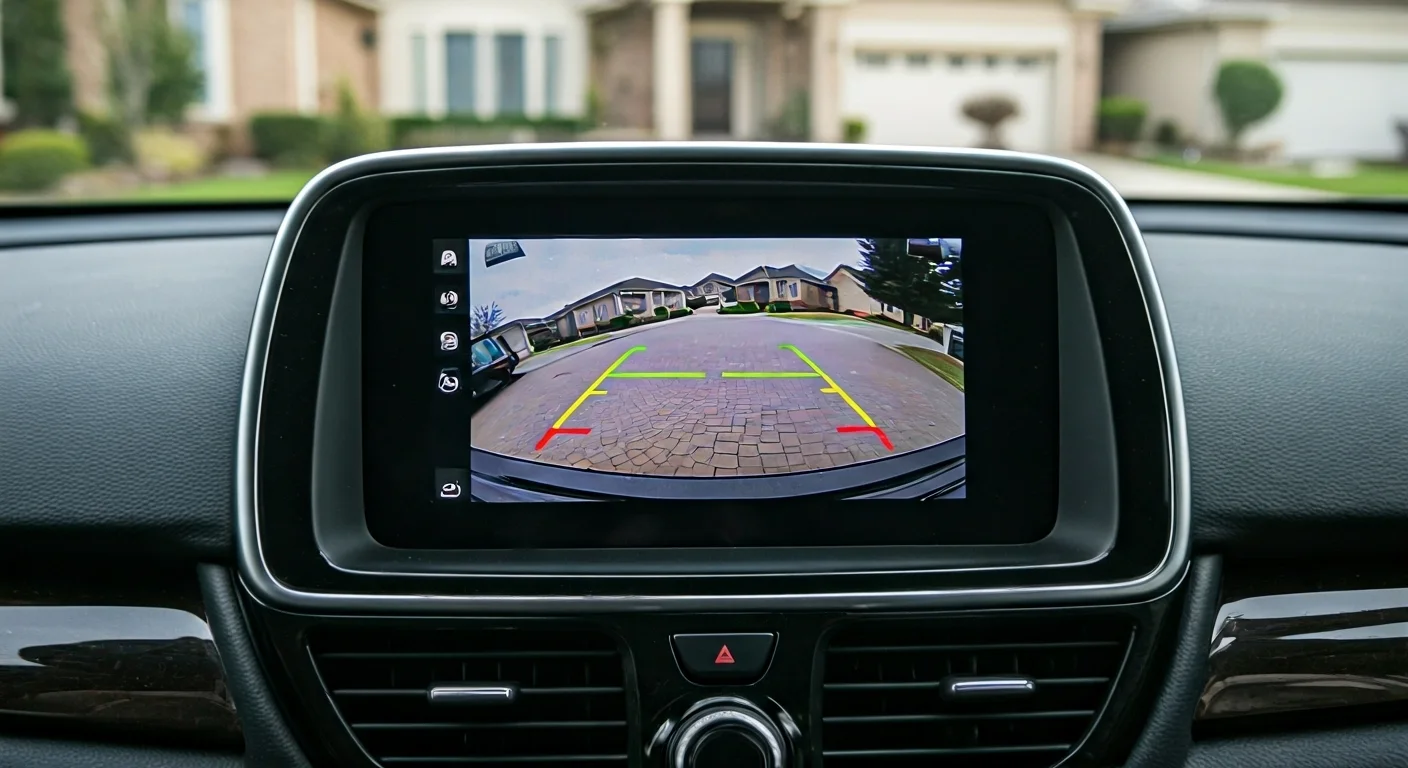
Credit: www.lintechco.com
Backup Camera Mandate Timeline
The timeline of the backup camera mandate shows how car safety evolved over time. Backup cameras help drivers see behind their vehicles. This technology reduces accidents and saves lives. Understanding the timeline helps explain when and why backup cameras became required in cars.
Early Adoption By Automakers
Some car makers added backup cameras before the law required them. Luxury brands led the way in the early 2000s. They used cameras to improve safety and attract buyers. These early models showed the benefits of backup cameras to the public.
Federal Regulations Enacted
The U.S. government stepped in to make backup cameras mandatory. In 2014, federal rules were announced for all new vehicles. The goal was to reduce backover accidents involving children and pedestrians. This law made backup cameras a standard safety feature.
Implementation Deadlines
The mandate gave car makers time to adjust. By May 2018, all new cars and light trucks had to include backup cameras. Older models sold after this date needed cameras too. This deadline ensured backup cameras became common on the road.

Credit: blog.tadibrothers.com
Safety Benefits Of Backup Cameras
Backup cameras help drivers see what is behind their vehicles. They improve safety by giving a clear view of blind spots. Drivers can avoid accidents and protect people around the car. These cameras have changed how we reverse and park. Their safety benefits have made them a key feature in modern cars.
Reducing Blind Spots
Blind spots cause many accidents while reversing. Backup cameras show areas that mirrors cannot cover. Drivers get a wider and clearer view behind the vehicle. This helps spot objects, other cars, or low obstacles easily. Reducing blind spots lowers the chance of collisions.
Preventing Accidents
Backup cameras alert drivers to obstacles quickly. They allow more time to stop or change direction. Many minor crashes happen during reversing in parking lots. These cameras cut down those accidents by improving driver awareness. They help keep vehicles and property safe.
Protecting Pedestrians
Children and pets are often hard to see behind cars. Backup cameras help drivers spot pedestrians early. This reduces the risk of hitting someone while backing up. The cameras add an extra layer of safety in busy areas. Protecting people on foot is a major benefit.
Technical Standards For Backup Cameras
Backup cameras became mandatory to improve safety and reduce accidents. Technical standards ensure these cameras work well in all cars. These standards cover image quality, display features, and system reliability. Clear rules help drivers see better and avoid crashes.
Image Quality Requirements
Cameras must provide a clear and wide view behind the vehicle. The image should show objects in daylight and low light. The resolution must be high enough to spot small obstacles. Colors need to be natural to help recognize hazards quickly. The camera lens must resist dirt and rain to keep vision clear.
Display Specifications
The display screen must be easy to see from the driver’s seat. It should show the camera image without delay or flicker. The size of the screen must be large enough for quick viewing. The brightness must adjust to different light conditions. The display must turn on automatically when the car reverses.
System Reliability
The backup camera system must work every time the car moves backward. It should function in hot, cold, wet, and dusty conditions. The system cannot fail or freeze during use. Wires and connectors must be strong and secure. Regular checks and tests ensure the system stays reliable.
Impact On Vehicle Design
The introduction of mandatory backup cameras changed how vehicles are designed. Car makers had to rethink space and technology inside cars. Safety rules meant adding new parts without making cars bulky.
Design teams worked hard to fit cameras in small spaces. Screens had to be clear and easy to see. Engineers balanced style with function to keep cars attractive.
Integration Challenges
Placing the backup camera was tricky. It needed a clear view behind the car. Designers found spots near the license plate or rear bumper. Wiring the camera to the display inside the car took careful planning. They had to avoid extra holes or damage to car parts.
Cost Implications
Adding backup cameras raised the cost of making cars. New parts and installation required more money and time. Some car makers passed these costs to buyers. Others found ways to keep prices steady by adjusting other features.
Consumer Reception
Many buyers welcomed backup cameras for added safety. Drivers felt more confident when reversing or parking. Some needed time to trust the new technology. Over time, backup cameras became a valued feature in most vehicles.
Backup Cameras Beyond Mandates
Backup cameras became mandatory to improve vehicle safety and reduce accidents. Yet, their role goes beyond just meeting legal rules. These cameras now offer more than simple rear views. They play a part in advanced safety systems and new driving aids.
Car makers keep improving camera technology. This progress helps drivers see better and avoid dangers. The future holds exciting changes in how these cameras work and help drivers worldwide.
Advancements In Safety Technology
Backup cameras now connect with sensors and alarms. They alert drivers about objects or people nearby. Night vision and wide-angle lenses improve visibility in dark or tight spaces. Some systems even detect moving objects behind the vehicle. This helps prevent accidents, especially in busy areas.
Future Trends In Vehicle Cameras
New cameras will offer 360-degree views around the car. Some will use artificial intelligence to identify hazards faster. Cameras could merge with other safety tools for better driver support. Wireless and cloud-based features may allow updates and remote monitoring. These changes will make driving safer and easier.
Global Adoption Patterns
Many countries require backup cameras in new cars. Some regions set strict rules for safety features. Others are still in the process of adopting these laws. Manufacturers adapt their vehicles to meet local standards. This leads to wider use of backup cameras worldwide.
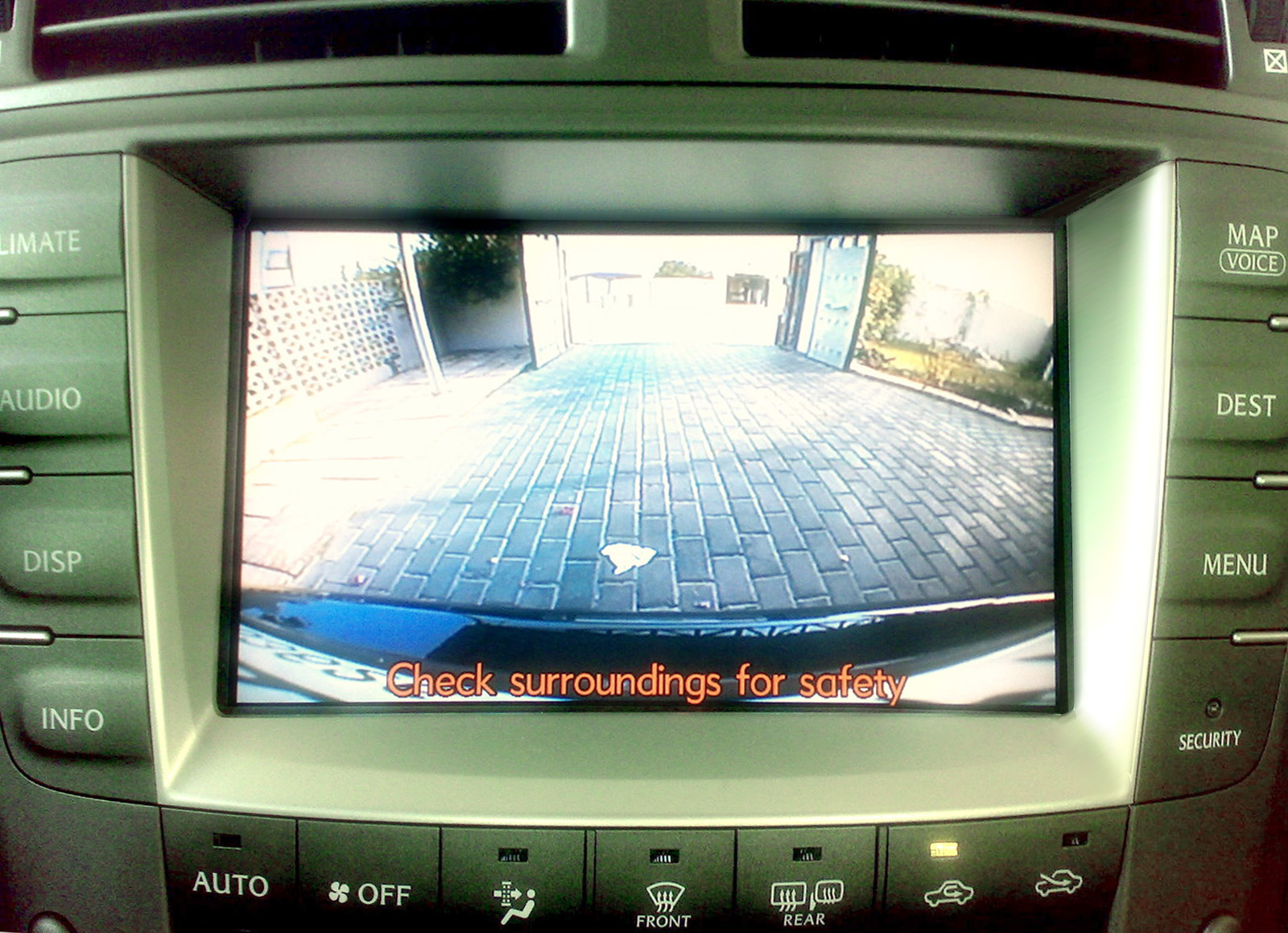
Credit: en.wikipedia.org
Frequently Asked Questions
When Did Backup Cameras Become Mandatory In Vehicles?
Backup cameras became mandatory in new vehicles starting May 2018. The U. S. National Highway Traffic Safety Administration enforced this rule. It aims to reduce accidents caused by rear blind spots. This requirement applies to most passenger cars and light trucks.
Why Are Backup Cameras Required By Law?
Backup cameras are required to improve driver safety. They help prevent accidents involving pedestrians, especially children. The cameras provide a clear view behind the vehicle. This reduces blind spots and enhances overall awareness while reversing.
Which Vehicles Must Have Backup Cameras By Law?
Most new passenger cars, SUVs, and light trucks must have backup cameras. The law covers vehicles weighing less than 10,000 pounds. This includes many common models sold in the U. S. since May 2018.
How Do Backup Cameras Improve Driving Safety?
Backup cameras increase visibility behind the vehicle. They help drivers detect obstacles that are hard to see. This reduces collisions and property damage. Cameras also assist in safer parking and maneuvering in tight spaces.
Conclusion
Backup cameras became mandatory in the United States in 2018. This rule helps drivers see behind their vehicles more clearly. It reduces accidents and saves lives, especially for children and pedestrians. Many car makers now include backup cameras in all new models.
This safety feature is easy to use and very helpful. Knowing the year helps understand how car safety has improved. Every driver benefits from this technology today. Safe driving starts with good tools like backup cameras.
As an Amazon Associate, I earn from qualifying purchases.
