

Have you ever wondered if your new car really needs a backup camera? You might think it’s just a fancy feature, but it could be more important than you realize.
Backup cameras can save you from costly accidents and keep you and your loved ones safer every time you reverse. You’ll discover whether these cameras are actually required in new cars and why that matters to you. Keep reading—your next drive might depend on it.
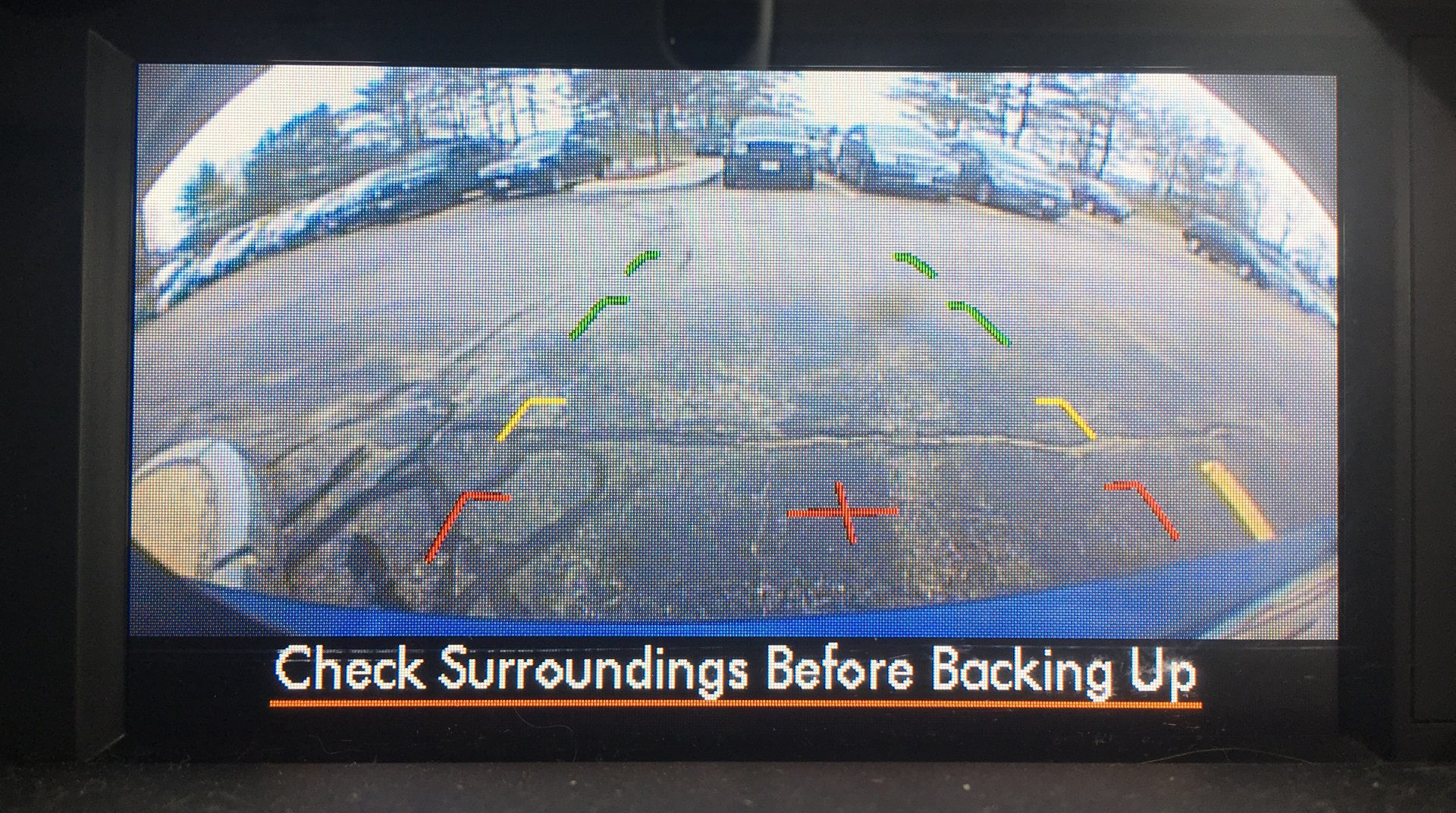
Credit: www.thedrive.com
Backup Camera Regulations
Backup camera regulations ensure new cars have safety features. These rules help prevent accidents when drivers reverse. They aim to protect pedestrians, especially children, from backover crashes.
Regulations vary by government level. Some rules apply across the country. Others change depending on the state.
Federal Requirements
The U.S. government requires backup cameras in most new vehicles. This rule started to improve road safety nationwide. It applies to passenger cars, trucks, and SUVs under 10,000 pounds.
The National Highway Traffic Safety Administration (NHTSA) enforces these rules. They set standards for camera quality and field of view. Manufacturers must meet these standards before selling cars.
State-level Variations
Some states add their own rules about backup cameras. These can include stricter safety checks or installation guidelines. States may also require additional safety equipment in some vehicles.
Drivers should check local laws for any extra requirements. State rules can affect older vehicles and used car sales. Knowing these rules helps avoid fines and legal issues.
Timeline For Implementation
The federal backup camera rule began in May 2018. Since then, all new cars sold must include backup cameras. Automakers had years to update their designs before this date.
Older cars made before the deadline may not have cameras. States may encourage retrofitting or offer incentives for upgrades. Over time, backup cameras will become standard on nearly all vehicles.

Credit: abcnews.go.com
Safety Benefits Of Backup Cameras
Backup cameras offer clear safety benefits for drivers. They help drivers see behind the vehicle. This view is often hidden by blind spots. Backup cameras make driving safer and easier.
Reducing Blind Spots
Blind spots can hide obstacles or people. Backup cameras show these hidden areas clearly. Drivers get a better view behind the car. This helps avoid accidents caused by unseen objects.
Preventing Accidents
Backup cameras reduce the chance of collisions. They alert drivers to children, pets, or objects behind. Drivers can stop in time to avoid crashes. This feature lowers injuries and damage risks.
Enhancing Parking Accuracy
Parking can be tricky in tight spaces. Backup cameras guide drivers with a clear rear view. They help align the car properly in a spot. This reduces parking mistakes and vehicle scrapes.
Types Of Backup Cameras
Backup cameras come in different types. Each type offers unique features and installation methods. Knowing the options helps car buyers choose the right system. Backup cameras improve safety and make parking easier.
Wired Vs Wireless Systems
Wired backup cameras connect directly to the car’s display. They offer a stable and clear video signal. Installation can take more time because of the cables. Wireless cameras send signals without wires. They are easier to install but may face interference. Both types work well for different needs.
Integrated Displays
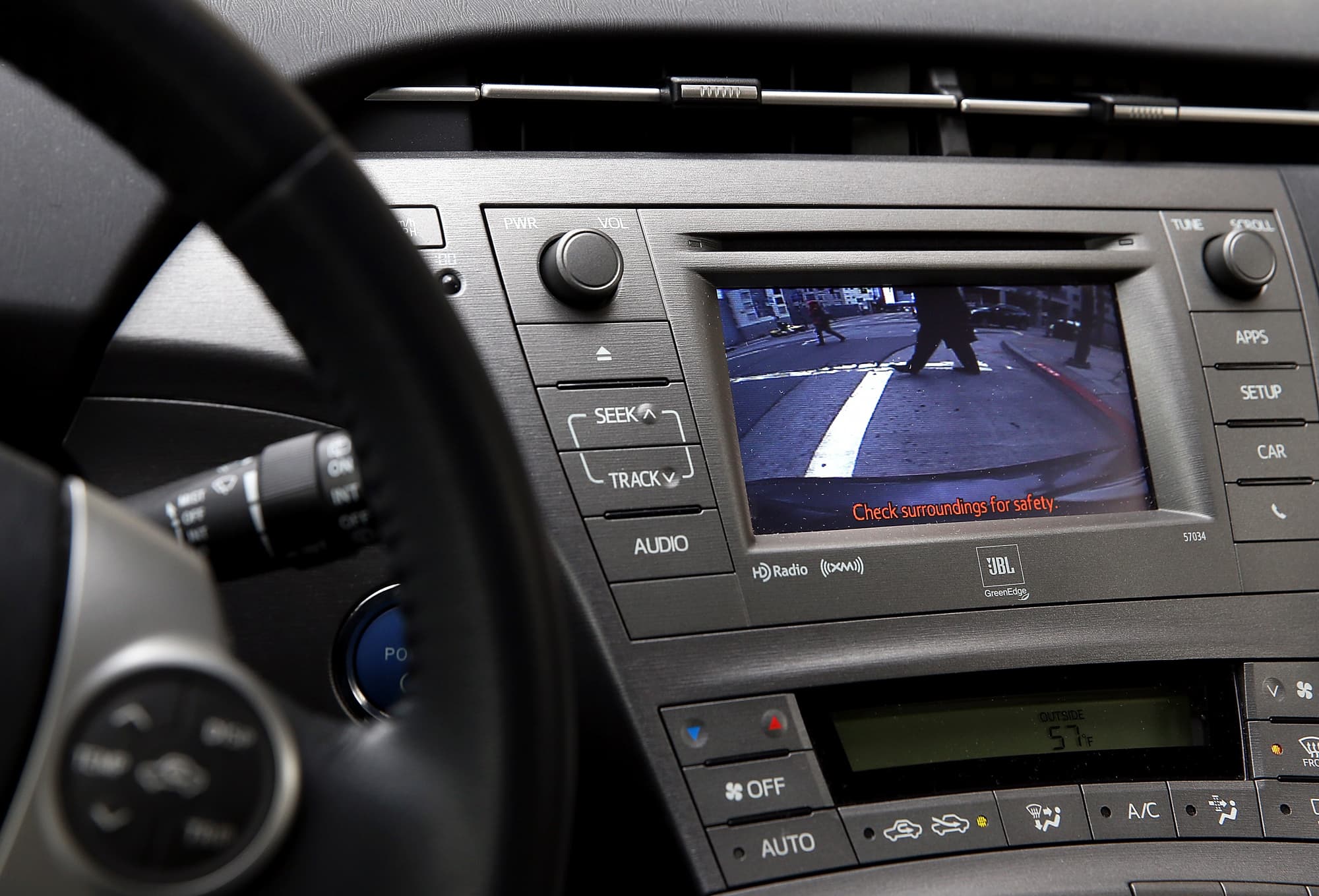
Many new cars have backup cameras built into the dashboard screen. These integrated displays show the camera view automatically when reversing. Some cars use the rearview mirror as a display. Integrated systems provide a clean look and simple use. No extra screens or devices are needed.
Aftermarket Options
Aftermarket backup cameras can be added to older cars. These kits include the camera and a display unit. Some connect to the car’s radio or a smartphone. Aftermarket cameras vary in price and quality. They offer a good solution for cars without built-in systems.
Impact On Insurance And Liability
Backup cameras influence car insurance and liability issues in many ways. They help reduce accidents by improving rear visibility. This can affect insurance costs and legal outcomes after crashes. Knowing their impact helps drivers understand safety and money benefits.
Potential Discounts
Many insurance companies offer discounts for cars with backup cameras. These systems lower the chance of backing accidents. Insurers see this as less risk and may reduce premiums. Drivers can save money by choosing cars with this safety feature.
Legal Considerations
Backup cameras can change legal responsibility in accidents. They provide clear evidence about what happened behind the vehicle. This helps settle disputes faster and fairly. Some states require backup cameras in new cars by law, increasing safety standards.
Accident Claims
Backup camera footage can support or defend accident claims. It shows if a driver checked surroundings before reversing. This proof can reduce liability and speed up claim processing. Insurance companies often value this extra information during investigations.
Future Trends In Vehicle Safety
Vehicle safety is changing fast. New cars have more tools to protect drivers and passengers. These tools go beyond simple backup cameras. The future of vehicle safety will bring smarter and more connected systems. These advances will reduce accidents and save lives. Understanding these trends helps us see how car safety evolves.
Advanced Driver Assistance Systems
Cars now use sensors and cameras to help drivers. These systems warn about dangers like other vehicles or pedestrians. Features include automatic braking, lane keeping, and blind spot detection. These tools support drivers and reduce human error. The technology keeps improving with better sensors and faster processing.
Integration With Autonomous Vehicles
Self-driving cars are becoming more common. These vehicles rely on many safety features to operate safely. Backup cameras link with radar and lidar to create a full view around the car. Autonomous cars use data to make quick decisions. This integration helps prevent crashes and protect road users.
Emerging Technologies
New safety tools appear regularly. Some cars use infrared cameras to see in the dark. Others use vehicle-to-vehicle communication to share information. Artificial intelligence helps predict possible accidents. These technologies work together to create safer driving environments.
Credit: www.cnbc.com
Frequently Asked Questions
Are Backup Cameras Mandatory In All New Cars?
Yes, backup cameras are mandatory in all new cars sold in the U. S. since May 2018. This rule enhances rear visibility and reduces accidents during reversing. The requirement applies to passenger vehicles under 10,000 pounds, improving overall road safety for drivers and pedestrians.
How Do Backup Cameras Improve Driving Safety?
Backup cameras provide a clear view behind the vehicle, reducing blind spots. They help drivers spot obstacles, pedestrians, and other vehicles while reversing. This technology significantly lowers the risk of collisions and accidents, making parking and backing up safer and easier.
Are Backup Cameras Legally Required Worldwide?
Not all countries require backup cameras in new cars. However, many regions, including the U. S. , Canada, and the EU, have implemented similar mandates. Regulations vary by country, but the global trend favors backup cameras to improve vehicle safety and reduce rear-end collisions.
Can Older Cars Be Retrofitted With Backup Cameras?
Yes, older cars can be fitted with aftermarket backup cameras. These systems are affordable and easy to install, offering modern safety features to older vehicles. Retrofitting enhances rear visibility and helps prevent accidents, even if the car wasn’t originally equipped with this technology.
Conclusion
Backup cameras help drivers see behind their cars clearly. Many countries require new cars to have these cameras. They improve safety and reduce accidents while reversing. Drivers can avoid hitting objects or people easily. Even if not required, backup cameras add value and peace of mind.
Choosing a car with this feature is a smart move. Safety should always come first on the road. Remember, a clear view can prevent costly mistakes.
As an Amazon Associate, I earn from qualifying purchases.
