

Have you ever wondered if it’s legal to install cameras inside your own home? Whether you want to keep an eye on your kids, monitor your pets, or boost your home security, the rules around indoor cameras might surprise you.
You might think, “It’s my house—I can do what I want,” but the law isn’t always that simple. You’ll discover what’s allowed, what’s not, and how to protect your privacy without breaking any rules. Keep reading to make sure you stay on the right side of the law while keeping your home safe.
Home Camera Laws
Home camera laws guide how you can use cameras inside your house. Privacy is a big concern. Laws protect people from being recorded without their permission. These rules change depending on where you live. Knowing the laws helps you stay safe and legal.
Federal Regulations
The federal government sets some rules about cameras. It focuses on audio recording and wiretapping laws. Recording sound without consent is often illegal. Video recording without audio usually has fewer restrictions. Federal laws apply everywhere in the country.
State Variations
Each state has its own laws on home cameras. Some states require consent from all people recorded. Others need only one person’s consent. Rules about recording audio inside homes vary a lot. Check your state laws before installing cameras.
Local Ordinances
Cities and towns may have extra rules. These rules control camera placement and privacy zones. Some places ban cameras in certain areas. Local laws protect neighbors and visitors’ privacy. Always review local rules to avoid fines.
Privacy Rights At Home
Privacy rights at home protect individuals from unwanted surveillance. Everyone expects a safe space where personal activities remain private. Cameras inside the house raise questions about these rights. Knowing where and how cameras can be used helps maintain trust and respect among household members.
Expectations Of Privacy
People expect privacy in their homes, especially in personal spaces. Bedrooms and bathrooms are highly private areas. Recording in these places often violates privacy rights. Visitors and family members also expect not to be filmed in private moments. Respecting these expectations avoids legal and ethical issues.
Areas Where Cameras Are Allowed
Cameras are generally allowed in common areas of the house. Living rooms, kitchens, and hallways are less private spaces. Many use cameras here for security or monitoring children and pets. It is important to inform household members about camera use. Transparency helps prevent misunderstandings and privacy concerns.
Restricted Zones Inside The House
Some zones inside the house should never have cameras. Bathrooms and bedrooms are the most restricted zones. These areas have a strong expectation of privacy. Recording in these zones can lead to legal trouble. Always consider privacy laws before installing cameras in sensitive spots.
Recording Audio Vs. Video
Home security cameras are common in many houses today. They help protect your family and property. Recording video and recording audio are not the same legally. Understanding the rules helps you avoid trouble with the law.
Legal Differences
Video recording usually has fewer restrictions than audio recording. Most states allow video inside your home for security. Audio recording laws are stricter. Many places require all parties to agree before recording sound. Breaking these laws can lead to fines or legal action.
Consent Requirements
For video, you do not always need consent if it is in your private space. Audio recording often needs the permission of everyone being recorded. Some states require only one person’s consent. Others need all people to agree. Knowing your state’s rules is very important.
Implications For Homeowners
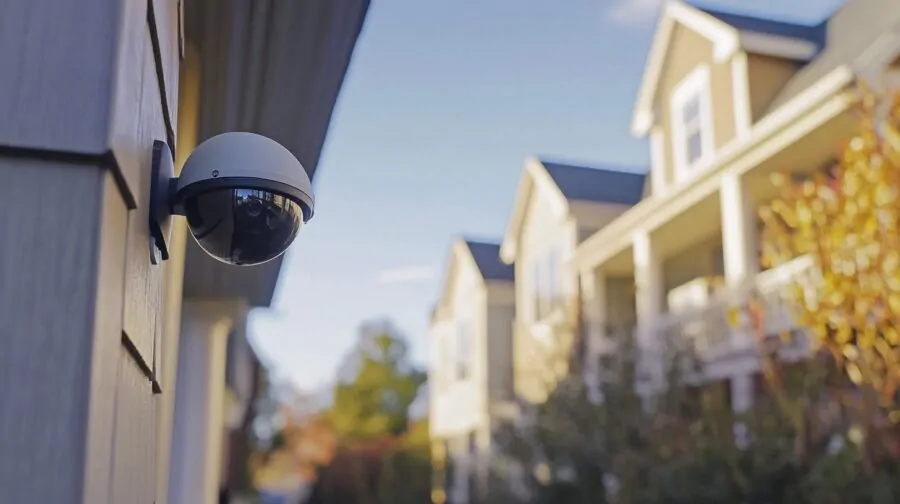
Homeowners must be careful about audio recording. Recording sound without consent can violate privacy laws. Video cameras can be placed in common areas safely. Avoid cameras in bathrooms or bedrooms to respect privacy. Using cameras responsibly keeps your home safe and legal.
Credit: freedomforallamericans.org
Cameras And Guests
Having cameras inside your house can raise questions about privacy, especially when guests visit. Many people wonder what rules apply to recording inside their own homes. It is important to understand how cameras affect your guests and what you should do to respect their rights.
Notifying Visitors
Letting your guests know about cameras is important. A simple notice or telling them directly can avoid confusion. Guests feel more comfortable when they know if cameras are recording. This small step shows respect for their privacy.
Legal Risks
Recording guests without their knowledge can lead to legal problems. Laws vary by location, but many places require consent before recording inside a home. Secret cameras in private areas like bathrooms are usually illegal. Knowing local laws helps avoid fines or lawsuits.
Ethical Considerations
Using cameras inside your home affects trust. Guests expect privacy and may feel betrayed if recorded without permission. Cameras should not be used to spy or invade personal space. Being honest and open builds better relationships with visitors.
Security Benefits And Risks
Having cameras inside your house offers both security benefits and risks. These devices can help protect your home and family. At the same time, they raise questions about privacy and safety. Understanding these points helps you decide how to use cameras wisely.
Crime Prevention
Cameras inside your home can stop crimes before they happen. Visible cameras may scare off burglars. They record any suspicious activity. This evidence can help the police catch criminals. Cameras also make people feel safer in their homes.
Data Security Concerns
Storing video footage has risks. Hackers can try to access your camera data. Poor security can lead to privacy breaches. Protect your devices with strong passwords. Use secure networks to keep data safe. Regular updates reduce the chance of hacking.
Potential Misuse
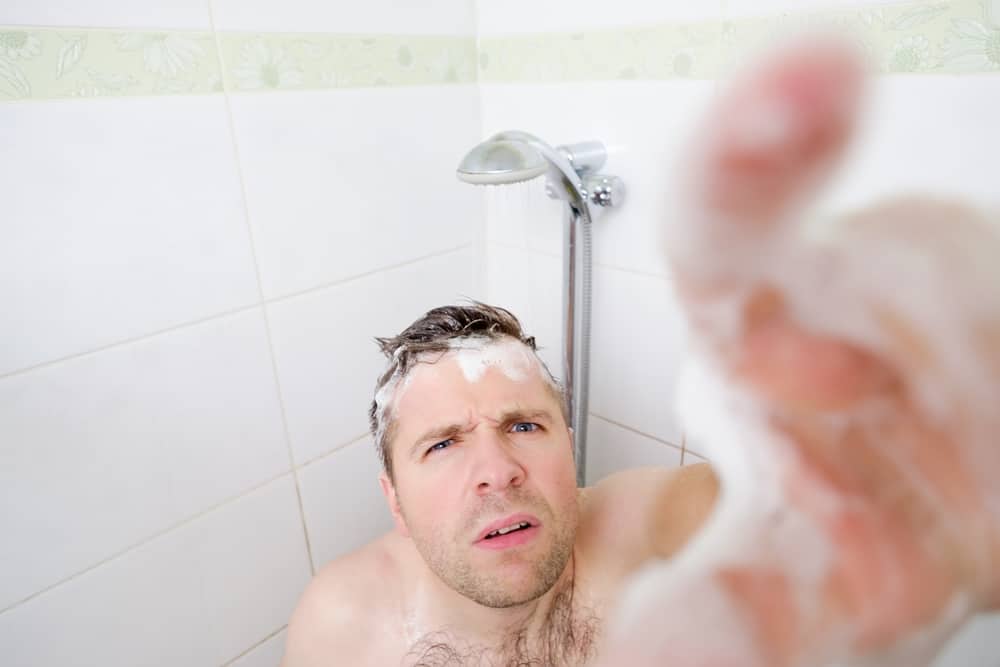
Cameras inside the home can be misused. They might record private moments without consent. Family members or visitors may feel uncomfortable. It is important to respect privacy. Use cameras only in public areas of the house. Clear rules help prevent misuse and trust issues.
Credit: www.safehome.org
Handling Disputes
Disputes about cameras inside homes can arise easily. Privacy concerns often lead to tension between neighbors. Knowing how to handle these disputes helps keep peace and avoid legal trouble. Clear communication and understanding the law are key.
Neighbor Complaints
Neighbors may complain if cameras point toward their property. They might feel watched or uncomfortable. Some might claim their privacy is invaded. These complaints can escalate if not addressed early. Listening to neighbors’ concerns shows respect and can calm tensions.
Legal Actions
Neighbors may take legal action if they believe privacy is violated. Laws vary by location but often protect personal privacy. Courts look at where cameras point and what they record. Illegal surveillance can lead to fines or orders to remove cameras. Understanding local laws prevents costly legal problems.
Resolving Conflicts
Talk with neighbors to find a solution everyone accepts. Adjust camera angles to avoid private areas. Use signs to inform about video recording. Mediation services can help if talks stall. Respect and compromise often solve conflicts without court.
Tips For Safe Camera Use
Using cameras inside your house requires care and thought. Safety and respect for privacy matter most. Follow these tips to keep your home secure and private.
Good camera use means picking the right type, placing them well, and protecting everyone’s privacy.
Choosing The Right Cameras
Select cameras that suit your needs. Indoor cameras work best for home use. Choose models with clear video and night vision. Wireless cameras offer easy installation. Look for cameras with strong security features to keep hackers out.
Placement Guidelines
Place cameras in common areas like living rooms and entrances. Avoid private spaces such as bathrooms and bedrooms. Mount cameras high for a wide view. Keep them visible to deter intruders. Ensure cameras do not point at neighbors’ property to respect their privacy.
Maintaining Privacy
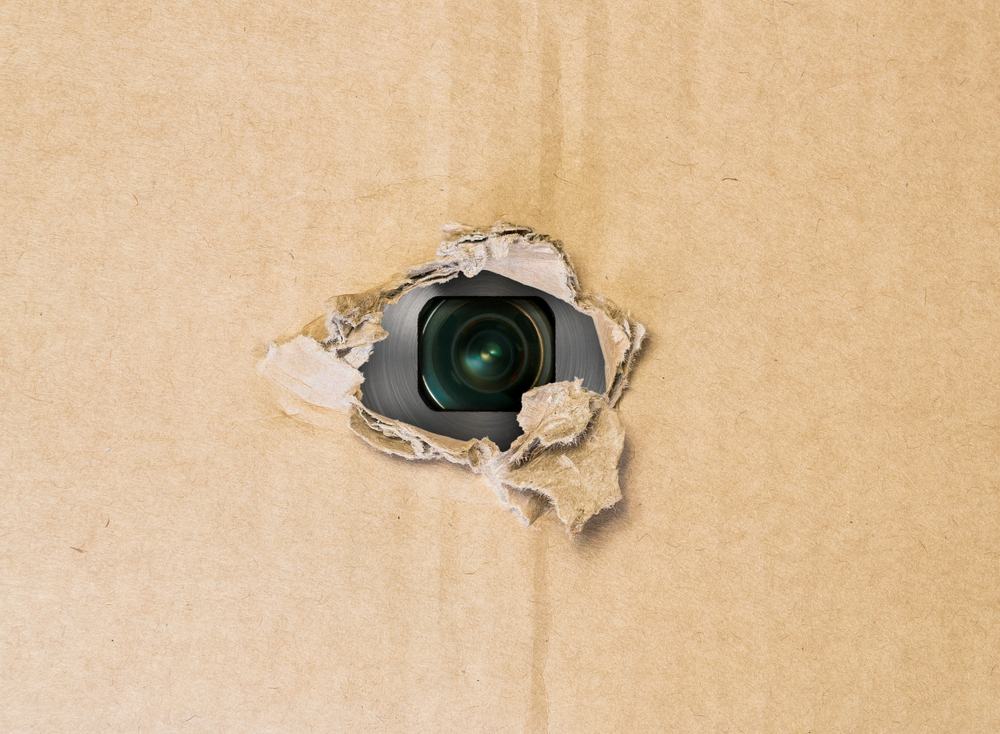
Inform family members about camera locations. Use passwords and update them regularly. Turn off cameras when privacy is needed. Store video footage securely and limit access. Follow local laws about recording audio and video inside the home.
Credit: www.safehome.org
Frequently Asked Questions
Is It Legal To Install Cameras Inside Your Home?
Yes, it is generally legal to install cameras inside your home for security purposes. However, recording others without consent in private areas like bathrooms is illegal.
Can You Record Family Members With Home Cameras?
You can record family members inside your home if it’s for safety and security. Consent is important in private settings to avoid privacy violations.
Are There Privacy Laws For Indoor Home Cameras?
Indoor home cameras must comply with privacy laws. Avoid recording audio or video in private spaces where people expect privacy, like bedrooms or bathrooms.
Do You Need Consent To Record Guests At Home?
Consent is advisable when recording guests inside your home, especially in private areas. Informing guests about cameras helps respect their privacy and avoids legal issues.
Conclusion
Having cameras inside your house is not always illegal. Laws differ by place and purpose of use. You must respect privacy and avoid recording others without consent. Cameras can help with safety and security when used correctly. Always check local rules before installing cameras at home.
Protect your family and follow the law. Simple steps keep you safe and legal. Cameras inside your house can be helpful if used with care. Stay informed and act responsibly.
As an Amazon Associate, I earn from qualifying purchases.
