
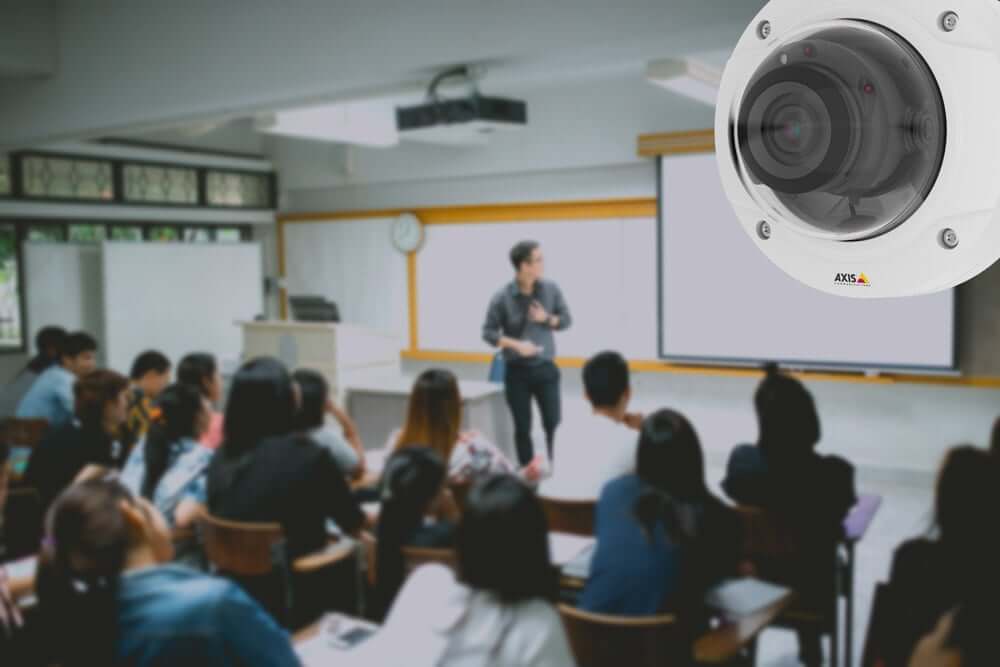
Have you ever wondered if there are cameras in your classroom? You might feel curious or even a bit uneasy about the idea.
Cameras can change the way you learn and how teachers manage the class. But are they really there? And if so, what does that mean for your privacy and safety? Keep reading to find out the truth about classroom cameras and how they could impact your school experience.
Prevalence Of Cameras In Classrooms
Many schools have started using cameras in classrooms. These cameras help keep students safe and make sure teachers follow rules. The use of cameras varies by place and school type. Some schools have many cameras, while others have none. Understanding where and how cameras are used helps us see their role in education today.
Current Trends In School Surveillance
More schools use cameras to watch hallways and classrooms. Cameras help stop bullying and theft. Some schools use live video feeds to monitor activities. Others record videos for review after problems occur. The trend shows a rise in school surveillance for safety reasons.
Types Of Cameras Used
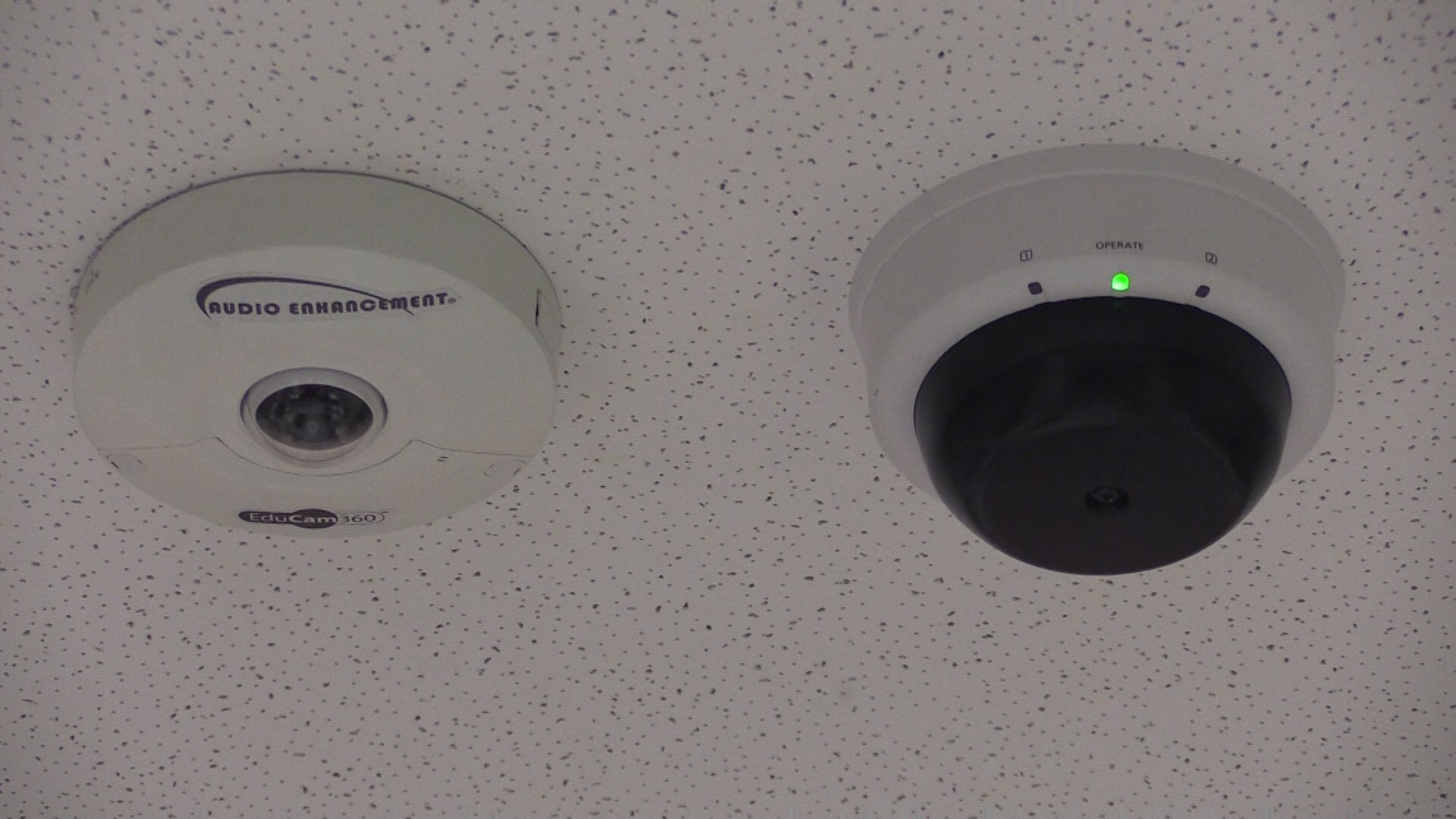
Different cameras serve different purposes in schools. Fixed cameras stay in one spot and watch a wide area. PTZ cameras can move and zoom to focus on specific places. Some cameras have night vision for low light conditions. Schools choose cameras based on their budget and needs.
Geographical Differences
Cameras in classrooms are more common in some countries. Developed nations use more technology for school safety. Rural areas often have fewer cameras than cities. Laws and privacy rules also affect camera use. Each region balances safety with student privacy differently.
Credit: i2ctech.com
Reasons For Installing Cameras
Cameras in classrooms have become a topic of interest for many schools. Installing cameras is not just about watching students. There are clear reasons schools choose to use them. These reasons focus on safety, performance, and protection.
Enhancing Student Safety
Cameras help keep students safe during school hours. They allow quick responses to any emergencies or bullying. Teachers and staff can see what happens in real time. This helps prevent accidents and harmful behavior. Parents also feel more secure knowing their children are monitored.
Monitoring Teacher Performance
Schools use cameras to observe how teachers manage their classes. This helps improve teaching methods and classroom behavior. Teachers receive feedback to grow and support students better. Cameras ensure that teaching follows school rules and standards. It also promotes fairness in evaluating teachers.
Preventing Vandalism And Theft
Cameras act as a strong warning against damage and stealing. Students and outsiders think twice before breaking school property. School equipment and supplies stay safer with surveillance. It reduces costs for repairs and replacements. Cameras create a more respectful environment for everyone.
Privacy Concerns And Legal Issues
Installing cameras in classrooms raises many questions about privacy and law. Schools must balance safety with respecting students’ rights. Understanding privacy concerns and legal rules helps everyone stay informed and protected.
Student Privacy Rights
Students have a right to privacy at school. Cameras can capture private moments and sensitive information. Schools must avoid recording in bathrooms or changing areas. Students deserve respect and protection from unwanted surveillance.
Clear rules should explain where and when cameras operate. Students and staff should know how footage is used. Protecting privacy helps build trust in the school environment.
Legal Regulations And Policies
Many laws control camera use in schools. These laws vary by country and state. Schools must follow local rules on video recording and data storage. Some laws require parental consent before recording students.
Policies should clarify who can watch the footage and for how long. Schools must secure recordings to prevent misuse or leaks. Knowing the law helps schools avoid legal trouble.
Parental And Teacher Perspectives
Parents often worry about their children’s privacy and safety. Some support cameras to prevent bullying or violence. Others fear constant surveillance may harm student trust.
Teachers may feel stressed being recorded all the time. They want privacy and freedom in their classrooms. Open discussions between parents, teachers, and schools improve camera policies.
Impact On Classroom Environment
The presence of cameras in classrooms changes the environment in many ways. Cameras can affect how students and teachers act and feel. The learning process can also shift because of constant observation. Understanding these changes helps us see the real impact on education.
Some effects are good, and some are not. It depends on how cameras are used and how people respond to them.
Effect On Student Behavior
Cameras can make students behave better. They know someone might watch them at any time. This can reduce distractions and mischief. Some students feel more focused with cameras around. But some may feel nervous or less free. Being watched can cause stress for some children.
Teacher Stress And Performance
Teachers often feel pressure with cameras in the room. They worry about being judged or recorded. This stress can make teaching harder. Some teachers may follow rules more strictly. Others might feel less creative or relaxed. Cameras change how teachers teach and react.
Influence On Learning Experience
Learning can improve if cameras help keep order. Quiet classrooms help students listen and learn. On the other hand, cameras can make some students feel uncomfortable. This can reduce participation and questions. The learning experience changes based on feelings about cameras.
Technology And Future Trends
Technology in classrooms is changing fast. Cameras are no longer simple devices. They now come with smart features that can help teachers and schools in many ways.
These changes bring new ideas about how schools use cameras. The future may hold big shifts in classroom monitoring.
Advancements In Surveillance Technology
Cameras today are smaller and clearer than before. They can record in high definition and work well in low light. Some cameras can even zoom in without losing quality.
Many schools now use wireless cameras. These are easier to install and move if needed. This flexibility helps schools cover more areas without extra wiring.
Integration With Ai And Analytics
Artificial intelligence (AI) helps cameras understand what they see. AI can spot unusual behavior or recognize faces. This helps teachers watch over students better.
Data from cameras can be analyzed to improve safety. For example, it can show crowded spots or times when incidents happen more. Schools can use this data to act early.
Potential Changes In School Policies
With new technology, schools may change their rules. Policies about privacy and consent are becoming more important. Schools need clear rules on how to use cameras fairly.
Students and parents may have a say in these policies. Open talks can help everyone understand the benefits and limits of cameras in classrooms.
Credit: www.41nbc.com
Alternatives To Cameras
Cameras in classrooms raise many questions about privacy and trust. Many schools consider alternatives to cameras. These options aim to keep students safe and support a positive learning space. Schools use different ways to watch over students without cameras.
Increased Staff Presence
More teachers and staff in classrooms help keep order. Adults can notice problems early and stop them fast. Staff walking around the room can make students feel safer. This presence also helps students focus and behave well.
Use Of Behavioral Programs
Behavioral programs teach students how to act kindly and respectfully. These programs reward good behavior and correct bad actions. They encourage students to solve problems peacefully. Clear rules and support help reduce conflicts.
Community And Parental Involvement
Parents and community members can support school safety efforts. They help by volunteering and staying in touch with teachers. Open communication between home and school builds trust. This teamwork helps students feel supported everywhere.

Credit: www.forbes.com
Frequently Asked Questions
Are Cameras Allowed In Classrooms By Law?
Laws on classroom cameras vary by region. Many schools permit cameras for safety and monitoring. However, privacy laws often require consent from parents or teachers before installation. Always check local regulations to ensure compliance with legal standards on surveillance in educational settings.
What Are The Main Reasons For Classroom Cameras?
Classroom cameras enhance student safety, monitor behavior, and deter bullying. They also help in teacher training and remote learning. Cameras provide evidence during disputes and improve overall classroom management. These benefits make cameras a useful tool in modern education environments.
How Do Cameras Impact Student Privacy?
Cameras can raise privacy concerns among students and parents. Schools must balance security needs with protecting personal privacy. Proper policies limit camera use to public areas and restrict recordings. Transparency about camera use helps maintain trust and respect privacy rights.
Can Classroom Cameras Improve Teaching Quality?
Yes, cameras allow teachers to review lessons and improve methods. Administrators use footage for professional development and feedback. Recorded sessions support remote learners and substitute teachers. This technology promotes continuous improvement and better educational outcomes.
Conclusion
Cameras in classrooms raise many questions about safety and privacy. Some schools use them to keep students safe and improve learning. Others worry about spying and trust issues. It’s important to know the rules and reasons behind camera use. Parents, teachers, and students should talk openly about these concerns.
Understanding both sides helps create a better school environment. Cameras can help, but respect and clear limits matter most. What do you think about cameras in classrooms?
As an Amazon Associate, I earn from qualifying purchases.
