

Have you ever wondered if schools really have cameras in classrooms? You might be curious about how these cameras affect your child’s learning or privacy.
Understanding the truth behind classroom cameras can help you feel more confident about your child’s safety and education. You’ll discover why some schools use cameras, how they impact students and teachers, and what you should know as a parent or student.
Keep reading to get the full picture and make informed decisions about this important topic.
Purpose Of Classroom Cameras
Classroom cameras serve several important roles in schools. They help create a safe and positive learning space. Cameras also support teachers and protect students. Their use is carefully planned to benefit everyone.
Enhancing Student Safety
Cameras watch over students to keep them safe. They help spot problems quickly. If a student feels unsafe, cameras provide proof. This can stop accidents or harmful behavior fast. Schools use cameras to protect all children during school hours.
Monitoring Teacher Performance
Cameras allow schools to check how teachers teach. They help see if lessons are clear and fair. Teachers get helpful feedback to improve their skills. This supports better learning for students. Cameras also make sure teachers follow school rules.
Preventing Bullying And Misconduct
Cameras act as a warning against bullying and bad behavior. Students know they are being watched. This stops many fights and mean actions. When problems happen, cameras provide clear evidence. This helps schools handle issues quickly and fairly.
Types Of Cameras Used
Schools use different types of cameras in classrooms to ensure safety and monitor activities. Each camera type serves a unique purpose. Some cameras stay fixed, while others can move. Many cameras also come with sound recording features. Schools often link these cameras to their main security systems. This setup helps staff respond quickly to incidents. Understanding these camera types helps explain how schools protect students and staff.
Fixed Vs. Mobile Cameras
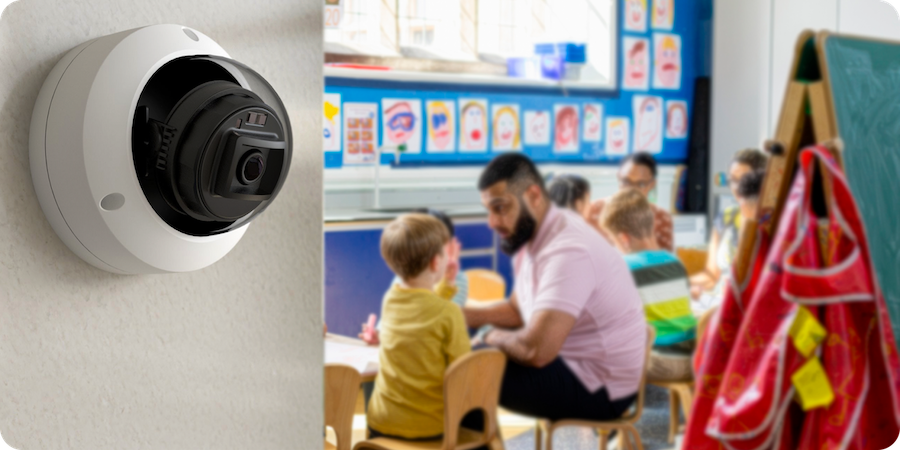
Fixed cameras stay in one spot and watch a specific area. They provide a constant view of the classroom. These cameras are less expensive and easy to install. Mobile cameras can move left, right, up, or down. They cover larger areas and follow movement. Mobile cameras offer more flexibility but cost more. Schools choose between these types based on their needs.
Audio Recording Features
Some classroom cameras can record sound as well as video. Audio helps capture conversations or incidents clearly. Not all schools use cameras with audio due to privacy rules. When allowed, audio improves the understanding of events. It adds an extra layer of security. Teachers and students should know if audio is recorded.
Integration With School Security Systems
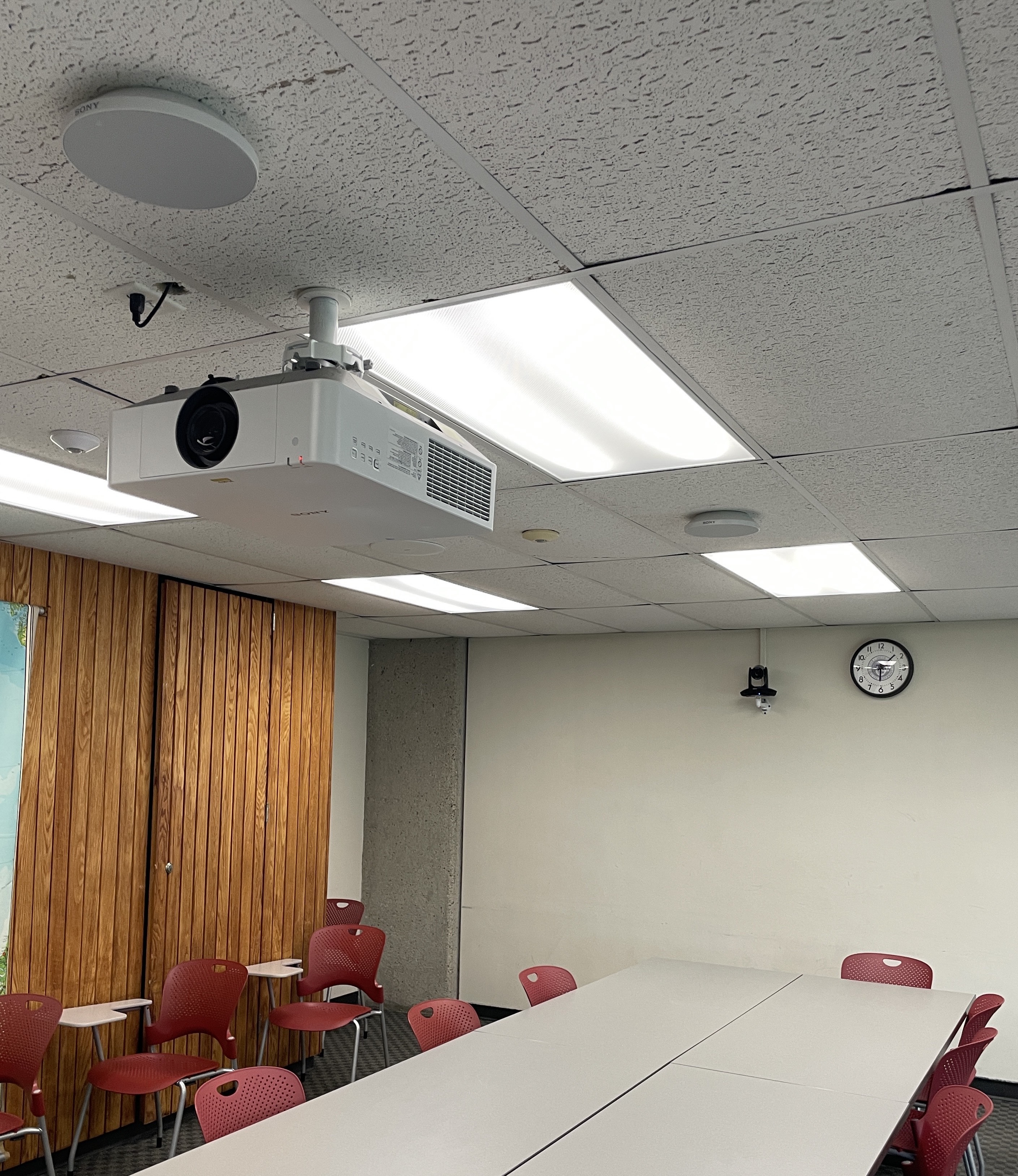
Classroom cameras often connect to a school’s overall security system. This link allows real-time monitoring by security staff. It also helps store video footage for later review. Integration improves response time during emergencies. It makes managing security easier and more efficient. Schools can monitor many areas from one place.
Legal And Privacy Concerns
Using cameras in classrooms raises many legal and privacy questions. Schools must balance safety with protecting students’ rights. Laws guide how surveillance is used and who can access the footage. Privacy concerns affect students, teachers, and parents. Understanding these rules helps everyone stay informed and safe.
Laws Governing Surveillance In Schools
Different states and countries have laws about cameras in schools. These laws decide where and when cameras can be placed. They also control how long recordings can be kept. Schools must follow these rules to avoid legal trouble. Some laws focus on protecting students from spying.
Parental Consent And Notification
Parents often must be told if cameras are in classrooms. Some schools ask for parental permission before installing cameras. This step builds trust between families and schools. Notice about cameras must explain why they are used. Clear communication helps prevent confusion or complaints.
Student Privacy Rights
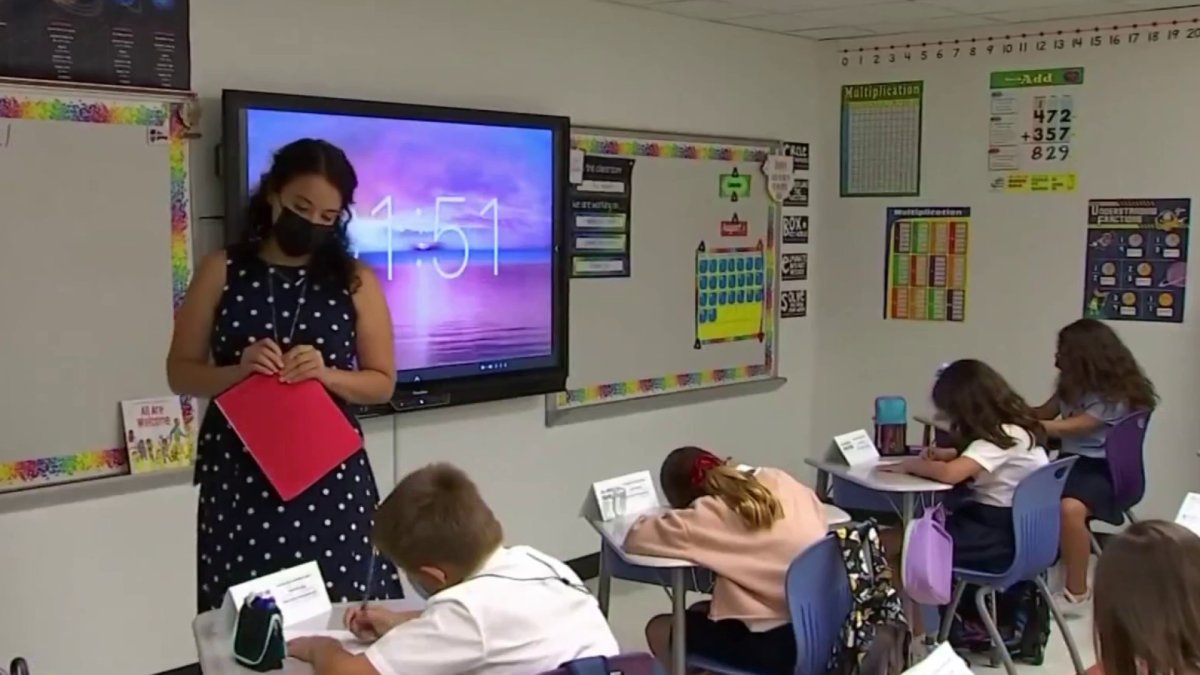
Students have the right to privacy even at school. Cameras should not record in private areas like bathrooms. Schools must protect students’ personal information and images. Recording should only happen in public spaces for safety. Respecting privacy helps students feel secure and valued.
Credit: www.nbcmiami.com
Benefits For Parents And Students
Cameras in classrooms offer clear benefits for both parents and students. They help build trust and improve safety. Parents feel more involved in their child’s daily school life. Students benefit from a safer and more respectful environment. Schools can create a better learning space by using cameras wisely.
Peace Of Mind For Parents
Parents gain confidence knowing their child is safe. Cameras provide a way to see the classroom environment. This helps reduce worry about bullying or other issues. Parents feel connected to their child’s school day. It also supports open communication with teachers and staff.
Accountability For Staff And Students
Cameras encourage everyone to behave well. Teachers stay focused on teaching without distractions. Students follow rules, knowing their actions are recorded. This creates a fair and respectful atmosphere. It helps maintain discipline and order in the classroom.
Evidence For Disciplinary Actions
Recorded footage can clarify what really happened. It prevents misunderstandings and false accusations. Schools can make fair decisions based on facts. This protects both students and teachers. Clear evidence supports proper handling of conflicts or rule-breaking.
Potential Drawbacks And Risks
Installing cameras in classrooms can bring risks and drawbacks. Schools must consider these carefully before making decisions. Cameras may affect students and staff in many ways. Understanding these issues helps create a safer, fairer learning space.
Impact On Student Behavior
Students might act differently under constant watch. Some may feel nervous or stressed. This can reduce natural interaction and creativity. Others might try to impress the camera, not focus on learning. The pressure could harm confidence and social skills over time.
Privacy Invasion Risks
Cameras can invade personal privacy for students and teachers. Constant recording may capture private moments unintentionally. Data could be misused or leaked if not protected well. This risk worries parents and staff about safety and trust.
Technical And Maintenance Challenges
Installing cameras needs strong technology and regular upkeep. Systems can fail or break, causing gaps in coverage. Schools need budget and staff to manage this. Poor maintenance may lead to false security or wasted resources.
Credit: www.rhombus.com
How Schools Communicate Camera Policies
Schools use several ways to share their camera policies with parents and students. Clear communication helps build trust and keeps everyone informed. Schools explain why cameras are used and how they protect privacy.
Parent-teacher Meetings
Schools often discuss camera rules during parent-teacher meetings. Teachers explain the purpose of cameras and answer questions. Parents get a chance to share their views and concerns. This direct talk helps clear up any doubts quickly.
School Handbooks And Websites
Many schools include camera policies in their handbooks. These books give detailed rules and guidelines. Schools also post this information on their official websites. Parents can easily access the policy anytime they want.
Community Feedback And Involvement
Schools invite community members to give feedback on camera use. They hold meetings or surveys to gather opinions. This involvement helps schools make fair and clear policies. Listening to the community builds stronger support and understanding.
Questions Parents Should Ask
Parents want to know how schools use cameras in classrooms. Asking the right questions helps parents understand the purpose and safety of these cameras. It also ensures the school respects privacy and keeps children safe.
Camera Placement And Coverage
Where are the cameras placed in the classroom? Are they in every corner or only in specific areas? Parents should ask if cameras focus on students or just common areas. Knowing this helps parents feel secure about their child’s privacy.
Access To Footage
Who can watch the recordings from the cameras? Are teachers, principals, or security staff allowed to see the footage? Parents should ask if anyone outside the school can access the videos. Clear rules about access protect children’s privacy.
Data Storage And Security
How does the school store the video recordings? Are the videos kept on secure servers or local devices? Parents should ask how long the footage is saved and how the school prevents hacking. Strong data security is important for protecting students’ information.
Alternatives To Classroom Cameras
Classroom cameras raise many concerns about privacy and trust. Many schools explore other ways to keep students safe and focused. These alternatives offer good solutions without constant surveillance.
Increased Staff Presence
Having more teachers or assistants in the classroom helps manage behavior. Adults can quickly respond to problems and support students. This presence creates a safer and more attentive learning space.
Use Of Technology For Monitoring
Technology like motion sensors or noise detectors can alert staff to unusual activity. These tools watch for signs of trouble without recording video. Schools use these devices to keep classrooms calm and safe.
Promoting Open Communication
Encouraging students to speak openly helps prevent many issues. Teachers who listen build trust and respect with students. Open talks reduce the need for cameras and create a positive classroom.
Credit: www.brandeis.edu
Frequently Asked Questions
Do Schools Legally Install Cameras In Classrooms?
Yes, many schools legally install cameras for safety and monitoring. Laws vary by region, but schools often notify parents and staff about surveillance policies.
What Are The Main Reasons For Classroom Cameras?
Classroom cameras help ensure student safety, prevent bullying, and monitor teacher performance. They also provide evidence during disputes or emergencies.
Are Classroom Cameras A Privacy Concern For Students?
Some argue cameras invade privacy, but schools balance safety with privacy laws. Cameras usually avoid sensitive areas and have strict access controls.
How Do Cameras Affect Student Behavior In Class?
Cameras can encourage better student behavior by promoting accountability. Knowing they’re monitored often reduces disruptions and improves focus during lessons.
Conclusion
Schools use cameras in classrooms for safety and discipline. These cameras help protect students and teachers. Some schools share footage with parents for trust. Privacy concerns are common and deserve attention. Rules about cameras differ by location. Transparency and clear policies build confidence.
Cameras do not replace good teaching or care. They are tools to support a safer environment. Understanding both benefits and risks is important. Schools must balance security with privacy rights. This topic will keep evolving as technology changes.
As an Amazon Associate, I earn from qualifying purchases.
