

Have you ever wondered if your security cameras can do more than just capture video? Imagine not only seeing what’s happening but also hearing every important sound around your property.
This could give you a clearer picture of any situation, whether it’s a quiet night at home or a busy office during the day. But can security cameras really record sound? Understanding this can help you make smarter choices for your safety and peace of mind.
Keep reading to find out how sound recording works with security cameras and what you need to know before setting it up.
How Security Cameras Capture Audio
Security cameras do more than just record video. Many models can also capture sound. This feature helps provide a clearer picture of events. Understanding how cameras record audio can help you choose the right system.
Audio capture depends on the camera’s design and equipment. Some cameras have microphones built inside. Others use external devices to collect sound. The quality of audio varies based on several factors.
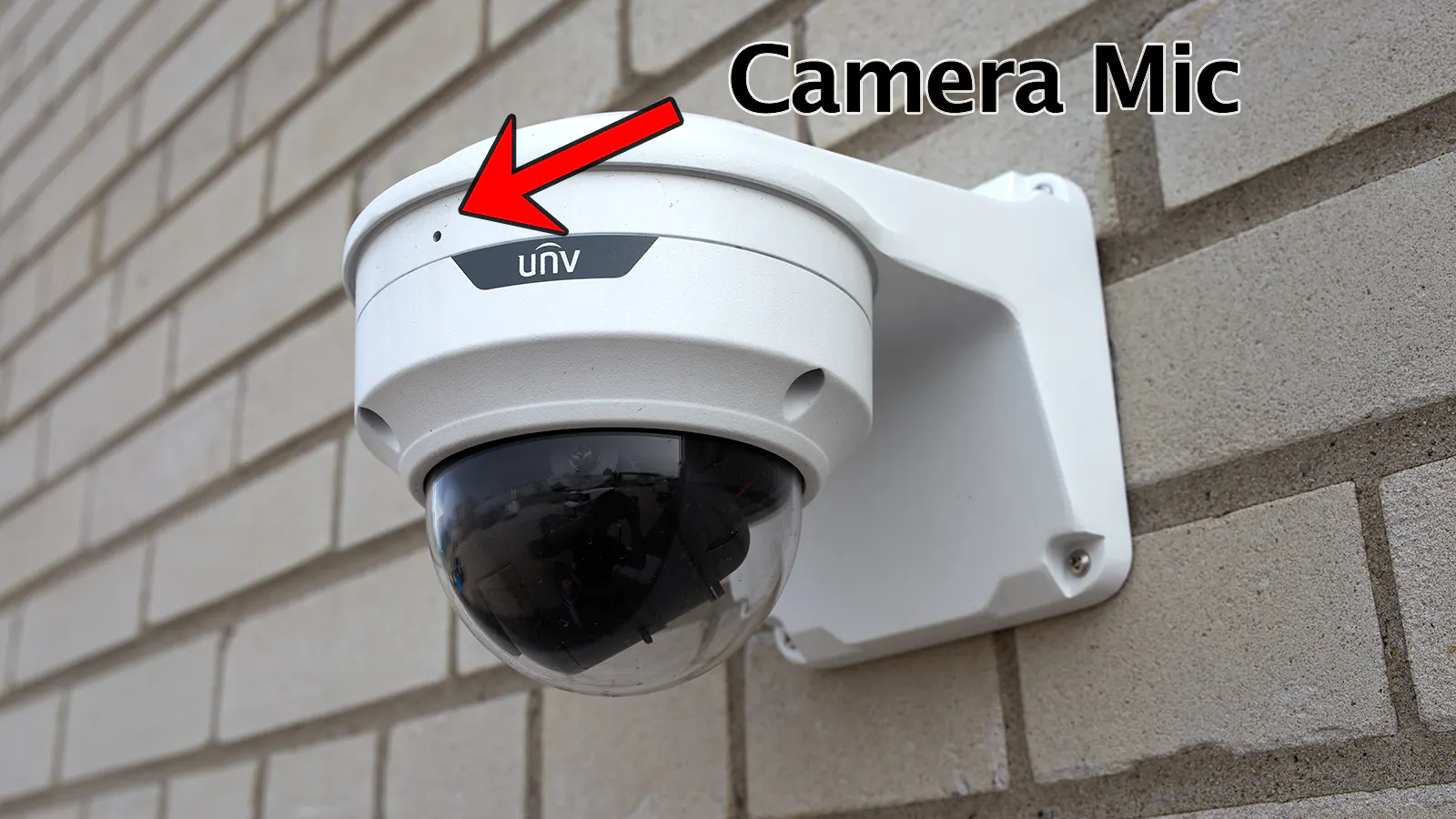
Built-in Microphones
Many security cameras come with built-in microphones. These tiny devices pick up sounds near the camera. They are convenient because they need no extra setup. Built-in mics work best in quiet areas. Loud background noise can reduce their effectiveness.
External Audio Devices
Some cameras allow connection to external microphones. These devices can capture sound from farther away. External mics often have better sound quality. They can be placed for optimal audio pickup. This setup suits larger or noisy spaces.
Audio Quality Factors
Several factors affect the quality of recorded sound. Distance from the microphone plays a big role. Walls, windows, and other objects can block sound. Wind and background noise also impact clarity. Proper placement helps improve audio capture.
Credit: www.xlrsecurity.com
Legal Aspects Of Audio Recording
Recording audio with security cameras raises important legal questions. Laws protect people’s privacy and control how audio can be recorded. Understanding these rules helps avoid legal trouble and respects others’ rights.
Consent Requirements
Consent is often needed before recording sound. Some places require all parties to agree. Others allow recording if one person consents. Knowing the consent rules in your area is crucial.
State And Federal Laws
Both state and federal laws affect audio recording. Federal law generally needs one-party consent. Many states require two-party consent. These laws differ widely, so check your local regulations carefully.
Privacy Concerns
Audio recording can invade privacy if done without permission. Recording in private spaces like homes is sensitive. Public spaces usually have fewer restrictions. Respecting privacy helps maintain trust and avoid lawsuits.
Types Of Security Cameras With Audio
Security cameras with audio capture both video and sound. They help in better monitoring and clearer evidence. These cameras come in different types. Each type has unique features and uses. Understanding these types helps you choose the right one for your needs.
Indoor Vs Outdoor Cameras
Indoor cameras with audio focus on capturing sound in enclosed spaces. They are perfect for homes and offices. Outdoor cameras are built to resist weather and harsh conditions. They often have stronger microphones to capture sound clearly outside. Choosing between indoor and outdoor depends on where you want to record sound.
Wireless Audio Cameras
Wireless cameras with audio offer easy installation without cables. They use Wi-Fi to send video and sound to your device. These cameras allow flexible placement and remote access. Battery-powered models give more freedom but need regular charging. Wireless audio cameras suit areas where wiring is difficult.
Smart Home Integration
Cameras with audio can connect to smart home systems. This allows control through apps or voice commands. You can listen and talk through the camera remotely. Integration supports devices like Amazon Alexa or Google Assistant. Smart home cameras make monitoring more interactive and convenient.
Benefits Of Audio Recording In Surveillance
Audio recording adds a valuable layer to surveillance systems. It captures sounds that cameras alone cannot. This feature helps create a clearer picture of events. The benefits of audio in security go beyond video footage. It improves safety and aids investigations.
Enhanced Security
Hearing sounds helps detect unusual or suspicious activity. Voices, alarms, and noises give real-time alerts. Guards and security teams respond faster with audio cues. This reduces the chances of theft or violence. Audio adds extra awareness to physical monitoring.
Evidence Collection
Audio recordings provide strong proof in legal cases. Conversations and sounds clarify what happened during incidents. They support video evidence with clear context. Courts often accept sound recordings as reliable proof. This makes it easier to solve disputes or crimes.
Deterrence Of Criminal Activity
Knowing audio is recorded discourages wrongdoers. People act more carefully when they feel watched and heard. Criminals avoid places with sound surveillance. This lowers risks for businesses and homes. Audio recording helps keep areas safer.
Limitations And Challenges
Security cameras with audio recording have limits. These limits affect how well they capture sound. Understanding these challenges helps in choosing the right system. It also sets clear expectations for users.
Background Noise Issues
Sound recording near cameras often picks up unwanted noise. Cars, wind, and people talking can mix with important sounds. This noise makes it hard to hear clear voices or specific sounds. Some cameras try to reduce noise, but not all succeed.
Storage And Bandwidth
Recording sound uses more storage space than video alone. Audio files add to the size of saved data. This need increases internet bandwidth for live streaming. Limited storage or bandwidth may reduce recording quality or length.
Technical Restrictions
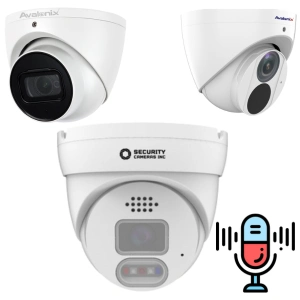
Many cameras have simple microphones with low sensitivity. They may not capture quiet sounds or distant voices well. Some models lack advanced audio processing features. Legal rules in some areas also limit audio recording use.
Credit: www.cctvcameraworld.com
Setting Up Audio Recording On Cameras
Setting up audio recording on security cameras lets you capture sound along with video. This feature helps improve security by adding another layer of information. Many cameras come with built-in microphones or support external mics. Proper setup is key to clear sound and smooth recording. Follow simple steps for best results.
Configuration Steps
Start by checking if your camera supports audio recording. Look for a microphone icon or audio settings in the menu. Connect an external microphone if needed. Turn on the audio recording feature in the camera’s settings. Adjust audio volume and sensitivity to avoid noise. Save the changes and test the microphone by recording a short clip.
Troubleshooting Tips
No sound? Check if the microphone is properly connected. Make sure the audio option is enabled in the app or software. Update your camera’s firmware to fix bugs. Reduce background noise by moving the camera or mic. Restart the camera and device to reset settings. Use headphones to listen closely to test recordings.
Best Practices
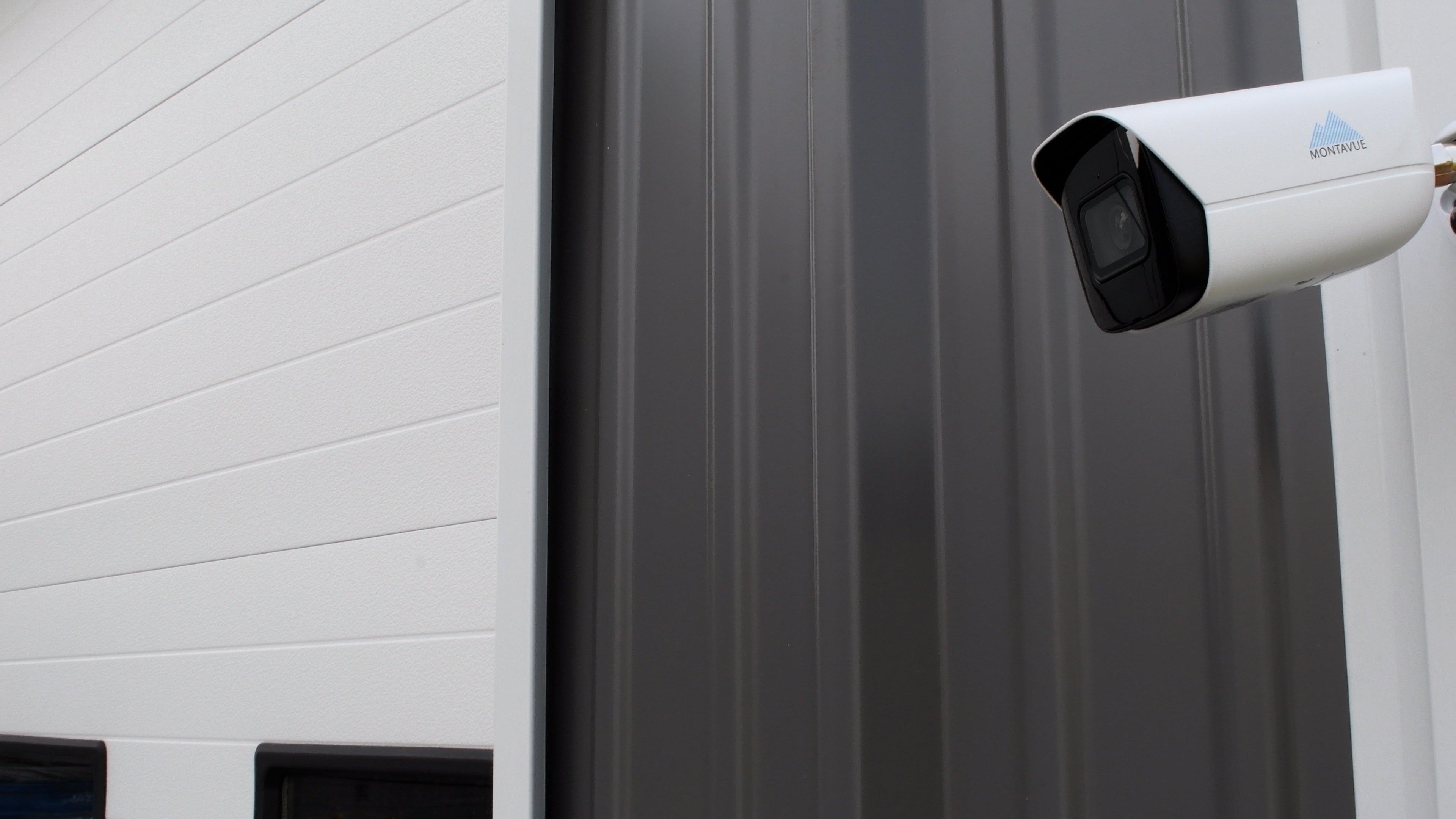
Place the camera where sound is clear and undistorted. Avoid areas with loud noises or wind. Regularly clean the microphone to prevent dust buildup. Keep software and apps updated for best performance. Respect privacy laws and inform people about audio recording. Test audio after each setup or change in location.
Credit: montavue.com
Frequently Asked Questions
Can Security Cameras Legally Record Sound?
Laws vary by location, but many regions require consent for audio recording. Always check local laws before enabling sound on cameras to avoid legal issues.
Do All Security Cameras Record Audio?
Not all cameras have audio recording capability. Many basic models only capture video. Look for “audio-enabled” or “two-way audio” features to confirm.
How Clear Is The Sound From Security Cameras?
Audio quality depends on the camera’s microphone and environment. Indoor cameras generally capture clearer sound than outdoor ones due to less background noise.
Can Security Cameras Record Sound Continuously?
Most cameras can record sound continuously if configured properly and with enough storage. However, some models record audio only when motion is detected.
Conclusion
Security cameras can record sound if they have built-in microphones. Not all cameras include this feature, so check before buying. Recording sound may raise privacy concerns in some places. Always follow local laws about audio recording. Sound can add extra security by capturing voices or noises.
It helps understand what happened during an event. Choose the right camera to meet your safety needs. Use sound recording wisely and respect others’ privacy. This keeps your security both effective and legal.
As an Amazon Associate, I earn from qualifying purchases.
