

Have you ever wondered how long a disposable camera really lasts? Whether you’re planning to capture special moments on a trip or just want to know if your old camera is still good to use, understanding its lifespan can save you time and frustration.
You’ll discover exactly how long disposable cameras stay reliable and what affects their performance. Keep reading to make sure your next roll of film doesn’t go to waste!
Credit: breezeresidency.com
Disposable Camera Basics
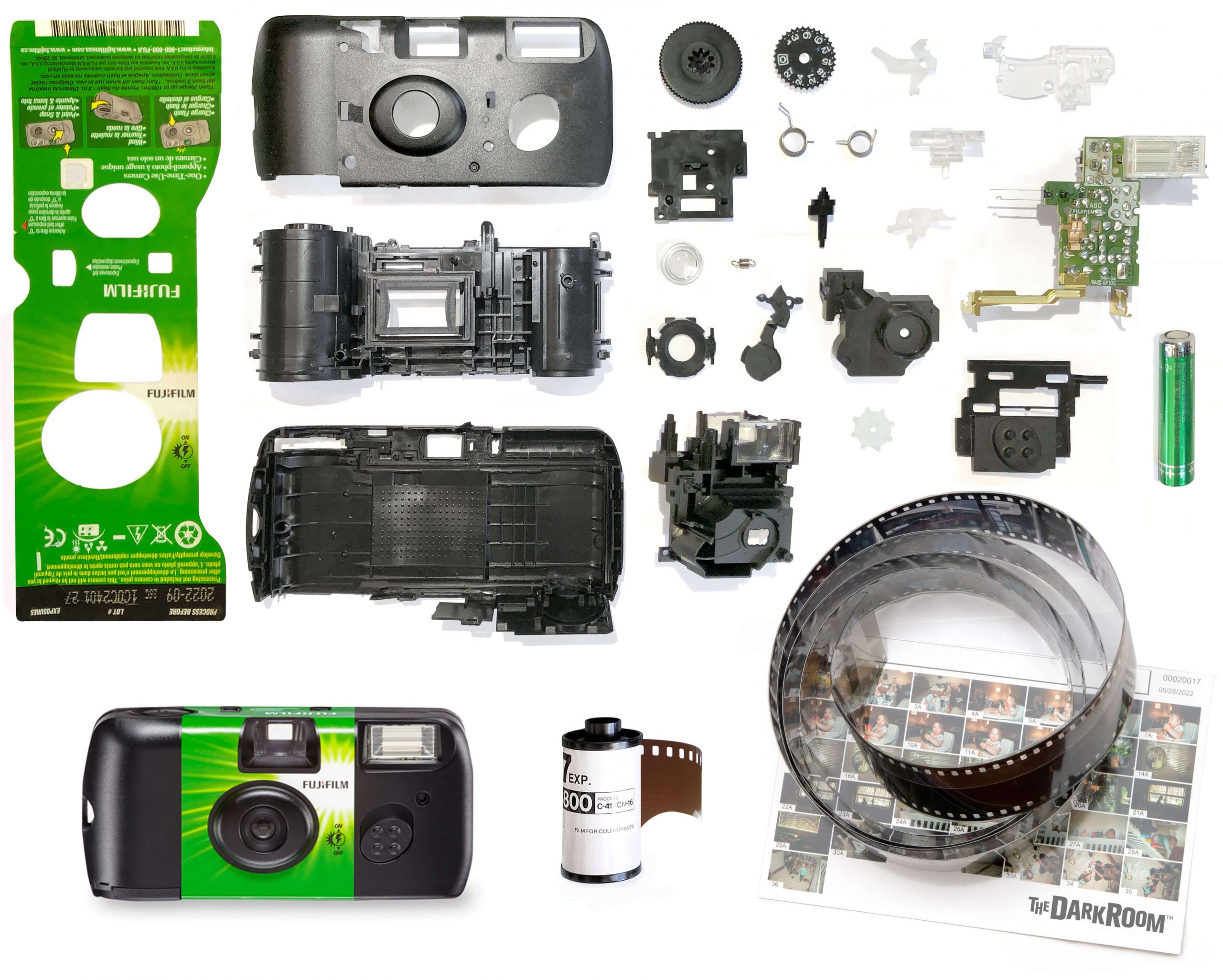
Disposable cameras offer a simple way to capture moments. They are easy to use and do not require charging or complex settings. These cameras come preloaded with film and are meant for one-time use. After finishing the film, the entire camera is taken to a shop for developing.
People enjoy disposable cameras for their convenience and nostalgic feel. They bring a fun, old-school touch to photography. Understanding their basics helps you know how long they last and what to expect from them.
What Makes It Disposable
Disposable cameras have a fixed film roll inside. The camera cannot be opened or refilled by the user. Once the film runs out, the camera is no longer usable. It is designed to be low-cost and simple. The plastic body and basic lens keep prices down. No batteries or digital parts are needed, except for the flash in some models.
Common Uses And Popularity
These cameras are popular at parties and outdoor events. People use them to capture candid, spontaneous photos. They are also common in travel and adventure trips. Some like them for the vintage look of the pictures. They remain popular among teens and photographers who enjoy film. Their ease of use and low cost make them a favorite choice worldwide.
Credit: digitalworldbeauty.com
Factors Affecting Camera Lifespan
Several factors affect how long a disposable camera lasts. Understanding these can help you get the best use from your camera. The lifespan depends on the film type, storage conditions, and exposure to light and heat. Each factor plays a key role in preserving the camera’s quality and performance.
Film Type And Quality
The type of film inside the camera affects its lifespan. Higher quality film lasts longer and produces better photos. Some films are more sensitive to age and conditions. Cheaper film may degrade faster, causing poor image quality. Always check the film type before buying or using a disposable camera.
Storage Conditions
How you store your disposable camera influences its durability. Cameras kept in cool, dry places last longer. Avoid storing cameras in damp or humid areas. Excess moisture can damage the film and the camera’s internal parts. Proper storage preserves image quality and extends camera life.
Exposure To Light And Heat
Light and heat exposure can harm the camera and film. Bright light can fog the film, ruining pictures. High temperatures can cause the film to age quickly. Keep disposable cameras away from direct sunlight and hot environments. Protecting them helps maintain good photo quality over time.
Typical Usage Duration
Disposable cameras are simple devices that offer a limited number of photos. Their usage duration depends on several factors. These include the number of exposures and the battery life. Knowing these helps you plan how long your camera will last.
Understanding typical usage duration is key for enjoying your photography experience without surprises.
Number Of Exposures Per Camera
Most disposable cameras come with 24 or 27 exposures. Some models offer up to 36 shots. Each exposure equals one photo. Once all exposures are used, the camera stops working. You cannot add more film or reset the camera. The number of exposures directly limits how long you can use the camera.
Choosing a camera with more exposures lets you take more pictures before finishing the roll.
Battery Life And Functionality
Disposable cameras usually have a small battery inside. The battery powers the flash and other basic functions. Battery life varies but typically supports all exposures in the camera. If you rarely use the flash, the battery lasts longer. Using the flash often drains the battery faster.
Once the battery dies, you can still use the camera for daylight photos without flash. The battery does not affect film exposure. It only controls the flash and some camera features.
How To Extend Disposable Camera Life
Extending the life of a disposable camera helps capture more memories without extra cost. Proper care keeps the camera functioning longer and protects the film inside. Small habits make a big difference in how long your camera lasts.
Proper Storage Tips
Store the camera in a cool, dry place away from sunlight. Heat and moisture damage the film and camera parts. Avoid leaving it in hot cars or damp areas. Keep the camera in a sealed bag to protect from dust. Hold the camera carefully to prevent scratches on the lens. These simple steps keep your camera ready to use.
Handling And Usage Advice
Hold the camera steady when taking pictures to avoid blurry shots. Do not press the shutter button too hard. Wind the film slowly and gently after each shot. Avoid opening the camera before the film is fully used. Keep the camera away from strong magnetic fields. Follow these tips to keep the camera working well longer.
Signs Your Disposable Camera Is Expired
Disposable cameras have a shelf life. Over time, their film and components can degrade. Knowing the signs that your camera is expired helps avoid wasted shots and poor results. Spotting these signs early saves time and money. Here are key indicators that your disposable camera may be past its prime.
Visual Indicators
Look closely at the camera body and film window. Yellowing or discoloration suggests age and sun damage. Sticky or brittle parts show that materials are breaking down. Check for rust or corrosion near the battery compartment. Cracks or warping also point to long storage or poor conditions. These visual clues hint the camera might not work well.
Image Quality Decline
Expired disposable cameras often produce blurry or faded photos. Colors may look washed out or off-tone. Grainy or foggy images are common signs of old film. Frames can have light leaks or strange lines. If your pictures appear dull or inconsistent, the camera’s film is likely expired. This drop in quality is a clear sign to replace the camera.
Credit: theclippingpathservice.com
Comparing Disposable Cameras To Digital Alternatives
Disposable cameras and digital cameras serve different needs. Each type has unique features that affect how long they last and how easy they are to use. Understanding these differences helps in choosing the right camera for your needs. This section compares disposable cameras to digital alternatives, focusing on their lifespan and cost.
Longevity Differences
Disposable cameras have a fixed number of exposures, usually 24 or 27 photos. Once you use all the film, the camera cannot take more pictures. Film can last for years if stored properly, but the camera itself is single-use.
Digital cameras store photos on memory cards. They can take thousands of pictures and be reused many times. The camera’s battery life and hardware quality limit its lifespan. Digital files do not degrade over time.
Cost And Convenience
Disposable cameras cost less upfront but add development fees after use. They do not need charging or settings adjustments. You get physical photos only after developing the film.
Digital cameras cost more initially. They save photos instantly and allow easy sharing. No need for film or development. Batteries require regular charging, adding to maintenance.
Disposing And Recycling Options
Disposable cameras are small and easy to use. After finishing the film, you might wonder what to do with the camera. Proper disposal and recycling help protect the environment. It also keeps harmful materials out of landfills. Understanding your options for disposing of these cameras is important.
Environmental Impact
Disposable cameras contain plastic and metal parts. They also have chemicals in the film and battery. Throwing them in the trash can harm the environment. Chemicals may leak and pollute soil and water. Recycling parts helps save resources and reduce waste. Recycling reduces the need for new plastic and metals.
Local Disposal Guidelines
Rules for disposing of disposable cameras vary by location. Some places accept them in regular recycling bins. Others require special handling because of the chemicals inside. Check your local recycling center for instructions. Some stores offer take-back programs for old cameras. Always follow local guidelines to keep the environment safe.
Frequently Asked Questions
How Long Does A Disposable Camera Film Last?
Disposable camera film typically lasts for about 1 to 2 years if stored properly. Avoid exposure to heat or humidity to maintain image quality.
How Many Photos Can A Disposable Camera Take?
Most disposable cameras can take between 24 to 36 photos per roll. The exact number depends on the camera model and film type.
Can Disposable Cameras Be Reused After Development?
No, disposable cameras cannot be reused after film development. They are designed for single use and must be replaced with a new one.
How Should I Store A Disposable Camera For Longevity?
Store disposable cameras in a cool, dry place away from direct sunlight. Proper storage preserves film quality and extends the camera’s usable life.
Conclusion
Disposable cameras usually last for about 24 to 36 exposures. The film inside determines how many pictures you can take. Store the camera in a cool, dry place to keep it fresh. Avoid heat or moisture to prevent damage. Once used up, the camera cannot be reused.
They are simple and fun for quick snapshots. Great for parties, trips, or special moments. Remember to develop the film soon after finishing it. This helps keep your photos clear and bright. Disposable cameras offer easy photography without any fuss.
As an Amazon Associate, I earn from qualifying purchases.
