

Have you ever wondered what exactly traffic cameras capture when you drive by? You might think they just snap a quick photo of your car, but the truth is more interesting—and important—than you realize.
Understanding what traffic cameras record can help you stay informed, avoid surprises, and even protect your rights on the road. Keep reading to discover how these cameras work and what happens to the footage they take of you.

Credit: www.injurylawyerhouston.com
How Traffic Cameras Work
Traffic cameras play a key role in monitoring roads and traffic flow. They help manage safety and enforce rules. Understanding how these cameras work reveals their importance in daily traffic control. These systems use different types of cameras and technology to capture clear images and videos.
Types Of Traffic Cameras
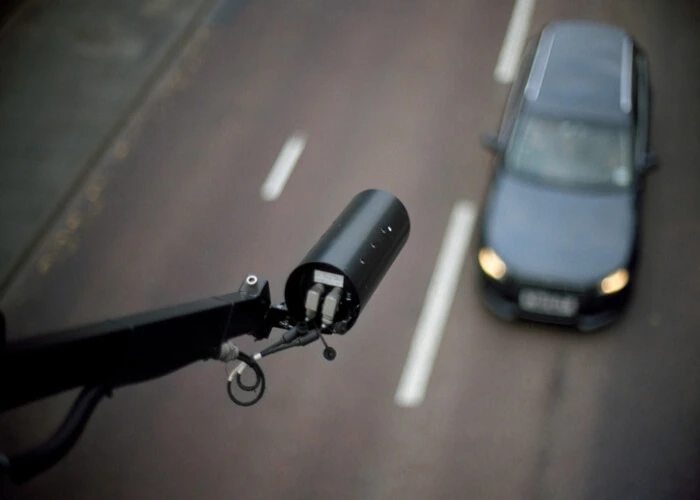
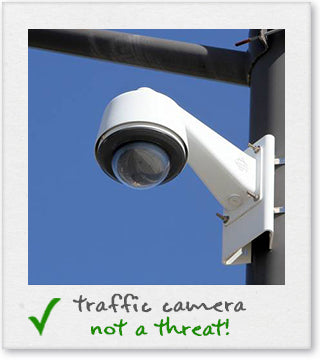
There are several types of traffic cameras. Fixed cameras stay in one place to watch specific spots. Mobile cameras move to different locations on vehicles or poles. Red light cameras snap pictures when cars cross signals illegally. Speed cameras catch vehicles moving too fast. Each type serves a unique purpose for road safety.
Technology Behind The Cameras
Traffic cameras use advanced technology. High-resolution lenses capture sharp images day and night. Infrared sensors work in low light or darkness. Some cameras use radar or laser to measure speed. Others connect to computer systems for real-time data. This tech helps detect violations and track traffic patterns.
Placement And Coverage Areas
Cameras are placed in strategic locations. Busy intersections and highways get the most coverage. Some are set near schools and pedestrian zones. Placement focuses on areas with high accident rates. The goal is wide coverage to monitor traffic flow and improve safety.
What Traffic Cameras Actually Record
Traffic cameras are common on roads and highways. They help monitor traffic flow and catch rule breakers. Many people wonder what these cameras actually record. The answer is not always simple.
Traffic cameras do capture video, but there are limits. They also record other types of data beyond just images. The length of time they keep these recordings varies too.
Video Footage Limitations
Traffic cameras record video but usually for short periods. They focus on specific areas like intersections or highway lanes. The video quality is enough to see cars and license plates clearly.
These cameras do not record continuously 24/7. Instead, they activate when motion is detected or when a traffic violation occurs. This helps save storage space and reduces unnecessary footage.
Data Captured Beyond Images
Traffic cameras also collect data such as speed and vehicle type. Sensors can measure how fast a car is moving. This data helps enforce speed limits and traffic laws.
Some cameras use automatic number plate recognition (ANPR) to read license plates. This system helps identify stolen cars or track vehicles for law enforcement.
Duration Of Recordings
Most traffic camera videos are stored for a few days or weeks. Storage limits depend on local laws and technology used. Some cities keep footage longer for investigations.
If a violation is caught, the related video is saved securely. Otherwise, old footage is deleted automatically to make space for new recordings.
Common Misconceptions About Traffic Cameras
Traffic cameras are a common sight on roads worldwide. Many people wonder what these cameras actually record. There are many false ideas about their use and limits. Clearing up these myths helps people understand their real purpose.
These cameras mainly focus on vehicle movement and traffic rules. They do not invade personal privacy. Let’s explore some common misconceptions about traffic cameras.
Do Cameras Record Audio?
Most traffic cameras do not record sound. They capture images and videos of vehicles only. Audio recording would need special permission and laws. This is rare and not common for traffic monitoring.
Are Private Moments Captured?
Traffic cameras are placed to watch roads, not people. They do not capture private actions inside cars or homes. Their focus stays on traffic flow and violations. Privacy is protected by design.
Myths About Continuous Surveillance
Many believe traffic cameras watch everything all the time. Actually, cameras activate only in certain situations. They record when a traffic rule is broken or during specific times. Continuous monitoring is costly and rarely done.
Privacy Concerns And Legal Boundaries
Traffic cameras help keep roads safe by catching traffic violations. Yet, they raise privacy concerns for many people. Knowing how laws protect privacy can ease worries. Legal limits guide what cameras can record and share.
Laws Governing Traffic Camera Use
Each place has rules about traffic camera use. These laws decide what cameras can record and how to use the data. Some areas require clear signs to warn drivers about cameras. Rules aim to balance safety and privacy rights.
Data Storage And Access
Data from traffic cameras must be stored securely. Only authorized people can see or use the data. Storage time is limited to prevent misuse. Strong rules stop data leaks and protect personal information.
Public Vs. Private Spaces
Traffic cameras mostly operate in public places like streets. Recording in private areas needs stricter rules. People expect more privacy on private property. Laws help decide where cameras can be placed and what they can record.
Instances Where Cameras Miss Details
Traffic cameras help keep roads safe by recording vehicles and incidents. Yet, they do not catch every detail. Certain situations cause cameras to miss important information. Understanding these limits is key for drivers and authorities alike.
Blind Spots And Obstructions
Cameras do not cover all angles. Objects like trees, poles, or large vehicles block views. These blind spots hide parts of the road or vehicles. This leads to missing important actions or rule violations. Poor placement of cameras adds to the problem.
Technical Failures And Malfunctions
Like any device, traffic cameras can break down. Power outages or software errors stop recording. Sometimes cameras freeze or lag. These failures cause gaps in the footage. Maintenance delays can prolong the issue.
Limitations In Image Quality
Low resolution or poor lighting affects images. Nighttime or bad weather reduces clarity. Faces or license plates become hard to read. Fast-moving vehicles appear blurry. This limits the camera’s ability to provide clear evidence.
Impact On Drivers And Public Behavior
Traffic cameras have a strong effect on how people drive and behave in public. These cameras record actions on the road, which changes how drivers act. Knowing that cameras watch can make people more careful. This section explores how traffic cameras influence drivers and society.
Effect On Driving Habits
Drivers often slow down near traffic cameras. They follow traffic rules better to avoid fines. The presence of cameras reduces risky actions like running red lights. Some drivers only obey rules near cameras, but many improve overall habits. Traffic cameras help create safer roads by encouraging careful driving.
Public Perception Of Surveillance
People have mixed feelings about traffic cameras. Some see them as helpful tools for safety. Others worry about privacy and constant monitoring. Trust in cameras depends on how data is used and shared. Clear rules and transparency can improve public opinion. The balance between safety and privacy is important.
Role In Traffic Law Enforcement
Traffic cameras support law enforcement by catching rule breakers. They provide clear evidence for traffic violations. This helps police issue tickets fairly and quickly. Cameras reduce the need for officers to watch every street. They free up police time for other duties. Overall, cameras make enforcing traffic laws more efficient.
Future Of Traffic Camera Technology
The future of traffic camera technology promises many changes. Cameras will do more than just record. They will become smarter and more helpful. These advances will help cities manage traffic better. They will also improve safety on roads. The technology is evolving fast. New tools will make traffic cameras more accurate and useful.
Advances In Ai And Recognition
Artificial intelligence will make traffic cameras smarter. Cameras will identify vehicles, colors, and types quickly. They will also detect unsafe driving behaviors. AI will help reduce errors in recognition. This means fewer false tickets and better enforcement. Cameras will learn to spot problems in real time. This will make roads safer for everyone.
Integration With Smart City Systems
Traffic cameras will connect with other city systems. This will include traffic lights and emergency services. Cameras will send data to control centers automatically. Cities will manage traffic flow more efficiently. In emergencies, cameras will help guide first responders. This integration will create smoother, safer travel.
Potential For Expanded Monitoring
Traffic cameras will monitor more than just vehicles. They may track pedestrians and bicycles too. Cameras could check air quality and noise levels near roads. Expanded monitoring will give cities more data to improve living conditions. This will support better planning and safer streets. Cameras will become vital tools for urban management.
Credit: www.navalawgroup.com
Credit: www.shoshitamam.com
Frequently Asked Questions
Do Traffic Cameras Record Video Or Just Photos?
Traffic cameras primarily capture still photos of violations. Some advanced systems also record short video clips for evidence. The footage helps verify incidents and supports law enforcement actions.
How Long Do Traffic Cameras Store Recordings?
Storage duration varies by location but typically ranges from a few days to several weeks. Data retention depends on local laws and the purpose of the recording.
Can Traffic Camera Footage Be Used In Court?
Yes, traffic camera footage is admissible as evidence in court. It helps prove traffic violations and supports legal proceedings.
Are All Traffic Cameras Monitored Live?
Not all traffic cameras are monitored live. Many operate automatically, recording only when triggered by violations or specific events.
Conclusion
Traffic cameras do record to help improve road safety. They catch speeding and red-light violations clearly. These recordings support law enforcement and reduce accidents. Knowing cameras record may make drivers more careful. This helps keep everyone safer on the road.
Understanding how traffic cameras work benefits all drivers. Stay aware and follow traffic rules to avoid fines. Safe driving matters most for you and others. Remember, cameras serve as tools to promote safer streets.
As an Amazon Associate, I earn from qualifying purchases.
