

Are you wondering if an ankle monitor can detect alcohol? If you or someone you know is wearing one, this question probably matters a lot to you.
Understanding how these devices work could make a big difference in staying compliant and avoiding trouble. Keep reading to uncover the truth about ankle monitors and alcohol detection—what they can really track, and what they can’t. This knowledge might just save you from unexpected surprises.
How Ankle Monitors Work
Ankle monitors are devices used to track people under legal supervision. They help authorities ensure that individuals follow court orders. These devices work by sending signals to a monitoring center. The signals show the person’s location and other data. Understanding how ankle monitors work helps clarify their role in monitoring behavior.
Basic Functionality
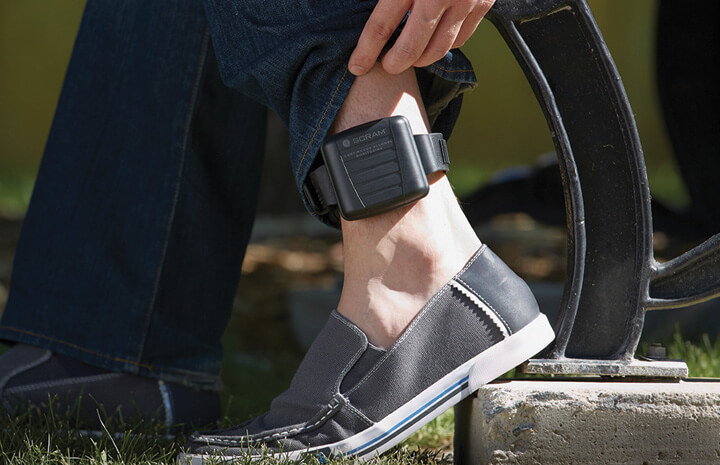
Ankle monitors use GPS or radio frequency to track location. They send data to a control center regularly. The device fits around the ankle and stays locked. If someone tries to remove it, an alert is sent. The monitor can detect if the wearer enters or leaves certain areas. This is called geofencing. It ensures the person stays within allowed zones.
Types Of Monitors
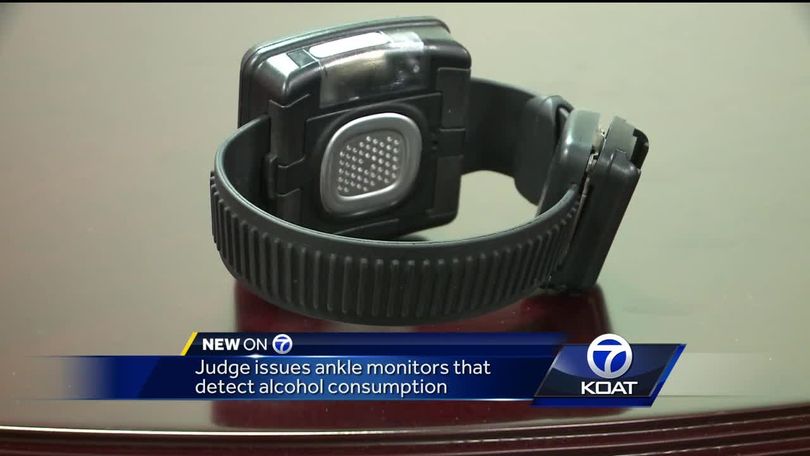
There are several types of ankle monitors. GPS monitors track exact location using satellites. Radio frequency monitors work with a home base device. They check if the wearer is near the base station. Alcohol detection monitors sense alcohol use through the skin. These use special sensors to detect alcohol molecules. Each type serves a different purpose in monitoring compliance.
Credit: www.koat.com
Alcohol Detection Capabilities
Ankle monitors are common tools used in legal and medical settings. Many wonder if these devices can detect alcohol use. Understanding their capabilities helps clarify what they can and cannot track. This section explains how ankle monitors work with alcohol detection.
Sensors And Technology
Most ankle monitors use sensors to track movement and location. Some models include alcohol sensors. These sensors check sweat on the skin for alcohol content. The technology measures alcohol vapor released through the skin. This method is called transdermal alcohol detection.
The sensors capture data continuously or at set times. The device sends this information to monitoring authorities. This allows officials to see if the wearer consumed alcohol. The technology offers a way to monitor alcohol use without breath or blood tests.
Limitations In Detecting Alcohol
Ankle monitors cannot detect alcohol perfectly. Sweat alcohol levels may not always match blood alcohol content. Activities like exercise, hot weather, or skin creams may affect results. False positives or negatives can occur due to these factors.
The devices do not detect alcohol immediately after drinking. It takes hours for alcohol to appear in sweat. The monitor might miss short-term drinking or very low alcohol levels. Also, not all ankle monitors have alcohol sensors.
Users should understand these limits. Ankle monitors help track alcohol use but are not foolproof. They work best combined with other monitoring methods.
Common Misconceptions
Many people have wrong ideas about ankle monitors and alcohol detection. These devices do not work like breathalyzers or blood tests. Understanding what ankle monitors can and cannot detect helps clear confusion. This section explains common myths about ankle monitors and alcohol.
Alcohol Vs Other Substances
Ankle monitors mainly track location and movement. They do not test blood or breath for alcohol. Some devices detect drug use through sweat or skin sensors. Alcohol is harder to detect this way. The sensors focus more on drugs like marijuana or opioids. People often think ankle monitors detect drinking, but this is not true. They can only show if someone is where they should be.
False Positives
Some worry ankle monitors give false alerts about alcohol use. False positives happen with some drug sensors, but rarely with alcohol. Sensors might react to chemicals in lotions or foods. This causes confusion about alcohol detection. Manufacturers design monitors to limit false alarms. Courts and officers consider device limits and errors. This means an ankle monitor’s alert is not proof of drinking. Other tests are needed to confirm alcohol use.
Credit: www.scramsystems.com
Alternative Alcohol Monitoring Methods
Alternative alcohol monitoring methods offer different ways to check alcohol use. These methods can be more direct than ankle monitors, which do not detect alcohol. They provide real-time or near real-time data on alcohol consumption.
Breathalyzers
Breathalyzers measure alcohol levels in breath samples. They are easy to use and provide quick results. Law enforcement often uses them for roadside tests. Portable versions exist for personal use. Users blow into the device, which shows blood alcohol content (BAC). Breathalyzers help monitor sobriety in many settings. They do not require wearing a device all the time.
Transdermal Alcohol Sensors
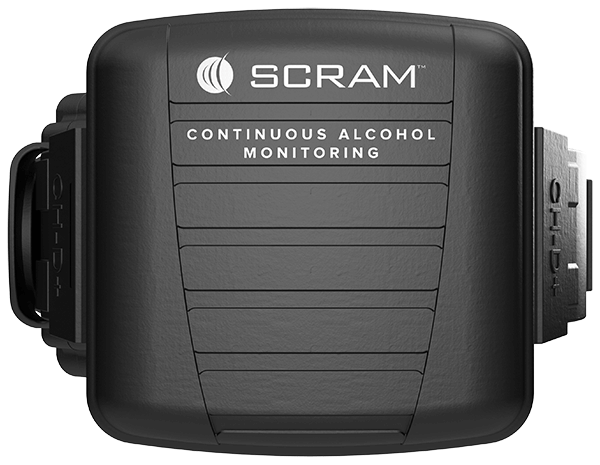
Transdermal alcohol sensors detect alcohol through the skin. They measure alcohol vapor released in sweat. These devices are worn on the wrist or ankle. They provide continuous monitoring throughout the day. Data is sent to monitoring agencies in real time. This method is less invasive than frequent breath tests. It offers a better picture of alcohol use over time.
Legal And Practical Implications
Ankle monitors are tools used by courts to track individuals under legal supervision. These devices help ensure that people follow court orders. Understanding the legal and practical implications of ankle monitors detecting alcohol is important for those affected. These devices impact daily life and legal outcomes.
Court Requirements
Court orders may include alcohol detection as a condition. Some ankle monitors have sensors to detect alcohol use. Courts require strict compliance to avoid penalties. Violating alcohol restrictions can lead to fines or jail time. Judges use monitor data to make decisions. The presence of alcohol in the system often triggers immediate alerts. Courts rely on this technology to enforce sobriety rules.
Compliance And Monitoring
Wearing an ankle monitor demands constant adherence to rules. The devices record data on alcohol consumption and location. Authorities review the data regularly to check compliance. Users must avoid alcohol to prevent violations. The monitors provide real-time updates to supervisors. This constant surveillance encourages responsible behavior. Non-compliance can result in severe legal consequences. The technology supports law enforcement in maintaining order.
Credit: www.scramsystems.com
Future Of Alcohol Detection Technology
The future of alcohol detection technology looks promising. New tools aim to improve accuracy and comfort. These advances may help law enforcement and healthcare work better. Technology will become easier to use and less invasive.
Better sensors and smarter software are part of this progress. These improvements could track alcohol use more closely. This will support safer communities and healthier lives.
Emerging Innovations
Researchers develop new sensors that detect alcohol through the skin. These sensors use light or chemical reactions to measure alcohol levels. Some devices are smaller and more comfortable to wear. Others use wireless tech to send data in real time. These innovations could replace bulky ankle monitors soon.
Potential Improvements
Future devices may detect alcohol faster and more accurately. They might also track other health signs like heart rate. Battery life improvements will help devices work longer without charging. Data security will improve to protect user privacy. These changes will make alcohol monitoring more reliable and user-friendly.
Frequently Asked Questions
Can Ankle Monitors Detect Alcohol Consumption?
Most ankle monitors do not detect alcohol directly. They primarily track location and ensure compliance with curfews or restrictions. However, some devices may integrate with alcohol sensors or require breathalyzer tests alongside monitoring.
How Do Ankle Monitors Track Alcohol Use?
Ankle monitors themselves usually don’t track alcohol use. Alcohol detection is done through separate breathalyzer tests or wearable alcohol sensors, which may be part of a combined monitoring program.
Are All Ankle Monitors Equipped With Alcohol Sensors?
No, not all ankle monitors have alcohol sensors. Only specialized devices or programs include alcohol monitoring features. Most standard ankle monitors focus on GPS tracking and movement restrictions.
Can Alcohol Detection Be Combined With Ankle Monitoring?
Yes, alcohol detection can be combined with ankle monitoring. Courts or probation officers may require additional alcohol tests alongside ankle monitor tracking for comprehensive supervision.
Conclusion
Ankle monitors do not detect alcohol directly. They track location and movement only. Some devices may check for alcohol through separate breath tests. Courts often require these tests alongside ankle monitors. Staying aware of these facts helps avoid confusion. Knowing how ankle monitors work keeps expectations clear.
This helps people follow legal rules better. Understanding the limits of monitoring devices is important. It can prevent misunderstandings and legal trouble. Always follow the instructions given by authorities carefully.
As an Amazon Associate, I earn from qualifying purchases.

